Analysis · —
The Silent Revolution: Your Next AI Assistant Lives in Your Glasses
The smart glasses market is subtly shifting from immersive tech to ubiquitous, always-on AI. Affordable hardware and open platforms are paving the way for invisible digital intelligence to become an everyday reality, right before our eyes.

A quiet but profound realignment is underway in the smart eyewear industry. The narrative is moving away from bulky virtual realities and towards something far more intimate and integrated: always-on AI assistants, seamlessly woven into the fabric of daily life through lightweight glasses. This isn't a distant future, it is the immediate present, shaped by strategic pivots, technological breakthroughs, and a burgeoning open ecosystem.
Apple's recent restructuring serves as a potent harbinger of this shift. Reports indicate Apple is trimming Vision Pro and Siri teams, specifically pivoting towards "Meta-like AI smart glasses." This signals a clear strategic choice: the mainstream future of wearable tech lies not in high-fidelity, high-cost spatial computers, but in discreet, AI-first eyewear that enhances, rather than replaces, reality.
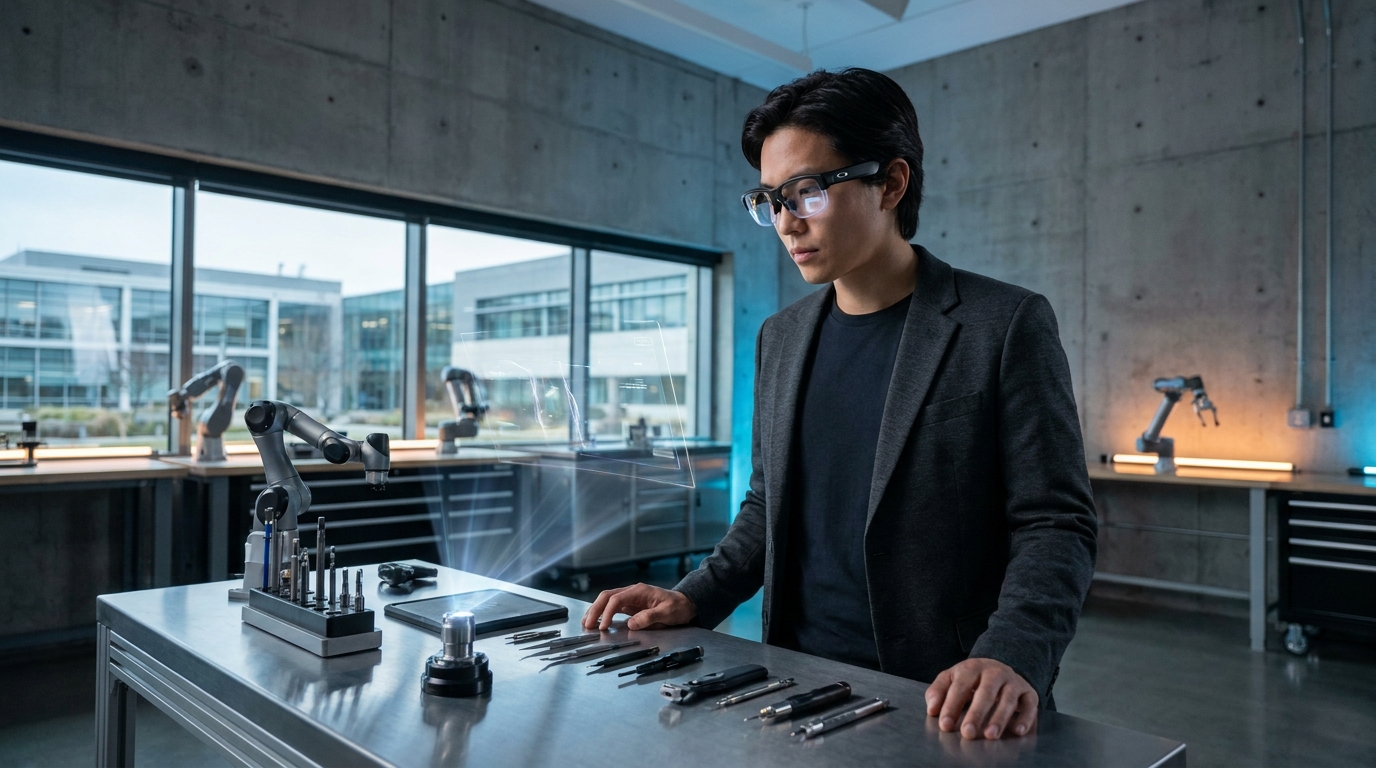
Achieving this always-on utility demands a radical re-evaluation of hardware design. The conceptual "Portable Spatial Computer" from XRPAK, which proposes detaching compute and power from the glasses themselves, illustrates this industry-wide imperative. While XRPAK's vision remains largely theoretical, it underscores the critical need for ultra-lightweight frames, enabling all-day wear without fatigue, a design ethos also championed by RayNeo's discreet iO Smart Glasses.
This shift is not merely about sleek aesthetics; it is fundamentally about accessibility. For too long, smart glasses have been trapped behind prohibitive price tags. Enter Rollme, which is aggressively challenging this status quo with its ProView smart glasses, launching at an unprecedented $99.99. This move is not just competitive; it is a direct assault on the economic barriers preventing widespread adoption of AI eyewear.
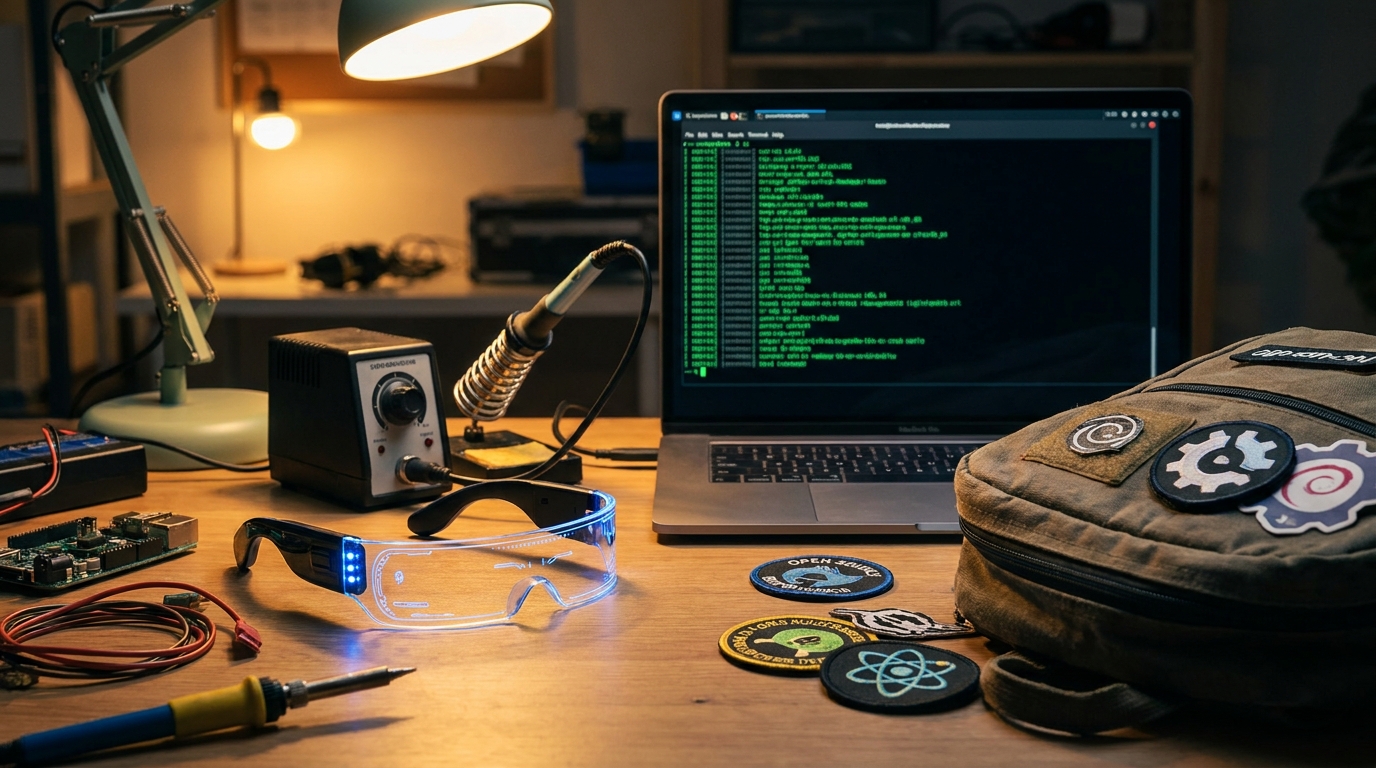
The democratization of hardware at such price points is unlocking a "hacker vanguard" ready to build. As detailed in our own Originals, cheap glass coupled with open operating systems like Android XR and MentraOS are empowering developers. This stands in stark contrast to the walled gardens that have historically stifled innovation and limited the potential of always-on AI.
These open platforms provide the fertile ground for diverse AI experiences, moving beyond the tightly controlled ecosystems favored by some industry giants. While Meta's Wearables Device Access Toolkit is expanding developer access, its fundamental strategy remains closed. This philosophical divide is critical, especially as the industry grapples with the inherent privacy challenges of constant recording and data processing.
Meta's own experiences highlight the razor's edge upon which always-on AI eyewear operates. The Immigration and Customs Enforcement, or ICE, banning Meta glasses for employees over privacy risks underscores a persistent public mistrust. An AI assistant in your glasses must earn, and continuously maintain, user confidence, or its potential for pervasive utility will be severely curtailed.
Yet, the transformative power of such technology for enhanced autonomy is undeniable. Kevin Ramsey, a blind user featured on bbc.com, describes Meta glasses as a "game-changer" for tasks like reading menus and tracking routes. This real-world impact demonstrates the profound benefit of a hands-free, voice-activated AI assistant for daily independence.
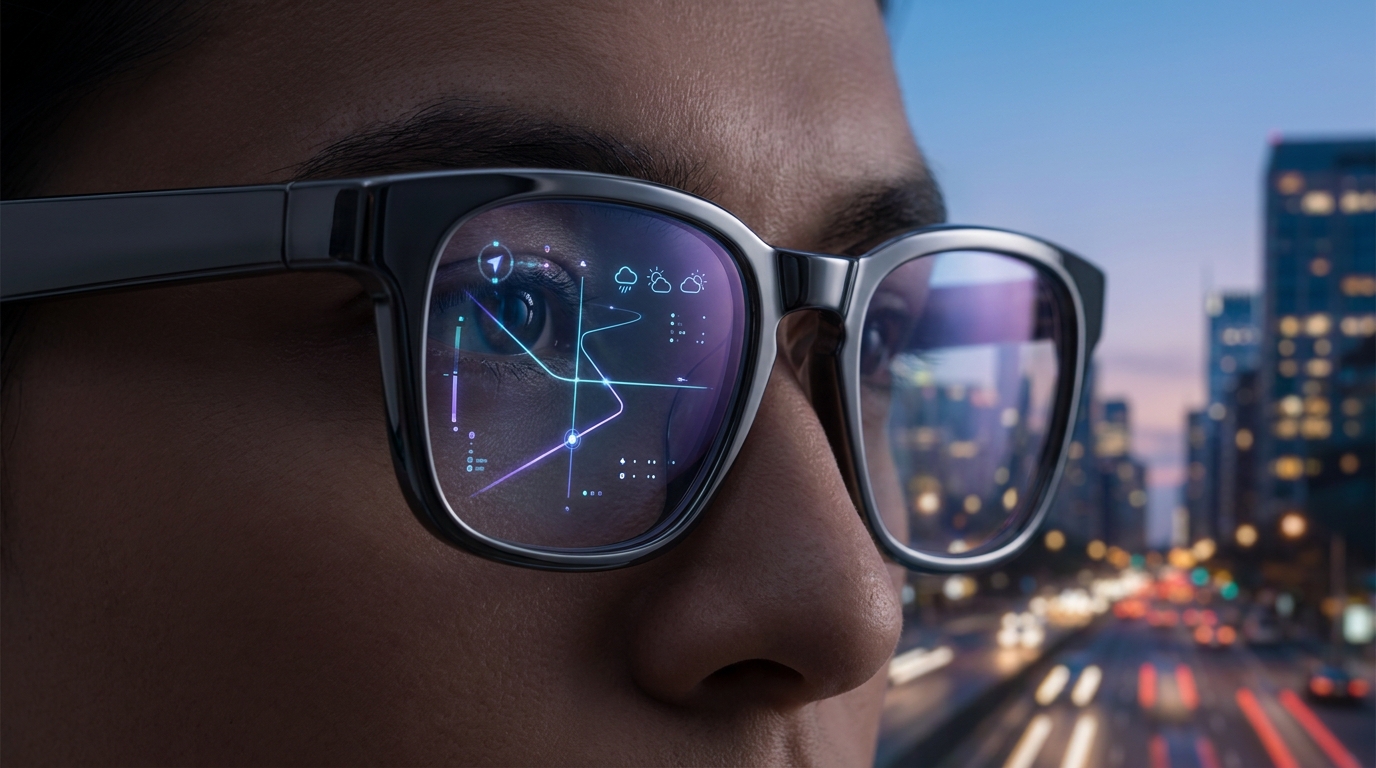
Beyond accessibility, the utility extends to practical, on-the-go assistance. RayNeo's iO Smart Glasses, with their discreet monochrome display, are designed for real-time translations and teleprompter functions. These are not immersive experiences; they are subtle, intelligent overlays providing information precisely when and where it is needed, without breaking eye contact or disrupting workflow.
This vision is distinct from the realm of dedicated immersive computing, exemplified by devices like the Meta Quest 3, which focuses on gaming and rich spatial experiences. The discussion surrounding always-on AI in eyewear is not about replacing your phone or building a virtual world; it is about augmenting your real world with intelligence that is truly always present, always available.
The ongoing battle for smart glasses operating systems, with contenders like MentraOS, Android XR, and Alibaba's agent-native stack, reflects this future. These platforms are not just powering displays; they are incubating the next generation of AI agents designed to live on your face, anticipating needs and delivering context-aware assistance.
For this future to fully materialize and gain widespread acceptance, the industry must rigorously prioritize ethical design and robust privacy safeguards. The constant recording capabilities inherent in many smart glasses necessitate transparent policies and user-centric controls. Without trust, even the most advanced AI will remain an unfulfilled promise.
The confluence of increasingly discreet hardware, dramatically lower price points, and open software ecosystems is catalyzing the rise of always-on AI assistants in eyewear. This isn't a niche product for tech enthusiasts; it is the next frontier in personal computing, quietly integrating intelligence into our most fundamental interface with the world. The era of the truly smart-smart glass has arrived.
Interactive guide — prices, displays, cameras, battery.
Share this story