Analysis · —
The Silent Revolution: AI Assistants Are Moving From Your Phone to Your Face
Smart glasses are no longer about virtual escapism, but ubiquitous, always-on AI. This isn't a distant future, it is the immediate present, shaped by strategic pivots and accessible hardware.

A quiet but profound realignment is underway in the smart eyewear industry. The narrative is decisively moving away from bulky virtual realities and towards something far more intimate and integrated: always-on AI assistants, seamlessly woven into the fabric of daily life through lightweight glasses. This isn't a distant future scenario, it is the immediate present, shaped by strategic pivots, technological breakthroughs, and a burgeoning open ecosystem.
Apple's recent restructuring serves as a potent harbinger of this shift. Reports indicate Apple is trimming Vision Pro and Siri teams, specifically pivoting towards "Meta-like AI smart glasses." This signals a clear strategic choice, confirming that the mainstream future of wearable tech lies not in high-fidelity, high-cost spatial computers, but in discreet, AI-first eyewear.
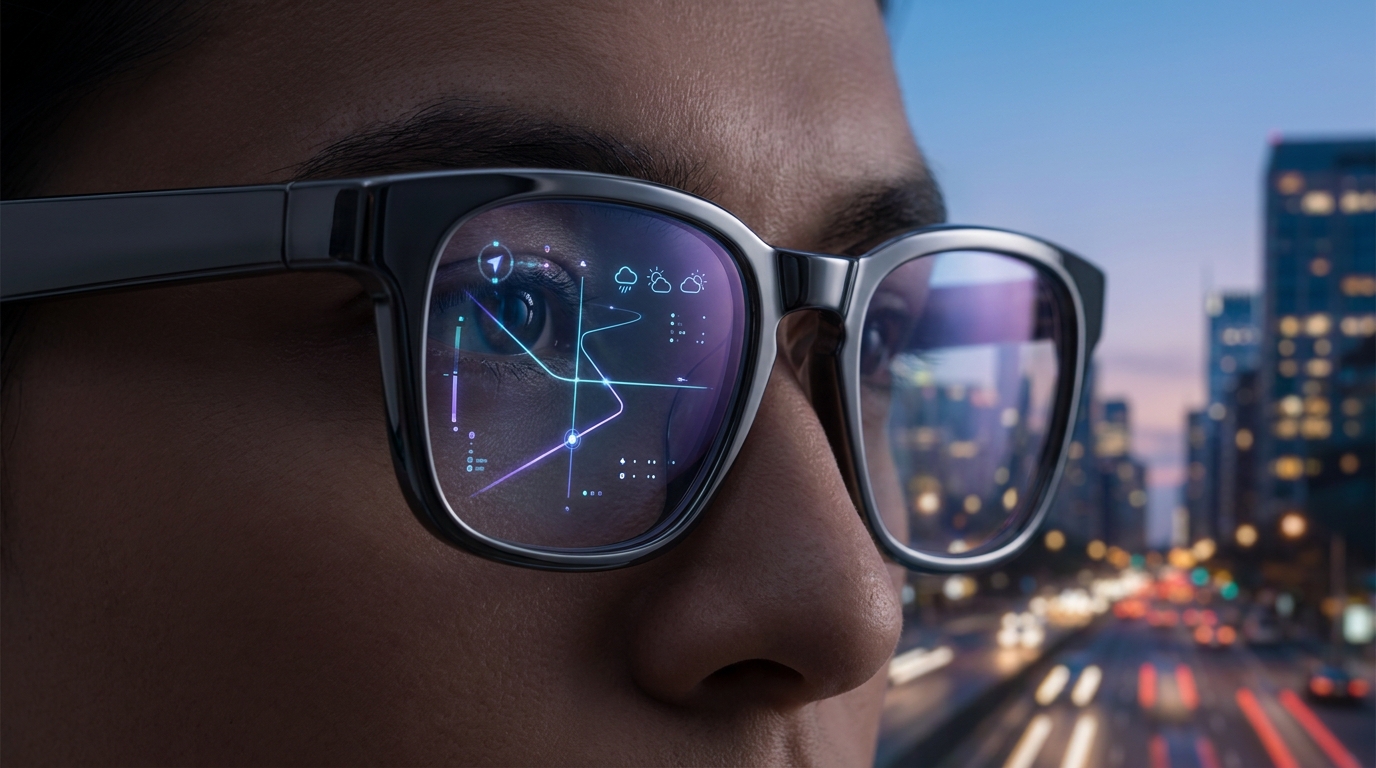
The new hardware paradigm prioritizes subtlety and all-day comfort over immersive displays. RayNeo's iO Smart Glasses, weighing a mere 33 grams with a minimalist aesthetic, exemplify this trend. They are designed for unobtrusive, always-on utility, integrating a small monochrome green display for simplified interfaces and text. This design contrasts sharply with the bulk of VR headsets, positioning these glasses as true daily companions.
At the core of this revolution are the powerful, invisible AI functionalities. RayNeo's iO glasses leverage advanced voice capture with a quad-microphone array and bone conduction sensor for real-time translations and teleprompter functions. Kevin Ramsey, a blind man, demonstrates the life-changing impact, using Meta glasses to read menus, track routes, and decipher use-by dates, effectively turning his eyewear into an essential daily assistant.
Democratizing access is a crucial accelerant for this shift. Rollme is challenging the smart glasses market's pricing model with its ProView smart glasses, launching at an unprecedented $99.99. This aggressive price point, which includes a 12MP Sony camera and AI live translation, is a direct assault on exclusivity, making sophisticated AI eyewear universally accessible and pushing the industry towards the mainstream.
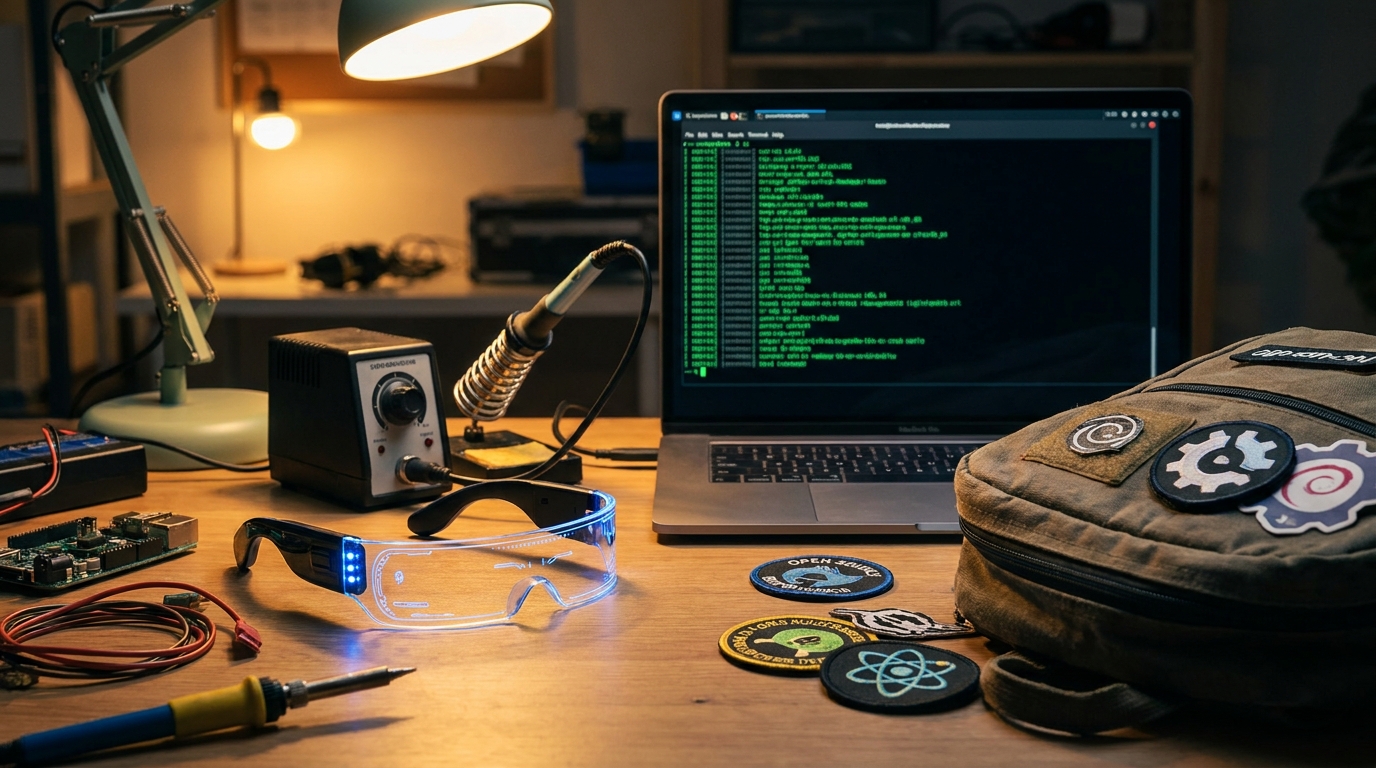
The battle for smart glasses operating systems is also setting the stage for a dramatic power shift. While Meta pursues a tightly controlled ecosystem with its Wearables Device Access Toolkit, alternatives like Android XR and the open-source MentraOS are gaining traction. This open ecosystem, coupled with ultra-affordable hardware, empowers hackers and builders to innovate outside corporate walled gardens.
However, the path to ubiquitous AI is not without its hurdles, especially for incumbent players like Meta. Despite positive individual use cases, Meta's history of privacy blunders, exemplified by the ICE ban on their smart glasses for employees, has fostered public mistrust. Classifying them as body cameras and raising concerns about "unintentionally captur[ing], record[ing] or transmit[ting] sensitive information" significantly impedes the vision of always-on, discreet intelligence.
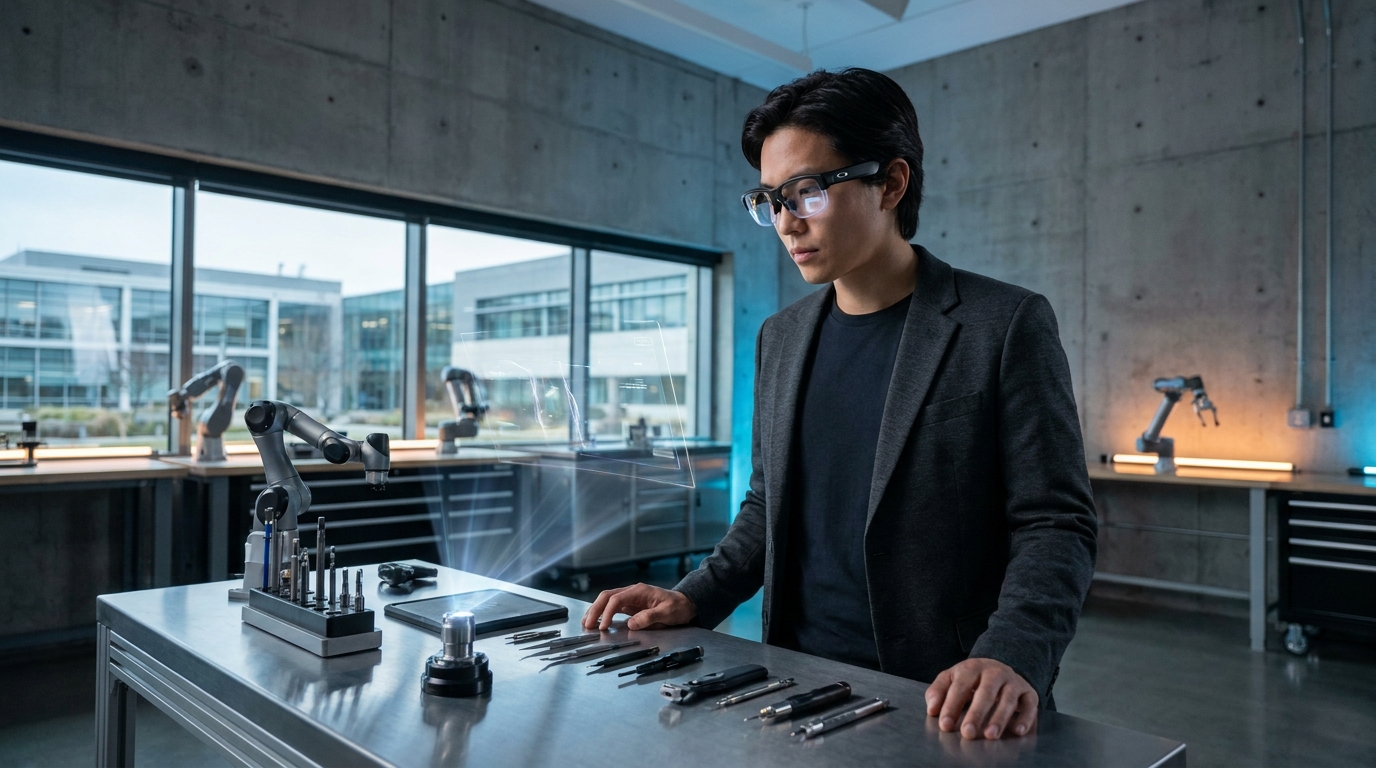
Innovative hardware solutions are emerging to address the performance demands of sophisticated AI while maintaining lightweight design. XRPAK, a new startup, proposes a "Portable Spatial Computer" that detaches compute, battery, and thermal management from the glasses themselves. This conceptual approach promises lighter eyewear and enhanced performance by moving the processing 'brain' into a pocket-sized device, ensuring comfort for all-day wear.
This focus on always-on AI clearly demarcates the smart glasses market from the immersive segment. While co-op space roguelikes like Sol Protocol continue to land on Meta Quest 3, and RayNeo offers a GT Series for "cinema-grade" AR, these are specialized experiences. The dominant trend for everyday utility is firmly in discreet, AI-powered eyewear, not bulky, high-fidelity spatial computing for gaming or media consumption.
The true potential of this "silent revolution" lies with the hacker vanguard, empowered by cheap glass and open XR platforms. Meta's walled gardens and privacy failures have stalled innovation for too long. With MentraOS and Android XR opening doors, coupled with ultra-affordable hardware like Rollme's ProView, builders are poised to reclaim the narrative and rapidly accelerate the development of practical, always-on AI assistants.
Ultimately, the future of personal technology is not about escaping reality into virtual worlds, but about subtly enhancing it. The rise of always-on AI assistants in our eyewear represents a profound shift from active consumption to passive, intelligent augmentation. Our glasses are transforming from simple vision aids into continuous, proactive digital companions, seamlessly integrating intelligence into our everyday perception.
This isn't merely an evolution; it's a fundamental redefinition of how we interact with information and our environment. The battle lines are drawn, the hardware is getting cheaper, the software is opening up, and the consumer expectation is shifting. The smart glasses market is not merely evolving, it is preparing for an explosion of invisible, everyday intelligence, right before our eyes.
Interactive guide — prices, displays, cameras, battery.
Share this story