Analysis · —
The Silent Reckoning: HUD-Only Glasses Quietly Win the Everyday User
After years of camera obsession and privacy blunders, the smart glasses industry is finally getting it right. A discreet, display-first wave of eyewear, led by brands like Even Realities and Brilliant Labs, is redefining mass adoption.
The smart eyewear industry has been a chaotic battlefield, littered with the remnants of grand ambitions and unfulfilled promises. For too long, the narrative was dominated by giants fixated on cameras and costly, immersive virtual reality experiences. That era is receding, making way for a silent, yet profound, shift in what everyday users actually want.
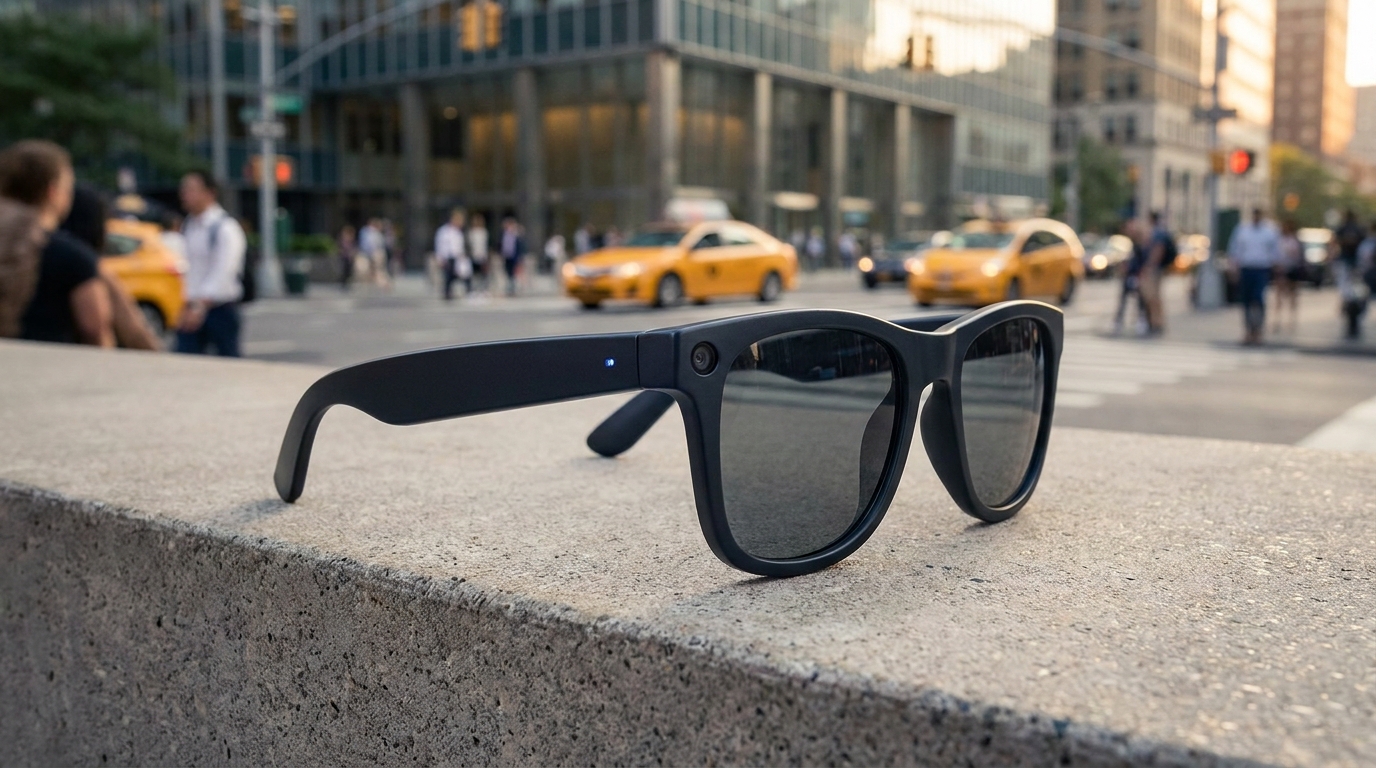
At the heart of Big Tech's persistent failure lies the ubiquitous presence of the camera. The industry fixated on these recording devices, creating a privacy minefield that alienated the mass market. Terms like 'pervert glasses' didn't emerge from nowhere, they reflected a pervasive public distrust of covert recording, a fundamental barrier to mainstream acceptance.
This fixation on cameras obstructed true mass adoption, as we've highlighted repeatedly in Smart Glasses Daily Originals. Even in 2026, the industry has struggled to grasp what 'everyday' truly means, consistently tripping over the mundane reality of average users. The camera's shadow, combined with a lingering focus on niche experiences, continues to alienate.
The privacy concerns are not just anecdotal; they are attracting regulatory scrutiny. A recent LinkedIn discussion underscored how the camera has become the most challenging component for smart glasses to reach the mainstream. Norway's Ministry of Digitalisation, for instance, is actively moving to regulate camera-equipped wearables, specifically targeting functions like facial recognition in public.
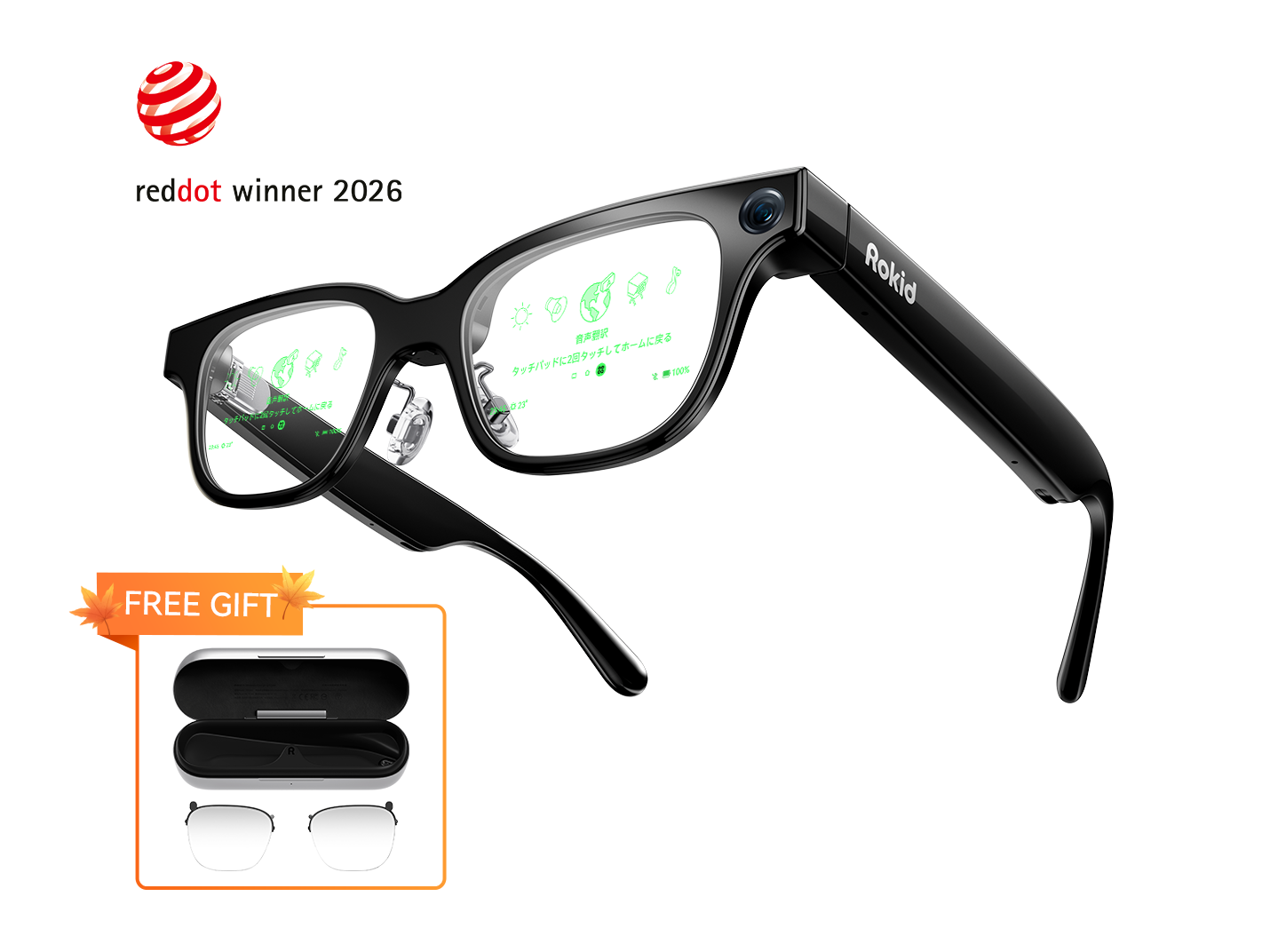
While Big Tech wrestled with public perception and costly hardware, a silent revolution was brewing. Brands like RayNeo, XREAL, and Rokid sidestepped the camera conundrum almost entirely. Their strategy was remarkably simple, deliver a display, not a face computer, proving there was a market for unobtrusive viewing experiences.
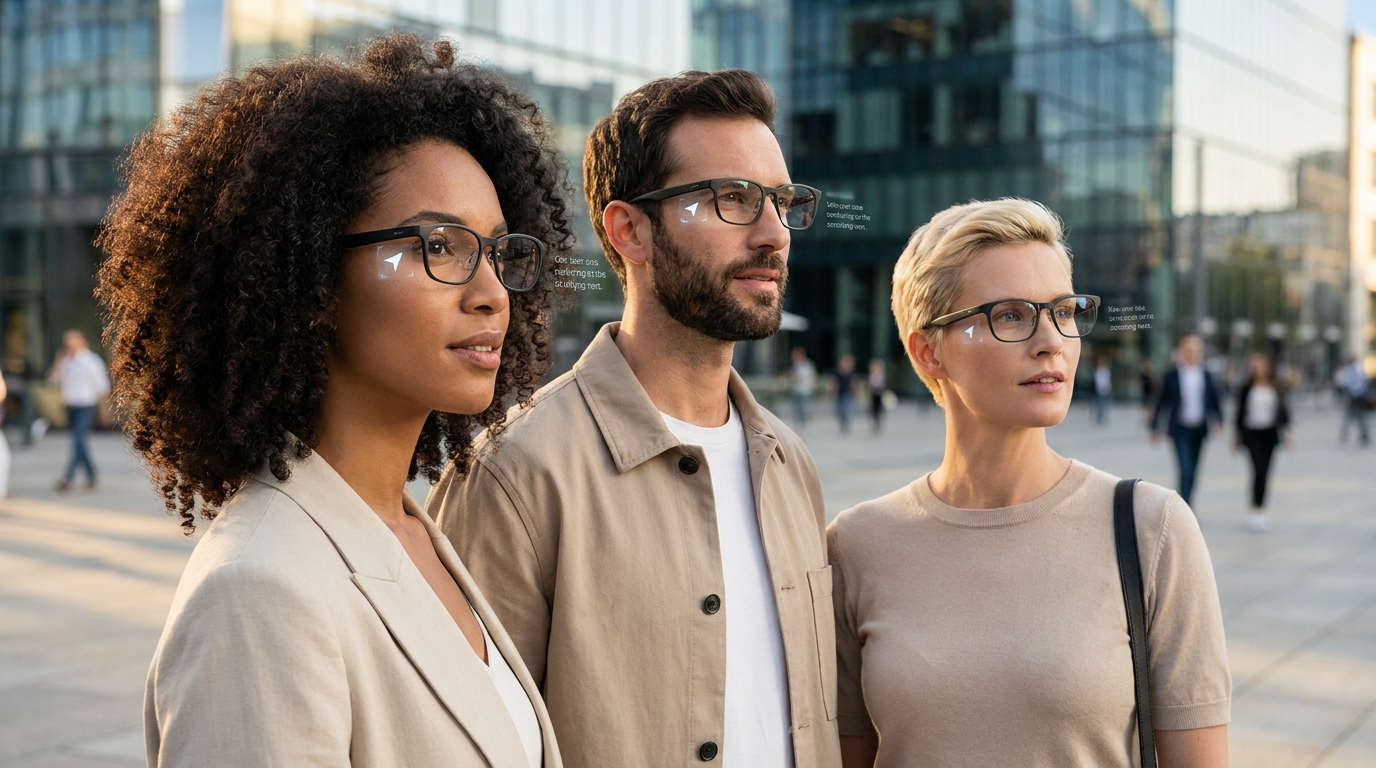
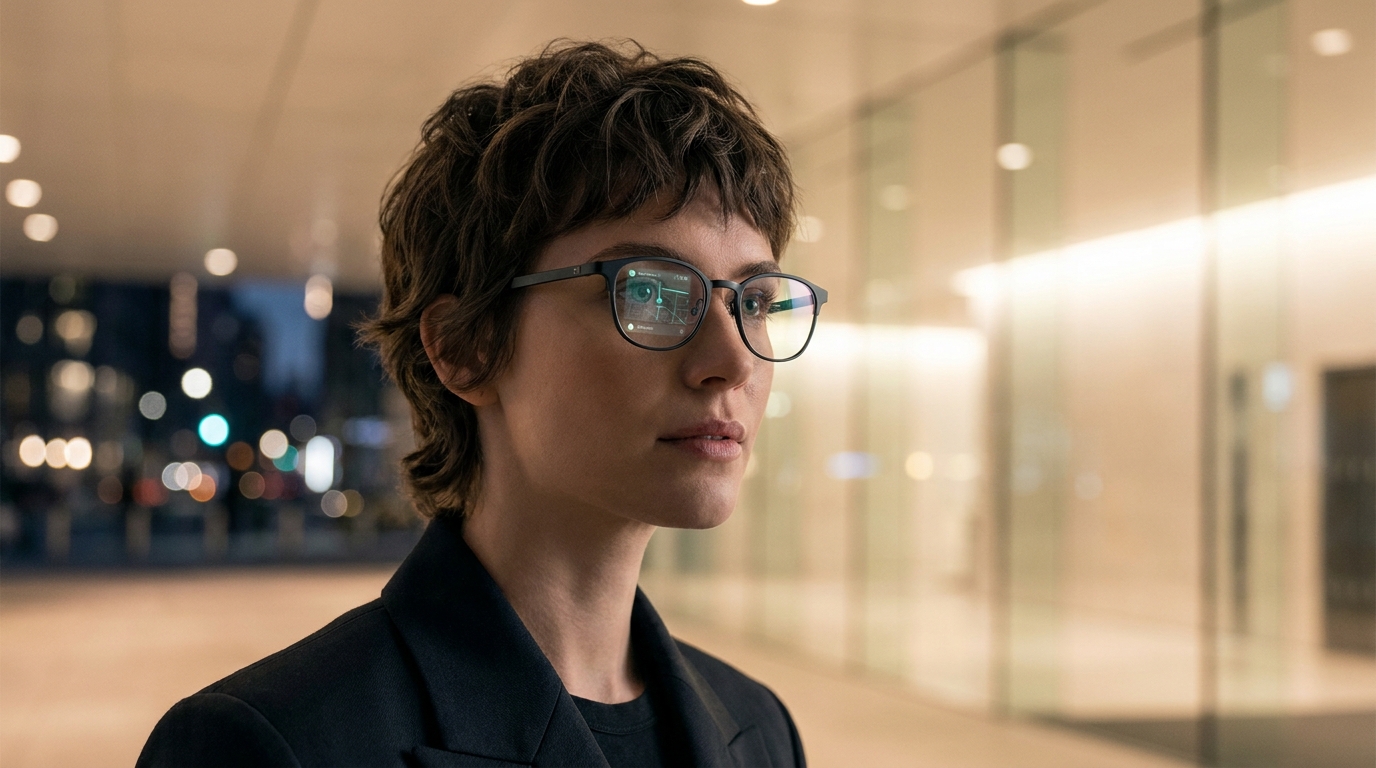
Now, a new wave of brands is taking this display-first philosophy to its logical conclusion, a complete focus on unobtrusive, head-up display, HUD, only eyewear. Even Realities and Brilliant Labs exemplify this crucial pivot. They are quietly redefining everyday smart glasses by prioritizing discreet information delivery over pervasive capture.
These HUD-only glasses finally shed the 'face computer' stigma. They prioritize always-on, trustworthy AI assistance without the privacy baggage. The user gets crucial information, navigation cues, or real-time translations, all without the public's immediate suspicion of being recorded.
Consider the recent recognition at IFA 2026, where a featherlight AI HUD was crowned with an innovation award. The INMO GO3, a binocular monochrome Micro-LED display weighing about 58 grams, was highlighted for its discreet, always-on AI assistance, including translation, AI assistant integration, and hands-free AR navigation. This is a clear market validation.
This shift rewards discreet AI over the previous fixation on immersive XR or high-fidelity spatial computing. While some newcomers, like BleeqUp, are still betting heavily on robust camera hardware and specialized AI for sports and content creation, their approach serves a specific, active niche, not the broad mass market. The BleeqUp Rover, with its tilting 3K camera, is a powerful tool, but it's not a discreet everyday companion.
The industry is splitting, and the mass market is clearly gravitating towards the quiet utility of HUD-only devices. They want assistance that integrates seamlessly into life, not an overt recording device or a demanding immersive experience that isolates them from their surroundings.
The era of chasing 'pervert glasses' money is over. The smart eyewear industry is finally shedding its camera obsession, paving the way for ubiquitous, always-on AI companions that users can trust. This decisive pivot, driven by user distrust and regulatory pressure, redefines what truly matters for mass adoption.
The future of smart glasses for the average person will not be defined by how much it can record, but by how intelligently and discreetly it can assist. The silent comeback of HUD-only glasses is not just a trend, it is a course correction, finally aligning technology with fundamental human needs and public trust.
Interactive guide — prices, displays, cameras, battery.
Share this story