Analysis · —
The Silent Reckoning: HUD-Only Glasses Emerge From Big Tech's Camera Blunders
Big Tech's camera obsession sparked a privacy crisis and stalled mass adoption. Now, a discreet, display-first wave of eyewear, exemplified by brands like Even Realities and Brilliant Labs, is quietly redefining everyday smart glasses.
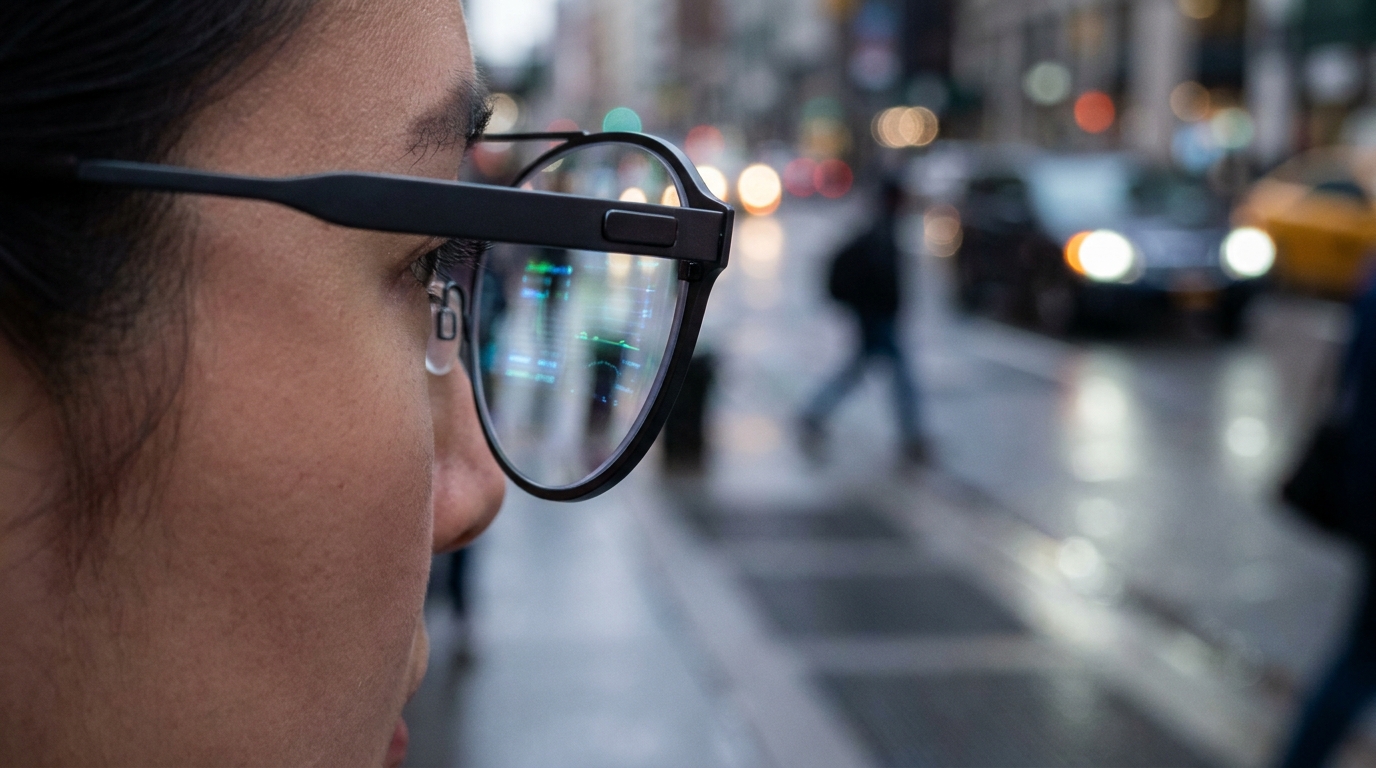
The smart glasses industry has been a chaotic battlefield, littered with the remnants of grand ambitions and unfulfilled promises. For too long, the narrative was dominated by giants fixated on cameras and costly, immersive virtual reality experiences. That era is receding, making way for a silent, yet profound, shift: the quiet comeback of unobtrusive, HUD-only eyewear.
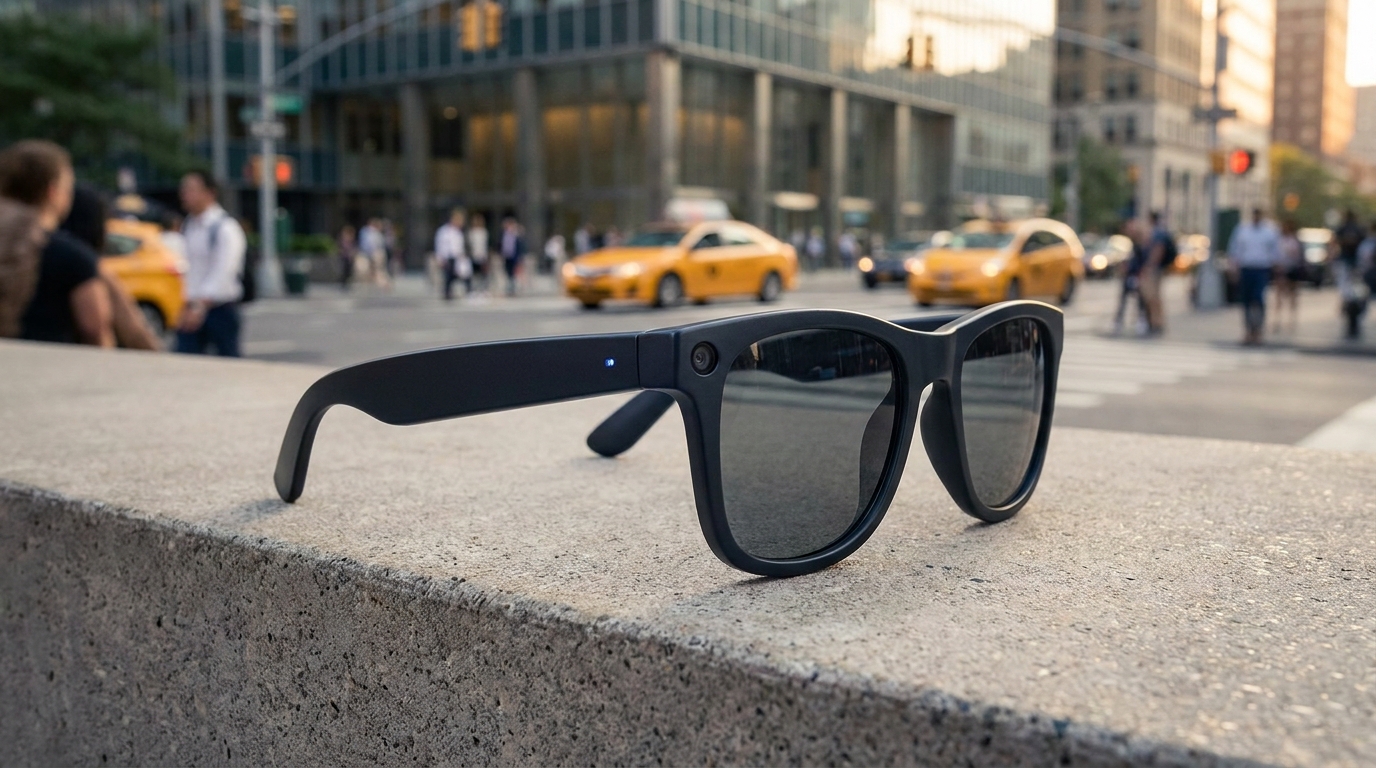
At the heart of Big Tech's persistent failure lies the ubiquitous presence of the camera. The industry fixated on these recording devices, creating a privacy minefield that alienated the mass market. Terms like 'pervert glasses' didn't emerge from nowhere; they reflected a pervasive public distrust of covert recording, a fundamental barrier to mainstream acceptance.
While Apple reportedly pivots from its high-cost Vision Pro ambition, and Meta continues to push Quest 3 with updates like Horizon OS 2.7 for enhanced gaming and features like Loony Laps, these efforts highlight a persistent focus on niche, immersive XR experiences. The mass market, however, consistently yearns for something far more discreet and trustworthy than a 'face computer' designed for virtual worlds.
This camera-centric misdirection directly invited regulatory pushback and public scrutiny. Norway's Ministry of Digitalisation has moved to regulate camera-equipped wearables, citing a clear trend of combining AI with cameras and microphones in everyday devices. Such initiatives underscore that the camera, once perceived as a core asset, has become the biggest obstacle to mainstream adoption.
Even Meta's efforts to secure its Ray-Ban Meta and Oakley Meta smart glasses, with mandatory capture LEDs and continuous recording checks, are reactive bandages on a festering wound, not fundamental solutions to a social problem. The public's clamor for privacy isn't aimed at a lack of an LED indicator; it is aimed at the very presence of a camera in an ostensibly casual device.
The BleeqUp Rover, with its Zeiss Optics and tilting 3K camera, exemplifies the camera-first approach for specific, high-performance use cases like cycling, offering AI hazard detection and impressive recording capabilities. While innovative for its target audience, it exists in a different universe from the mass market utility that privacy-conscious consumers are now demanding.
This fundamental misunderstanding by Big Tech has paradoxically created an unprecedented opportunity for a different kind of innovation. The smart eyewear industry is now shedding its camera obsession, paving the way for ubiquitous, always-on AI companions that prioritize discretion and utility over recording capabilities.
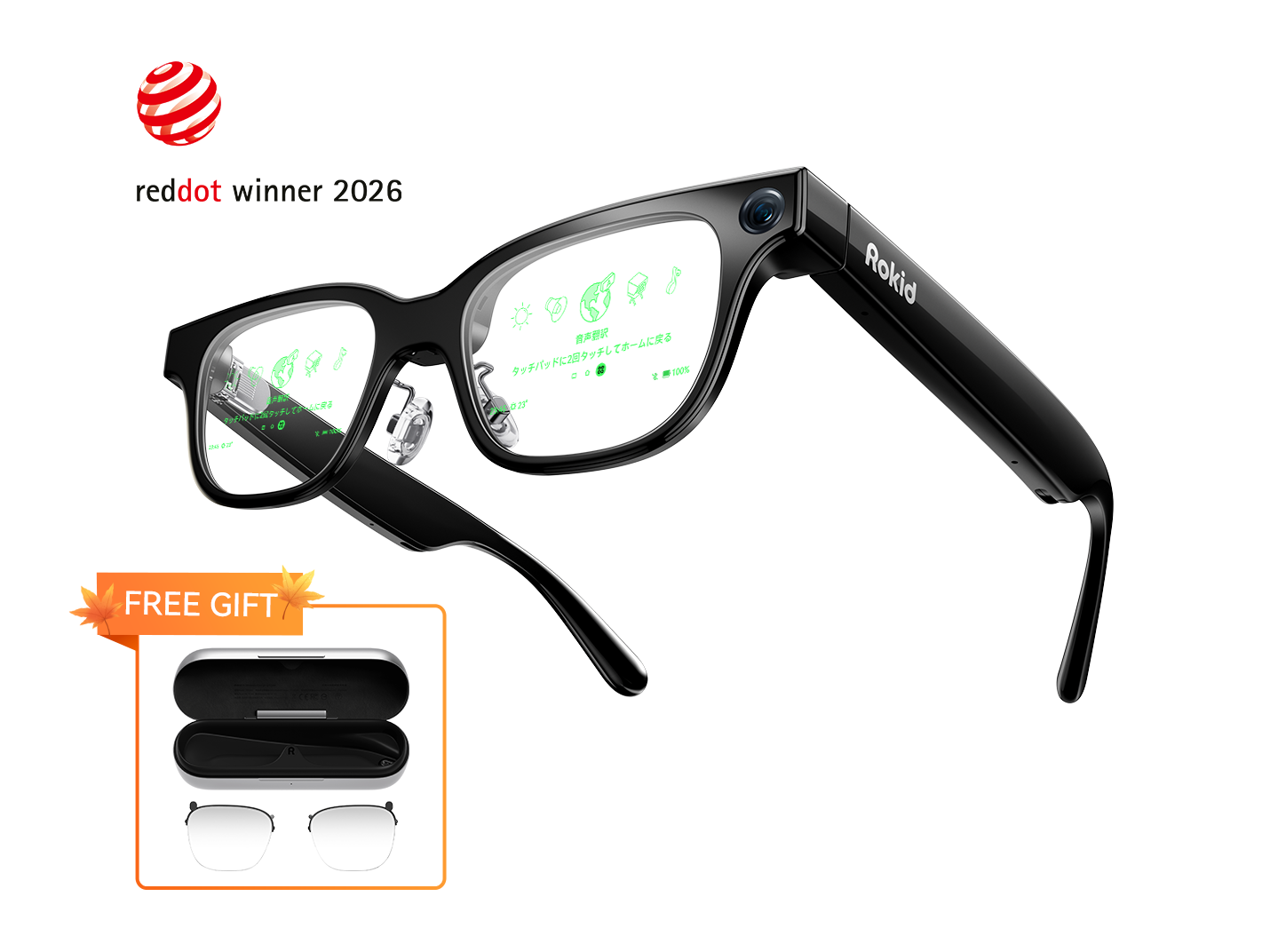
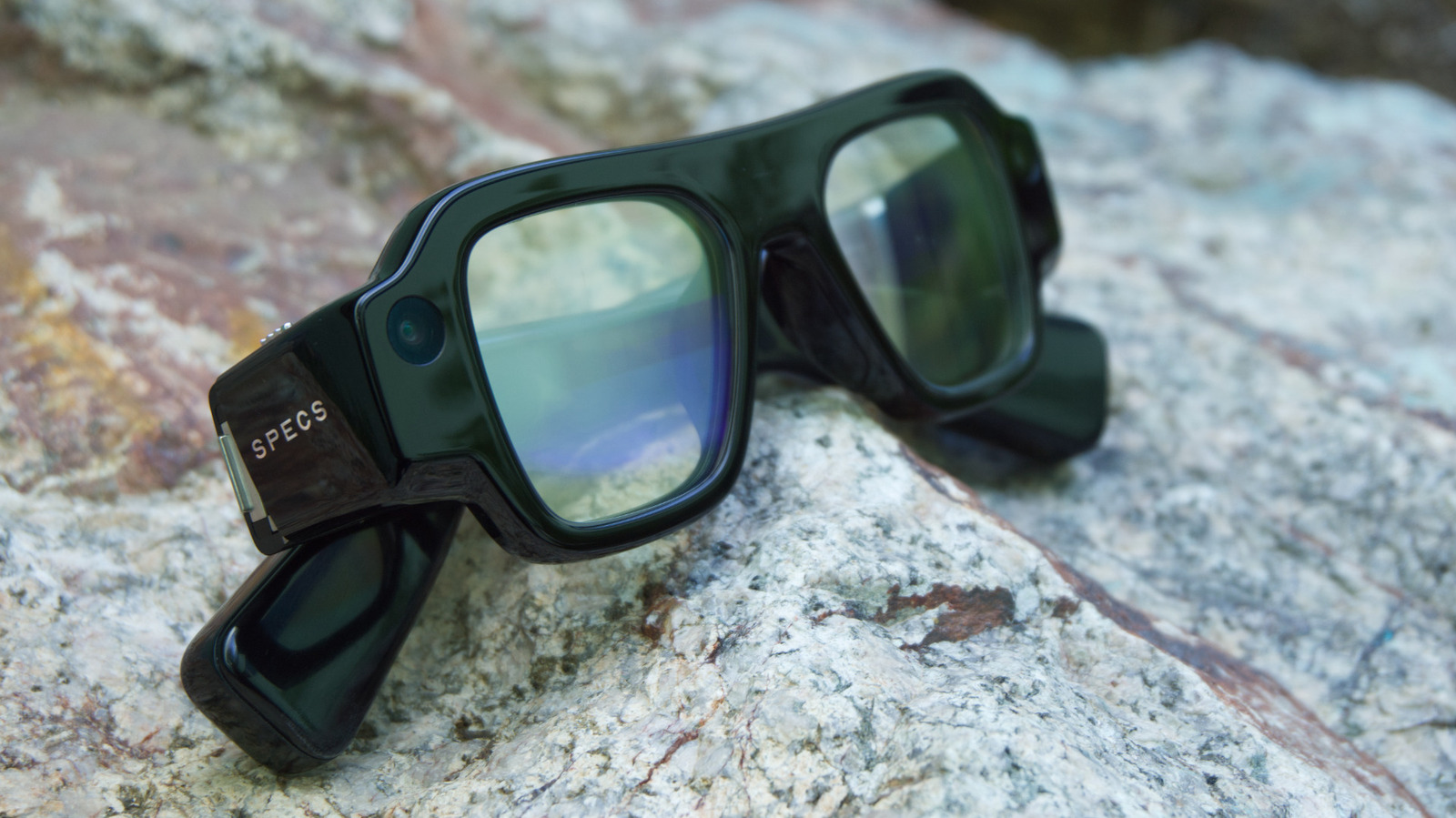
Enter the discreet, display-first wave of eyewear. Brands like Even Realities and Brilliant Labs are leading this charge, building devices that focus on augmented intelligence rather than augmented reality. They understand that the future isn't about capturing the world, but about intelligently interacting with it.
The IFA 2026 Innovation Award for the INMO GO3, a featherlight monochrome HUD at about 58 grams, further validates this market pivot. Its focus on AI translation, an AI assistant powered by ChatGPT and Gemini, and hands-free AR navigation, all without a prominent camera, signals a clear industry recognition of discreet AI as a winning formula.
This new era of smart glasses is being fueled by the silent ascent of AI. Users are looking for intelligence in their periphery: quick information, seamless communication, and intelligent assistance, all without the social baggage or privacy implications of a recording device.
Moreover, the missteps of industry giants have cleared the path for an open-source revolution. Powered by platforms like Android XR and the ingenuity of independent builders, open-source communities are creating diverse, affordable, and privacy-conscious eyewear. Initiatives like Mentra demonstrate how 'hackers' can build the smart glasses Big Tech stumbled on.
This decisive pivot isn't just strategic; it's a profound concession that the mass market was never truly understood. The answer was never a high-fidelity face computer or a ubiquitous recording device. It was always an unobtrusive intelligence, a helpful overlay that empowers users without demanding their constant attention or compromising their trust.
The future of everyday smart glasses is peripheral, not panoramic. It's about fading into the background, providing information when needed, enhancing daily life without alienation. This silent comeback of HUD-only glasses is not just a trend; it's a course correction, redefining what truly matters for mass adoption.
The industry is finally confronting its own glaring blind spots. By shedding the camera obsession, smart eyewear can now truly ascend as a trusted, ubiquitous companion, delivering on the promise of smart living without the privacy minefield that plagued its early iterations.
Interactive guide — prices, displays, cameras, battery.
Share this story