Analysis · —
The Silent Conquest: Why Display-First Smart Glasses Are Winning the War
While camera-laden eyewear sparks privacy panics and budget models flood the market, RayNeo, XREAL, and Rokid are quietly dominating a crucial front. They are seizing the AR display war, proving that utility trumps surveillance.
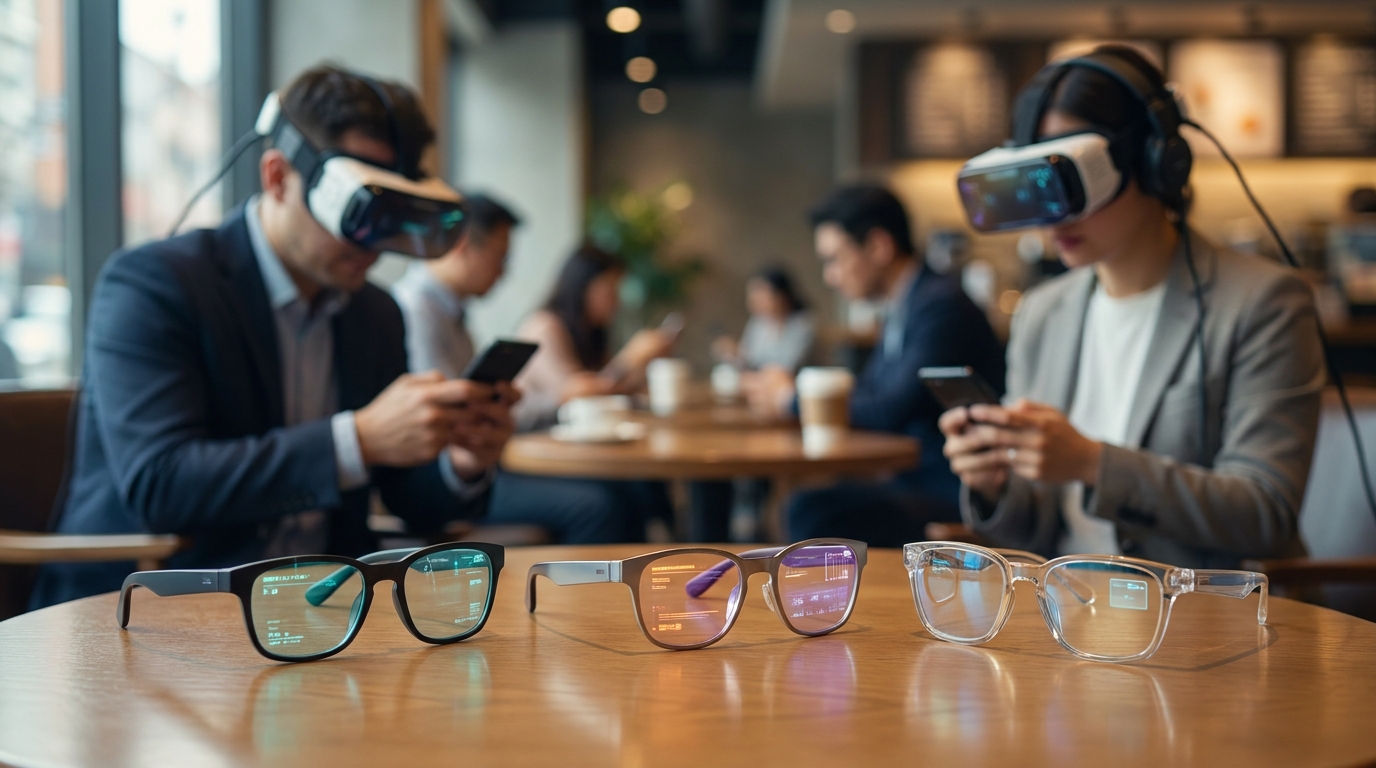
The smart glasses market is a battlefield, fractured and chaotic. On one end, ultra-cheap camera glasses from brands like Anko and BlackSheep flood shelves, disrupting price floors to an astonishing $18. On the other, high-end AR ambitions, like Apple's health-focused headsets, struggle with practical daily wear, highlighting a fundamental disconnect between vision and reality.
Amidst this turbulence, one segment is imploding with spectacular public disdain: the camera-first device. Meta's Ray-Ban smart glasses, once heralded as a subtle entry into wearables, are now a lightning rod for privacy outrage. European regulators, particularly in Germany, are escalating calls for bans, citing concerns about surreptitious data collection and public acceptance.
The backlash is not abstract. Reports confirm a TikToker is under police investigation for covertly filming hundreds of strangers with Meta smart glasses, showcasing the technology's immediate, negative social impact. These incidents, coupled with the EU's increased scrutiny, are hammering the reputation of any smart eyewear that prioritizes discreet recording over user transparency.
Even the budget camera glasses, despite their rapid sell-out, are not immune. Kmart's Anko camera glasses, retailing at $89 in Australia, were quickly labeled a "privacy nightmare" by digital rights experts. Xgimi's MemoMind One, with its focus on continuous audio capture, also immediately ignited ethical debates. The market is clearly rejecting devices perceived as surveillance tools.
This leaves a gaping void. Consumers are hesitant to embrace devices that turn everyday life into a potential recording session. Meanwhile, the grand vision of full-blown AR computers remains largely confined to enterprise or unwieldy headsets, as Apple's challenges with Vision Pro's weight and practicality for active use demonstrate.
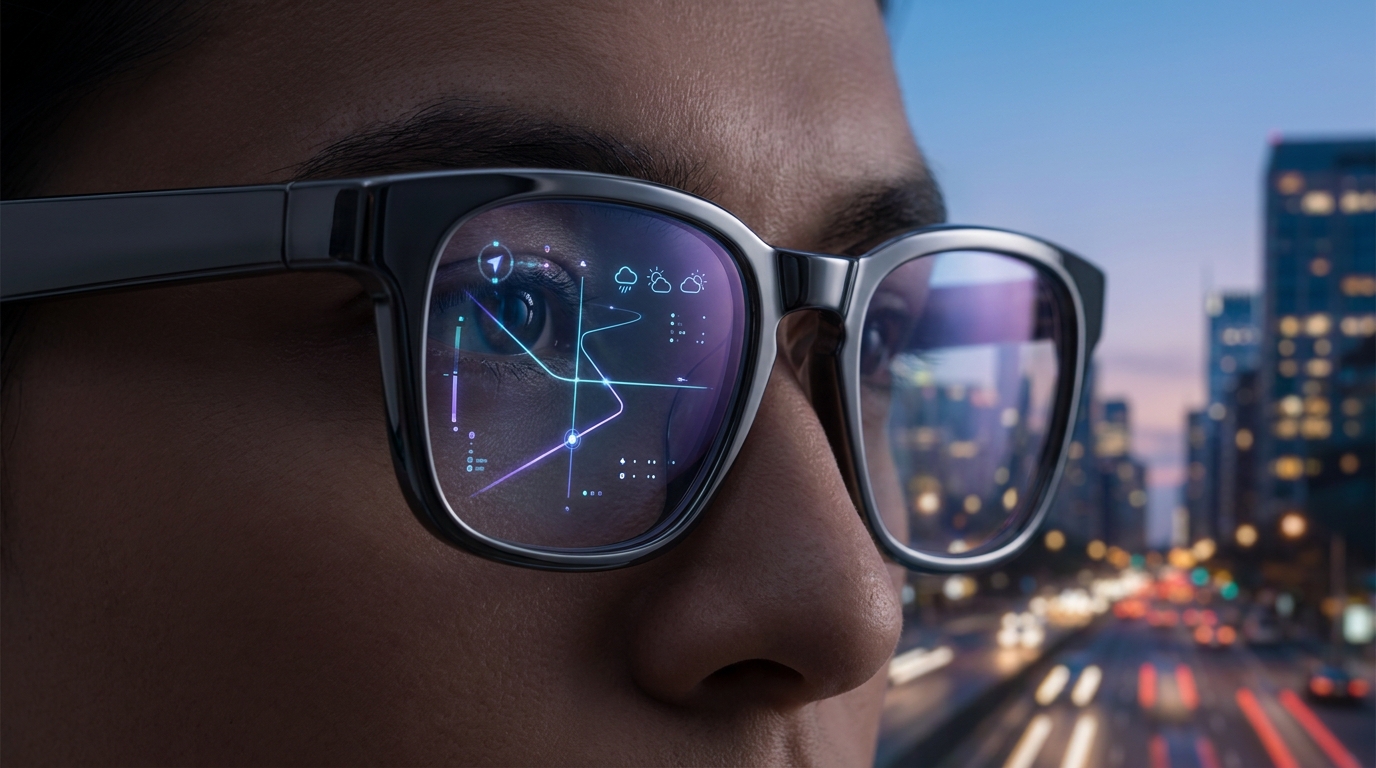
Into this fractured landscape, a different breed of smart eyewear is making silent but significant gains. This is where the true fight for adoption in the display category is being won, not by recording the world, but by augmenting the user's personal view of it. Companies like RayNeo, XREAL, and Rokid are leading this charge.
These brands have shrewdly sidestepped the privacy quagmire that has ensnared Meta and its ilk. Their core proposition is not about capturing the external world, but about providing a personal, portable, and often cinematic display experience. They offer a visual extension, a private screen for productivity, entertainment, or light AR overlays, without the social stigma of an always-on camera.
Crucially, the broader market trends support their strategy. While camera-and-audio glasses are commoditizing into dirt-cheap novelty items, the "display category presents a split bet," as recent market data confirms. But within that split, strong waveguide adoption is surging, directly benefiting players like RayNeo, XREAL, and Rokid who heavily leverage this technology for crisp, compact visual experiences.
Their success lies in a pragmatic approach. They are not chasing the holy grail of an all-encompassing, camera-heavy AR computer that still feels years away from mainstream acceptance. Instead, they are delivering on a tangible, immediate need: a high-quality, discreet screen that users can take anywhere, whether it's for work, gaming, or content consumption.
Viture, with its Pro 2 smartglasses priced at $299, exemplifies this refined focus, prioritizing comfort and eye strain reduction over invasive features. This competitive landscape further validates the display-first strategy, emphasizing user experience and visual quality above all else.
While EssilorLuxottica reports significant AI glasses revenue growth and profitability, contrasting sharply with Meta Reality Labs' losses, the underlying truth is clear. The profit and power in smart glasses are gravitating towards optics that serve the user, not surveil the public. The scramble for capital at the component level, especially in waveguides, further indicates where the real technological investment is heading.
RayNeo, XREAL, and Rokid are not waiting for a utopian converged device. They are building the practical, display-centric future of smart glasses, one pair at a time. By offering clear utility, eschewing privacy pitfalls, and leveraging advanced display technology, they are quietly, confidently, winning the AR display war.
Interactive guide — prices, displays, cameras, battery.
Share this story