Analysis · —
The Silent Conquest: How Display-First Glasses Are Winning the AR War
While Meta burns billions on a defensive platform bet and the market floods with $18 AI claims, RayNeo, XREAL, and Rokid are quietly securing the future of smart eyewear.
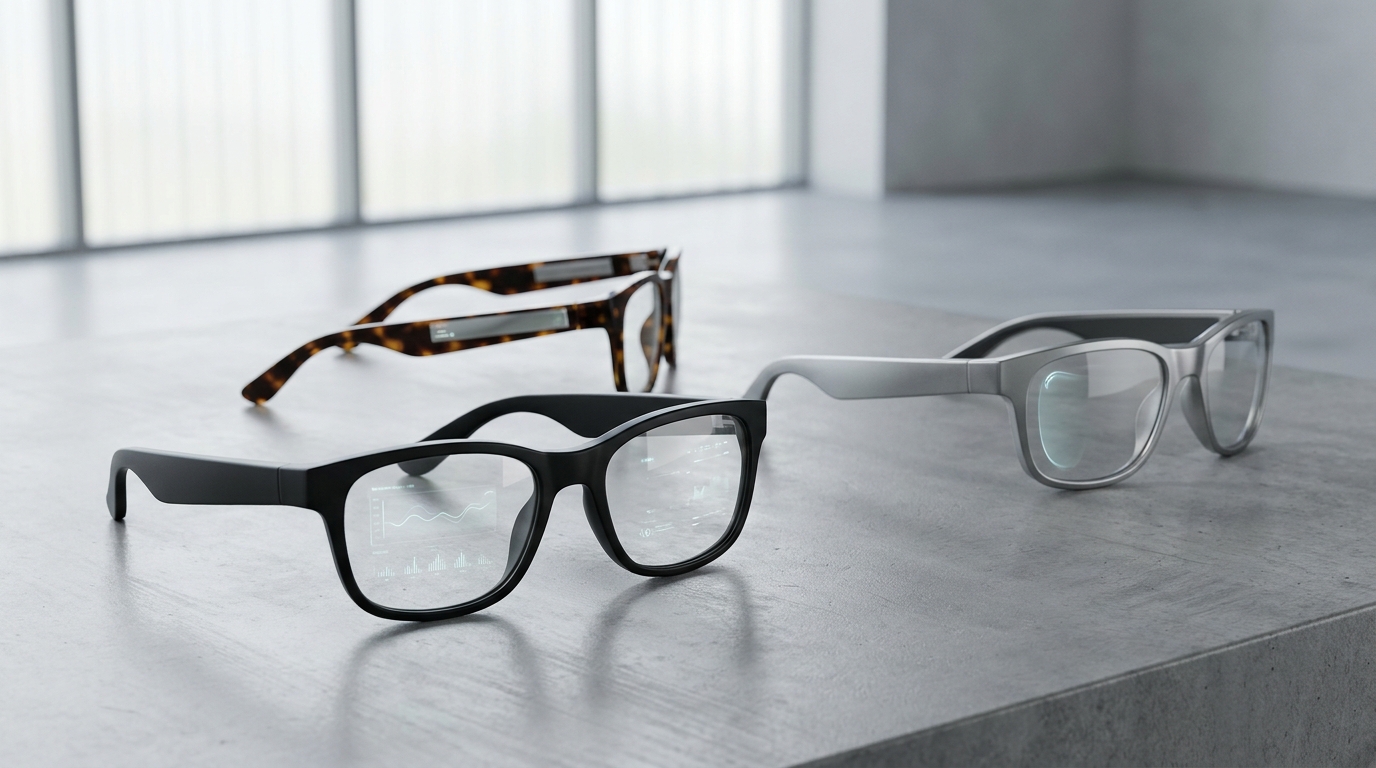
The smart glasses market is a fractured, chaotic battleground. On one extreme, we witness Meta's colossal, strategic defensive platform bet, reportedly tallying around $88 billion in cumulative operating losses since late 2020. This financial bleed, as Tony Leone observes, is a long-term play, aiming to insulate Meta from reliance on external hardware ecosystems, yet its immediate consumer product remains nascent and fraught with complications.
Meta's current offering, the Ray-Ban Meta AI smart glasses, embodies this paradox. While high-end customizers like Caviar are busy unveiling gold-plated 'Odyssey' editions for nearly $7,000, signaling a luxury lifestyle angle, the core utility of these devices is still largely tied to an integrated camera and audio. This focus, while subtle, has become a lightning rod for privacy concerns, especially from European regulators.
The market's other extreme is equally bewildering. Just weeks ago, the Kwenrun ChatGPT AI Smart Glasses landed on Amazon with an eye-popping $18 price tag, prompting immediate skepticism regarding any genuine AI capabilities. This follows the likes of Anko's $58 camera glasses and BlackSheep's $18 models, establishing a ludicrously low price floor that commoditizes the very concept of 'smart' eyewear.
In this race to the bottom, the actual utility often gets lost. Xiaomi's new Mijia Smart Audio Glasses, priced at a competitive €234.40, offer an audio-first, voice-controlled experience, positioning themselves as a value-driven alternative to Ray-Ban Meta. Viture's Pro 2 AR glasses, at $300, focus on thinness, lightness, and comfort for screen mirroring. These products, while addressing accessibility and ergonomic comfort, still represent a fragmented approach to smart eyewear's true potential.
But amidst this cacophony of speculative platforms, luxury customizations, and bargain-bin 'AI,' a distinct and formidable front is emerging. While others battle for mindshare over camera features or price points, RayNeo, XREAL, and Rokid are quietly, methodically winning the crucial AR display war. Their strategy is a masterclass in focused utility over feature sprawl.
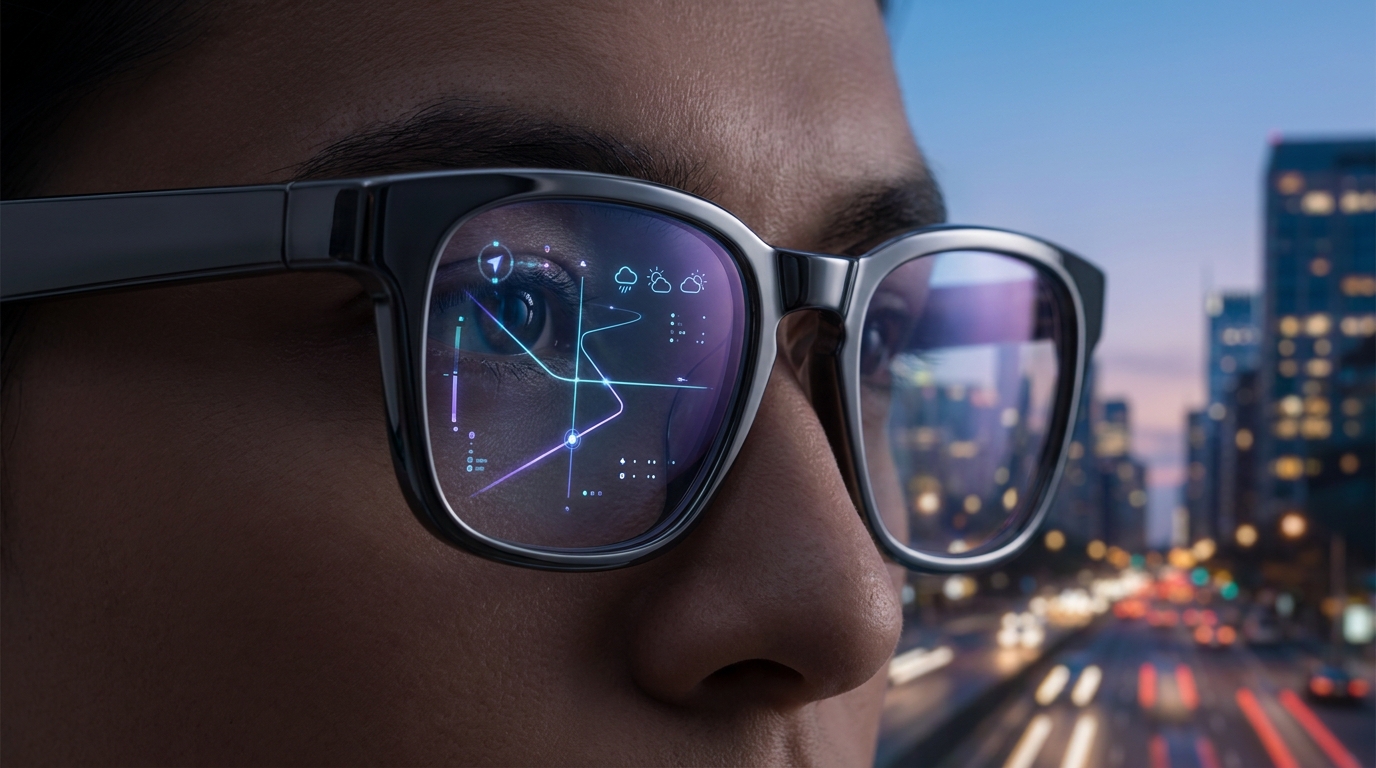
These brands understand that the real future of smart glasses, beyond audio connectivity or discreet photography, lies in seamlessly integrated, high-quality visual information. They are not merely extending a phone screen or offering rudimentary notifications; they are building the foundation for true augmented reality, where digital content enhances the physical world in a practical, comfortable form factor.
The emphasis on robust AR displays side-steps many of the public relations nightmares plaguing camera-first devices. Where Ray-Ban Meta faces escalating calls for bans over surveillance fears, display-centric glasses offer a non-invasive value proposition: information at a glance, spatial computing, and immersive media consumption, all while respecting privacy boundaries.
This 'silent conquest' is not about flashy headlines or billion-dollar losses. It is about building a product category that genuinely solves problems and enhances daily life. While Meta burns capital on a future platform it hopes to own, and budget brands flood the market with dubious claims, RayNeo, XREAL, and Rokid are earning user trust through consistent delivery of visual utility.
EssilorLuxottica's recent report, indicating that its AI glasses revenue nearly doubled year-over-year and its wearables line is now profitable, further underscores this point. This success is not rooted in a sprawling metaverse vision, but in focused, tangible value at the component and product level, often supporting these very display-first experiences. It demonstrates that specific, valuable utility, even if niche, generates real revenue.
The broader market's current fixation on price wars and the 'everything-but-the-kitchen-sink' approach from some players are mere distractions. The real innovation and sustainable growth are happening behind the scenes, driven by companies committed to perfecting the visual interface, not just the audio output or a covert camera.
The path to widespread adoption for smart glasses will not be paved by gold-plated vanity projects or misleadingly cheap AI claims. It will be forged by devices that offer genuine, reliable utility, discreetly delivered through superior display technology. This is precisely the battleground where RayNeo, XREAL, and Rokid are building their undeniable lead.
Their focus on quality AR displays, rather than chasing every fleeting trend or attempting to dominate an entire ecosystem from day one, sets them apart. They are proving that in the fragmented world of smart eyewear, winning the display war is not just about pixels, it is about delivering practical value that earns user adoption, one refined visual experience at a time.
Interactive guide — prices, displays, cameras, battery.
Share this story