Analysis · —
The Silent Comeback: Why HUD-Only Glasses Are Finally Winning Over Users
The smart glasses industry's camera obsession sparked a privacy crisis, stalling mainstream adoption. Now, a discreet, display-first wave of eyewear, exemplified by brands like Even Realities and Brilliant Labs, is quietly redefining the future of everyday smart glasses.

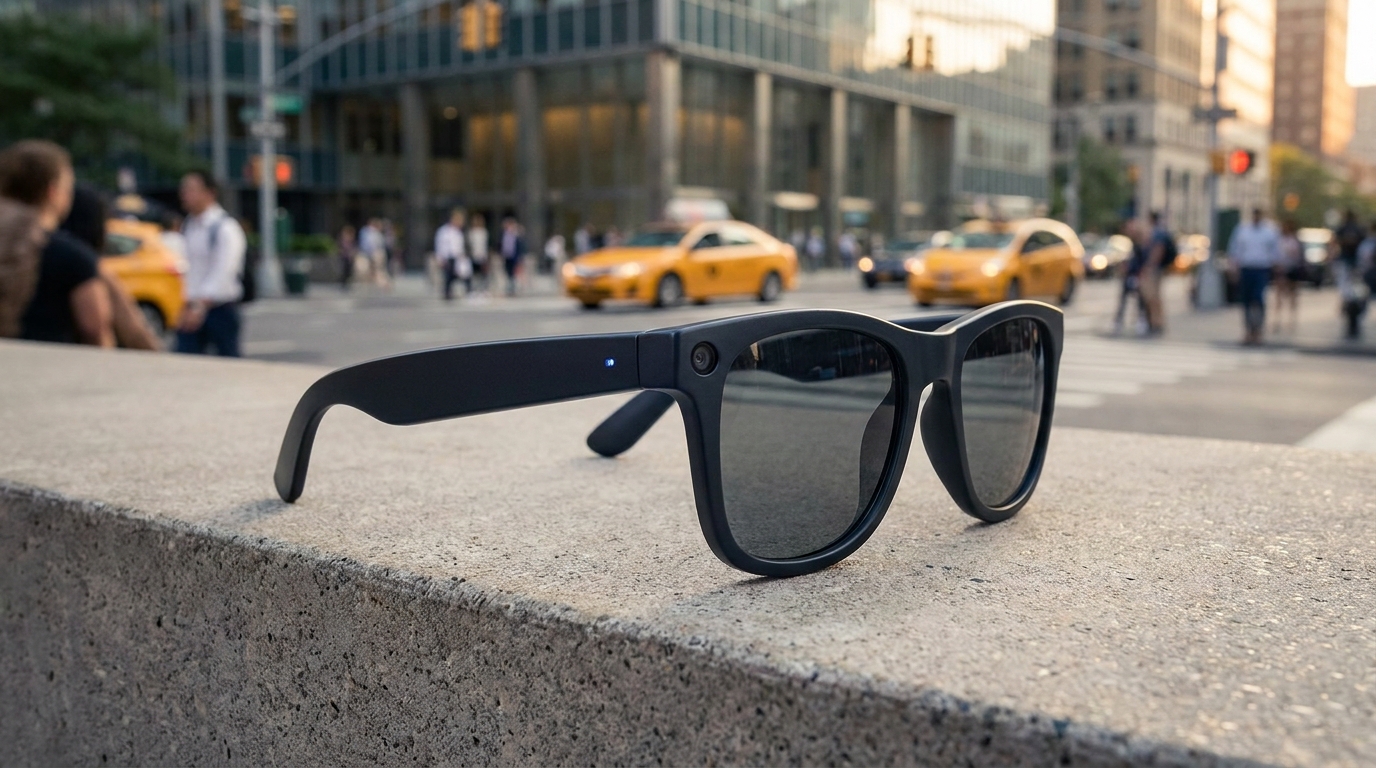
For too long, the smart glasses industry fixated on cameras, creating a privacy minefield that alienated the mass market. Terms like 'pervert glasses' didn't emerge from nowhere; they reflected a pervasive public distrust of covert recording. Even Meta's recent mandatory capture LED updates for Ray-Ban Meta and Oakley Meta, while an attempt at transparency, are reactive bandages on a festering wound, not fundamental solutions to a social problem.
This camera-centric approach created a barrier to entry that has persisted for years. While headlines screamed about Meta's 'kill switch' patents and privacy fixes, the underlying issue remained unaddressed. The public's clamor for privacy isn't aimed at a lack of an LED indicator; it is aimed at the very presence of a camera in an ostensibly casual device.
Now, a profound recalibration is underway. The grand visions of high-fidelity spatial computing, once epitomized by Apple's Vision Pro, are giving way to a more pragmatic reality. Apple is reportedly trimming its Vision Pro teams and pivoting towards 'Meta-like AI smart glasses,' signaling a clear shift away from virtual escapism towards ubiquitous, always-on AI assistants.
This strategic pivot redefines the hardware requirements for smart eyewear. For many core AI assistant functions, a camera isn't strictly necessary. Voice input, contextual awareness from other sensors, and discreet visual cues through a display can deliver immense value without the privacy overhead.
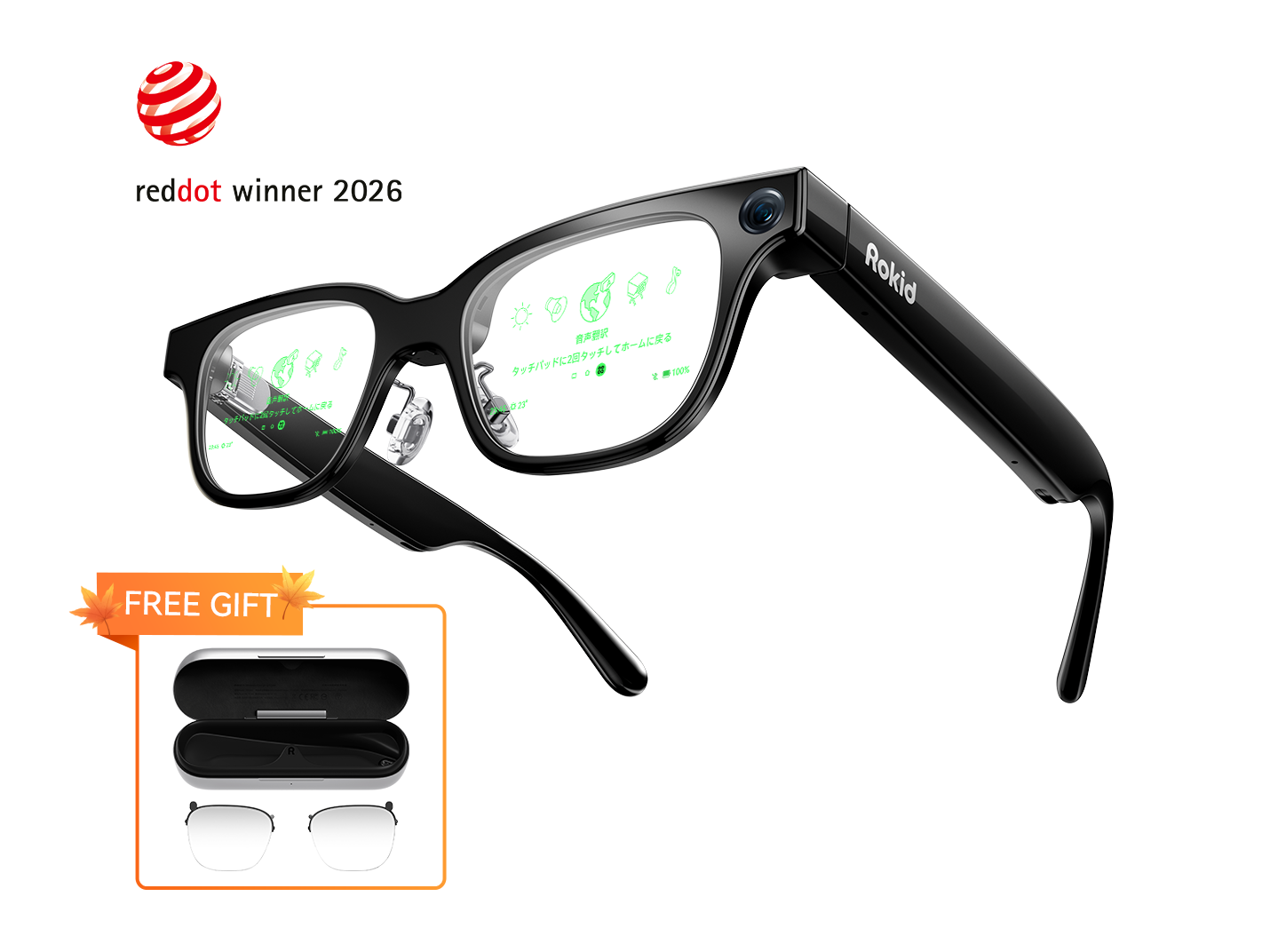
This shift creates fertile ground for the silent comeback of HUD-only glasses. These devices prioritize the display as the primary interface, delivering information and interaction without the baggage of surveillance. It's a return to core utility and discretion, fostering trust rather than demanding it.
Brands like Brilliant Labs embody this philosophy, focusing on minimal, lightweight form factors driven by AI, not image capture. Their approach understands that the future of wearable AI lies in seamless, unobtrusive assistance, where the 'invisible AI' operates without making users or bystanders feel observed.
Similarly, Even Realities is tapping into this demand for discreet utility, offering glasses that focus purely on enhancing perception and delivering relevant information. By eschewing cameras, these companies bypass the immediate privacy concerns that have plagued devices like the Meta Ray-Bans, making their products inherently more palatable for daily use.
A key enabler for this HUD-only future is modularity, as championed by concepts like XRPAK's 'Portable Spatial Computer.' By detaching the 'brain' from the glasses themselves, manufacturers can create ultra-light, aesthetically pleasing frames that are effectively just displays. This architecture solves persistent challenges of heat, battery life, and bulk in one stroke.
This modular design also allows for more powerful AI processing to be offloaded to a pocketable device, freeing the glasses to be elegant, comfortable, and, crucially, camera-free. The smart glasses become a pure interface for intelligence, rather than a bulky, all-in-one computer strapped to your face.
The emerging Android XR ecosystem further supports this diversification. Poised to become a foundational operating system, Android XR can power a new wave of affordable, privacy-conscious eyewear, enabling a broader range of display-first devices. This open platform fosters innovation beyond proprietary, camera-heavy walled gardens.
Even current display-focused applications, like the ASUS ROG XREAL R1 Edition 20 Gaming AR Glasses bundle, highlight the power of display-centric experiences. While XREAL typically incorporates cameras, the bundling emphasizes the immersive visual aspect for specific use cases, where the display is the primary value proposition.
This quiet resurgence isn't about flashy new AR effects; it's about addressing fundamental user needs for discretion and trust. The narrative of 'Smart Glasses 2026: Still Blind to the Everyday User' is shifting, as designers finally grasp that ubiquitous AI doesn't need to be visually aggressive or privacy-invasive.
The industry is learning that for mass market adoption, sometimes less truly is more. The silent comeback of HUD-only glasses signifies a maturity, a recognition that the most powerful AI in eyewear might just be the one you barely notice, focusing on elegant display rather than the contentious lens.
Interactive guide — prices, displays, cameras, battery.
Share this story