Analysis · —
The Silent Comeback of HUD-Only: Why Cameras Are Killing Smart Glasses
The 'pervert glasses' stigma is crippling the camera-first smart eyewear market, forcing a quiet but significant pivot. We're witnessing a strategic return to augmented displays over intrusive recording, redefining what 'smart' truly means.
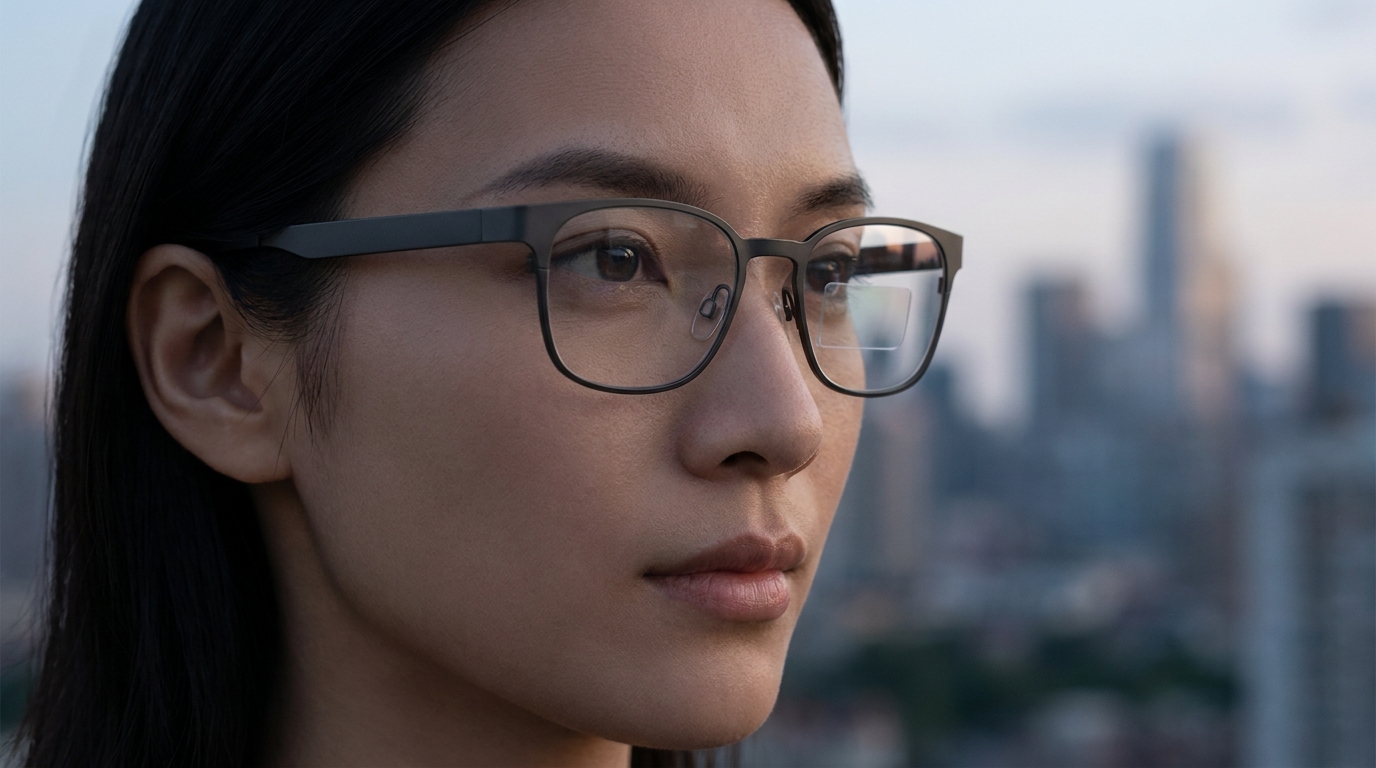
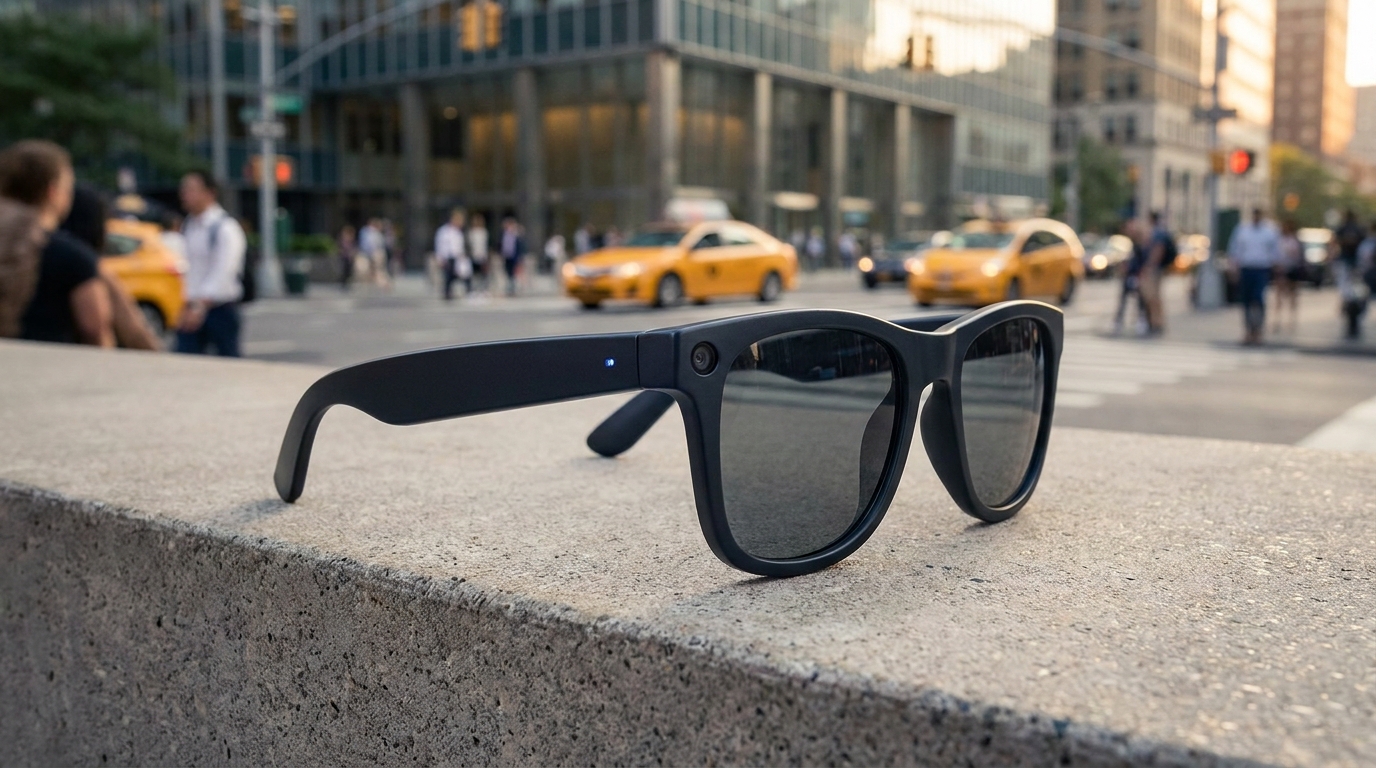
The smart glasses industry is trapped in a quagmire of its own making, repeatedly stumbling over the same privacy tripwires. From Meta's Ray-Ban lineup to Even Realities' G2, the pervasive focus on discreet, always-on cameras has cultivated a public perception so toxic it borders on outright rejection. Devices designed for seamless integration are instead branded 'pervert glasses,' imposing an "undue social burden" on wearers and actively "killing the vibe" for any potential mainstream adoption.
This isn't a minor PR hiccup; it's a fundamental misunderstanding of user acceptance. Meta's repeated attempts to bolster privacy controls, including new enforcement policies and Instagram's ban on harassing videos filmed with smart glasses, are "failing to convince skeptics." Samsung's forthcoming Android XR glasses, while promising, include a mandatory, tamper-proof LED indicator that disables the camera if blocked, a stark admission of the industry's failure to design for trust from the outset.
The current camera-centric paradigm has prioritized surveillance over assistance, documentation over augmentation. It asks users to navigate a minefield of social etiquette and ethical dilemmas, all while struggling to find compelling, non-controversial use cases. The outcome is predictable: public backlash, regulatory scrutiny, and a burgeoning market segment struggling to justify its existence beyond novelty.
Yet, beneath the surface of this turmoil, a silent revolution is brewing, or perhaps, a quiet restoration. We are witnessing the overdue comeback of heads-up display (HUD)-only smart glasses, devices that prioritize informational overlay and discrete AI assistance over covert recording. This shift isn't about abandoning innovation; it's about recalibrating it to align with actual human needs and societal comfort.
Apple, with its characteristic deliberation, appears to be reading the room. Its long-anticipated AI smart glasses, now slated for a WWDC 2027 debut and late 2027 launch, are reportedly prioritizing privacy above all else. This isn't just a marketing ploy; it's a strategic move to differentiate from competitors drowning in privacy controversies.
Sources indicate Apple's approach will involve avoiding facial recognition, minimizing cloud data transfer in favor of on-device processing, and prohibiting the use of customer recordings for AI model training. This stance directly contrasts with the 'capture everything' ethos that has plagued earlier devices. By focusing on privacy, Apple signals a future where smart eyewear augments the wearer's reality without intruding on others'.
While Even Realities G2 recently sparked an ethics debate over its potential for covert AI recording, the underlying appeal of its minimalist form factor, one that could theoretically prioritize a sophisticated AI interface, points to this larger trend. The ambition of integrating powerful AI into discreet eyewear remains compelling, but the execution must fundamentally shift away from surreptitious cameras. Imagine the AI capabilities without the social burden.
This is where companies like Brilliant Labs, though not in the recent news cycle, represent the true North Star. Their focus has always been on delivering intelligent, context-aware information directly to the wearer's line of sight, often without the social baggage of a prominent camera. The value proposition here is about enhancing personal awareness and productivity, not collecting raw visual data from unsuspecting bystanders.
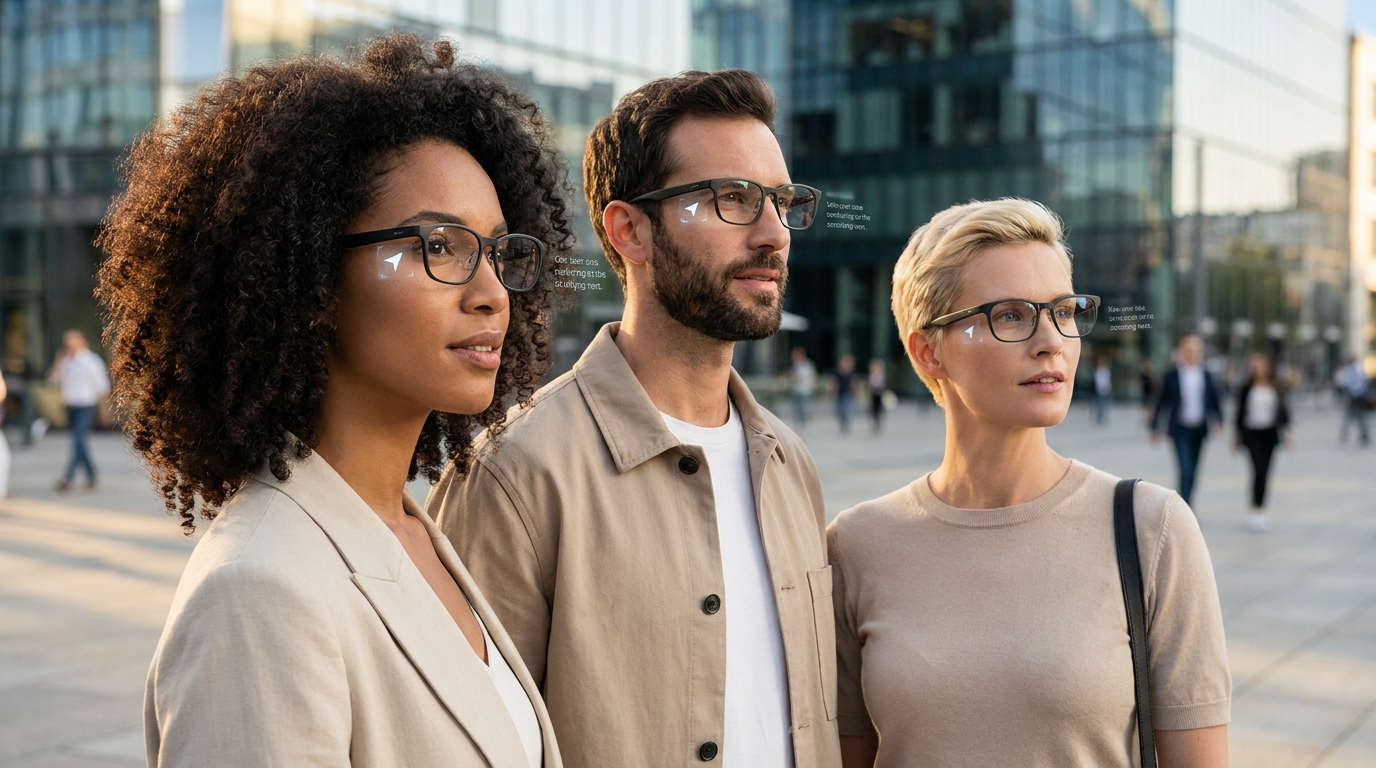
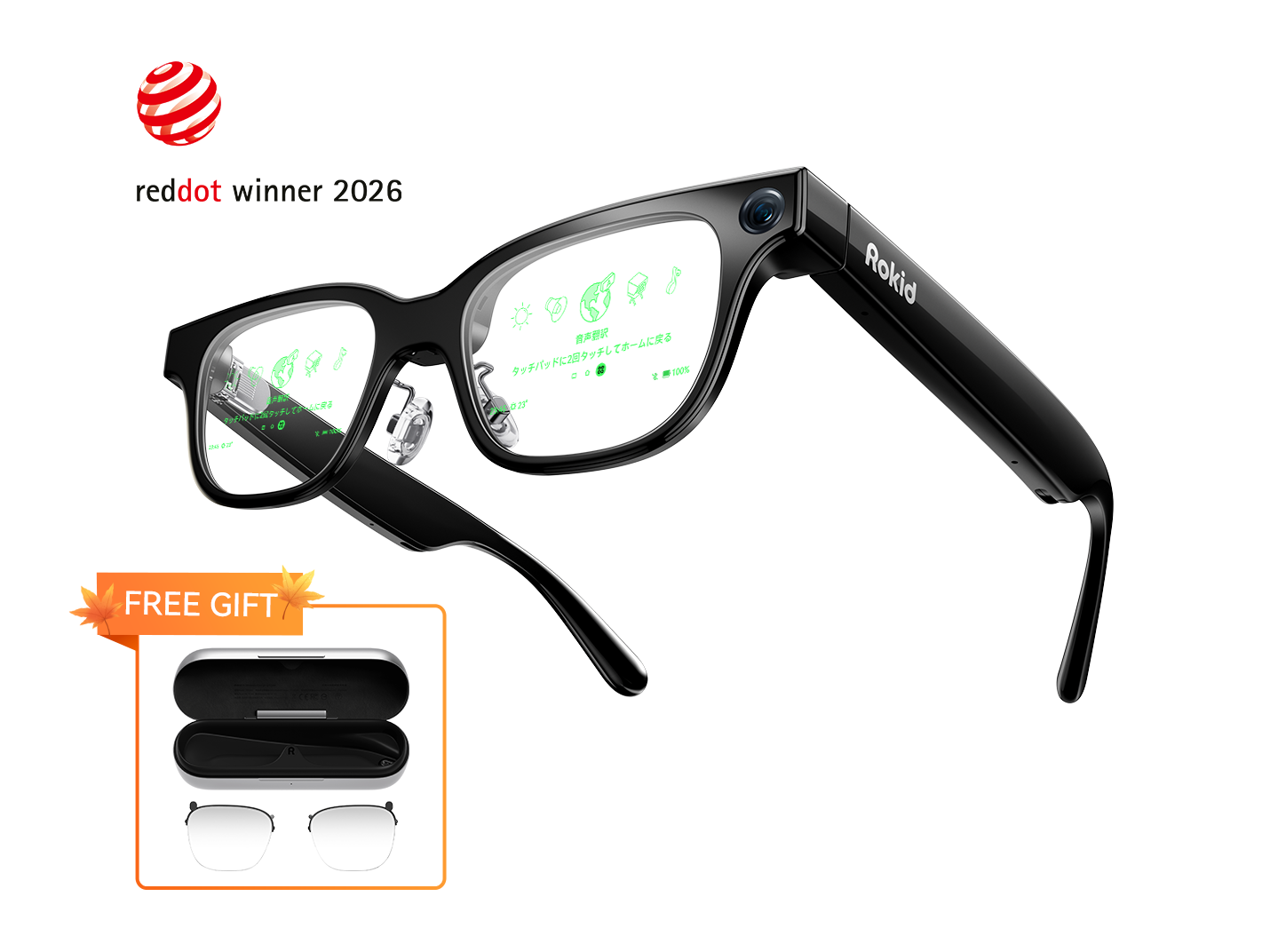
The appeal of HUD-only is clear: it removes the primary source of public anxiety. Without a conspicuous camera, smart glasses can shed the 'pervert' label and move closer to being accepted as genuine personal computing devices. They become less about external capture and more about internal augmentation, providing glanceable information, real-time translations, or intelligent prompts without raising a single eyebrow.
The industry's struggle is a hard lesson. The public has rejected the notion of ubiquitous, unchecked recording, forcing a return to fundamentals. The future of smart glasses is not about what they can secretly capture, but what they can transparently deliver directly to the user's perception.
This shift will likely accelerate development in display technology, on-device AI processing, and intuitive user interfaces that don't rely on constant visual data streams. The focus will be on seamless, private interaction, where the device serves as an intelligent assistant, not a surveillance tool.
As Apple prepares its entry, its privacy-first strategy will undoubtedly set a new benchmark, potentially pushing the entire industry towards more responsible design. The companies that learn from Meta's struggles and embrace a privacy-centric, HUD-first approach will be the ones that ultimately succeed in bringing smart glasses to the mainstream.
The market is demanding a course correction. The 'pervert glasses' moniker isn't just a catchy insult; it's a stark indictment of a failed product philosophy. Consumers want utility and intelligence, not social friction and ethical quandaries.
The silent comeback of HUD-only smart glasses is not a step backward, but a forward leap towards a more mature, acceptable, and ultimately, more impactful era for wearable technology. It redefines smart eyewear from a recording device into a true personal augmentation system.
Interactive guide — prices, displays, cameras, battery.
Share this story