Analysis · —
The Silent AR Screen Kings: Why RayNeo, XREAL, Rokid Are Winning Where Giants Fail
While Meta, Samsung, and Apple pivot or delay their smart glasses, the true AR display war is being quietly won by dedicated hardware innovators. Their focus on mature, reliable optical systems is setting the industry standard for on-face visual computing.
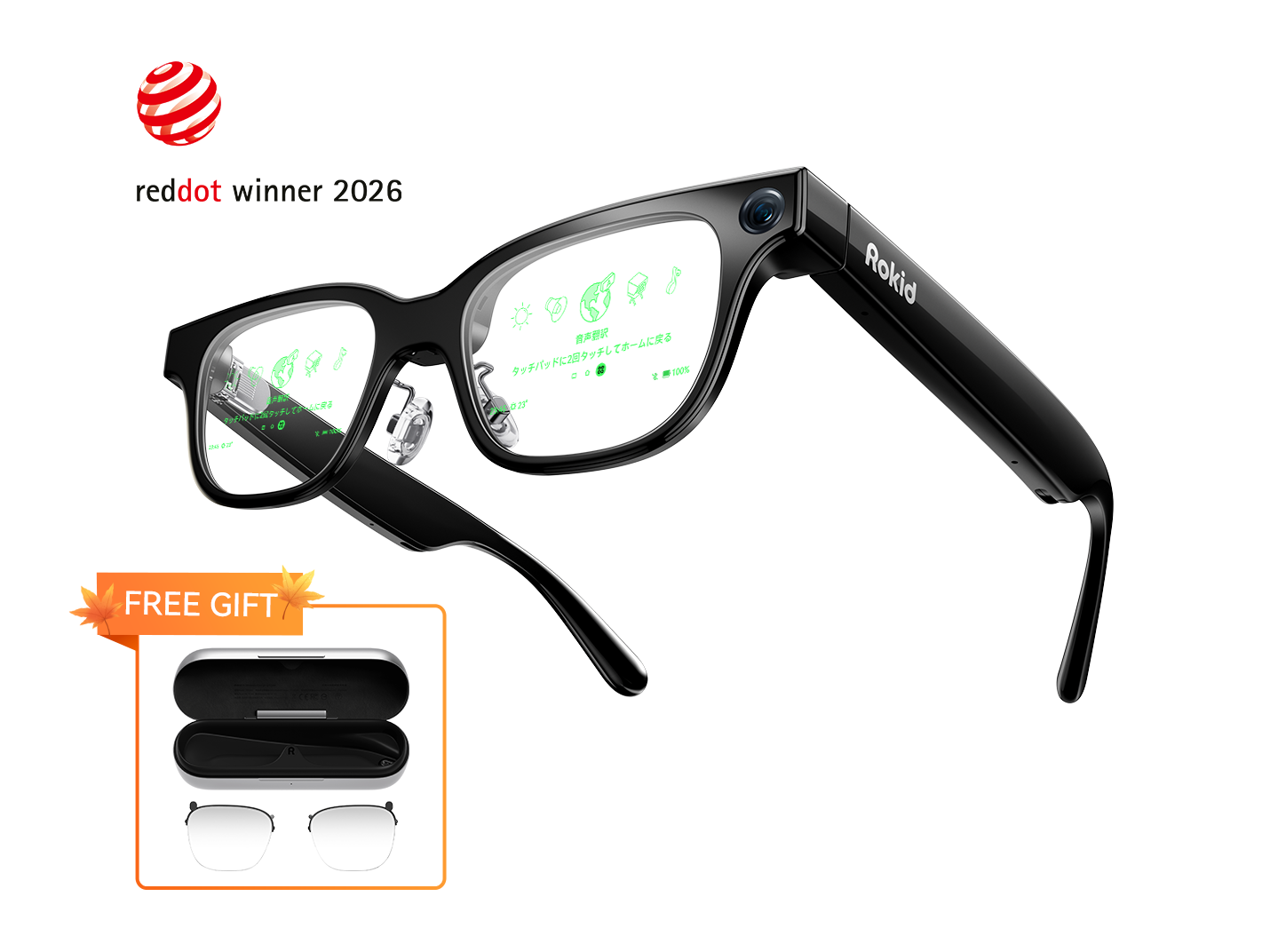
The smart glasses market is a fascinating battleground, but not for the reasons most analysts cite. While the industry fixates on Apple's delays, Meta's audio-first AI, and Samsung's camera-centric approach, a crucial segment of the market-the actual AR display-is being dominated by a different class of contenders: RayNeo, XREAL, and Rokid.
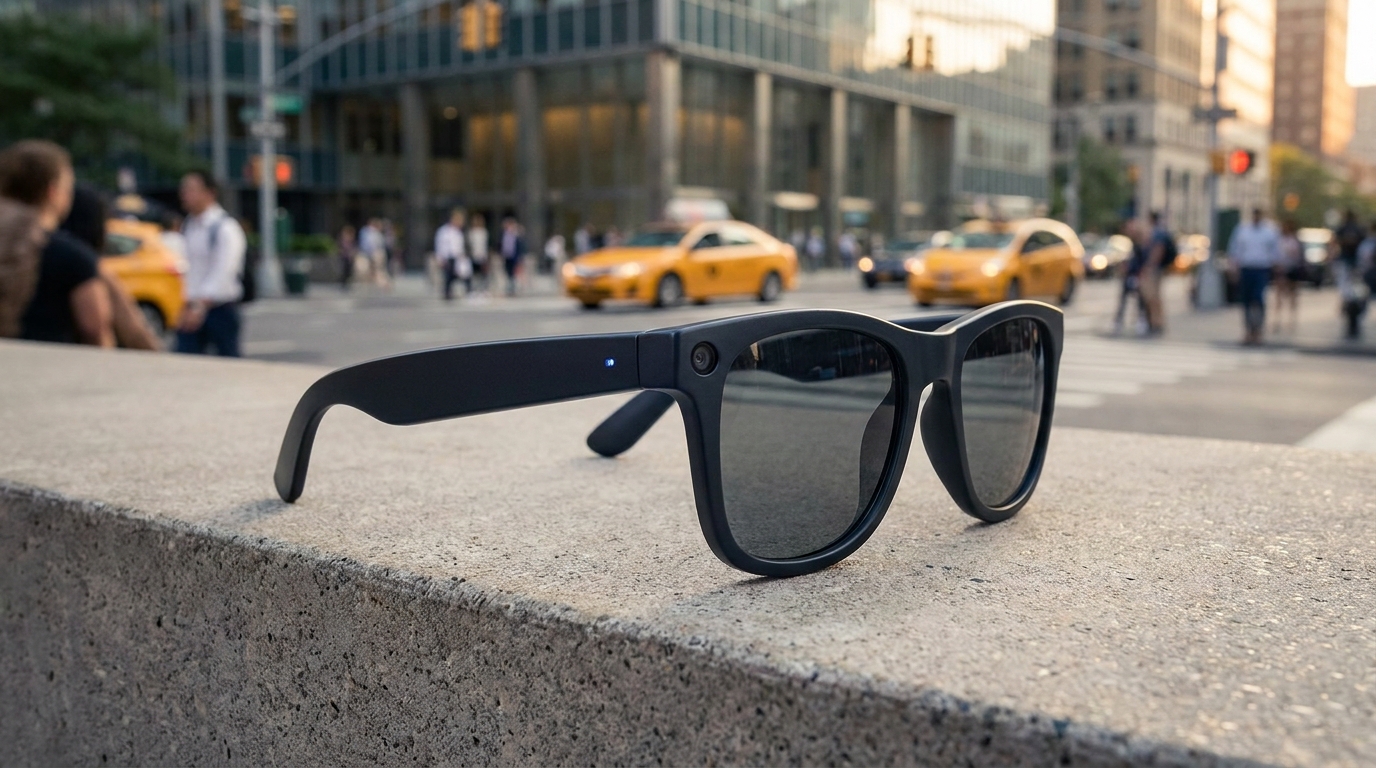
Major players are actively retreating from, or simply not engaging in, the race for compelling in-lens augmented reality displays. Meta's Ray-Ban AI glasses, for example, are winning the current 'face race' by prioritizing subtle audio interaction and a discrete camera, not visual overlays. This strategy emphasizes everyday utility and social acceptance over a true AR spectacle.
Meta's struggles with monetization, as seen with their backtracking on Conversation Focus feature limits, further reveal a company grappling with its core value proposition beyond simple capture. Public incidents, like the unauthorized filming on a CalMac ferry, also underscore the ongoing privacy backlash against camera-first glasses, pushing mainstream adoption away from overt visual recording features.
Samsung's recent entry into the smart glasses arena with its Galaxy Glasses mirrors this trend. Despite being a major Android XR launch, Samsung explicitly designed these glasses 'without an in-lens display.' Their collaboration with fashion powerhouses Gentle Monster and Warby Parker, combined with Google's Gemini AI, signals a focus on camera-first, voice-controlled functionality, not visual augmentation.
Even Apple, long seen as the inevitable innovator in AR, is facing significant headwinds. Their highly anticipated smart glasses have been reportedly pushed back to a 2027 launch, largely due to intense internal focus on user privacy and the potential need for novel hardware or software features to mitigate public scrutiny. This delay removes another giant from the immediate AR display competition.
This collective hesitation or outright avoidance from the industry's biggest names creates a significant vacuum. While Meta, Samsung, and Apple navigate the treacherous waters of public perception and discreet AI, companies whose core competency lies in delivering actual AR displays are quietly building out the foundational technology.
The proof is in the hardware. Halliday, a startup that made waves with its distinct direct-view display, has now pivoted. Their Gen 2 AI glasses, designed for enterprise productivity, now adopt a 'standard binocular waveguide paired with a monochrome microLED projector' architecture.
This strategic shift is illuminating. Halliday's company site explicitly states this common optical setup is 'seen in products from INMO, Even Realities, and Rokid.' This isn't a random choice; it signifies a mature, reliable, and commercially viable display technology that companies like Rokid, and by extension, XREAL and RayNeo, have refined and brought to market.
These companies are not just shipping devices; they are advancing the fundamental display technology that will power future AR experiences. They are iterating on waveguide optics, improving microLED efficiency, and reducing the bulk of binocular projection systems. This is where the real AR display innovation is happening.
Crucially, many of these display-first players also sidestep the privacy controversies plaguing camera-equipped glasses. The Halliday Gen 2, for example, is conspicuously 'camera-free,' prioritizing a clear, heads-up display for data and productivity. This focus allows them to concentrate on the visual utility of AR without the social baggage.
By delivering functional, display-centric smart glasses to consumers and enterprise clients, RayNeo, XREAL, and Rokid are building the crucial infrastructure for a truly augmented future. They are creating the reference designs and the market expectations for what an AR display should be.
While the 'face race' might currently favor devices that are more about audio and AI capture, the long-term victory in true augmented reality will belong to those who can master the on-face visual experience. And right now, the silent kings of that critical display war are not who you might expect.
Interactive guide — prices, displays, cameras, battery.
Share this story