
News · Meta
The Privacy Problem: AI Glasses Spark Global Alarm
Widespread unease over covert recording and public surveillance is triggering bans and legal scrutiny for Meta and rival hardware makers. The post-smartphone transition faces a trust crisis.
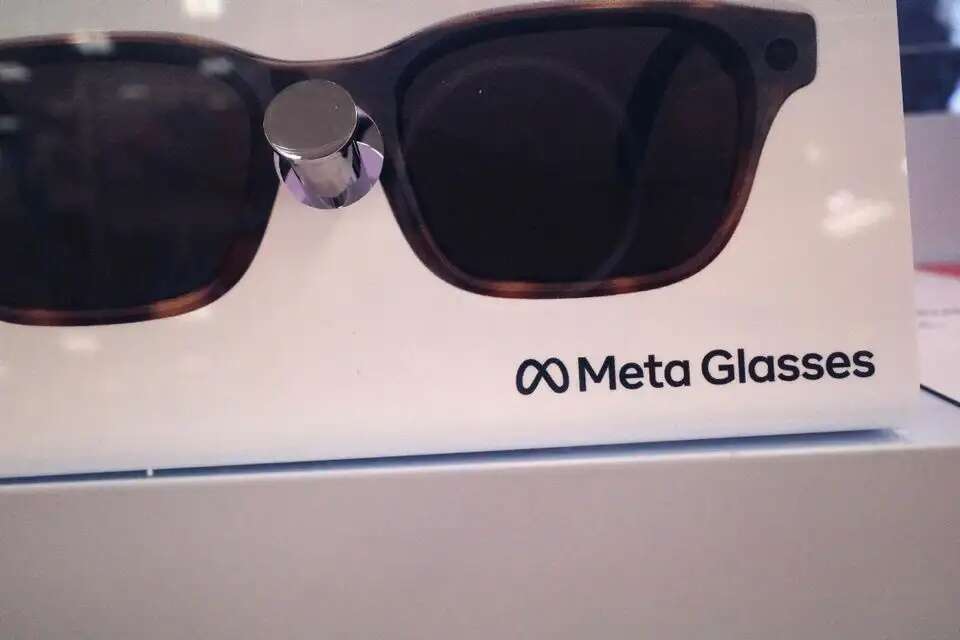
On September 24, 2026, fresh reports highlighted how the technology industry's aggressive push to position AI-powered eyewear as the post-smartphone future is colliding with intense privacy alarm worldwide. What hardware makers view as the next frontier of ambient personal computing is increasingly seen by the public and regulators as an intrusive surveillance apparatus, threatening to stall commercial momentum across the entire category.
Much of the friction is directed squarely at Meta, whose collaboration with eyewear giant EssilorLuxottica transformed camera-equipped frames into a mainstream lifestyle product. According to reporting from www.israelhayom.com, citing Reuters, Meta's smart glasses have become a focal point of growing legal scrutiny and civil unease. Observers warn of eroding public anonymity and consent, spurred by incidents where individuals were allegedly recorded without their knowledge in sensitive locations like fitting rooms and bathrooms. In response, private venues are stepping in. Establishments in Britain, including major pub operator Wetherspoon, have imposed restrictions on recording with smart glasses inside their venues.
Hardware makers are acutely aware that mounting pushback could derail a market aimed at capturing a slice of the multi-hundred-billion-dollar mobile space. In an effort to address these anxieties, Meta introduced camera-free smart glasses at its Connect conference, signaling an acknowledgment that some users want audio and conversational AI assistance without the social baggage of optical sensors. Meanwhile, competitors are exploring alternative hardware configurations altogether, testing screenless pins, pendant wearables, and dedicated audio units.
Industry executives acknowledge that trust remains the primary barrier to mainstream adoption. As Jay Kim, executive vice president of Samsung's mobile division, told Reuters, the winning form factors will ultimately be the ones that feel natural, useful, and trusted while keeping data secure and under user control. Similarly, OpenAI CEO Sam Altman has advocated for always-on ambient devices that process information locally rather than constantly streaming environmental data to the cloud, stressing that users must be able to trust that their hardware knows when to assist and when to disengage.
Our take: The smart glasses industry cannot afford to dismiss these privacy concerns as routine growing pains. When Google Glass stumbled more than a decade ago, the backlash was largely social awkwardness. Today, the combination of high-resolution video sensors and multimodal AI models makes public anxiety entirely rational. A tiny capture LED is simply not enough reassurance for bystanders in 2026. If manufacturers want optical AI glasses to replace smartphones rather than face piecemeal bans in gyms, pubs, and public transit, they must standardize unmistakable physical capture indicators, give bystanders visible consent controls, and prioritize local on-device processing over cloud-first architectures.
Interactive guide: prices, displays, cameras, battery.
Share this story





