Analysis · —
The Persistent Blind Spot: 2026 Smart Glasses and the Everyday User
Despite strategic pivots and impressive niche innovations, the smart glasses industry in 2026 continues to misunderstand the fundamental needs of the average person. Its fixation on cameras and isolated experiences obstructs true mass adoption.

The smart eyewear industry, for all its revolutionary bluster and strategic recalibrations, consistently trips over the mundane reality of everyday users. While 2026 has shown promising shifts, particularly Apple's rumored pivot towards "Meta-like AI smart glasses," a crucial disconnect remains. The narrative correctly pivots towards ubiquitous, always-on AI assistants, but the execution for the masses is still fundamentally flawed, failing to grasp what "everyday" truly means.
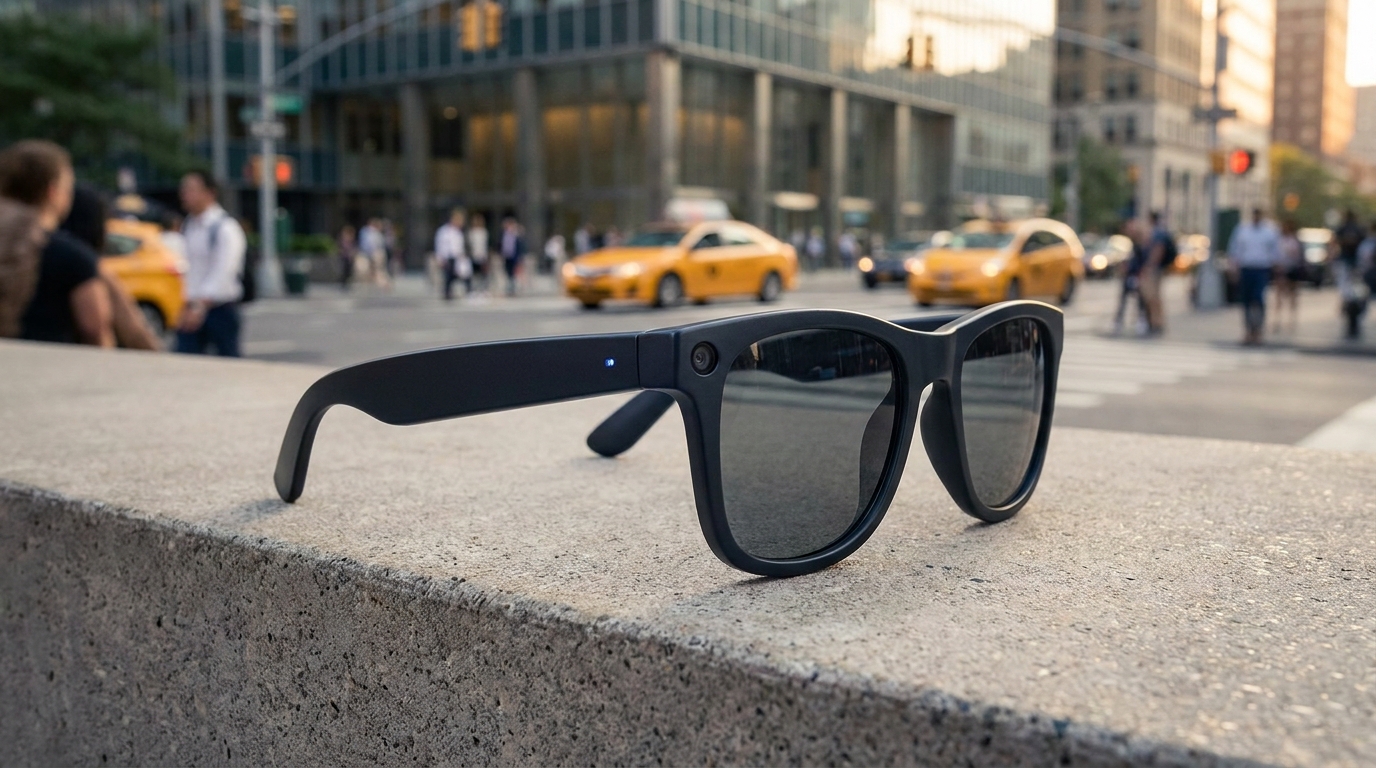
At the heart of this ongoing failure is the ubiquitous presence of cameras. For far too long, the industry fixated on these recording devices, creating a privacy minefield that has alienated the mass market. Terms like "pervert glasses" didn't emerge from nowhere; they reflected a pervasive public distrust of covert recording, a fundamental barrier to mainstream acceptance.
Big Tech, in its relentless pursuit of immersive XR and spatial computing, tripped over this basic human instinct. Giants like Meta and Apple wrestled with public perception and costly hardware, with Apple reportedly pivoting from its high-cost Vision Pro ambitions. This strategic recalibration is a profound concession: the mass market never wanted a face computer, it wanted an unobtrusive intelligence.
Yet, some brands, while innovative, still lean heavily into the camera-first mentality for specific, non-mass market applications. BleeqUp, for instance, enters the fray not with spatial computing, but with precision capture and dedicated AI. Their Rover AI Sports Glasses, with a 16MP tilting camera and AI hazard detection for cyclists, are impressive tools for active lifestyles, but they are undeniably niche.
Other innovations, while compelling, also cater to very specific use cases, keeping smart glasses from truly blending into daily life. FunFitLand’s integration of live heart rate tracking into VR fitness sessions on Meta Quest and Apple Vision Pro enhances workouts, but it's an isolated experience. Similarly, the upcoming arcade racer Loony Laps for Quest 3 offers chaotic fun, but these are still distinct, designated "headset moments," not seamless everyday interactions.
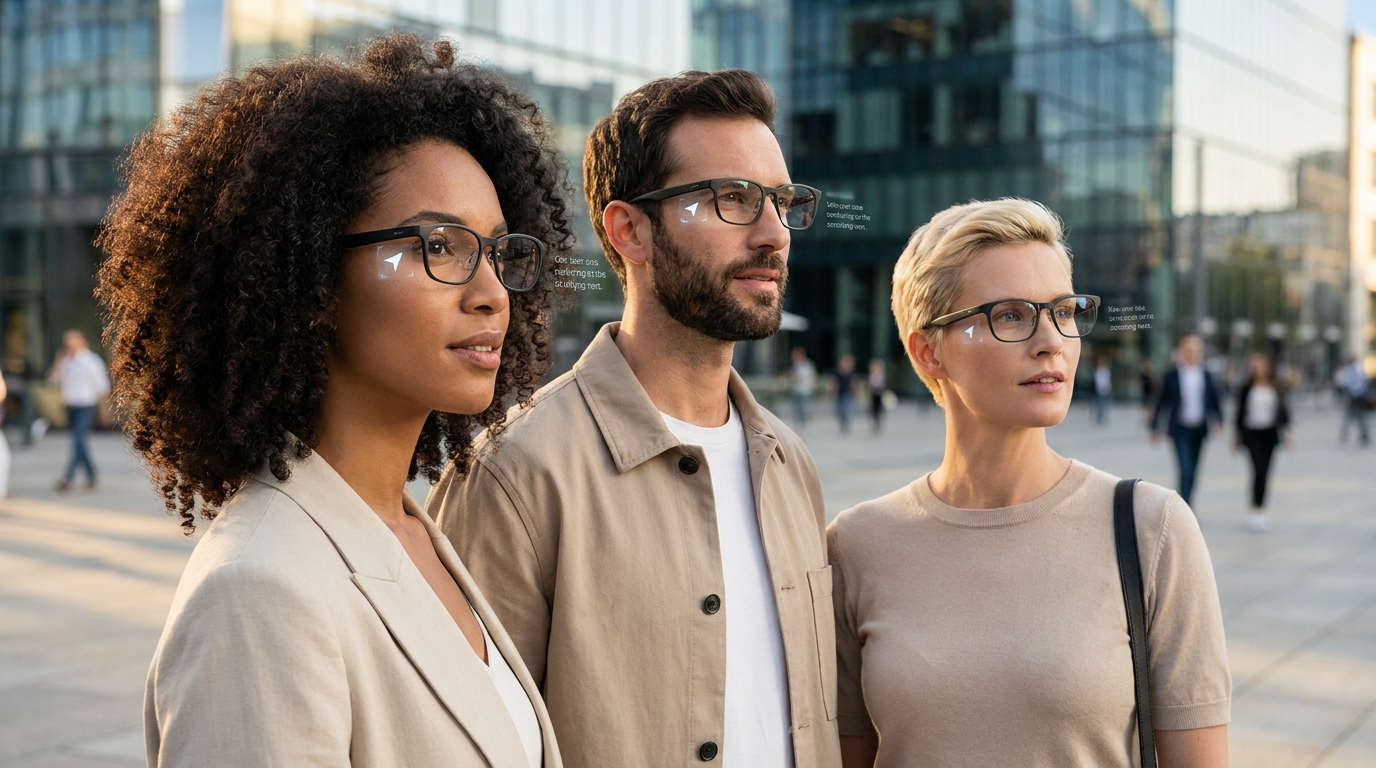
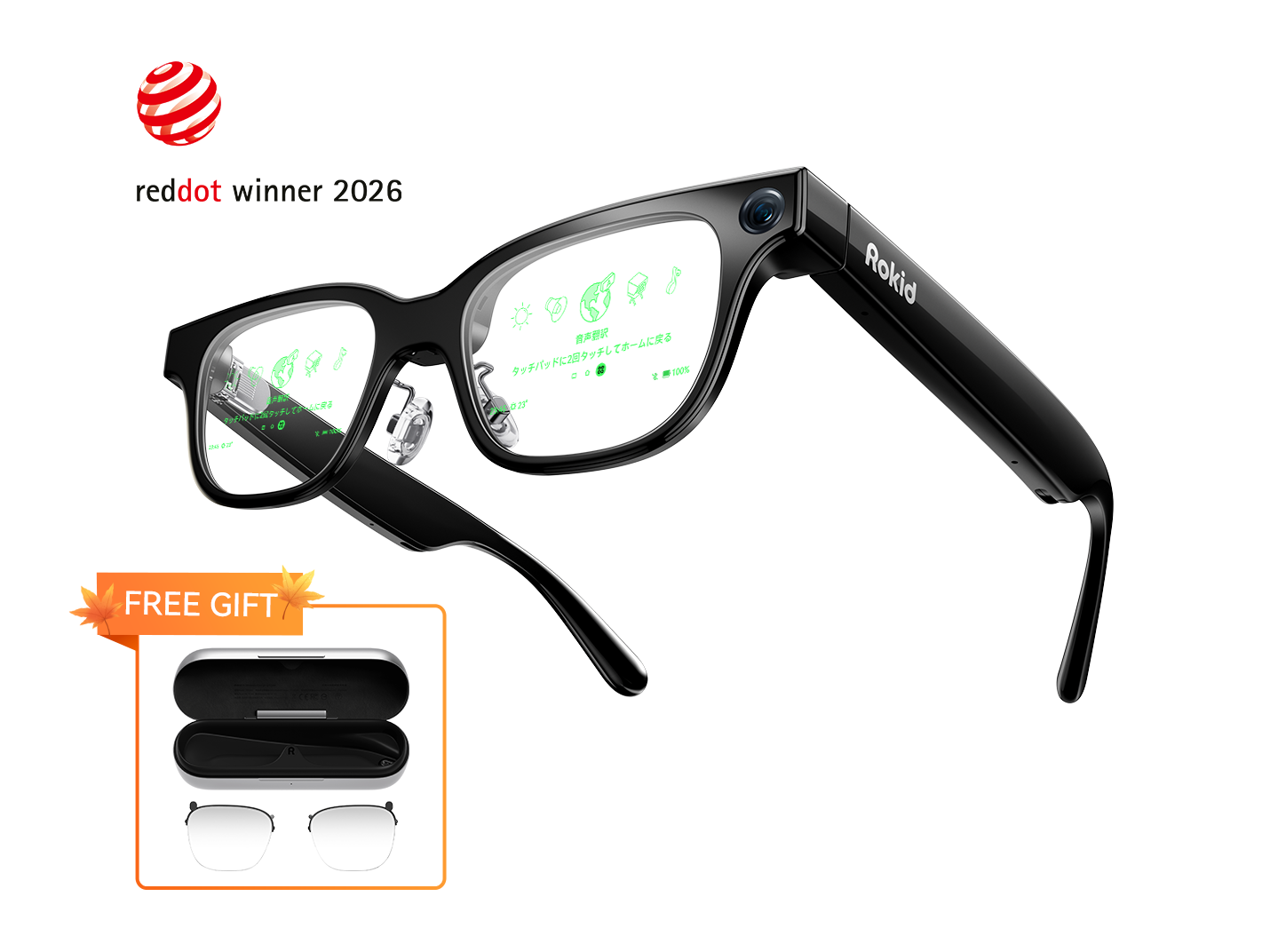
In contrast, a quiet revolution has been brewing, sidestepping the camera conundrum almost entirely. Brands like RayNeo, XREAL, and Rokid are winning by consistently delivering one thing: an excellent, unobtrusive display. They understood that the everyday user wanted a screen, not a surveillance device.
This display-first wave, exemplified by brands like Even Realities and Brilliant Labs, is quietly redefining everyday smart glasses. IFA 2026 crowned the INMO GO3, a featherlight AI HUD, with an innovation award, signaling a clear market pivot. Weighing about 58 grams with a binocular monochrome Micro-LED display, it integrates AI translation and hands-free AR navigation.
These HUD-only glasses are getting the form factor right for discreet, always-on AI assistance. However, the *application* of that AI still often feels constrained, either tied to specific tasks or not deeply integrated into the messy, unpredictable flow of daily life. The industry still struggles to make AI truly proactive and contextually aware without requiring constant user input or reliance on cameras.
The underlying philosophy often remains rooted in a "face computer" mentality, even as the hardware shrinks. Instead of truly augmenting human perception or subtly assisting thought, many AI glasses still present information in a way that feels additive, rather than transparent. This creates a cognitive load that everyday users simply won't tolerate.
The regulatory landscape further underscores the industry's missteps. Norway's Ministry of Digitalisation is actively moving to regulate camera-equipped wearables, specifically targeting functions like facial recognition of strangers. This isn't just about hardware or software anymore; it's about the social contract and deep-seated public distrust, as noted in recent LinkedIn industry discussions.
Paradoxically, Big Tech's blunders have cleared the path for an open-source revolution, powered by Android XR and the ingenuity of hackers. Projects like Mentra are demonstrating how community-driven innovation can lead to more user-centric, adaptable, and privacy-aware smart glasses, built from the ground up to address real needs, not just corporate ambitions.
Ultimately, what 2026 smart glasses still get wrong is a fundamental lack of empathy for the truly average user. Until the industry universally sheds the camera obsession, embraces truly transparent and context-aware AI, and stops designing for isolated activities, mass adoption will remain an elusive dream. It's about earning trust and delivering seamless utility, not just packing more tech onto a frame.
Interactive guide — prices, displays, cameras, battery.
Share this story