Analysis · —
Meta's Burning Retreat Paves Way for Display-First Smart Glasses Comeback
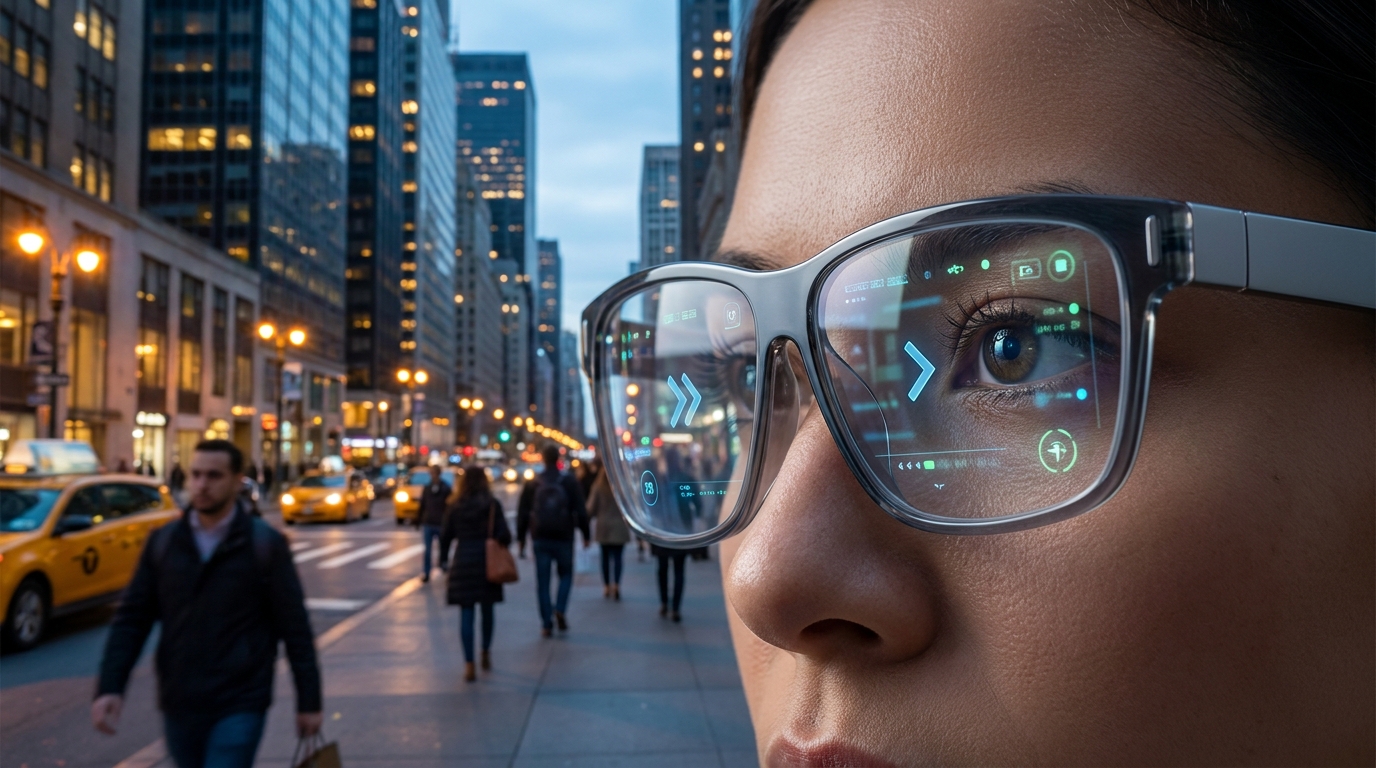
While camera-heavy wearables ignite privacy fears and overheat, a quiet revolution is taking hold. The future of smart glasses isn't about recording the world, but enhancing how we see it.
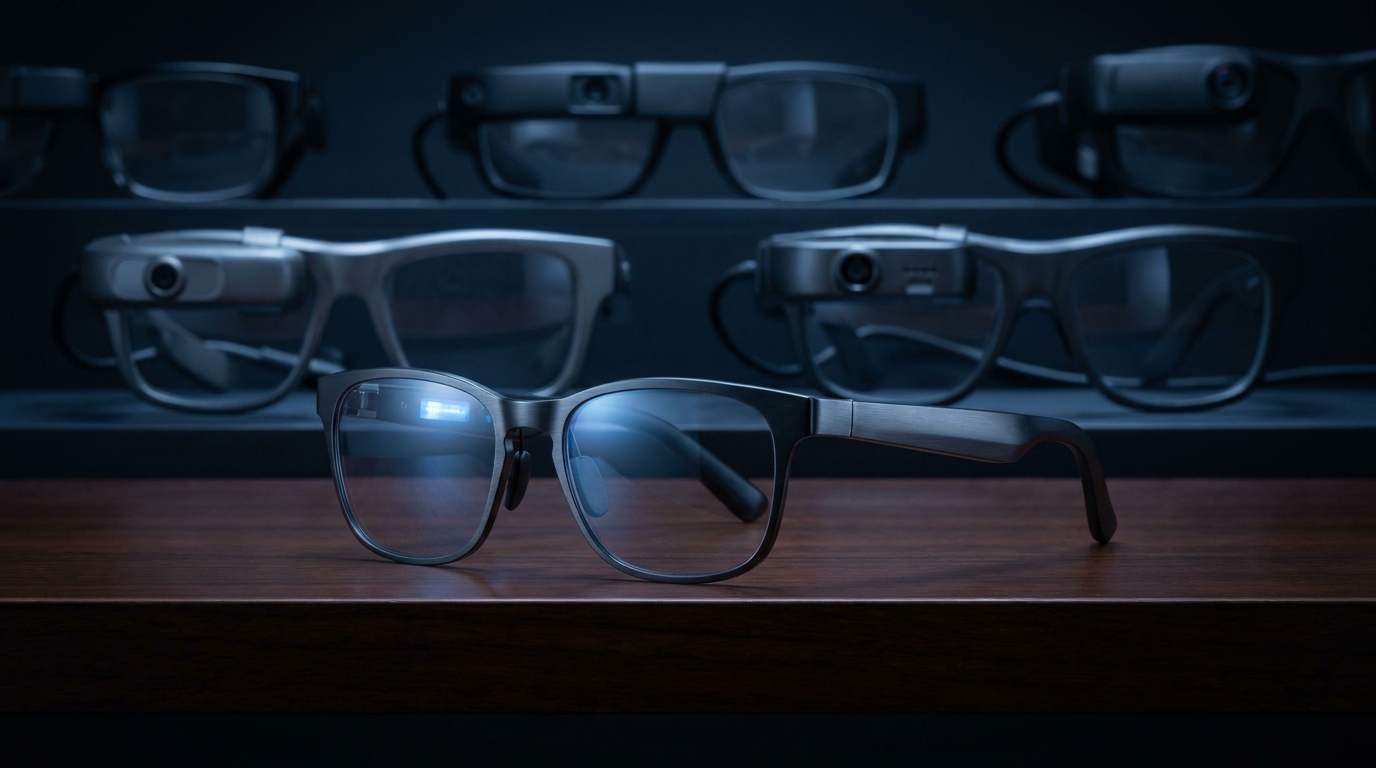
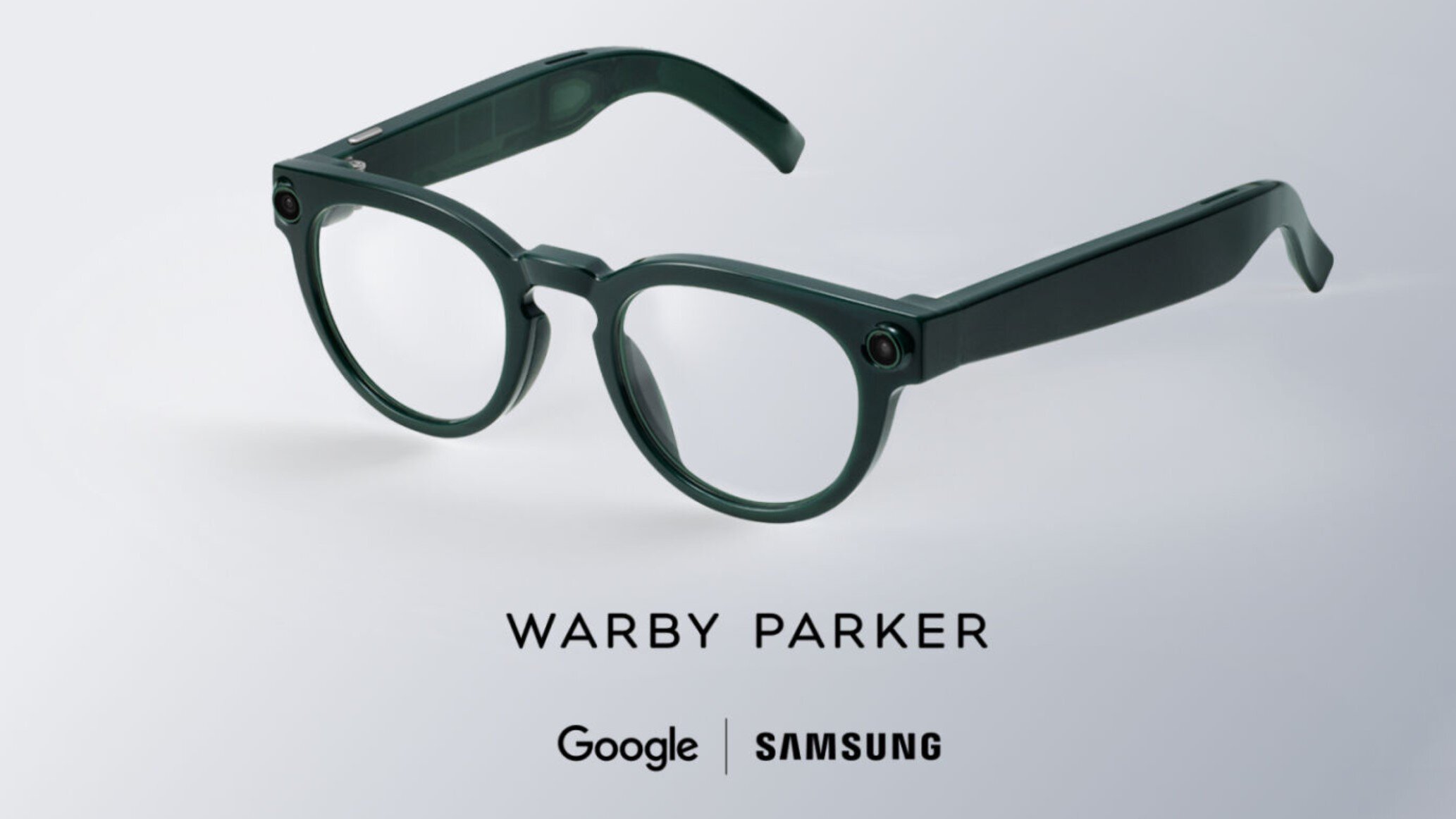
The smart glasses market is a chaotic spectacle, often fixated on the wrong metrics. Meta, with its camera-first Ray-Ban AI glasses, has indeed captured headlines and a dominant market share, boasting 81.3 percent of the 4.2 million units shipped in the first half of 2026. This aggressive push, bolstered by partnerships with SoftBank in Japan and expanded retail footprints like the new Texas AI Glasses Lab, positioned Meta as the leader of a surveillance-enabled future.
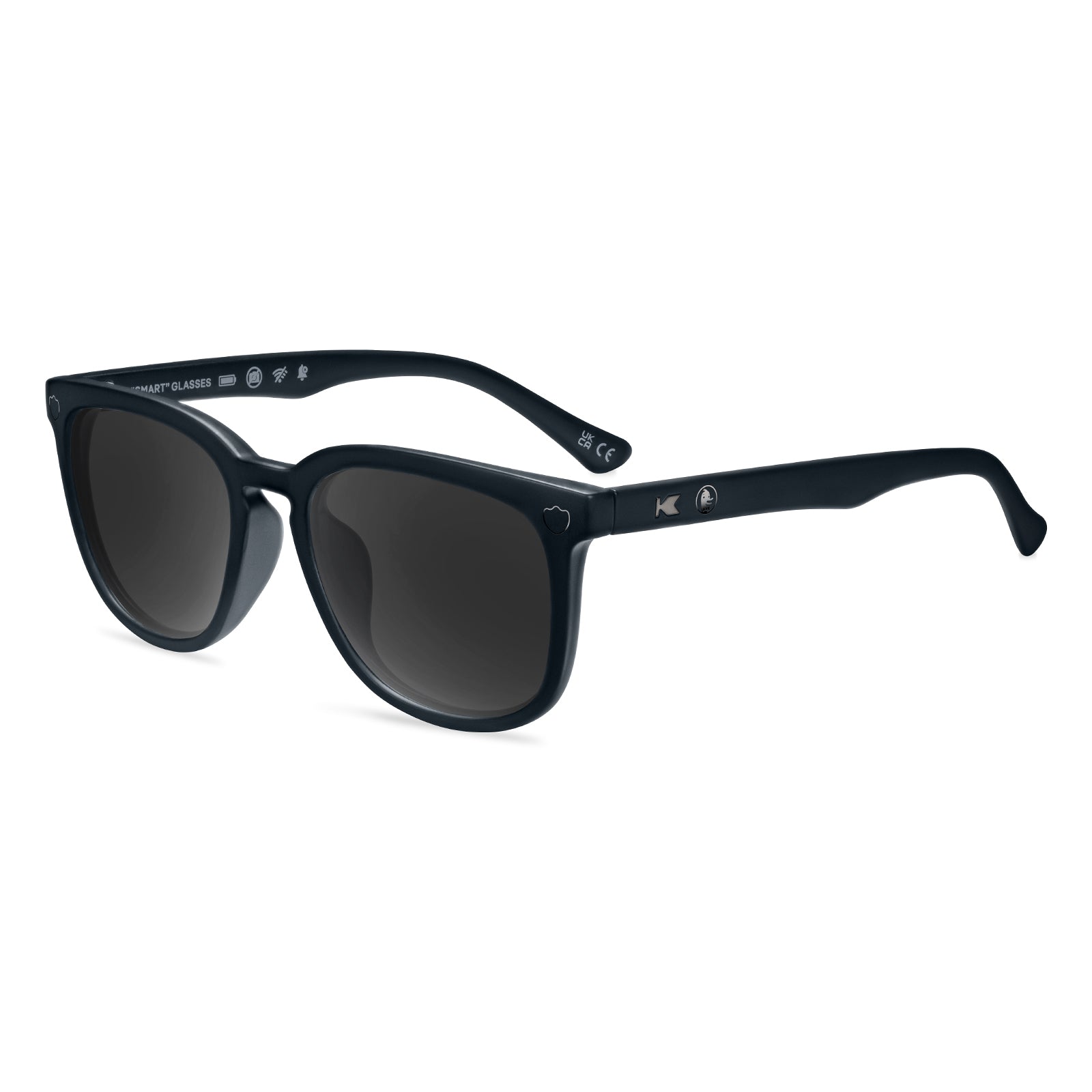
But this dominance is a fragile construct, plagued by persistent privacy backlashes. Meta's strategy, centered on always-on recording capabilities, has triggered intense scrutiny, forcing the company into a reported 'display-less retreat' for some models. Incidents like the egregious covert recording against individuals, such as Shubnam in India, underscore the profound societal cost of a camera-first approach and erode consumer trust at an alarming rate.
Beyond the privacy crisis, the physical reality of cramming powerful tech into discreet eyewear is proving equally problematic. Meta grapples with 'thermal meltdowns,' a silent killer that no one seems to be solving. The recent recall of INMO Smart Glass AIR3 devices due to an 'overheating burn hazard' on the temples serves as a stark warning, highlighting the critical importance of hardware safety and robust thermal management in devices worn directly against the skin.
These fundamental flaws, from privacy violations to potential burn risks, are creating a significant opening. While Meta navigates its walled garden of hardware limitations and public distrust, a different kind of revolution is brewing. This shift is led by a new guard of innovators who understand that the future of smart glasses isn't about becoming a covert recording device, but about delivering tangible, compelling visual experiences.
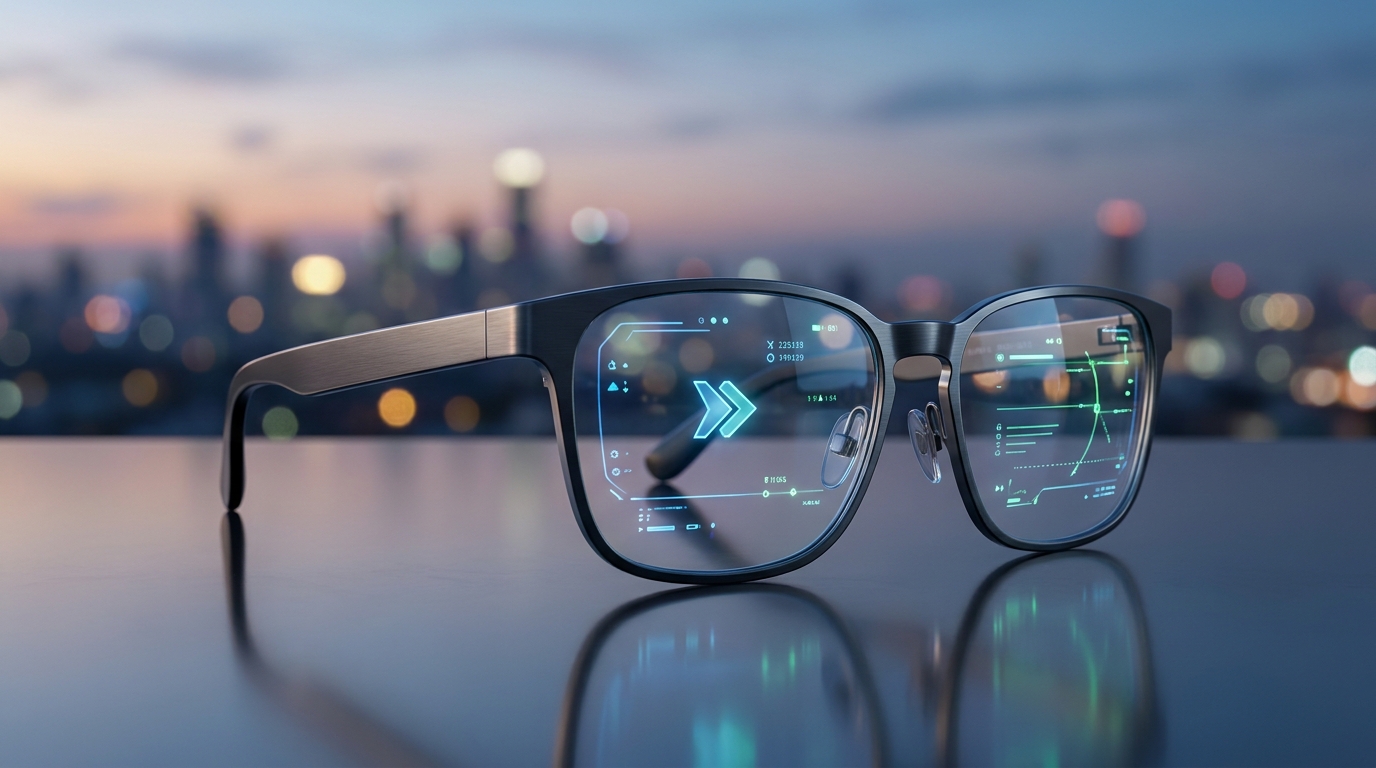
This is the silent comeback of HUD-only glasses, epitomized by companies like Even Realities and Brilliant Labs. Even Realities explicitly prioritizes discretion, offering 'camera-free eyewear' that focuses purely on heads-up display utility. Brilliant Labs, while not named in recent market reports, has been a quiet force in demonstrating the power of minimal, visually-focused smart eyewear, setting a precedent for a less intrusive interaction model.
Xreal's Aura smart glasses represent a potent example of this evolving landscape. Developed with Google and Qualcomm, the Aura aims to finally deliver a true display-equipped Android XR experience, moving beyond mere audio-only devices or cumbersome VR headsets. Featuring impressive Sony Micro-OLED panels, Xreal is explicitly designed for a comprehensive visual journey, rather than a recording one.
The rise of Android XR itself is a critical enabler for this display-centric movement. Positioned as the 'unsung hero for smart glasses hackers,' Android XR is democratizing access and accelerating innovation, offering an open-source platform that bypasses the proprietary limitations of Meta's ecosystem. This 'unseen force' is poised to realign the market by standardizing, democratizing, and accelerating the smart glasses ecosystem for a new generation of builders.
Other contenders like RayNeo and Rokid are also quietly winning the AR display war. They are proving that the future isn't about surveillance, but about 'compelling visual experiences' that provide utility without the social baggage or the thermal risks associated with camera-heavy designs. These brands prioritize the user's augmented reality experience, not their ability to document every moment.
Even Snap's new Specs, which just opened for pre-orders, leans into this philosophy. Positioned as the 'first fully autonomous AR glasses,' Snap integrates all computing power directly into the temples, eliminating external body packs, cables, or smartphone tethering. While they facilitate AR experiences which might use cameras for spatial understanding, their core design emphasizes discreet, self-contained visual enhancement and freedom of movement over pervasive recording.
The real battle for smart glasses supremacy is not being fought over market share in camera-enabled devices; it's being won in the relentless pursuit of superior, comfortable, and private visual utility. The market is diversifying precisely because consumers are demanding functionality that doesn't come at the cost of their privacy or their skin.
While thermal challenges persist for some, as seen with INMO, the core direction is clear. The industry's fixation on grand AR dreams and battling privacy fears has largely ignored the more practical and immediate need for better display integration. The 'silent drain' of battery life, another critical unsolved problem, is also better managed when focusing on efficient display rather than power-hungry cameras and processors for constant recording.
This new guard, featuring Even Realities, Brilliant Labs, Xreal, RayNeo, Rokid, and Snap, represents a deliberate pivot away from Meta's flawed camera-first strategy. By prioritizing HUD-only or display-focused experiences, often powered by open platforms like Android XR, they are poised to dismantle existing power structures. The smart glasses of tomorrow will be about seeing more, not being seen less.
Interactive guide — prices, displays, cameras, battery.
Share this story