Analysis · -
The Mentra Moment: How Open-Source Hacks Big Tech's Smart Glasses Blunders
Big Tech stumbled, fixated on cameras and costly XR, alienating the mass market. Their missteps have cleared the path for an open-source revolution, powered by Android XR and the ingenuity of hackers.
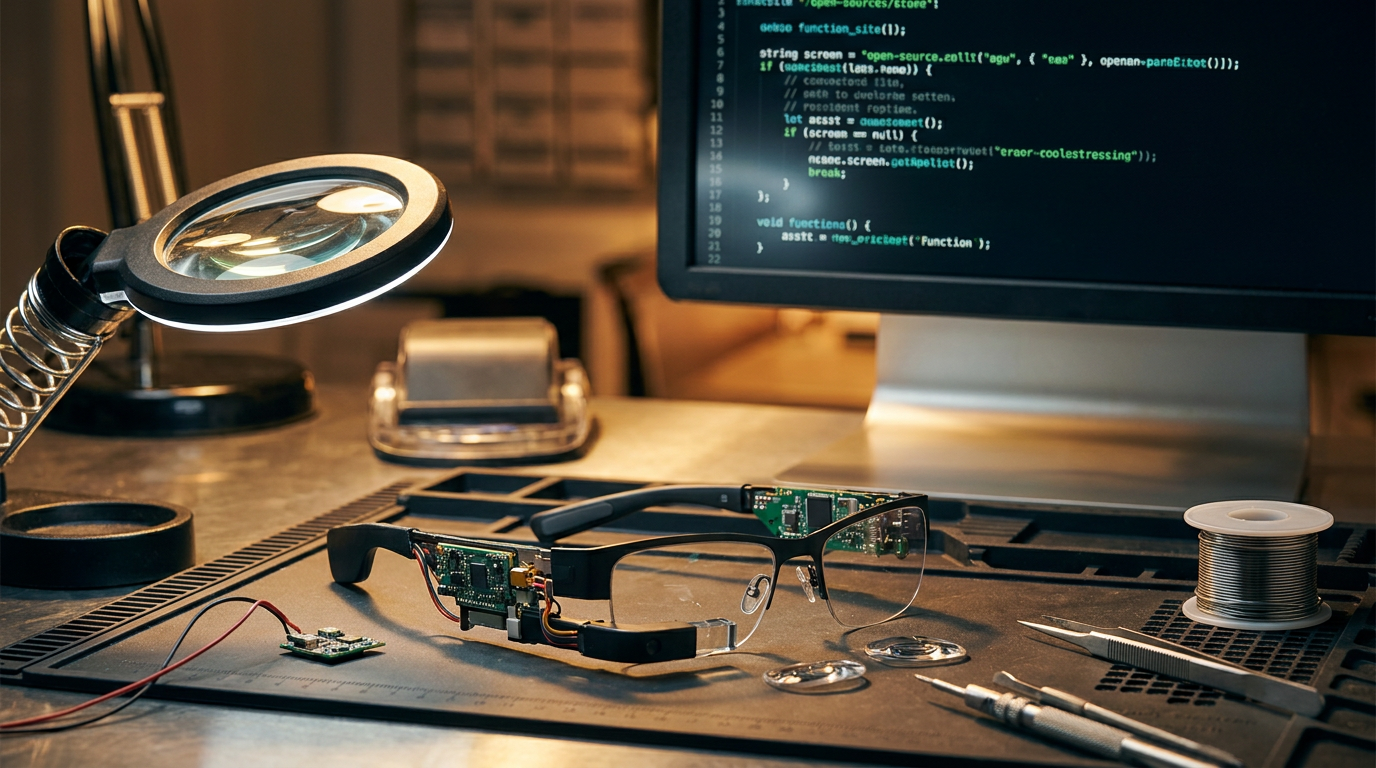
The smart glasses industry, for all its revolutionary bluster, consistently trips over the mundane reality of everyday users. Giants like Apple and Meta have chased immersive virtual reality and spatial computing, only to find the mass market yearns for something far more discreet and trustworthy. This fundamental misunderstanding has, paradoxically, created an unprecedented opportunity for a different kind of innovation: one driven by open-source communities and independent builders.
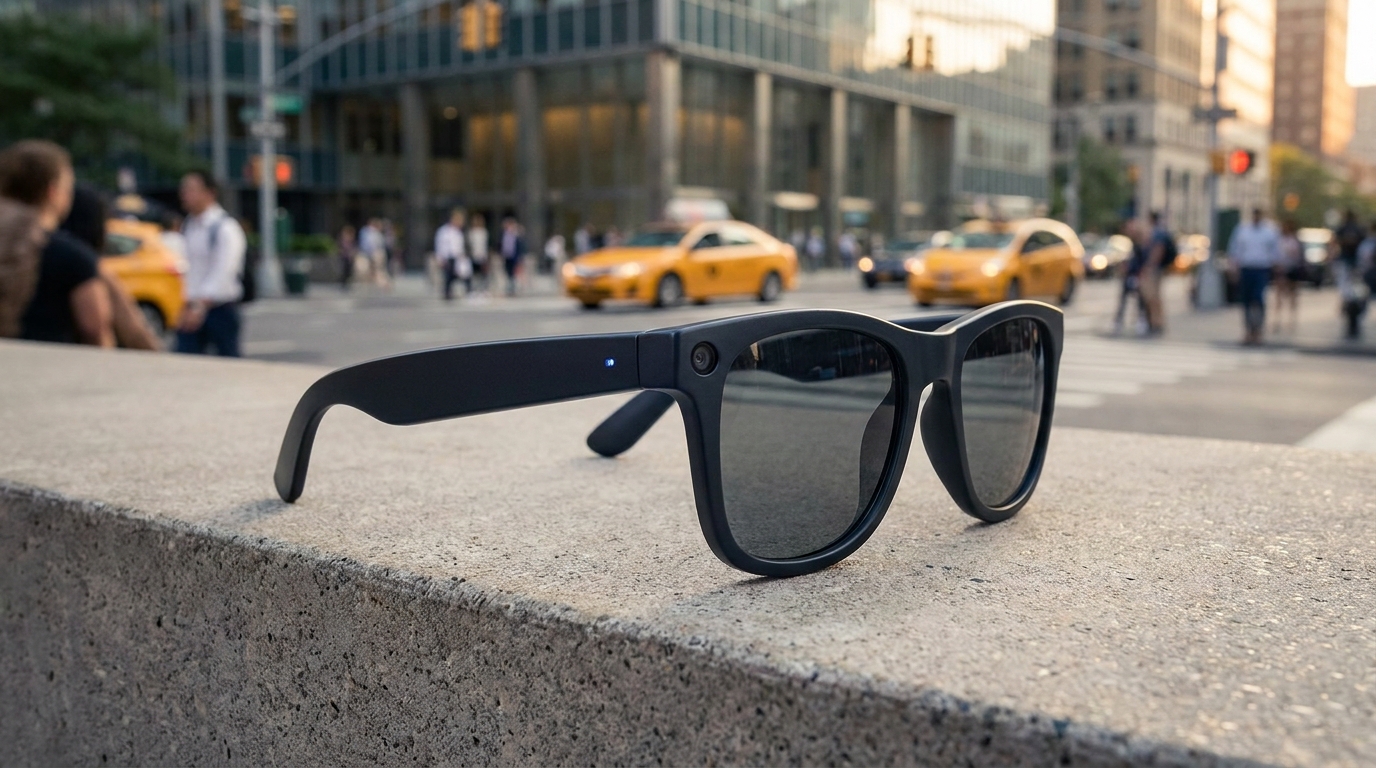
At the heart of Big Tech's persistent failure lies the ubiquitous presence of the camera. For far too long, the industry fixated on these recording devices, creating a privacy minefield that has alienated the mass market. Terms like 'pervert glasses' didn't emerge from nowhere; they reflected a pervasive public distrust of covert recording, turning a potential asset into the single biggest obstacle to adoption.
Even Meta's relentless efforts to secure its Ray-Ban Meta and Oakley Meta smart glasses, with mandatory capture LEDs and continuous recording checks, are merely reactive bandages on a festering wound. While Meta argues its capture LED makes its devices the 'safest camera in public,' this misses the broader point. The public's clamor for privacy isn't aimed at a lack of an LED indicator; it is aimed at the very presence of a camera in an ostensibly casual, always-on device.
The industry is, thankfully, undergoing a seismic recalibration, albeit belatedly. Apple is reportedly ditching high-cost Vision Pro ambitions for 'Meta-like AI smart glasses,' signaling a retreat from maximalist spatial compute. This pivot acknowledges that the mass market never wanted a face computer, it wanted an unobtrusive intelligence.
Despite this strategic shift towards AI, many smart glasses still fundamentally misunderstand mass market needs, often clinging to niche experiences. While games like Loony Laps are set to arrive on Quest 3 in 2027 and Horizon OS 2.7 boosts Quest 3 with gamepad emulation, these are still catering to a specific, limited demographic. The average user seeks discreet utility and trust, not a high-fidelity gaming rig on their face.
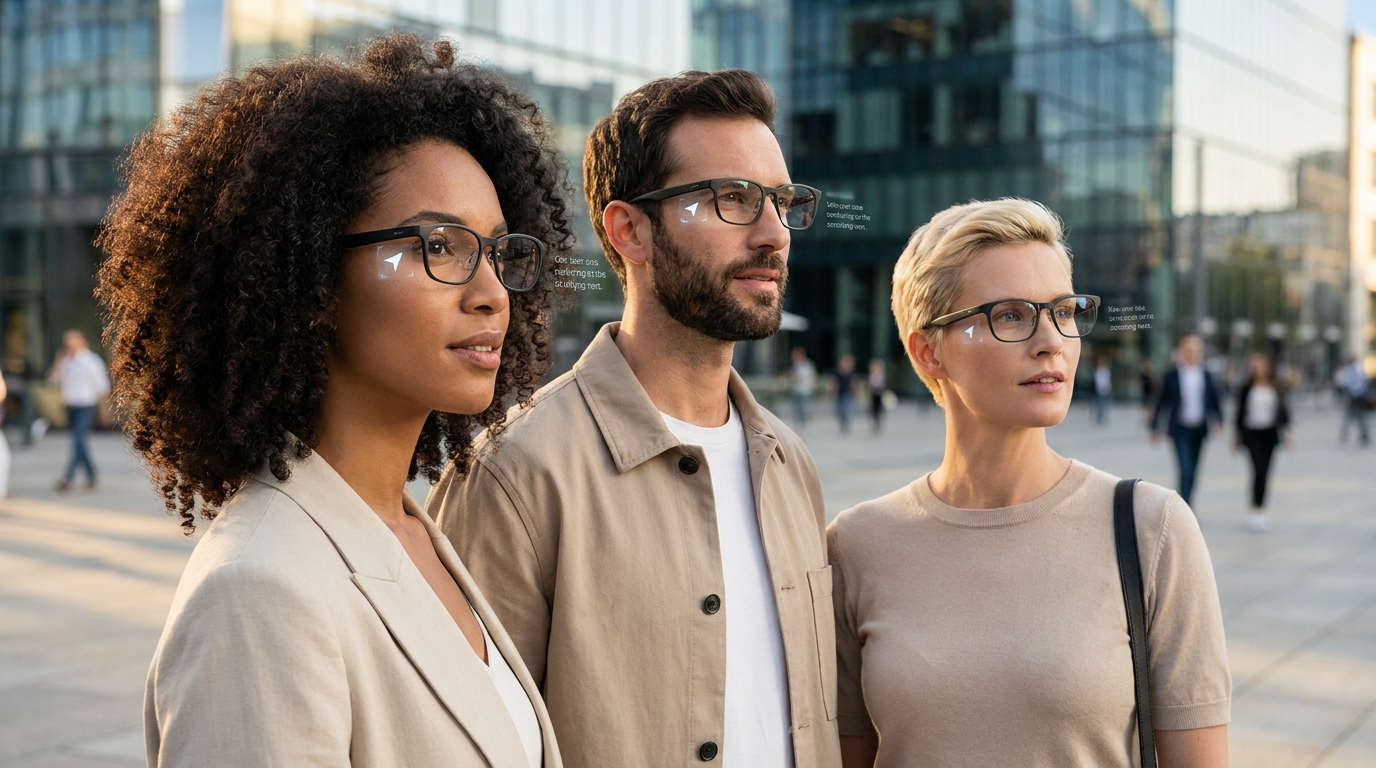
IFA 2026, for example, already crowned a featherlight AI HUD like the INMO GO3 with an innovation award, signaling a clear market pivot towards discreet AI over face computers. This lightweight, monochrome display-first approach validates the demand for an 'invisible AI' experience. It confirms that the path to ubiquitous smart glasses lies in discretion, trust, and zero surveillance, not in cameras or complex XR systems.
This vacuum, left by Big Tech's missteps and camera obsession, has inadvertently cleared the path for an open-source revolution. The smart glasses landscape is a chaotic battlefield, ripe for disruption. This is where hackers and builders come in, unburdened by corporate baggage or the need to justify a camera's existence.
Android XR is poised to become the foundational operating system for this next wave, fundamentally reshaping how smart eyewear is conceived and built. Within the next 12 months, this platform will enable diverse, affordable, and privacy-conscious eyewear, moving beyond the proprietary shackles and privacy pitfalls of current market leaders.
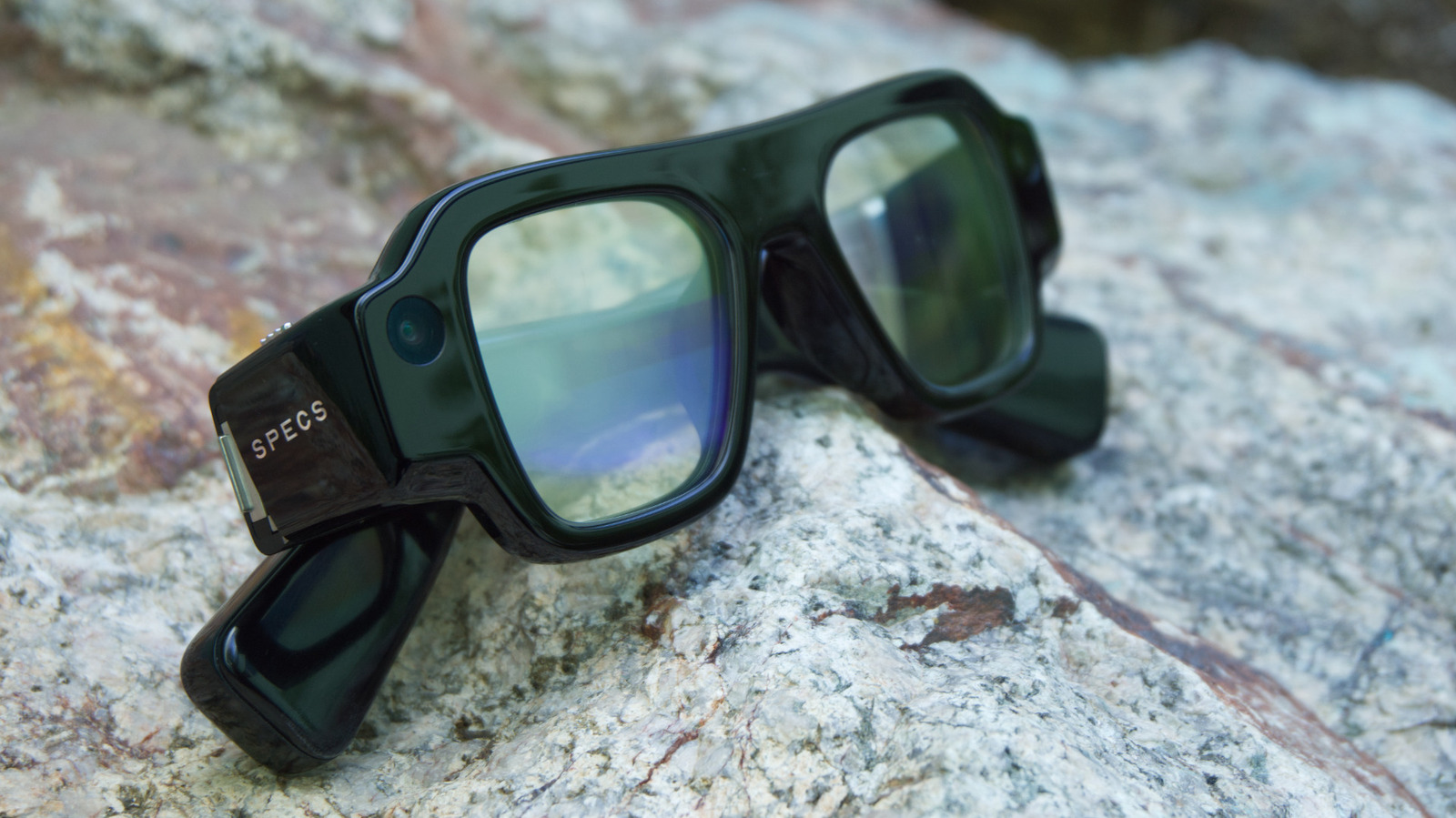
Enter Mentra. Projects like Mentra represent the smart glasses hackers will actually build. They embody a shift away from camera-obsessed, costly XR and towards user-centric, open innovation. This is about building solutions that address real-world utility without the privacy baggage or locked ecosystems that have plagued mainstream offerings.
For the individual hacker and builder, this means unprecedented freedom. They are no longer constrained by the privacy implications or the prohibitive costs of developing within a closed ecosystem. They can now innovate on core AI functions, integrate new sensors, or experiment with novel interfaces without compromising public trust or fighting against regulatory pushback, like Norway's efforts to regulate AI-camera combinations.
The focus shifts decisively to actual utility: AI translation, hands-free navigation, real-time transcription, and contextually aware assistance, all delivered discreetly. This open-source movement, exemplified by platforms like Android XR and projects like Mentra, empowers builders to prioritize function and user experience over surveillance capabilities. The real intelligence is becoming invisible, where it always should have been.
This is not merely a strategic recalibration for the industry; it is a profound concession that the mass market was never truly understood by the big players. Their failure has inadvertently catalyzed a more authentic, community-driven approach to smart eyewear. The era of the face computer is waning, replaced by a more practical, trustworthy vision.
The future of smart glasses will be defined not by the giants who stumble, but by the agile, open-source communities who learn from their mistakes. These hackers and builders, leveraging platforms like Android XR and fostering projects like Mentra, are forging the true path to ubiquitous, privacy-respecting, and genuinely smart eyewear.
Interactive guide — prices, displays, cameras, battery.
Share this story