Analysis · —
The Mass Market Doesn't Want Screens: Why Display-Less AI Glasses Are Winning
Meta's camera-first strategy birthed a privacy nightmare. Now, a wave of discreet, display-less AI glasses from Samsung and others signals the true path to mainstream adoption, prioritizing utility over surveillance.
The smart glasses market is undeniably in flux. While Meta aggressively pursued headlines and market share with its camera-first Ray-Ban AI glasses, this 'walled garden' approach is revealing significant liabilities. Persistent privacy backlashes and thermal issues continue to plague the company's dominant strategy, indicating a fundamental disconnect with user expectations.
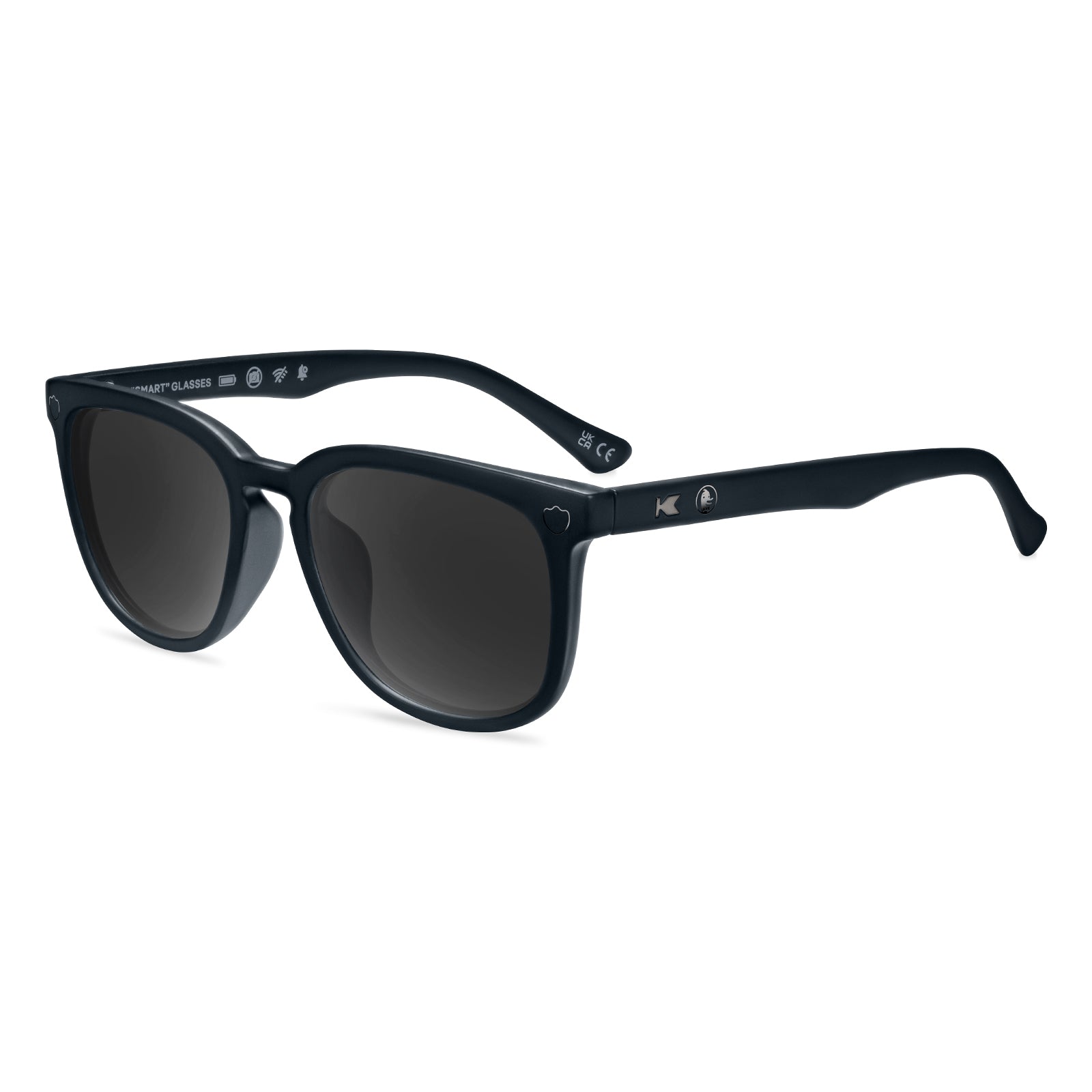
This widespread public skepticism is perhaps best encapsulated by DuckDuckGo's defiant 'Normal F***ing Sunglasses.' This product, a direct rebuke of pervasive smart eyewear, sold out quickly, signaling a strong user preference. People are actively rejecting covert recording capabilities; they want utility, not surveillance, in their everyday eyewear.
Even Meta, the market incumbent, is tacitly acknowledging this critical shift. The introduction of the Ray-Ban Meta Audio glasses, which conspicuously forgo cameras entirely, serves as a 'concrete response' to privacy criticisms. This move represents a strategic retreat from the very feature that defined its initial, controversial market push.
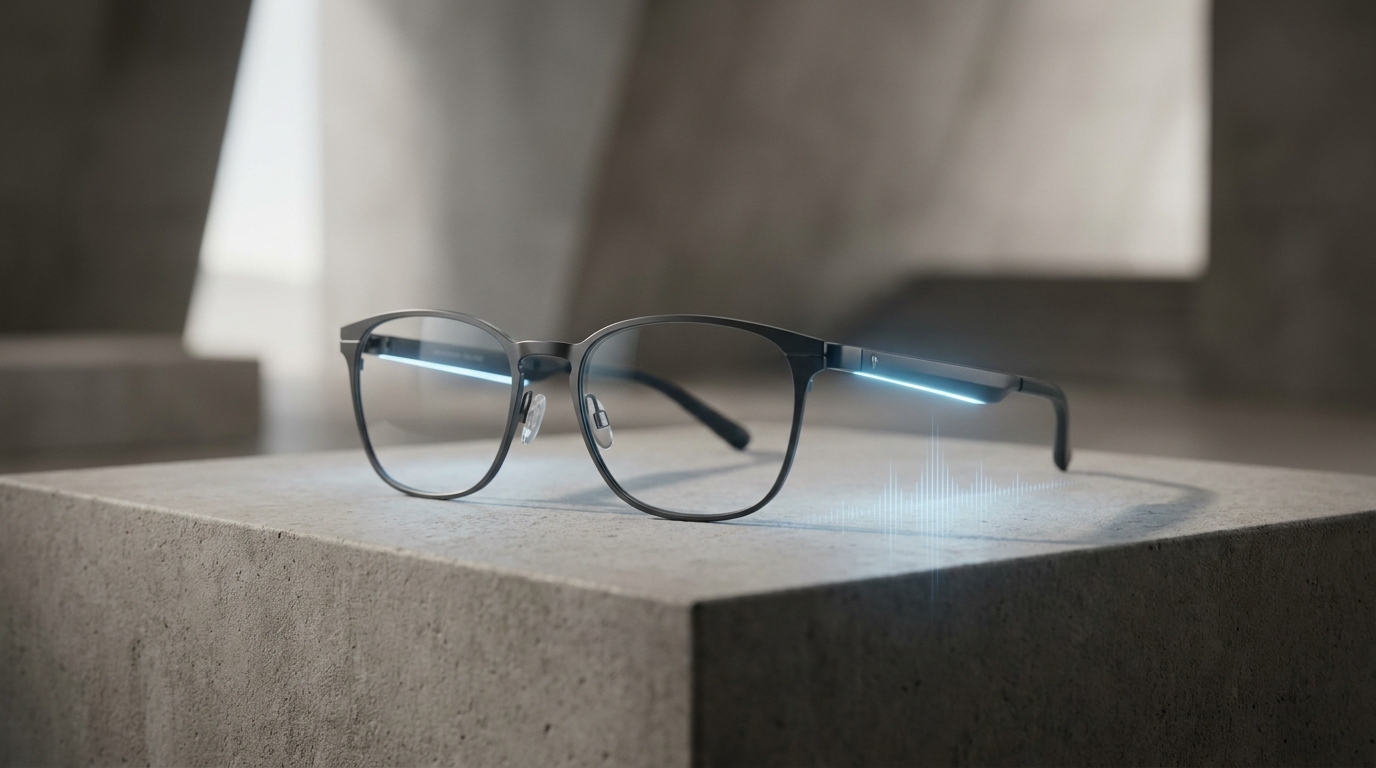
This widespread distrust of intrusive, camera-first devices clears a compelling path for a different kind of innovation: display-less AI glasses. These devices prioritize audio-first, hands-free interaction, intelligently offloading visual complexity and heavy processing tasks. Their appeal lies in their inherent subtlety and their focus on pure, discreet, intelligent assistance.
Enter Samsung, poised to disrupt the market with its Android XR smart glasses, targeting a November launch. Crucially, these first-generation devices will not feature an integrated display, opting instead for a lightweight, assistive design that directly challenges Meta's model. This signals a major, platform-level battle for the future of smart eyewear.
Samsung's approach is designed for seamless integration. Its glasses will operate as an extension of a connected Galaxy phone, leveraging embedded cameras, microphones, and speakers to interpret the user's environment. Google's Gemini AI will power on-device intelligence, with more demanding processing tasks intelligently offloaded to the paired smartphone, emphasizing a remarkably discreet and power-efficient form factor.
Furthermore, Samsung is strategically collaborating with established fashion brands like Gentle Monster and Warby Parker, as evidenced by recent FCC approvals. This collaboration prioritizes design and mainstream appeal, acknowledging a fundamental truth: for smart glasses to truly reach the mass market, they must first be desirable as fashionable eyewear, not merely as tech gadgets.
Samsung's embrace of Android XR is equally significant. This open platform, championed by this publication as a 'true playground for smart glasses hackers,' offers a stark contrast to Meta's restrictive 'walled garden' ecosystem. Independent developers can now 'run wild,' fostering innovation unburdened by corporate gatekeepers or closed-source limitations.
This shift towards display-less, AI-centric eyewear fundamentally reorients the focus from visual overlays to proactive, intelligent assistance. Even Meta's advanced Muse AI agent, in its smart glasses integration, aims to perform complex actions and execute tasks proactively. Imagine that level of hands-free utility delivered through a truly unobtrusive, screen-free device.
Even manufacturers like Rokid are hedging their bets, recognizing these distinct market segments. While they offer the display-equipped Rokid AI Glasses, their Rokid AI Glasses Style model 'emphasizes voice AI,' directly competing with the camera-free approach that is rapidly gaining traction. This dual strategy validates the strong demand for both display-inclusive and display-less options.
The core argument remains: display-less AI glasses are uniquely positioned to address the fundamental friction points that have historically hindered smart eyewear adoption. They sidestep privacy concerns, avoid bulky hardware, mitigate thermal issues, and integrate seamlessly into fashion. Their power lies in their inherent invisibility and their ability to enhance, rather than overwhelm, daily life.
This is not about cumbersome augmented reality overlays for the casual user. It is about an always-on, intelligent layer that provides context and assistance discreetly and effectively. While the 'HUD-Only Glass' may be 'quietly winning' in some regards, for the broadest possible audience, the completely screen-free, AI-powered assistant represents the ultimate mass-market play.
The market is clearly maturing beyond surveillance-ware. Samsung's strategic entry with an Android XR, display-less device, alongside Meta's own audio-only pivot, unequivocally confirms this trajectory. The future of mass-market smart eyewear is subtle, intelligently assistive, and, ultimately, screen-free.
Interactive guide — prices, displays, cameras, battery.
Share this story