Analysis · —
Muse's Ghost in the Machine: How Open XR Will Empower the Next Wave of Builders
Meta's advanced Muse AI agent showcases unprecedented smart glasses power, but its 'walled garden' approach is unsustainable. The true revolution lies in open platforms like Android XR, where independent builders can finally run wild.
The smart glasses market is reaching a critical inflection point, one defined less by corporate dominance and more by an burgeoning open frontier. While Meta has aggressively pushed its camera-first Ray-Ban AI glasses, grabbing significant market share, this strategy has consistently run into privacy backlashes and thermal issues. This creates fertile ground for a different kind of innovation, one unburdened by corporate gatekeepers or the specter of surveillance.
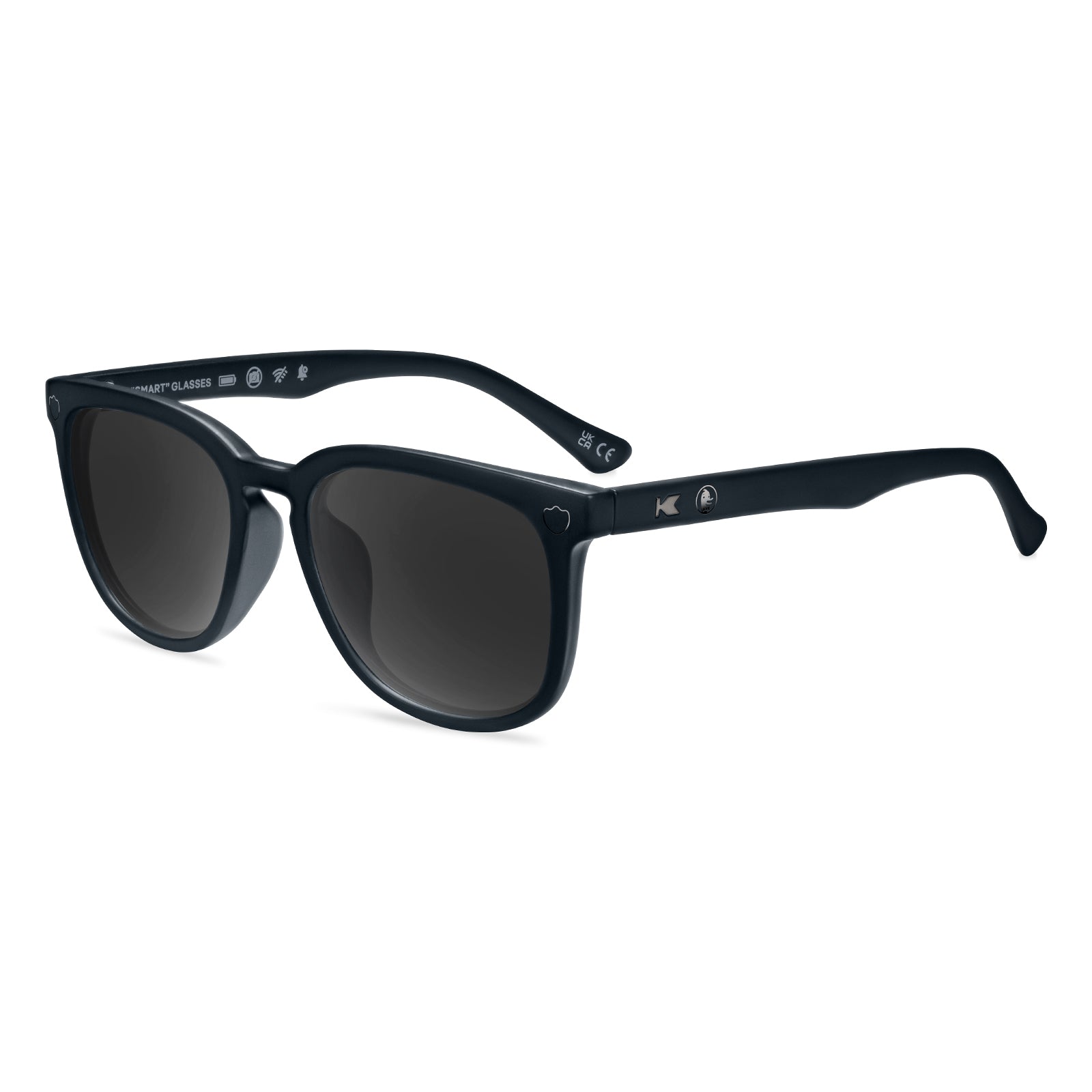
The very public rejection of Meta's camera-centric approach, epitomized by DuckDuckGo's 'Normal F***ing Sunglasses,' highlights a deep public distrust. Users want utility, not covert recording capabilities. This sentiment, ironically, clears the path for independent developers and their vision for transparent, user-controlled smart eyewear.
Enter Meta's Muse AI agent, a formidable piece of software slated for its smart glasses. Muse transcends simple chatbots, functioning as a proactive, intelligent assistant capable of executing complex tasks, all while keeping the user's phone out of sight. Crucially, Muse operates from a persistent Linux virtual machine in the cloud, equipped with its own web browser, filesystem, and terminal.
This architecture allows Muse to write and run code, delegate tasks to subagents, and schedule jobs independently. It is a powerful vision of always-on, autonomous AI assistance. But consider this: if Meta's closed ecosystem can birth such a sophisticated agent, what radical possibilities emerge when similar foundational technologies are liberated on open platforms?
This is where Android XR becomes the true playground for hackers and builders. Meta's 'walled garden' approach, plagued by privacy woes, offers little freedom for true innovation. Android XR, however, offers a robust, flexible environment for those eager to experiment and push boundaries without permission.
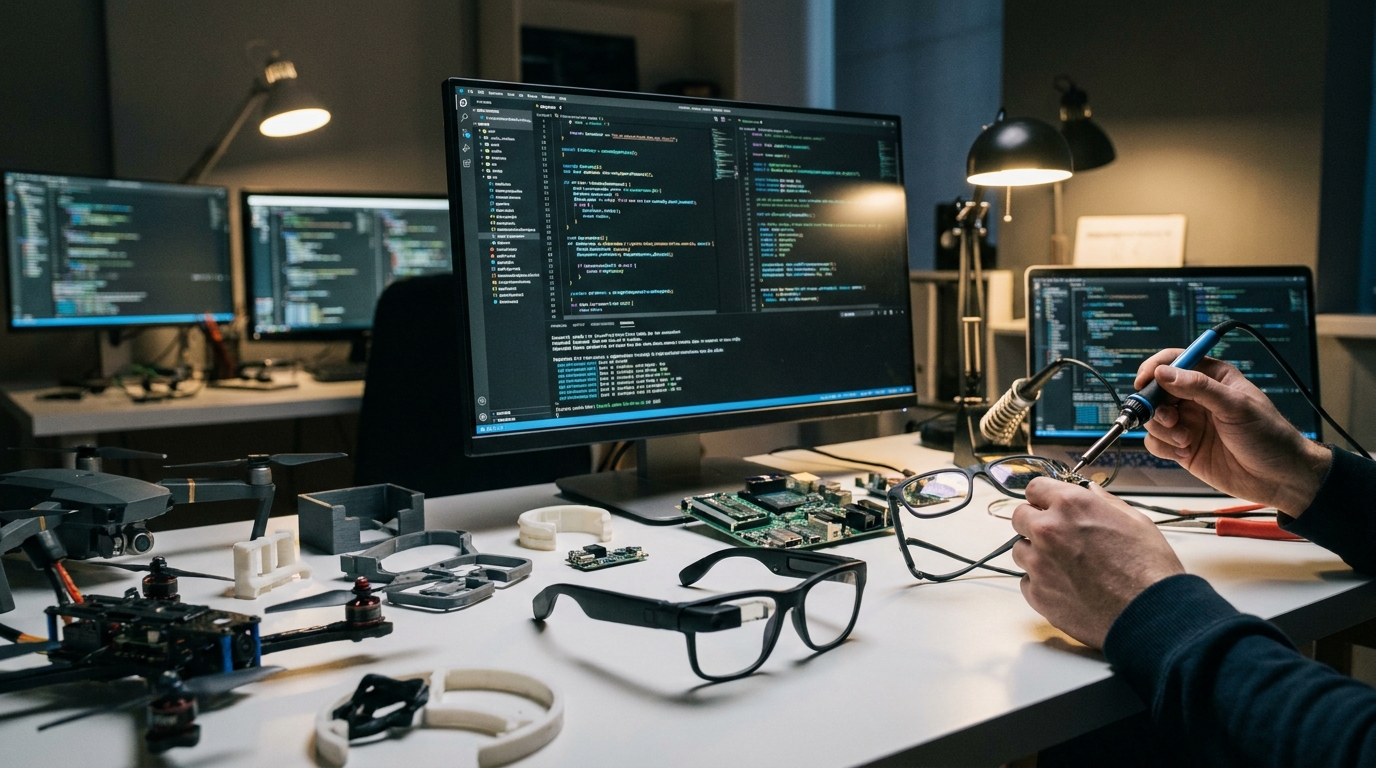
Imagine building your own custom AI agent, inspired by Muse's proactive capabilities, but with complete control over data and functionality. An agent that lives on your glasses, executing tasks tailored precisely to your needs, written in your code, without corporate oversight. This isn't just aspirational; the hardware landscape is already shifting to enable it.
Samsung's imminent entry into Android XR smart glasses, targeting a November release, provides a significant boost to this open movement. While initially display-less and tethered to a Galaxy phone for heavy AI processing, these devices represent a major Android presence in the space. Their partnerships with fashion brands like Gentle Monster and Warby Parker also signal a mainstream appeal, broadening the potential user base for open-source creations.
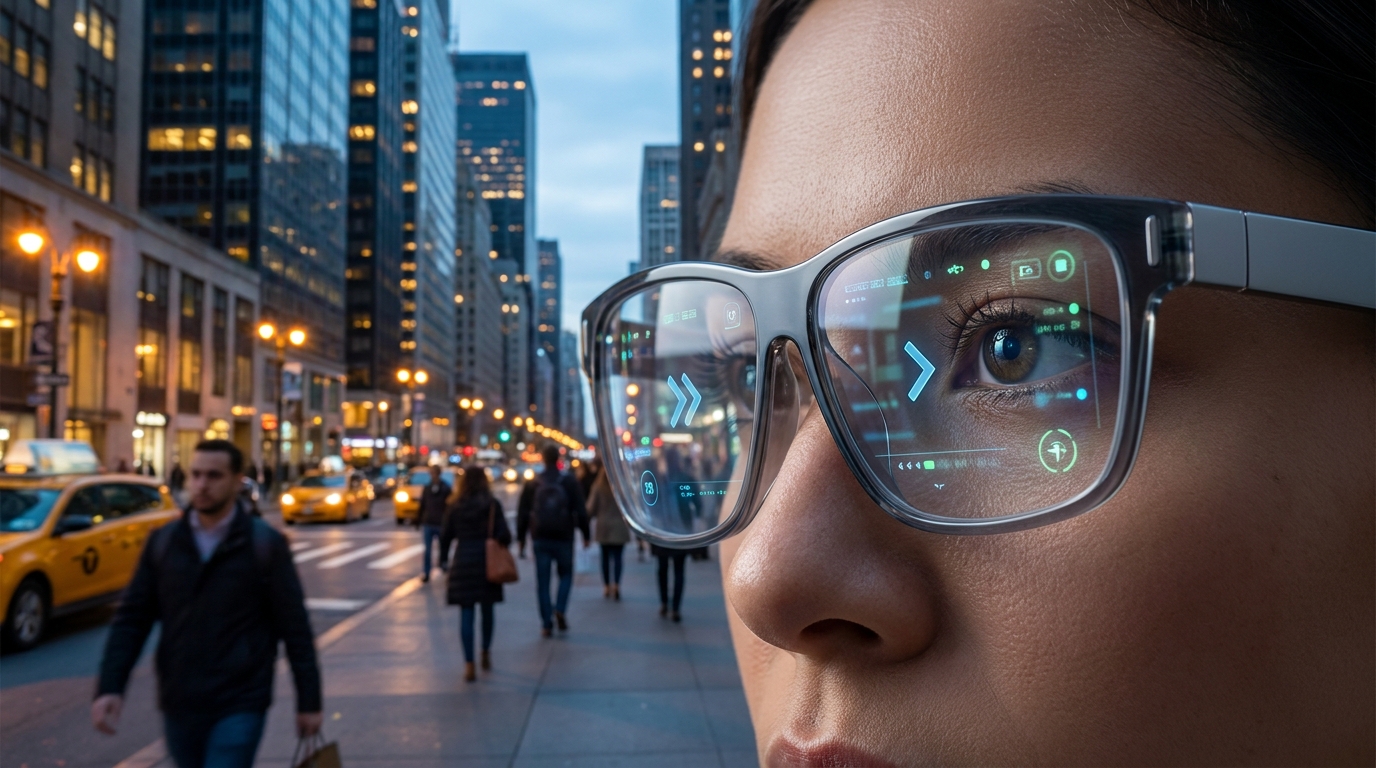
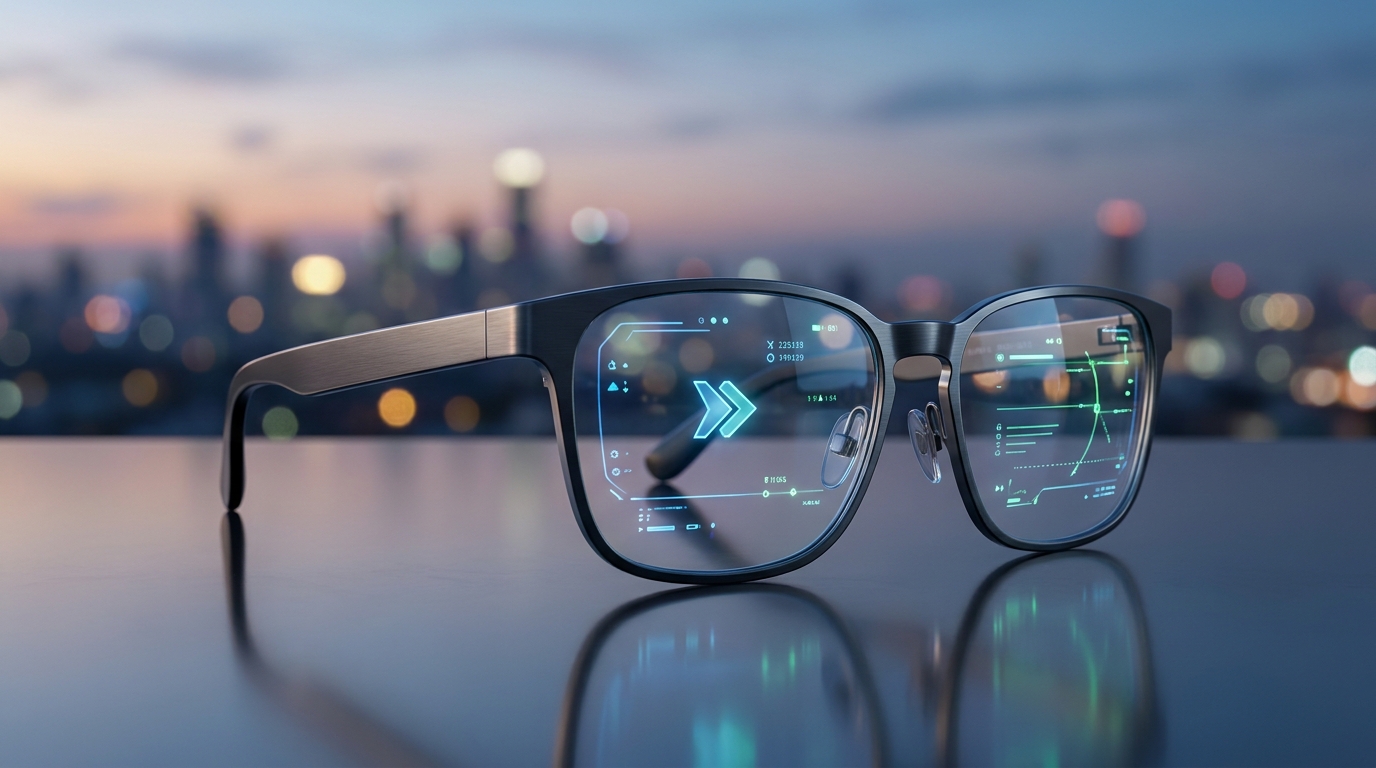
Furthermore, the market is quietly favoring display-first, utility-focused eyewear over camera-heavy models. Rokid's dual AI glasses, offering both display and voice-centric options, demonstrate this shift. Meta itself is reportedly in a 'display-less retreat' for some models, even launching camera-free Ray-Ban Meta Audio glasses to address privacy concerns. This reinforces the idea that true innovation isn't about surveillance, but about seamless augmentation.
For hackers, this means a clear mandate: focus on pragmatic, display-first applications that enhance rather than intrude. Build always-on AI assistants that are transparent, user-controlled, and privacy-centric by design. The underlying principles of Muse's proactive, code-executing AI can be re-imagined and re-engineered in an open environment.
The opportunity is to leverage open-source tools and platforms to create highly personalized, intelligent eyewear experiences. Developers can bypass the restrictions of corporate ecosystems, developing bespoke solutions for niche markets or individual preferences. This is about empowerment, giving the user, and the builder, ultimate control.
The future of smart glasses is not a pre-packaged, surveillance-laden device from a tech titan. It is a highly customizable, open platform, where intelligent agents, inspired by the likes of Muse, can be built, iterated, and deployed by a vibrant community of innovators. This is the true meaning of Mentra and open-source for hackers: a blueprint for unbridled innovation.
The market's rejection of intrusive tech and the simultaneous rise of powerful, yet accessible, AI models are converging. This provides a unique window for those willing to build. The next generation of smart glasses will be defined not by who built the biggest walled garden, but by the collaborative spirit of the open frontier.
Interactive guide — prices, displays, cameras, battery.
Share this story