Analysis · —
The Invisible Revolution: Why Display-Less AI Glasses Will Own the Mass Market
While the industry chases visual augmentation and VR, true everyday utility for smart glasses lies in discreet, display-less AI. The path to mass adoption demands an end to screens in our eyewear, prioritizing seamless intelligence over visual spectacle.
The smart glasses landscape in 2026 is a battlefield of grand ambitions and fundamental missteps. From ultra-cheap camera glasses to luxury-emblazoned frames, the market is rife with options that, despite their technological flair, consistently overlook the core needs of a skeptical public.
The loudest signal of this disconnect echoes from the ongoing privacy crisis. Kmart's Anko camera glasses, selling out rapidly at $89, proved an undeniable demand for accessible smart eyewear. Yet, their immediate, widespread 'privacy firestorm' highlights the public's deep distrust of discreet recording devices.
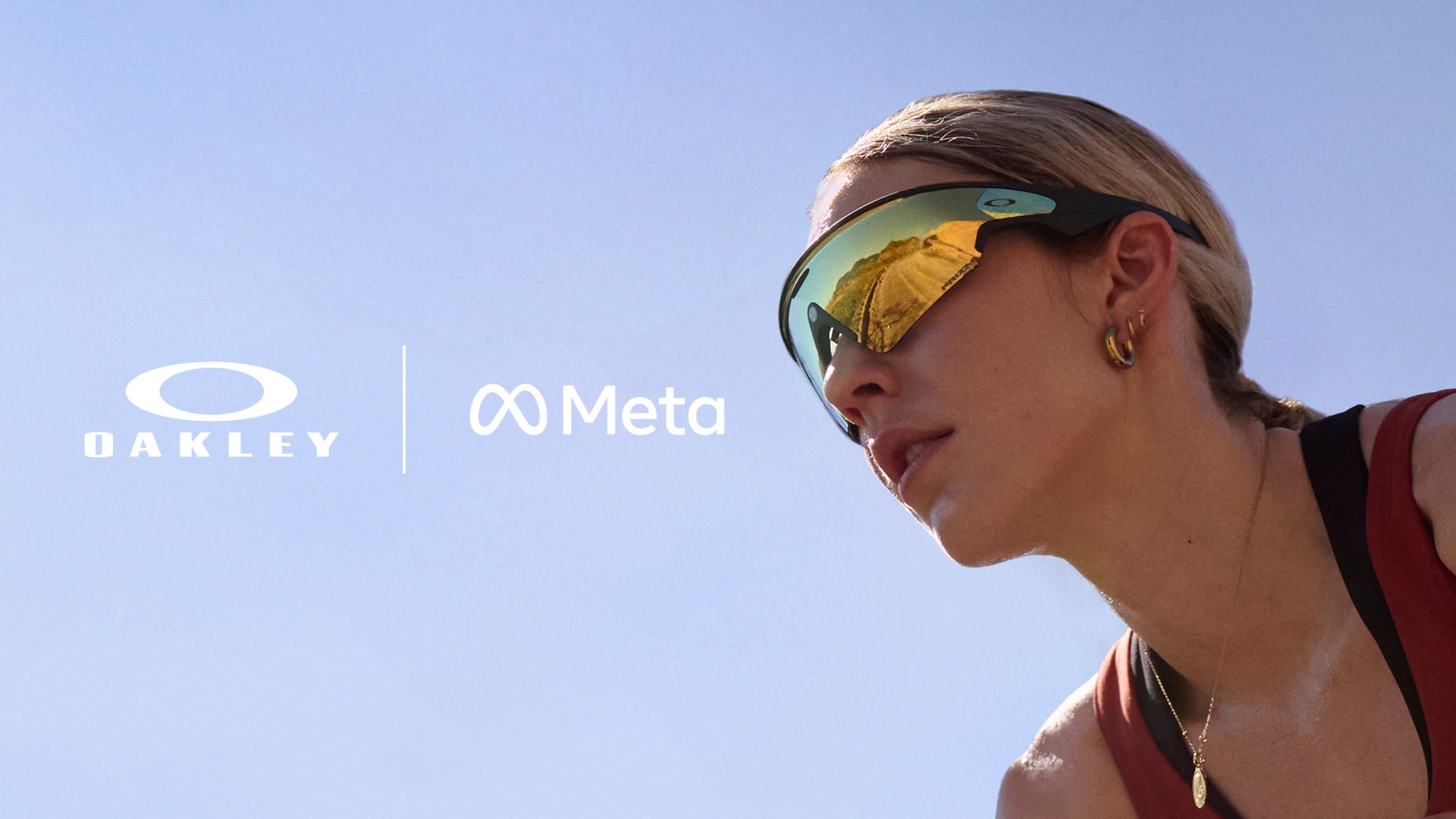
This isn't an isolated incident. Meta's dominant Ray-Ban Meta glasses, despite their advanced AI capabilities, have been widely labeled 'pervert glasses' due to widespread concerns over non-consensual recording. European IT lawyer Alexandra Iteanu's stark warning in Les Echos underscores the point: current legal frameworks are failing, and the onus of privacy is unfairly shifted to the recorded.
This social backlash against camera-first, display-optional devices reveals a critical flaw in the prevailing product strategy. When devices are perceived as surveillance tools, they will never achieve mass acceptance. The public is simply not ready to normalize constant, invisible recording from every passerby.
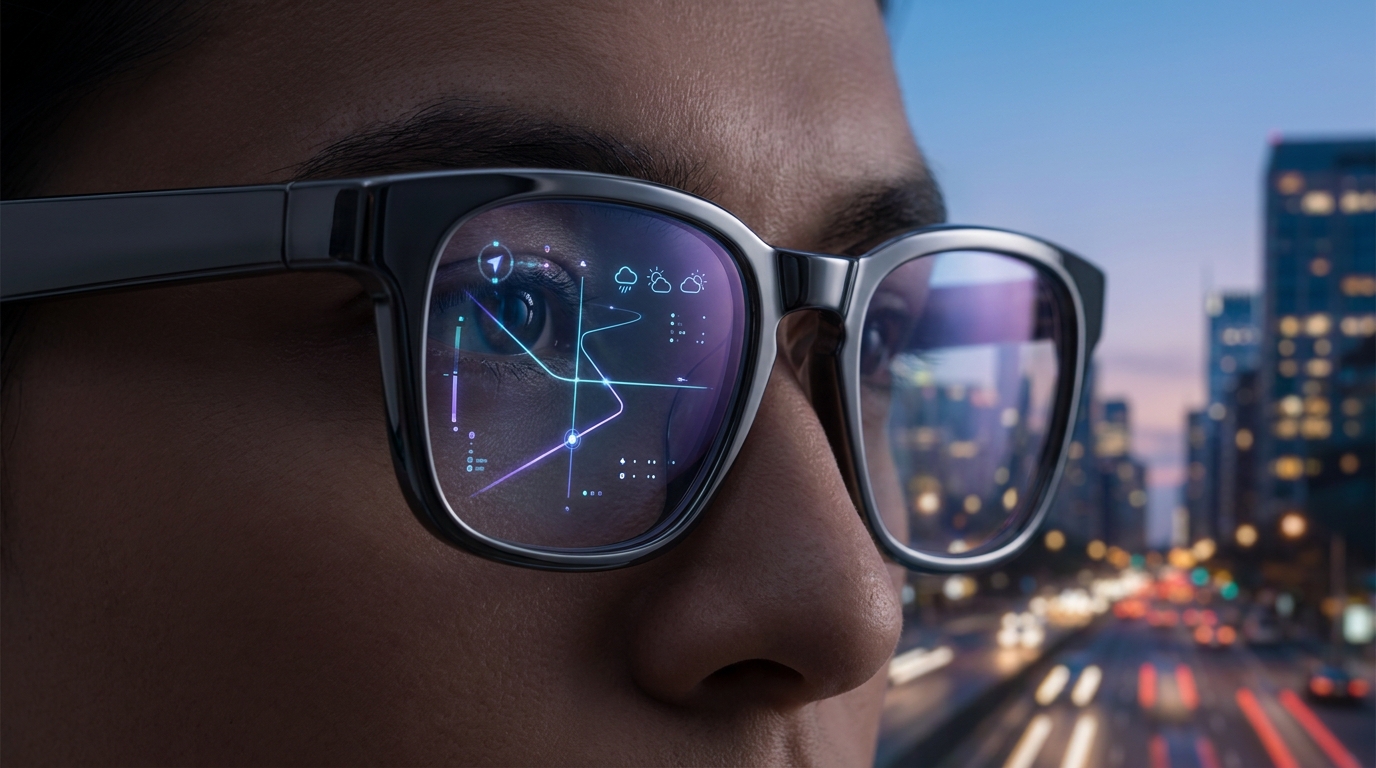
Meanwhile, a segment of the industry remains fixated on visual displays. Viture's Pro 2 AR glasses, at $299, offer impressive clarity and integrated vision correction, challenging rivals like Xreal. RayNeo, XREAL, and Rokid are quietly securing a niche for 'display-first' AR experiences.
However, this focus on immersive AR or heads-up displays fundamentally misunderstands the mass market for AI companions. While ActiveLook carves a sharp niche for athletes with its purpose-built HUDs, delivering data without distraction, the everyday user doesn't need a screen in their face to be smarter.
Indeed, a compelling counter-narrative is emerging: the autonomous agent is the star, and the display is a hindrance. Developer Samin Yasar's 'VisionClaw' demonstrates this perfectly. By transforming Ray-Ban Meta glasses into an autonomous AI agent, connected to Google's multimodal Gemini API and OpenClaw, the system diagnosed a car issue and ordered a part independently.
The brilliance here is in the *agent's intelligence* and *action*, not what the user sees. The glasses merely act as the agent's eyes and ears. Alibaba's Qwen agent glasses, though equipped with a 3DoF spatial display, similarly emphasize calling third-party Skills and Agents on demand, powered by Qwen, their flagship multimodal model.
This agent-first approach, prioritizing seamless, context-aware audio interaction and proactive assistance, bypasses the social stigma and technical overhead of visual displays. A truly display-less device cannot be accused of 'pervert glasses' behavior, because it lacks the primary tool for non-consensual visual recording.
Furthermore, removing complex optical components drastically reduces manufacturing costs, opening the door to true affordability. The rapid sell-out of Anko's $89 camera glasses and the audacious $18 'ChatGPT AI Smart Glasses' from Kwenrun demonstrate an insatiable appetite for accessible price points.
Display-less AI glasses meet this demand. They offer discreet, powerful audio assistance and agent capabilities without the visual distraction, privacy concerns, or cost of integrated displays. They become invisible computing, seamlessly woven into the fabric of daily life.
The 'silent conquest' of display-first glasses in the AR space, as some argue, is a conquest of a niche, not the mainstream. AR is a tool for specific tasks, for productivity or entertainment. True mass-market AI glasses, however, are about invisible, ubiquitous assistance.
The real revolution in smart eyewear will not be seen. It will be heard, felt, and experienced through proactive, intelligent agents that discreetly enhance our lives without drawing attention, sparking privacy fears, or demanding our visual focus. The future of mass-market smart glasses is elegantly, powerfully, display-less.
Interactive guide — prices, displays, cameras, battery.
Share this story