Analysis · —
The Invisible Hand: How Always-On AI is Seizing Control of Your Eyewear
Forget the hype and the privacy fumbles. A fundamental shift in smart glasses is underway, bringing pervasive, context-aware AI directly to your line of sight and hearing.
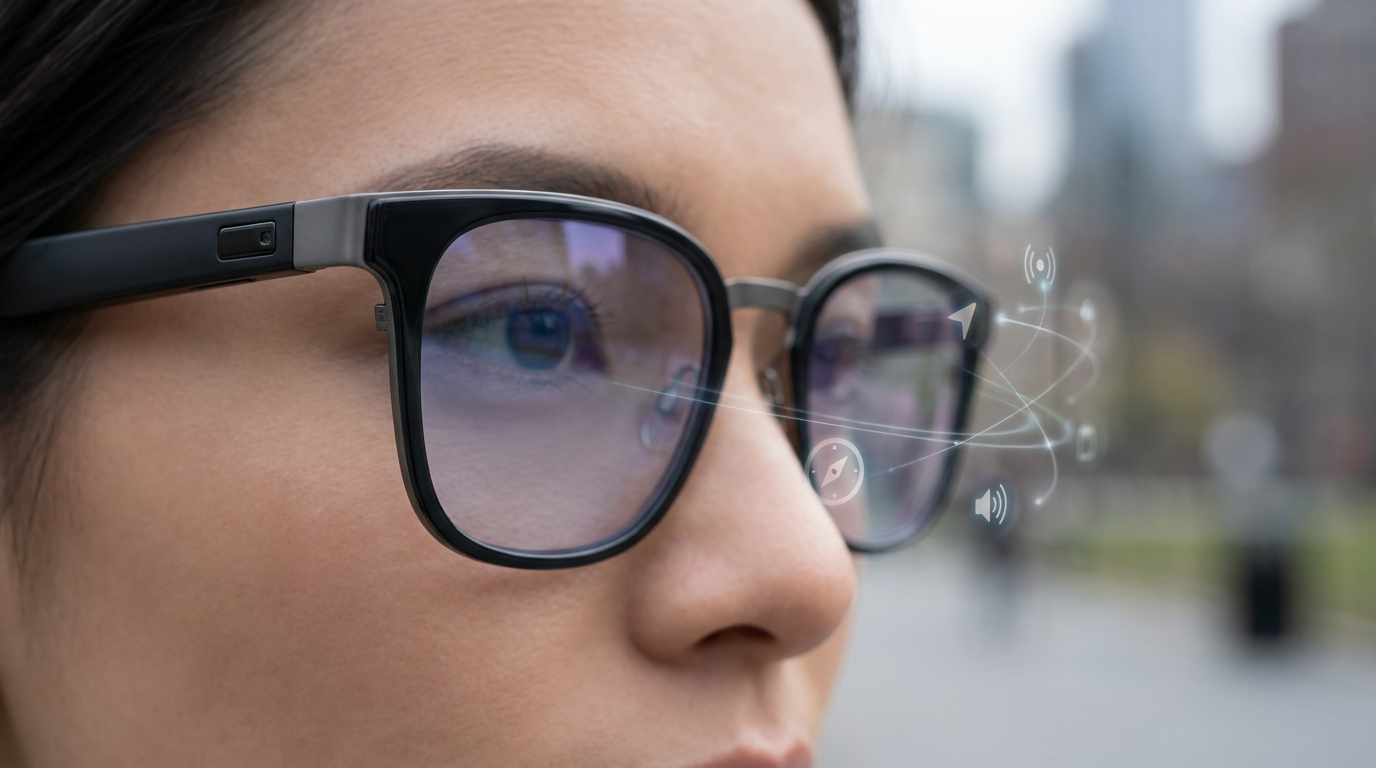
The smart glasses market has been a graveyard of ambition, often tripping over privacy or technological immaturity. Yet, beneath the chaotic surface, a quiet, profound transformation is underway: the inevitable rise of always-on AI assistants, seamlessly integrated into our eyewear. This isn't a futuristic fantasy, but a present reality, driven by converging hardware advancements, platform consolidation, and a relentless focus on utility. The future of interaction is poised to move from our hands to our faces, empowered by intelligent, ever-present digital companions.
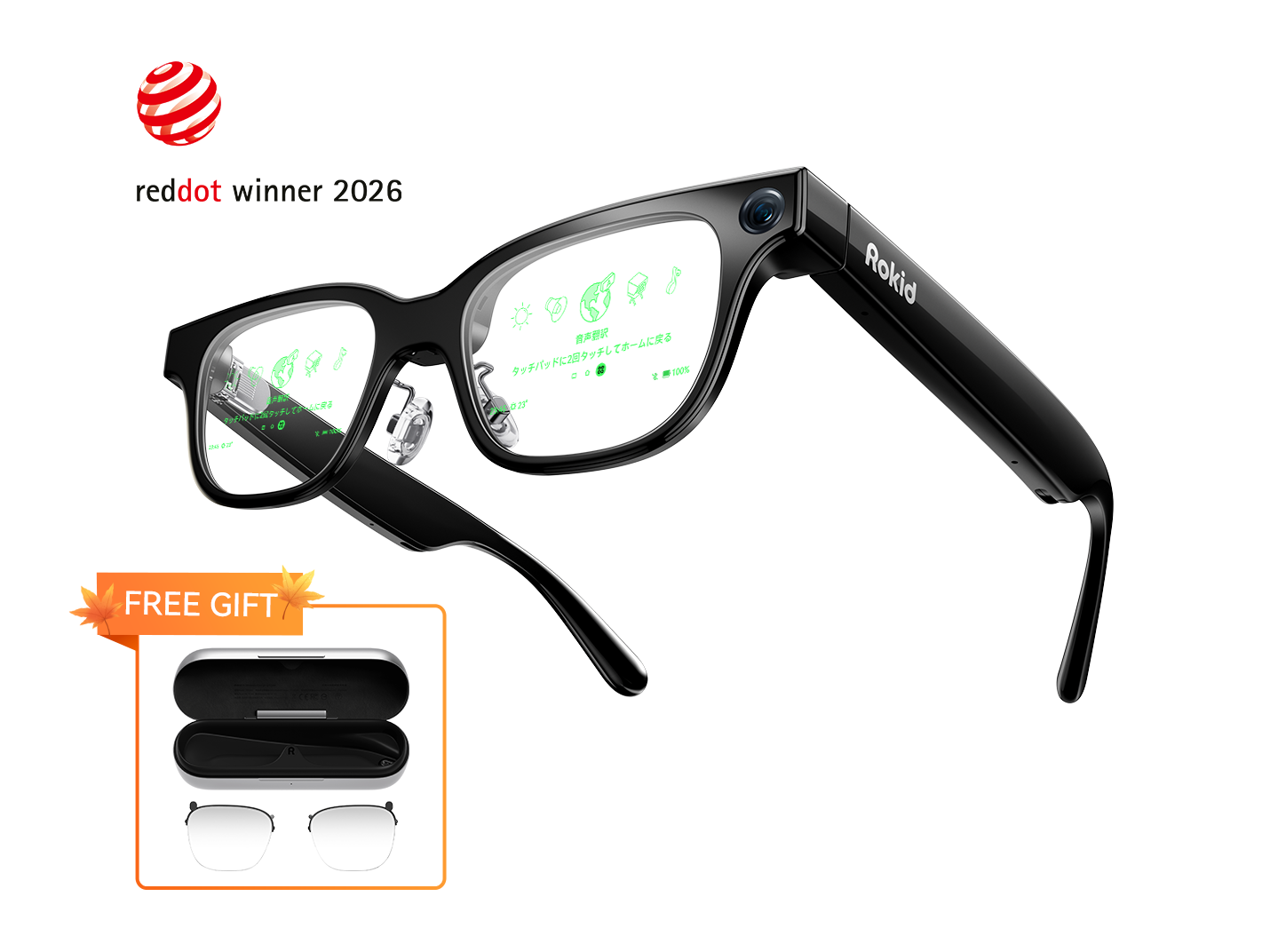
At the core of this visual AI revolution lies the display. While industry giants fumble, companies like XREAL, RayNeo, and Rokid are quietly dominating the AR display war, democratizing cutting-edge optics. Magic Leap, once a proprietary AR device pioneer, has strategically pivoted to supplying advanced waveguides and integration expertise to partners, accelerating the development of sophisticated AI display glasses for everyone. This shift means that high-performance, compact visual interfaces are no longer a bottleneck for the broader market.
The aesthetic evolution is equally critical for always-on adoption. Even Realities' G2 Display Smart Glasses, designed by Lindberg, exemplify a "quiet tech" philosophy, blending style with substance. They prioritize genuine utility and advanced micro-LED displays over camera gimmicks, acknowledging consumer hesitancy around overt surveillance. This commitment to unobtrusive design and visual quality paves the way for eyewear that people actually want to wear for extended periods, making always-on AI a comfortable reality.
Powering these increasingly sophisticated visuals and making them truly "smart" is the operating system. Google's Android XR is positioned to sweep in and fundamentally rewrite the rules, establishing itself as the dominant open standard within the next year. This unification promises to bring cohesion to the experimental mess of fragmented platforms. With Android XR, a robust, standardized environment for AI applications will finally emerge, fostering innovation and interoperability.
The era of smart glasses chasing elusive mainstream consumers with social media integration is fading. Instead, a potent revolution is brewing in the shadows, led by utility-focused, open smart eyewear. Monako's Glass, an ultra-light AI coding workstation, explicitly targets developers with a "tool, not a toy" philosophy, representing a fundamental re-orientation of the industry's priorities. This signals a shift toward specialized, always-on AI assistants designed for specific professional tasks.
Nowhere is this utility-first approach more evident than in the virtual desktop revolution. INAIR, with its 2 Elite Suite, isn't just shipping another pair of AR glasses, it's shipping a new paradigm for productivity. The system aims to transform how professionals interact with their digital workspace, projecting up to six virtual screens simultaneously via its dedicated Pod. This is a clear manifestation of an always-on AI assistant, delivering a persistent, expansive digital environment directly to the user's line of sight.
While professional productivity leads the charge, the spectrum of AI-enabled eyewear is broad. The sub-$100 segment, exemplified by BlackSheep's audio-first models, provides entry-level AI capabilities centered on voice interaction and open-ear audio. Even premium offerings like the ASUS ROG Ally X20, though initially bundled controversially with XREAL R1 AR gaming glasses, highlight a growing appetite for immersive, visually augmented experiences in gaming, where an always-on AI can provide real-time data overlays or contextual assistance. Lamborghini's foray into high-end AR apps also points to a future of specialized, luxury-focused AI experiences.
This pervasive, always-on AI future cannot ignore the elephant in the room: privacy. Activist groups, such as the collective that hijacked London bus stops with dystopian Meta smart glasses ads, are starkly illustrating public anxiety. The campaign, which transformed Meta's promotions into warnings like "Meta: We're always watching," underscores profound concerns about surveillance and data collection. This backlash necessitates a careful, transparent approach to AI integration, especially when cameras are involved.
The tension between utility and privacy often hinges on the camera. While some devices embrace it, others, like Even Realities' G2, explicitly prioritize substance over "camera gimmicks," acknowledging the public's unease. The industry is bifurcating, with some players focusing on visual output and audio input, leaving overt camera functionality as an optional, carefully considered feature. This differentiation is key for consumer trust and widespread adoption of always-on AI, which doesn't inherently require constant visual recording.
The "always-on AI assistant" in eyewear is not merely about voice commands. It's about contextual awareness, predictive insights, and seamless information delivery, whether visually overlaid or audibly whispered. It means real-time data from INAIR's virtual desktop, proactive prompts from Monako's coding workstation, or ambient information from a simple audio pair. It is about a digital layer that understands your environment and needs, without necessarily recording every moment.
The pieces are falling into place: robust displays from XREAL, RayNeo, and Rokid, standardized intelligence from Android XR, and compelling, specific utility from INAIR and Monako. The price spectrum, from sub-$20 audio glasses to multi-thousand-dollar AR visors, reflects a market segmenting to meet diverse needs and budgets. This convergence guarantees that intelligent, always-on companions in our eyewear are not just coming, they are already here, evolving at an accelerating pace.
This isn't just a gadget upgrade, it's a fundamental shift in how we interact with information and the digital world. Our glasses will become intelligent portals, offering instant access to computing power and contextual data, augmenting our reality in ways both subtle and profound. The future of smart eyewear is not just about seeing more, but about understanding more, with an AI assistant continuously, seamlessly, and intelligently by our side.
Interactive guide — prices, displays, cameras, battery.
Share this story