Analysis · —
The Glass Ceiling Breaks: Open OS, Cheap Hardware, and the Hacker Vanguard
The battle for smart glasses operating systems is setting the stage for a dramatic power shift. With MentraOS and Android XR opening doors, coupled with ultra-affordable hardware, hackers and builders are finally poised to reclaim the narrative from corporate walled gardens.

The fight for smart glasses dominance is playing out, not in flashy hardware announcements, but in the trenches of operating systems. Mentra's recent report details a fragmented landscape: Meta's tightly controlled ecosystem, the familiar Android XR, the open-source MentraOS, and Alibaba's agent-native stack. For anyone serious about building the future, this OS battle signals a pivotal moment, presenting a clear fork in the road.
Meta, the volume leader, has chosen a deliberately closed strategy with its Wearables Device Access Toolkit. While allowing some integration with existing apps, their philosophy prioritizes platform control over genuine openness. This approach, unfortunately, has become synonymous with a litany of privacy blunders that have plagued the entire smart eyewear category.
Their Ray-Ban Meta glasses are frequently derided as 'pervert glasses,' a damning indictment born from persistent privacy failures and public mistrust. Viral incidents, like a woman confronting a doctor wearing smart glasses during a consultation, underscore the deeply embedded fears. Even Instagram's much-hyped AI moderation for content filmed with Meta AI glasses is proving to be an uphill, failing battle against a deluge of harassing content.
This public sentiment isn't merely anecdotal. Immigration and Customs Enforcement, ICE, has officially banned Meta smart glasses for employees, classifying them as body cameras and citing significant privacy concerns. This institutional rejection reflects a systemic failure of public trust, far beyond the scope of mere social media gaffes.
Despite this mounting backlash, Meta continues to double down on controversial AI. Their recent patent filings detail advanced facial recognition capabilities for smart glasses, allowing the devices to identify individuals, label relationships, and automatically generate social event highlights. This risky bet on AI further solidifies their surveillance-first reputation.
But the market is now fragmenting, and a new, more promising path is emerging for builders. This road is paved with open platforms and unprecedented affordability, fundamentally shifting control away from monolithic corporations. It's the unlocking event the smart glasses ecosystem has desperately needed.
Android XR, described as the 'looming reset button,' and MentraOS, the 'open-source challenger,' represent the vanguard of this new era. These platforms are designed to empower developers, breaking free from the restrictive constraints that have stifled innovation within Meta's closed garden. They are poised to fundamentally reshape the industry's software foundation.
Complementing this software liberation is a seismic shift in hardware accessibility. Rollme's debut of the ProView smart glasses at an astonishing $99.99 is not just another product launch. It's a direct assault on the industry's prohibitive pricing model, democratizing crucial technology and putting 'cheap glass' into the hands of the masses.
This unprecedented price point, combined with features like a 12MP Sony camera and AI translation, means experimentation is no longer a luxury. It enables a grassroots movement, allowing more individuals to tinker, hack, and build. Even diverse hardware offerings like RayNeo's discreet iO and cinema-grade GT series will benefit from open ecosystems.
This combination of open software and affordable, hackable hardware is critical. It shifts the narrative away from surveillance concerns and towards genuine utility. Imagine tailored applications for accessibility, for professional niche uses, or for entirely new forms of interaction, all built without the baggage of corporate-mandated privacy compromises.
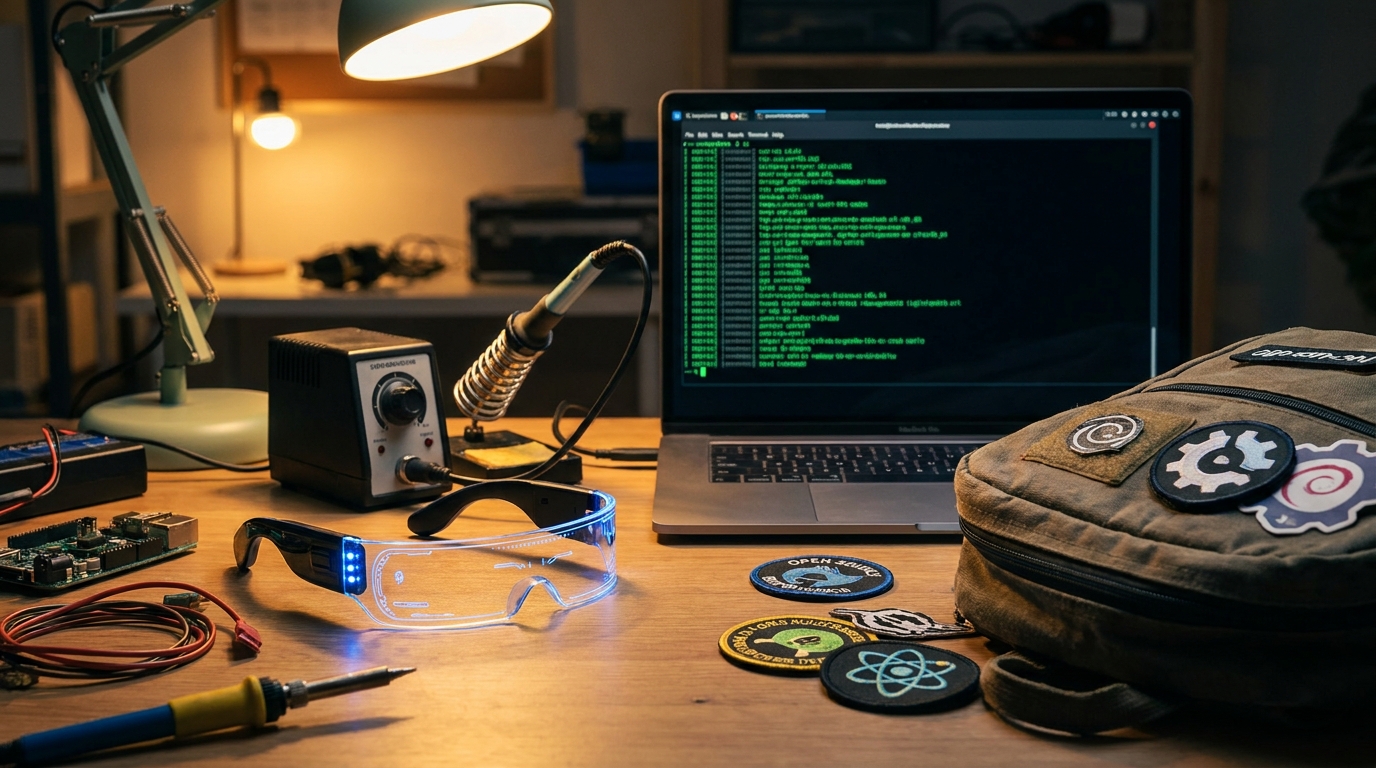
For the hacker vanguard, this is a blank canvas. An open OS and inexpensive devices mean the freedom to build bespoke applications, integrate unique sensors, develop custom UIs, and explore use cases far beyond what any single brand envisions. The power moves from a handful of corporate developers to a global community of innovators.
The future of smart glasses will not be dictated by a single, privacy-hostile giant. It will be shaped by the collective ingenuity of independent developers and tinkerers. MentraOS and Android XR, alongside products like Rollme's ProView, offer the tools for this decentralized revolution.
The era of tightly controlled, surveillance-heavy smart glasses is giving way. What emerges next is a vibrant, open ecosystem driven by builders and hackers, ready to finally deliver on the promise of truly smart, truly useful, and truly accepted wearable technology. The future is open source, and it's affordable.
Interactive guide — prices, displays, cameras, battery.
Share this story