Analysis · —
The Ghost in the Machine: Why Display-Less Smart Glasses Are Quietly Winning
While the industry chases full augmented reality, a quieter, more utilitarian category of smart eyewear is surging. User privacy fears and a thirst for subtle, AI-driven utility are driving a surprising market shift towards glasses without screens.
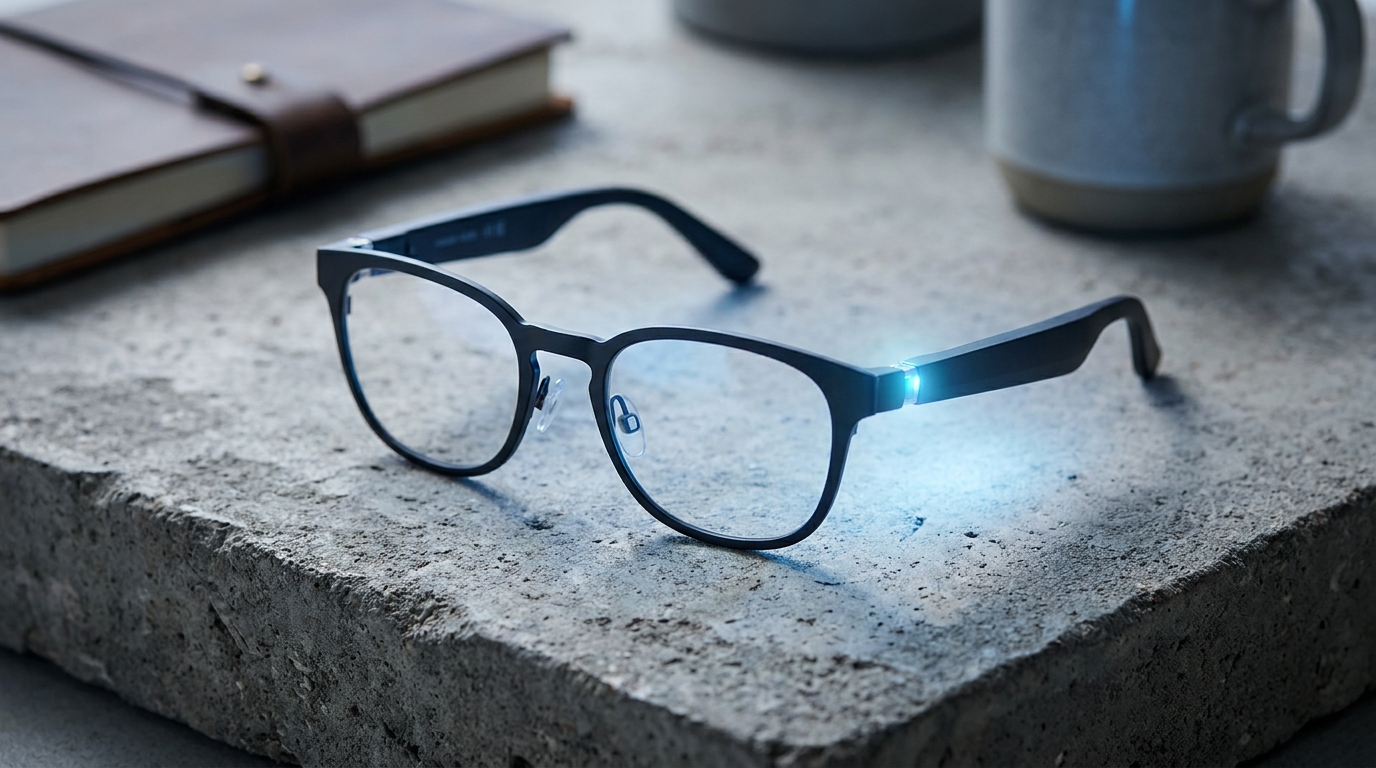
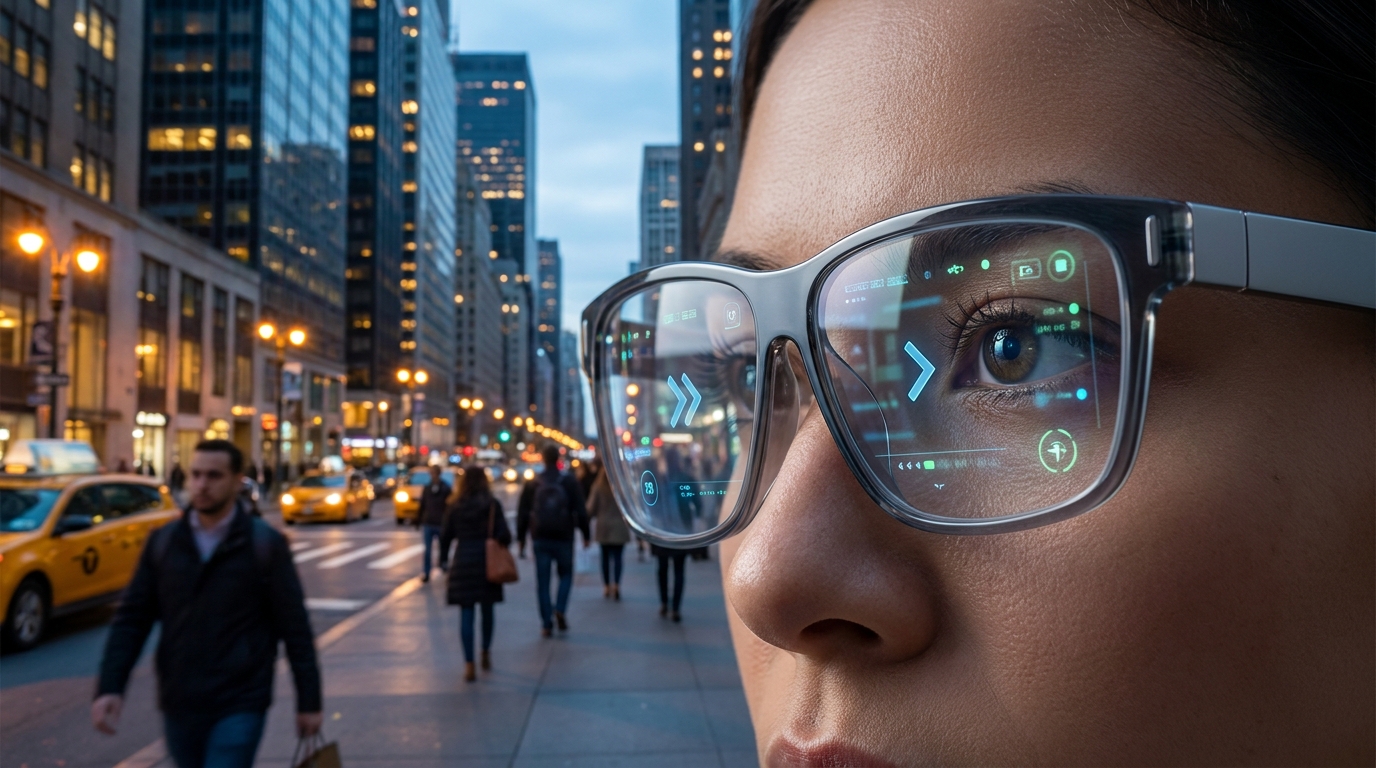
The smart glasses market has long been fixated on grand visions of augmented reality. Companies like Snap, with its $2,195 Specs, and Meta, with its evolving Ray-Ban Display models, continue to push the boundaries of what a screen-in-lens experience can deliver, often to mixed reviews on optics and widespread consumer adoption.
Yet, beneath the hype of holographic avatars and immersive displays, a far more significant, almost stealthy, revolution is underway. The true growth story in smart eyewear isn't about what you see, but what you hear, what you ask, and crucially, what you *don't* record.
Privacy remains the industry's intractable problem. Meta's latest Connect conference highlighted this stark reality. While they continue to refine their camera-equipped Ray-Ban Meta Gen 3 AI glasses, alongside lightweight VR Glasses, the relentless global alarm over pervasive recording capabilities is undeniable.
Incidents of unwanted filming, coupled with a general societal discomfort around discreet cameras, have forced companies to re-evaluate. Meta's new policy allowing users to opt out of visual data training for Meta AI, while a step, underscores the depth of the privacy challenge.
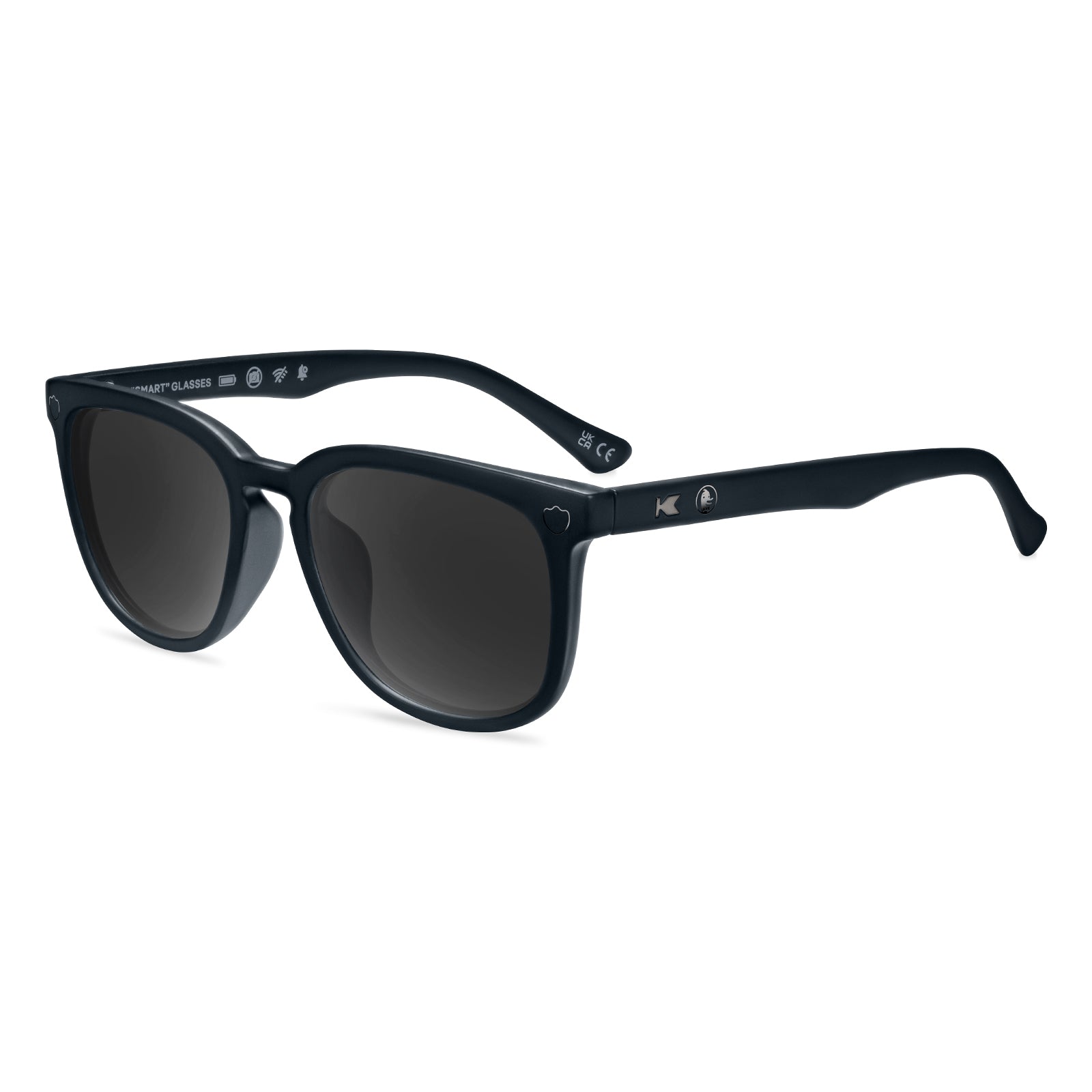
It is within this landscape of privacy backlash that Meta made a telling move, expanding its audio-only Ray-Ban Meta Audio lineup. Ditching the camera entirely, these frames prioritize open-ear audio, hands-free calls, and integrated Meta AI, positioning discretion and utility over visual capture.
This strategic pivot isn't merely an olive branch to privacy advocates, it is a response to demonstrable market demand. The Ray-Ban Meta Audio, starting at $349, represents a lighter, slimmer, and more socially acceptable entry point, now even set to gain over-the-counter hearing aid functionality.
Meta's diversification, with an expanded range of over 100 audio-only styles, mirrors a broader industry trend. The numbers speak for themselves: Counterpoint Research reports a staggering 263% year-over-year surge in AI glasses shipments during the first half of 2026, with display-less devices accounting for a dominant 96% of that volume.
Even companies primarily known for virtual displays are shifting. Viture, creators of the display-centric Viture Pro 2 XR/AR Glasses, has unveiled Vonder. These new glasses explicitly forgo an embedded screen, instead focusing on private audio recording, an AI assistant, and personal reflection.
Viture's co-founder, David Jiang, frames Vonder as an introspective tool, highlighting how its AI assistant can offer insights based on vocal patterns. This pivot from a display company is a potent signal: the market is hungry for intelligent, unobtrusive wearables that prioritize listening and processing over presenting visuals to the wearer.
The biggest player yet to enter, Apple, is rumored to follow this display-less path. Their anticipated first smart glasses are expected to forgo an augmented reality display, focusing instead on audio, camera, Siri integration, and seamless connectivity within their ecosystem. This is not incidental, it is strategic.
This "silent comeback" of HUD-only, or more accurately, display-less, smart glasses marks a maturity in the market. It recognizes that true utility for many daily use cases does not require a complex visual overlay, nor the social baggage of a camera.
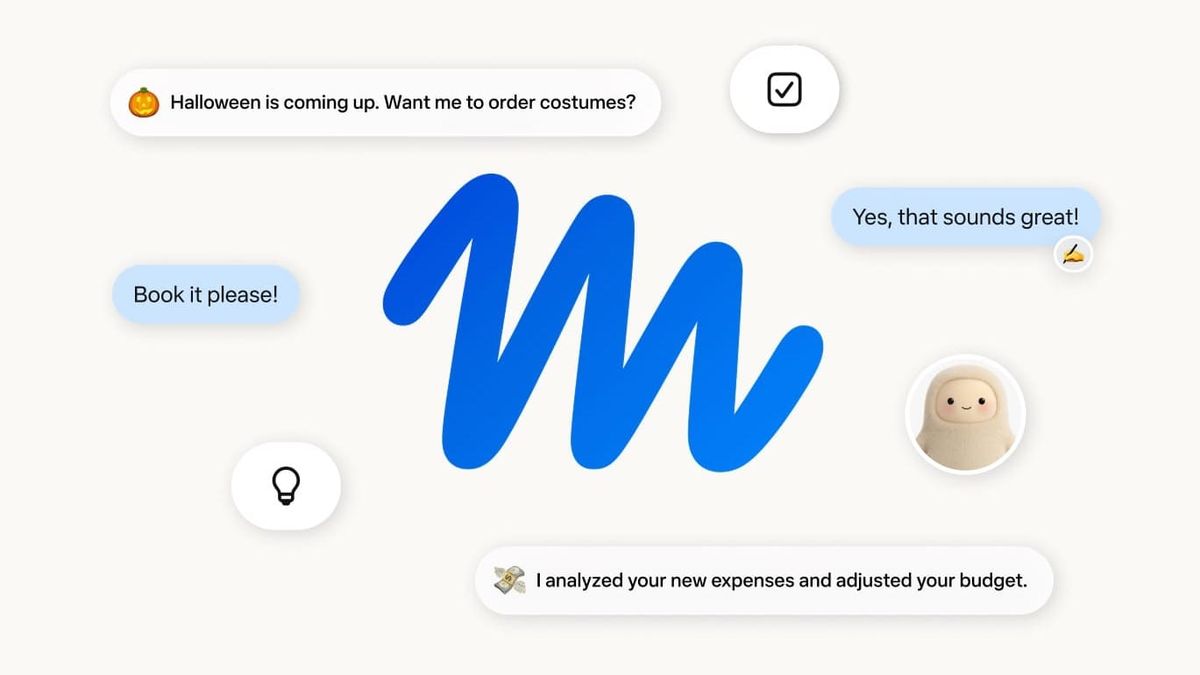
Instead, these devices are becoming discreet personal AI assistants, offering a powerful, hands-free interface to information, communication, and even health, as seen with Meta's hearing aid functionality. They are integrating seamlessly, almost invisibly, into users' lives.
The future of smart eyewear is not a monolithic vision. While full AR glasses will continue their challenging trajectory, the rapid, substantial growth of display-less AI glasses signals a powerful user preference for simplicity, discretion, and focused utility. This segment isn't just surviving, it is thriving, quietly shaping the smart eyewear landscape for years to come.
Interactive guide — prices, displays, cameras, battery.
Share this story