Analysis · Qualcomm
Snapdragon AR2 Gen 1: Qualcomm's AR Vision Met by Custom Silicon
Three years after its debut, Qualcomm's AR2 Gen 1 chip has yet to power the mainstream consumer AR glasses it promised. Major players like Meta and Snap are now opting for in-house silicon, leaving Qualcomm's advanced platform in a precarious position.
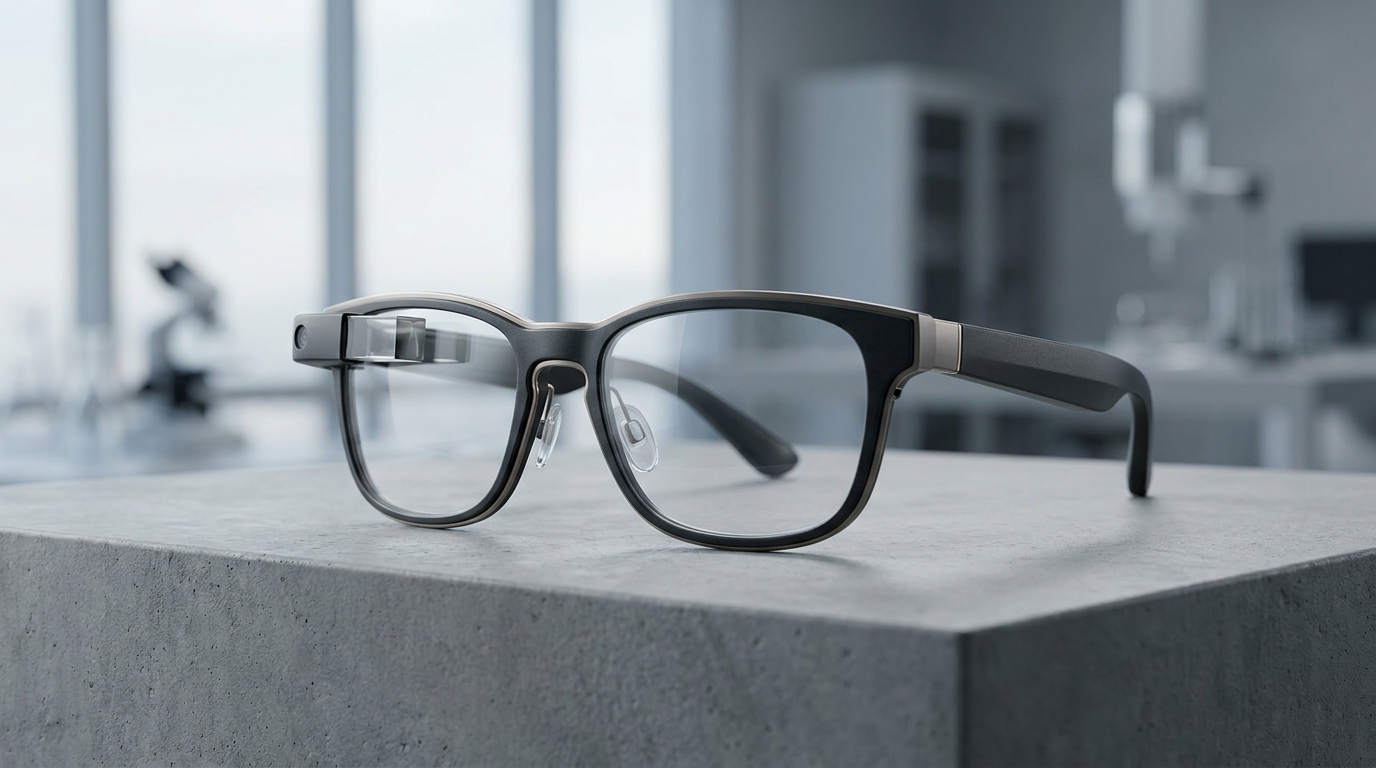
When Qualcomm unveiled the Snapdragon AR2 Gen 1 at the Snapdragon Summit in November 2022, it was touted as the breakthrough silicon for thin, all-day augmented reality glasses. Its design featured a distributed multi-chip architecture, with a co-processor in each temple, a tethered link to a phone or PC, and a power envelope engineered to integrate seamlessly into normal-looking frames. Yet, three years on, that ambitious vision remains largely a reference design.
The most prominent device to feature the AR2 Gen 1 is still the Xiaomi Wireless AR Glass Discovery Edition, a 126-gram prototype shown at MWC 2023. This demo unit included micro-OLED panels, hand tracking, and a Wi-Fi 7 link to a Xiaomi phone, but never reached retail. DigiLens ARGO also paired the AR2 with its Crystal Waveguides for an enterprise headset, targeting field workers, firmly positioning it in the B2B sector, not on consumer faces. Qualcomm Newsroom itself notes that beyond Goertek's public reference design, the roster of announced AR2 partners has remained thin, failing to deliver the promised mass-market consumer AR glasses.
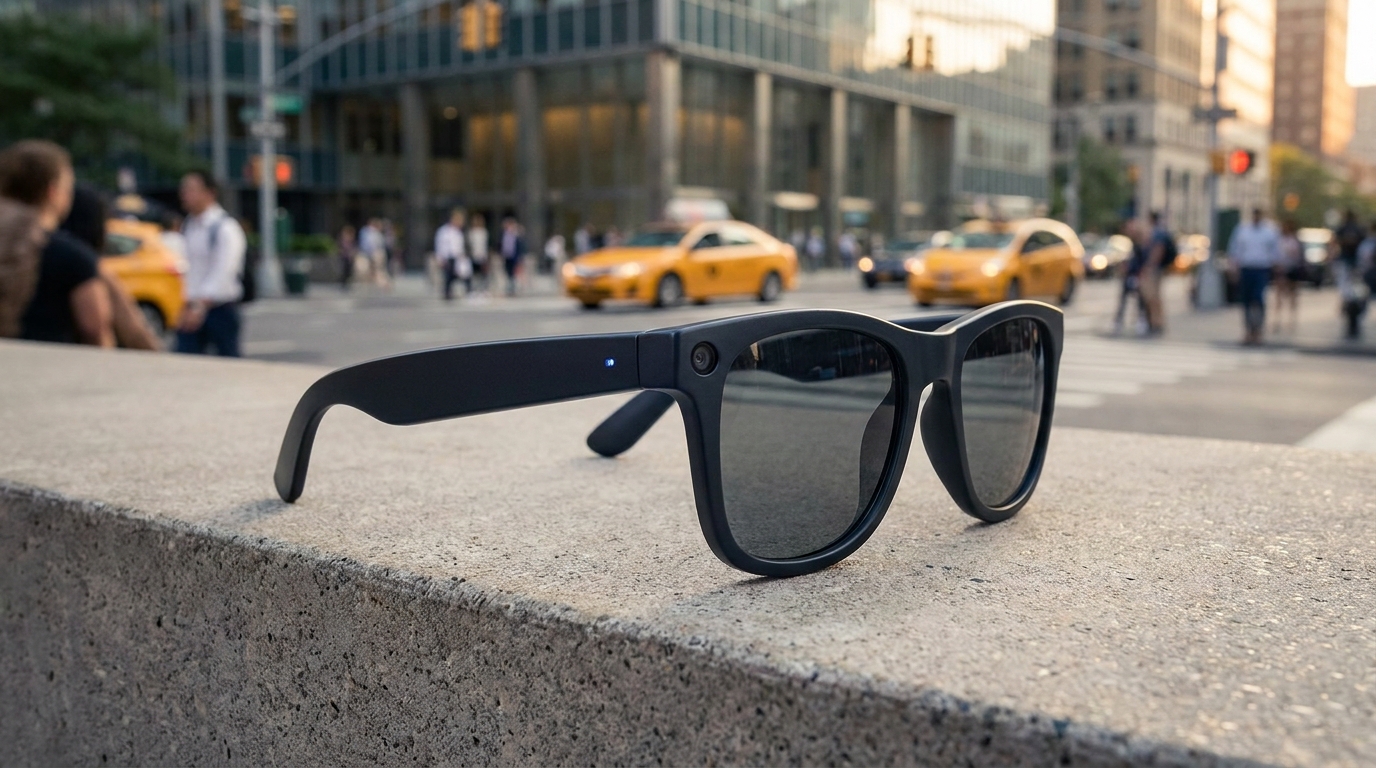
Instead, companies that have actually shipped high-profile smart eyewear in recent years chose a different path. Products like Ray-Ban Meta Gen 1 and Gen 2, the Oakley Meta HSTN, and the Samsung Galaxy Glasses with Gentle Monster and Warby Parker all rely on the Snapdragon AR1 Gen 1. This sibling chip is designed for camera and AI-centric smart glasses, notably without a heavy AR display. Samsung's decision, announced at Galaxy Unpacked, was a clear signal: the world's largest smartphone maker's first mainstream Android XR eyewear skipped the AR display layer entirely, and with it, the AR2.
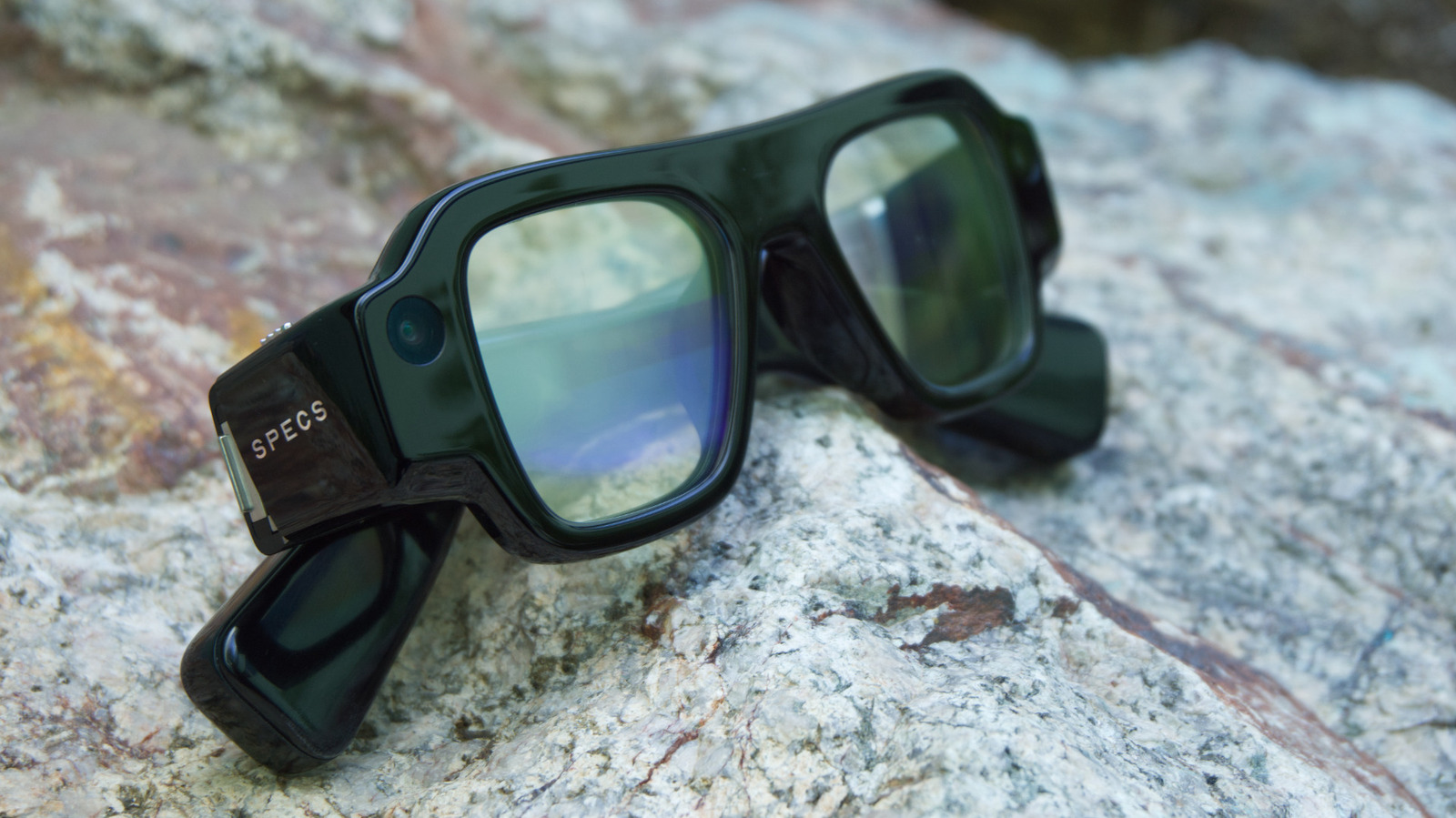
Beyond that, key players pursuing full AR glasses are increasingly moving away from Qualcomm's merchant silicon. Meta's Orion prototype runs on custom Meta silicon. Snap's fifth-generation Spectacles, and its planned consumer Specs for 2026, use Snap's proprietary Spectacles chip. Google's Android XR glasses partners, including Samsung and XREAL, have not confirmed AR2 for their display-equipped roadmaps. Qualcomm Newsroom highlights the problem for a merchant silicon vendor when a category's most ambitious builders opt to develop their own systems-on-chip.
Our take: Two major factors explain AR2 Gen 1's slow adoption. First, timing. The chip was designed for a display-first AR future that simply hadn't materialized in 2023 and 2024. Consumers gravitated toward lighter, cheaper camera-and-AI glasses, a segment AR1 handles well. Enterprise buyers, meanwhile, favored standalone headsets powered by the XR2 line. This left the AR2 positioned for a market segment that proved slower to develop.
Second, unforeseen competition. As Qualcomm Newsroom points out, Meta, Snap, and Google have concluded that the neural, display, and sensor pipelines critical for true AR glasses are strategically vital enough to warrant in-house silicon development. This mirrors Apple's approach with its A-series and M-series chips and effectively carves out a significant portion of the addressable market for any merchant AR SoC before it can achieve scale.
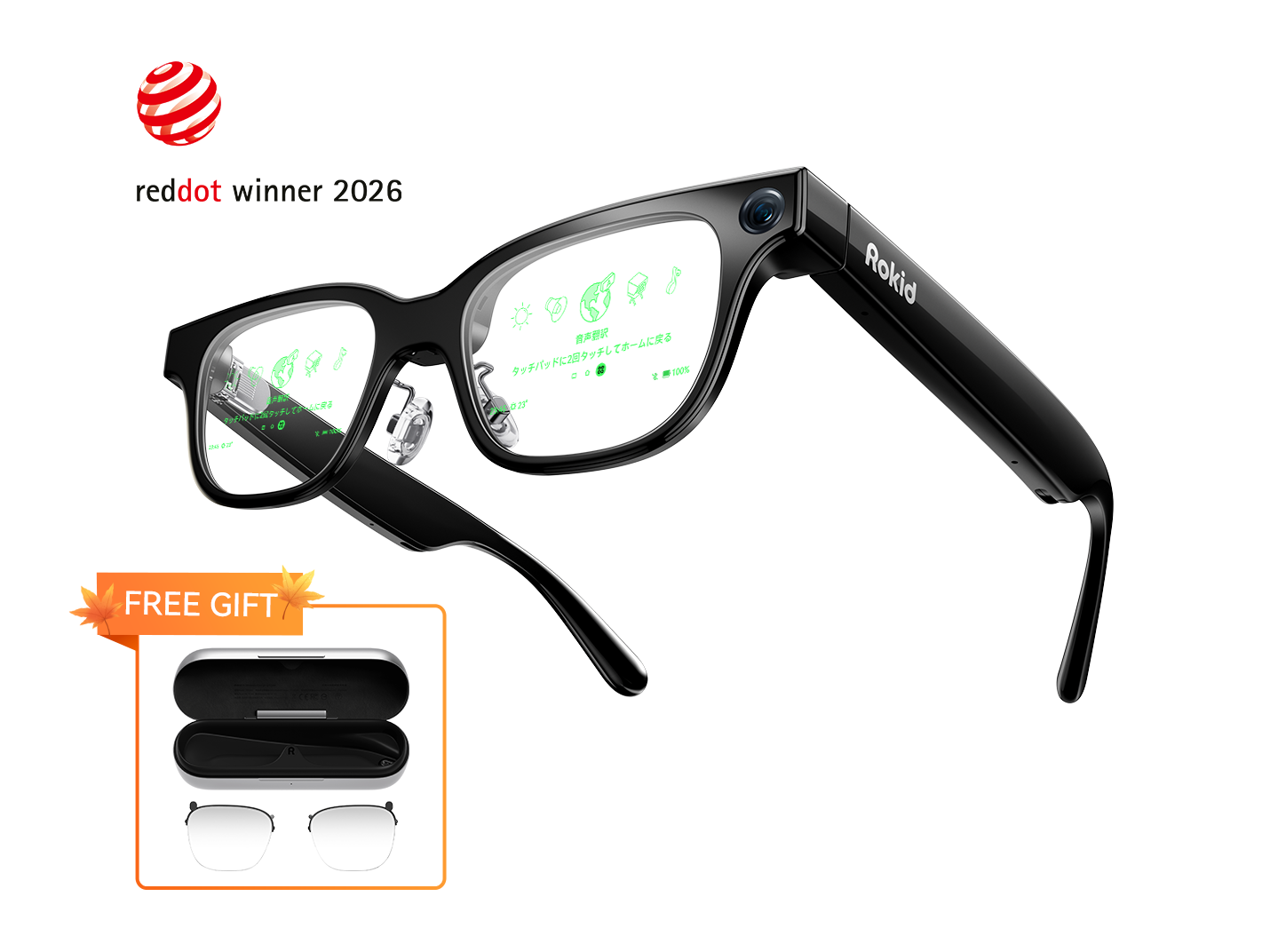
Technically, the AR2 Gen 1 is not a failure. The chip functions, and its reference designs are robust. Forecasts through 2026 suggest a wave of thin, display-equipped devices is finally on the horizon, including Meta's Adventurer, Fury, and Starfire, Google's Android XR display glasses, future Snap Specs, XREAL One Pro successors, and next-gen offerings from INMO and Rokid. The critical question, however, remains: how many of these will incorporate a Qualcomm component?
What this means: Three years in, Snapdragon AR2 Gen 1 appears less like the platform destined to define thin AR glasses and more like the platform that validated the category's potential-a potential now being pursued by other silicon. Qualcomm may have been first, but it is far from guaranteed to be the ultimate winner.
Interactive guide — prices, displays, cameras, battery.
Share this story