Analysis · —
Smart Glasses: The Hacker, The Builder, And The Unseen War For Public Trust
The rise of AI smart glasses heralds a new era of always-on intelligence. Yet, this innovation is locked in a tense struggle with privacy, pushing both bad actors and concerned citizens into new roles.

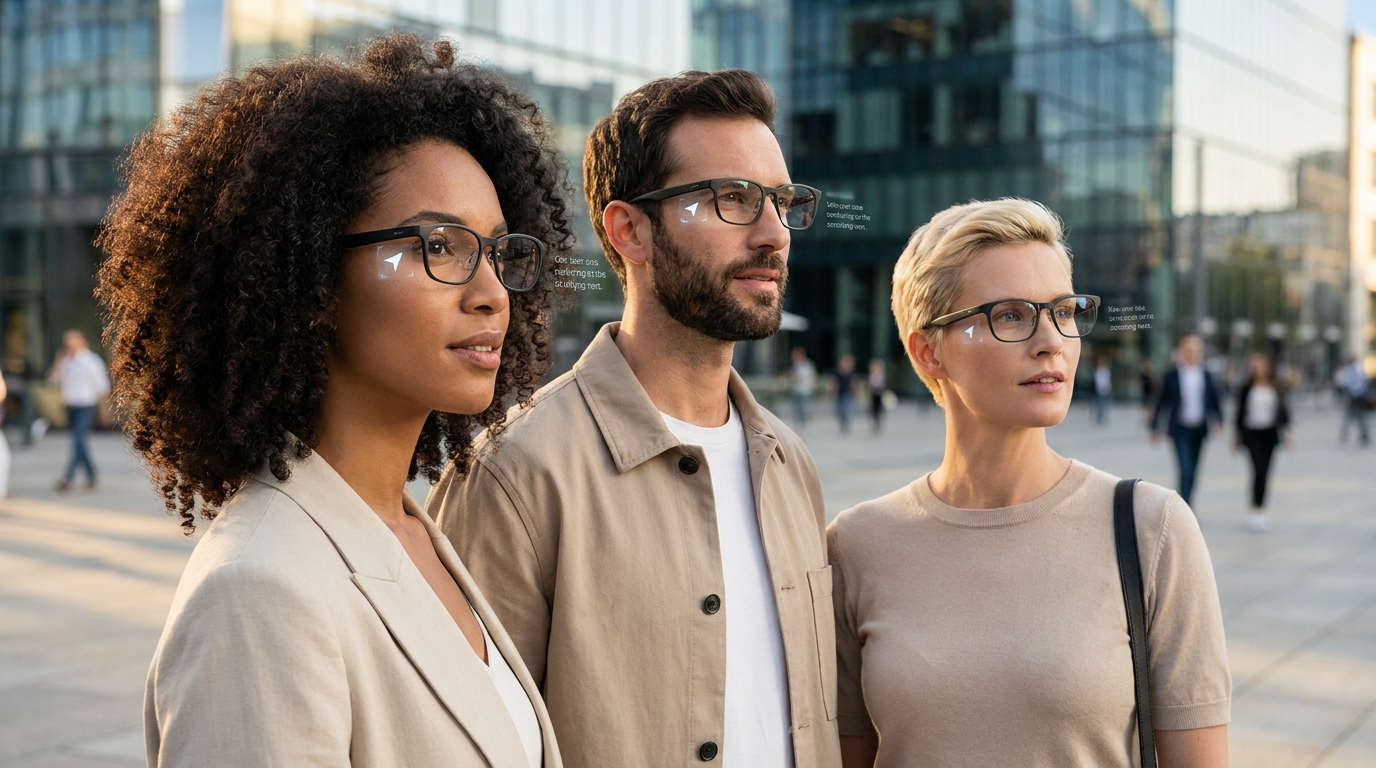
Smart glasses are no longer a fringe concept; they are a mainstream reality. Forbes Vetted recently crowned the Ray-Ban Meta (2nd Gen) as the top choice for 2026, citing its AI capabilities and battery life. This endorsement comes as EssilorLuxottica, co-maker of Ray-Ban Meta AI glasses, reported nearly doubled smart glasses revenue year-over-year, showcasing robust market growth despite a wider industry downturn.
But this surge in adoption immediately highlights a critical tension: the ease with which these devices can be misused. Scott Margerison, known online as E Dobbin, is currently under police investigation in Scotland for covertly filming unsuspecting members of the public with Meta smart glasses. His videos, posted on TikTok, featured offensive comments and prompted a ferry company to suspend public visits, demonstrating the immediate, tangible harm of unchecked recording.
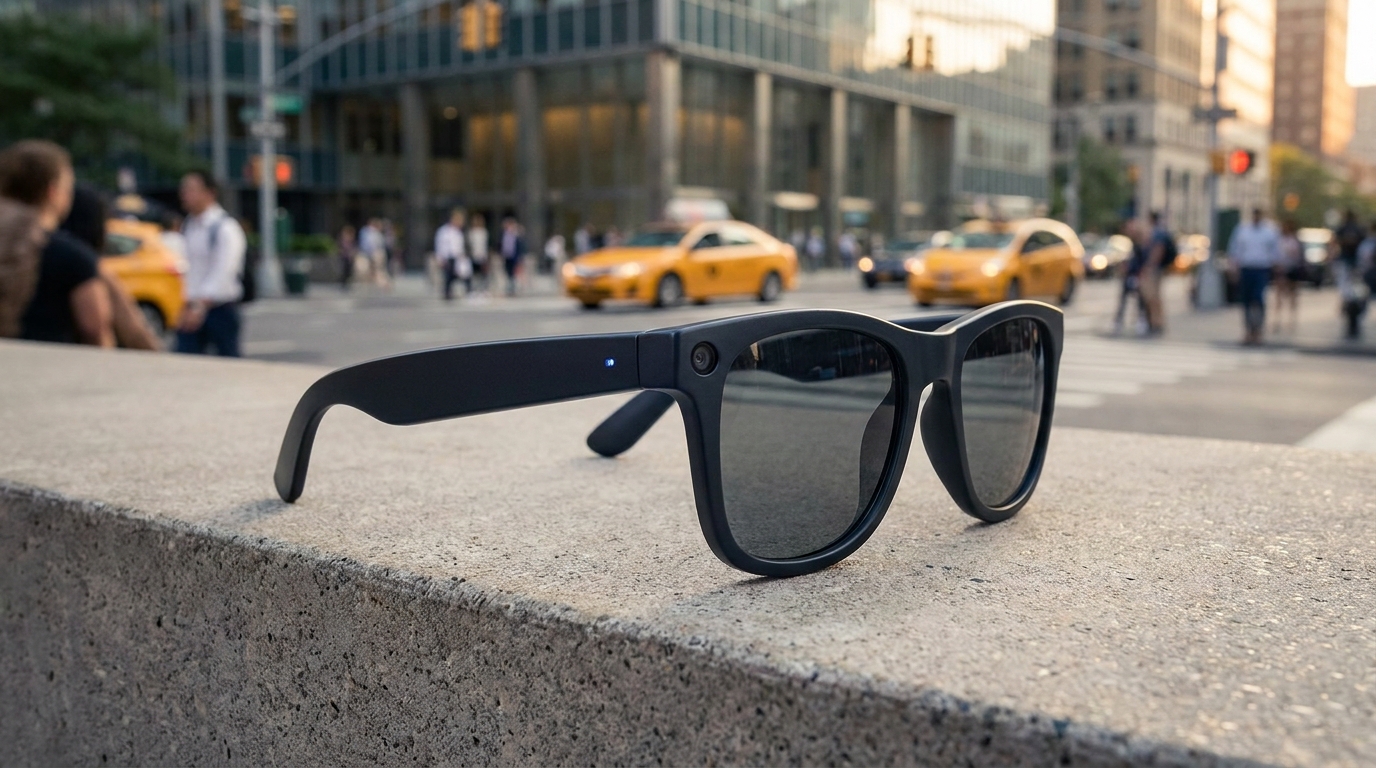
The problem is exacerbated by the triviality of bypassing Meta's supposed privacy safeguards. The company's smart glasses incorporate a bright LED indicator, designed to alert bystanders when recording is active. However, this 'anti-creep' feature is easily defeated with nothing more than a cheap, light-blocking sticker, costing under $2. This simple workaround allows covert use, undermining Meta's stated commitment to privacy by design.
Beyond individual misbehavior, the 'builder' landscape includes powerful institutional players. Immigration agents are already deploying Meta's AI glasses in the field, turning consumer tech into a tool for government surveillance. Them reported on a proposal for the Department of Homeland Security, seeking funding for wearable surveillance, specifically 'AI smart glasses' similar to Meta's, raising urgent concerns for vulnerable communities.
The democratization of camera eyewear further complicates this ethical landscape. Australian budget retailer Kmart introduced $89 Anko camera glasses, capable of 1080p video recording. These affordable devices mimic ordinary spectacles, raising widespread fears of covert surveillance and making high-resolution recording accessible to virtually anyone, blurring the lines of acceptable public interaction.
The public, however, is not a passive observer in this evolving surveillance state. An unexpected counter-movement has emerged in the form of 'Antizuck Smart Glasses Scanner,' an iOS app claiming to detect nearby Meta AI glasses. The app surged to the top of the paid App Store charts, signaling a widespread, proactive public apprehension towards AI eyewear and a desire to 'hack' back at privacy intrusions.
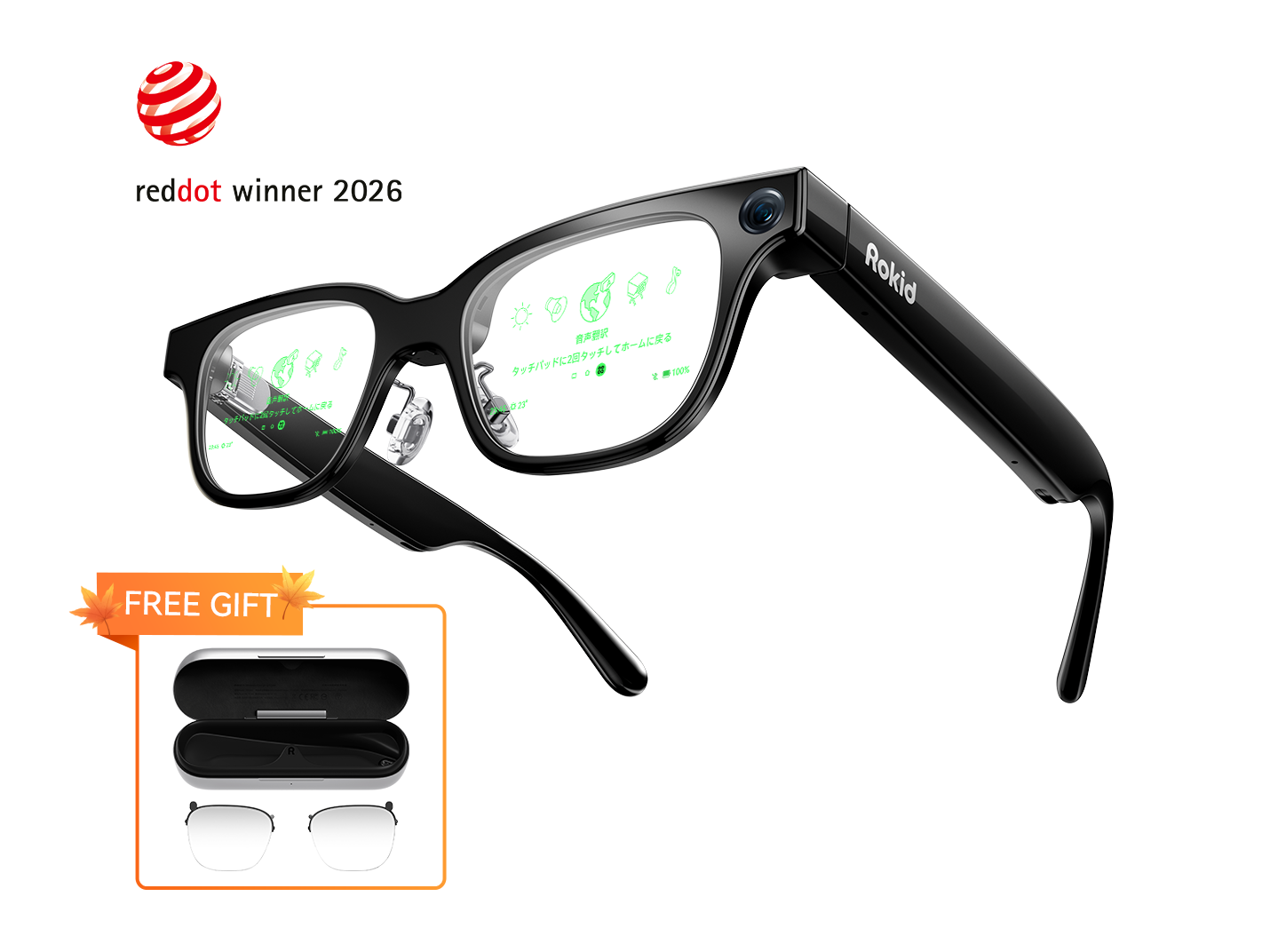
Despite these significant privacy concerns, the innovation push continues, driven by compelling utility. TCL RayNeo, for instance, highlights real-time language translation as a 'killer app' for smart glasses. This feature promises seamless global communication, leveraging AI to break down language barriers for travelers and professionals, showcasing the immense positive potential of the technology.
Yet, the industry itself acknowledges this inherent 'push and pull' of innovation and privacy. TCL RayNeo News recently teased an article exploring the advantages and disadvantages of smart glasses, specifically addressing AI features and the ethical considerations of wearable cameras. The very act of acknowledging these issues underscores the industry's struggle to balance compelling functionality with societal acceptance.
The 'unseen revolution' of AI assistants taking over our eyewear is undeniably upon us. As intelligence moves from our pockets to our faces, the industry faces an existential battle for trust and public acceptance. Devices like Meta's Quest 3, with its Retro3D application and color passthrough, also hint at the underlying technological advances that will continue to fuel smart glass capabilities.
For the 'builders' developing this technology, the challenge is no longer just about engineering; it is about ethics. They must build not only for utility but also for a social contract that respects individual privacy. The current landscape, marked by easy circumvention and institutional deployment, suggests this balance is far from being struck.
The 'hackers' in this scenario are diverse: from the malicious actors exploiting design flaws for personal gain to the citizen developers creating counter-surveillance tools. Their actions reveal the urgent need for a more robust framework around wearable AI. The mere act of selling millions of units does not equate to societal acceptance or responsible integration.
Ultimately, the future of smart glasses, for every builder, hacker, and everyday user, hinges on one critical factor: trust. Without a credible commitment to privacy and clear ethical guidelines, the groundbreaking potential of AI eyewear will remain shadowed by the constant threat of exploitation and the ensuing public backlash.
This moment is a defining one for the industry. The technology is here, the market is growing, but the social license to operate is eroding. Builders must lead with ethical design and transparency, or risk a future where innovative eyewear is synonymous with unchecked surveillance, perpetually 'hacked' for ill intent or fought against by a wary public.
Interactive guide — prices, displays, cameras, battery.
Share this story