Analysis · Mentra
Smart Glasses OS Battle Lines: Meta, Android XR, MentraOS and Alibaba Qwen Chart Divergent Paths
The competition to power future face computers is heating up, with four distinct operating system strategies emerging. A tightly controlled platform, a familiar mobile giant, an open-source challenger and a Chinese agent-native stack are all vying for developer adoption.
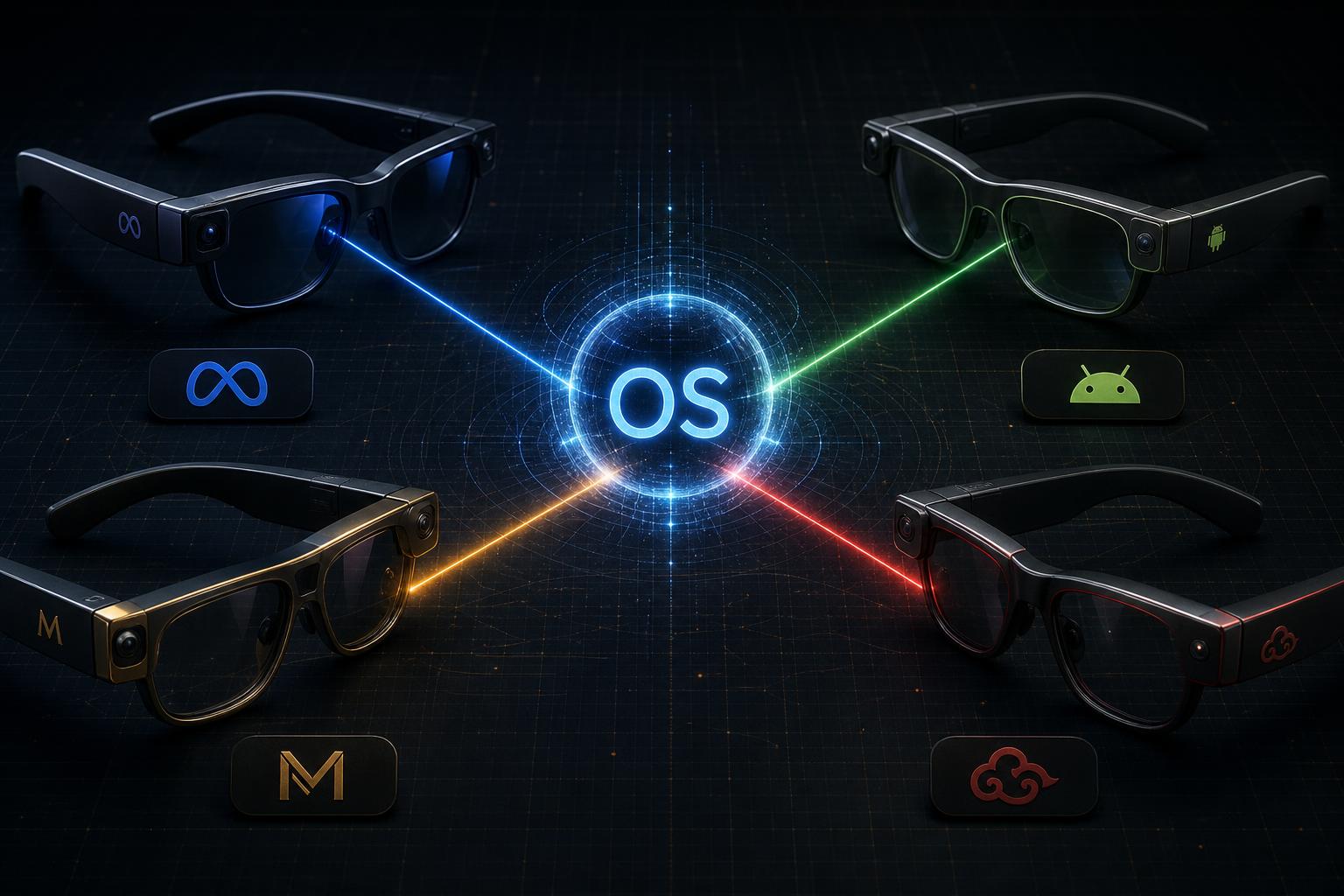
While the hardware innovations in smart glasses capture headlines, the true determinant for category dominance lies beneath the surface: the operating system. Mentra reports that by mid-2026, four vastly different approaches to smart glasses software are poised to shape the industry landscape. The contenders are Meta's Wearables Device Access Toolkit, Android XR, and MentraOS, each representing a unique philosophy on platform control and developer access.
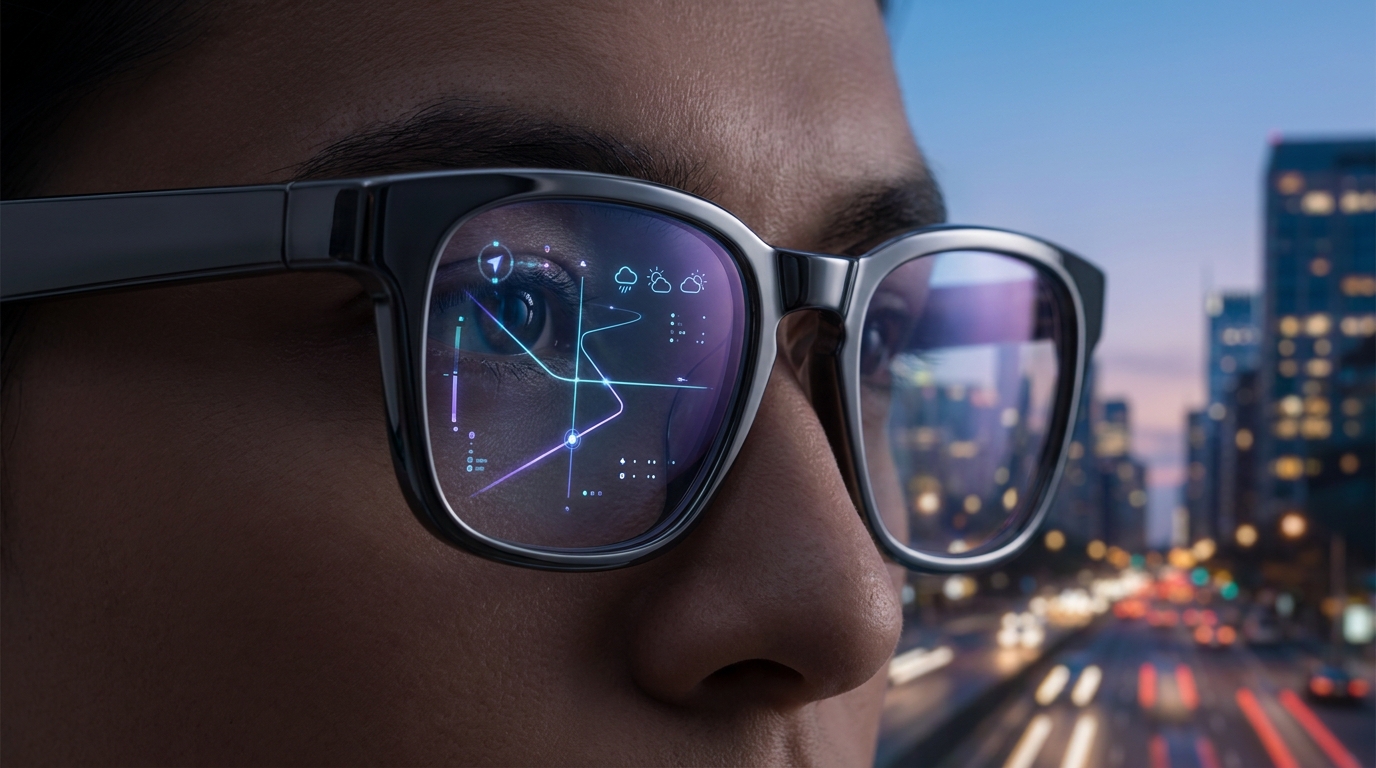
Meta, the volume leader, pursues a deliberately closed strategy. Its Wearables Device Access Toolkit allows existing iOS and Android apps to integrate with sensors-camera, microphone, and speakers-on Meta AI glasses. In May, Meta extended developer access to the display on Ray-Ban Display glasses through native mobile and web app build paths, currently in developer preview. This display API is a component-based layout system, with Meta managing the rendering on the glasses. According to Mentra, this design ensures that developers build phone apps that borrow the glasses' capabilities, with Meta retaining full control over the runtime, assistant, distribution, and review processes. This mirrors Apple's initial approach with the Apple Watch, prioritizing control over battery life, latency, and privacy, albeit at the expense of unbridled experimentation.
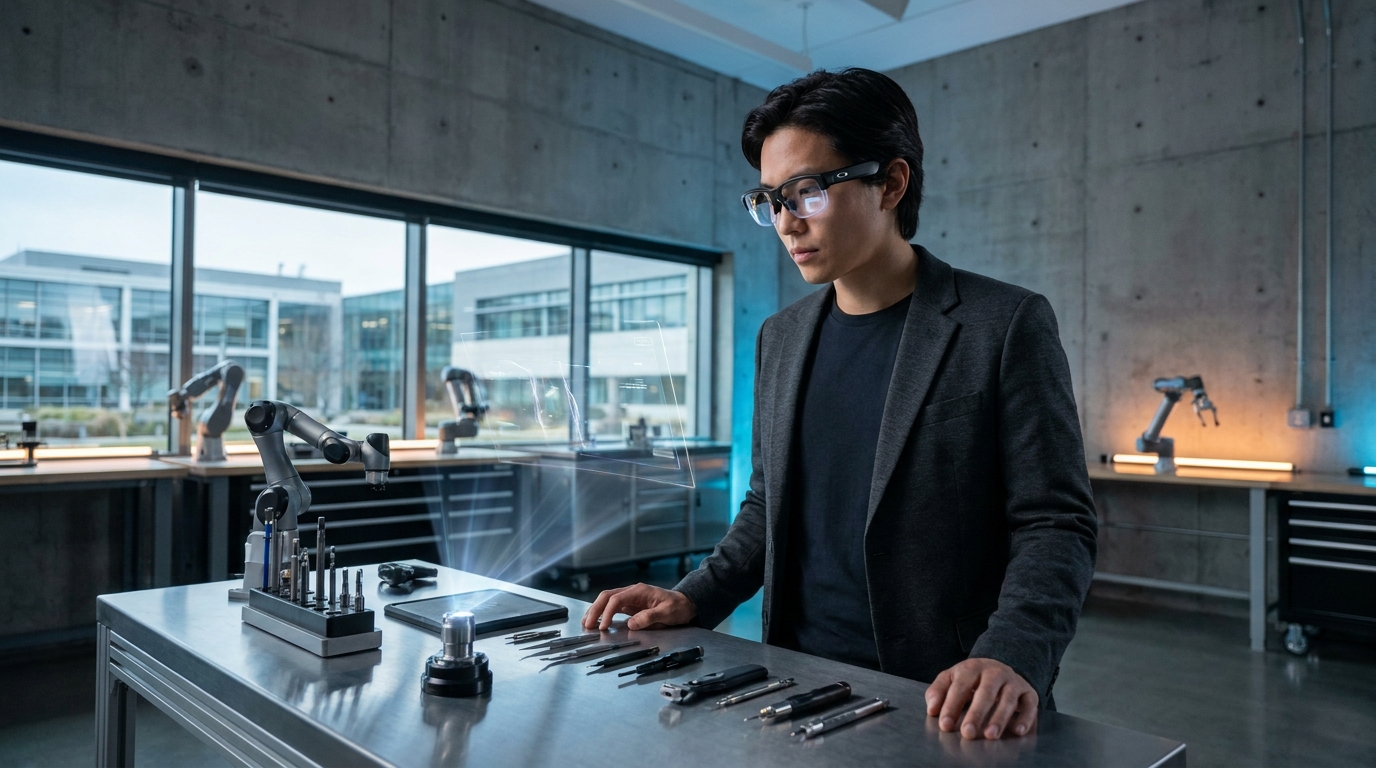
The second major player is Android XR, which leverages the familiar Android ecosystem playbook. Google released Android XR SDK Developer Preview 3 in May, featuring dedicated glasses libraries that open development to any Android developer. Mentra reports that Jetpack XR now guides developers in building their first activity for both audio-only and display glasses, signaling an expectation for a diverse range of hardware. A week after the SDK release, at I/O 2026, Google and Samsung previewed their collaboratively developed intelligent eyewear. Mentra notes these glasses will launch in fall 2026, featuring two premium styles from Gentle Monster and Warby Parker, integrated Gemini AI, and core functions like directions, messaging, and photo capture, all while acting as a phone companion rather than a standalone device.
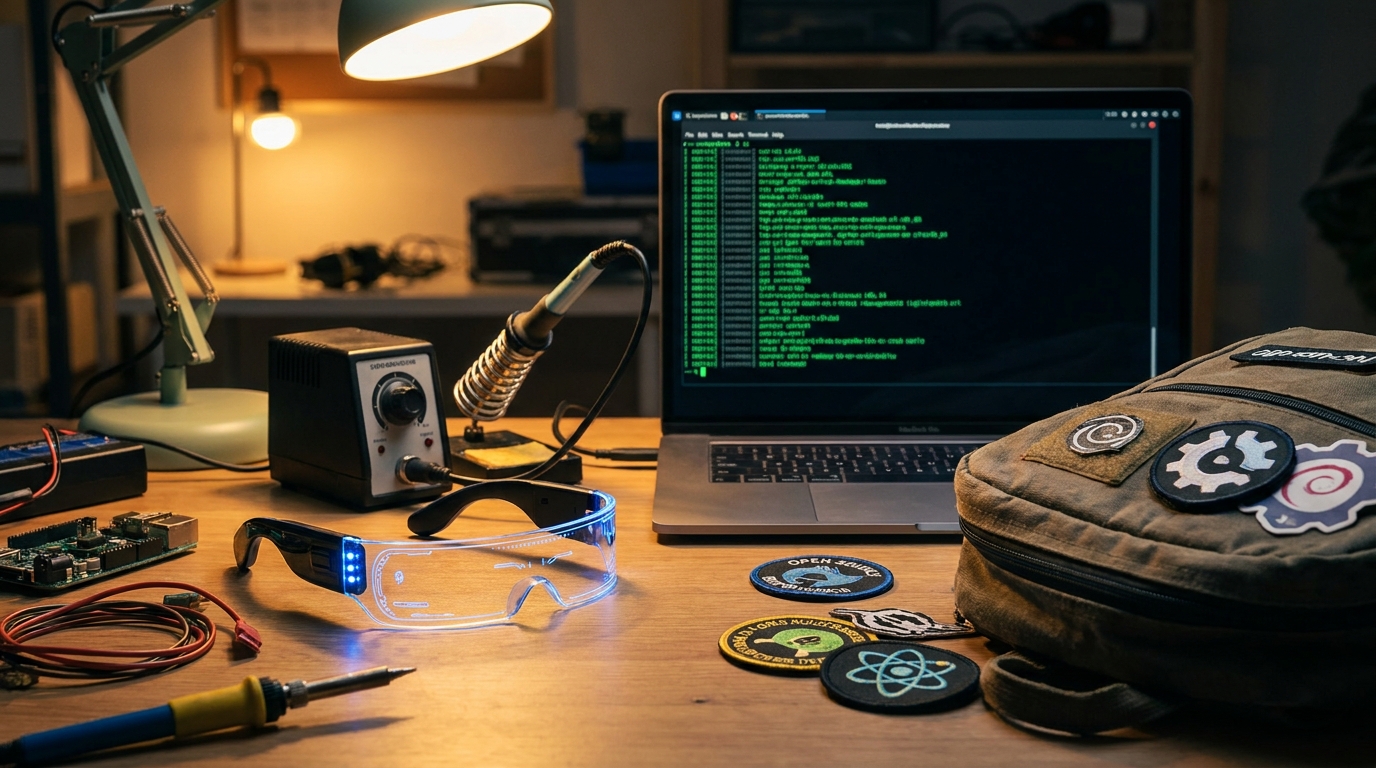
MentraOS, the third contender, stands out as the fully open-source option. Published under an MIT license on GitHub, the project has garnered significant community interest with over 2,200 stars and 300 forks. It offers a developer SDK and a phone-side mini-app store, aiming for a "write once, run on several brands" compatibility model. Mentra notes its compatibility matrix already supports devices like Mentra Live, Even Realities G1 and G2, the Vuzix Z100, and NIMO frames, offering a per-device feature grid for essential functions. This cross-compatibility is particularly valuable for smaller hardware manufacturers, allowing them to leverage an existing app ecosystem without extensive software development budgets.
The fourth contender emerged from China, and it does not fit the Western template. Alibaba has turned Qwen into a full agent-native stack for eyewear: its Quark AI glasses series, launched with the flagship S1 and lifestyle G1 models, is deeply integrated with the Qwen models, and the company followed up with dedicated Qwen Glasses unveiled at MWC Barcelona in March 2026 and put on sale in China days later. In August 2026, Alibaba opened the Qwen platform to outside developers to seed an agent ecosystem, which puts a third distribution model on the table: not a phone-app bridge like Meta, not a mobile OS extension like Android XR, but an assistant-first cloud whose agents reach the glasses. Because much of the Qwen model line ships with open weights, smaller manufacturers can build a competent voice and vision assistant without licensing anything from Meta or Google, which is exactly what several domestic brands need.
That makes Qwen the wildcard of the four. Alibaba controls the assistant, the payment rails, the shopping graph and the cloud, so its glasses are less a developer platform than an agent endpoint for the Alibaba ecosystem, with commerce, maps and travel bookings as the native use cases rather than third-party apps. Its immediate battleground is China, where Android XR has no Google services to lean on and Meta does not sell, but its open weights give it a plausible route into Western hardware too, as a model layer sitting under someone else's OS.
The complexity of this evolving ecosystem is evident with Even Realities. While the company provides its own web and TypeScript SDK for the G2 with self-serve onboarding, app publishing still requires a manual review process. In parallel, MentraOS supports both G1 and G2 without pilot gates or manufacturer review, illustrating how the same glasses can exist within both a curated, proprietary ecosystem and a fully open one.
These distinct strategies leave varied implications for other manufacturers. Samsung is deeply integrated into Android XR. Design houses like Gentle Monster and Warby Parker contribute hardware aesthetics. XREAL has already committed to Android XR for Project Aura. Many Chinese brands, including Rokid, RayNeo, and Xiaomi, typically ship their own Android forks and assistants for domestic markets, potentially isolating them from Western app ecosystems. For smaller HUD makers like Vuzix and Halliday, MentraOS is increasingly becoming the de facto solution, as it offers a viable platform without requiring permission or extensive proprietary development.
Mentra predicts the likely outcome is not a single winner, but rather a segmentation into four distinct layers. Meta, leveraging its extensive volume and retail presence, will likely capture the consumer default. Android XR is positioned to become the secure platform for developers already invested in Android, with Samsung as its flagship hardware partner. MentraOS, on the other hand, is expected to solidify its role as the go-to platform for developers and enterprise applications, fostering the initial development of niche tools, captions apps, and warehouse solutions due to its open and permissionless nature.
Alibaba Qwen takes the fourth layer, and possibly the largest by unit volume: the Chinese domestic market, where an assistant-first stack backed by commerce and open weights is a stronger proposition than any app store. If its models keep travelling, Qwen could end up powering glasses that ship with a competitor's badge on the temple.
Our take: The next six months will be critical. The industry must watch whether Meta's developer preview progresses to full-scale publishing and distribution, and if Android XR glasses truly ship on schedule this fall. Should both materialize, MentraOS may remain a vital open laboratory, but cede the mass market. If either initiative falters, the open platform could gain crucial time to establish itself as a default standard on hardware it didn't originate.
Interactive guide — prices, displays, cameras, battery.
Share this story