
News · Rokid
Smart Glasses In The Exam Hall: How AI Eyewear Is Breaking High-Stakes Testing
South Korea faces a wave of AI-assisted cheating scandals as consumer AR frames expose vulnerabilities in traditional proctoring.
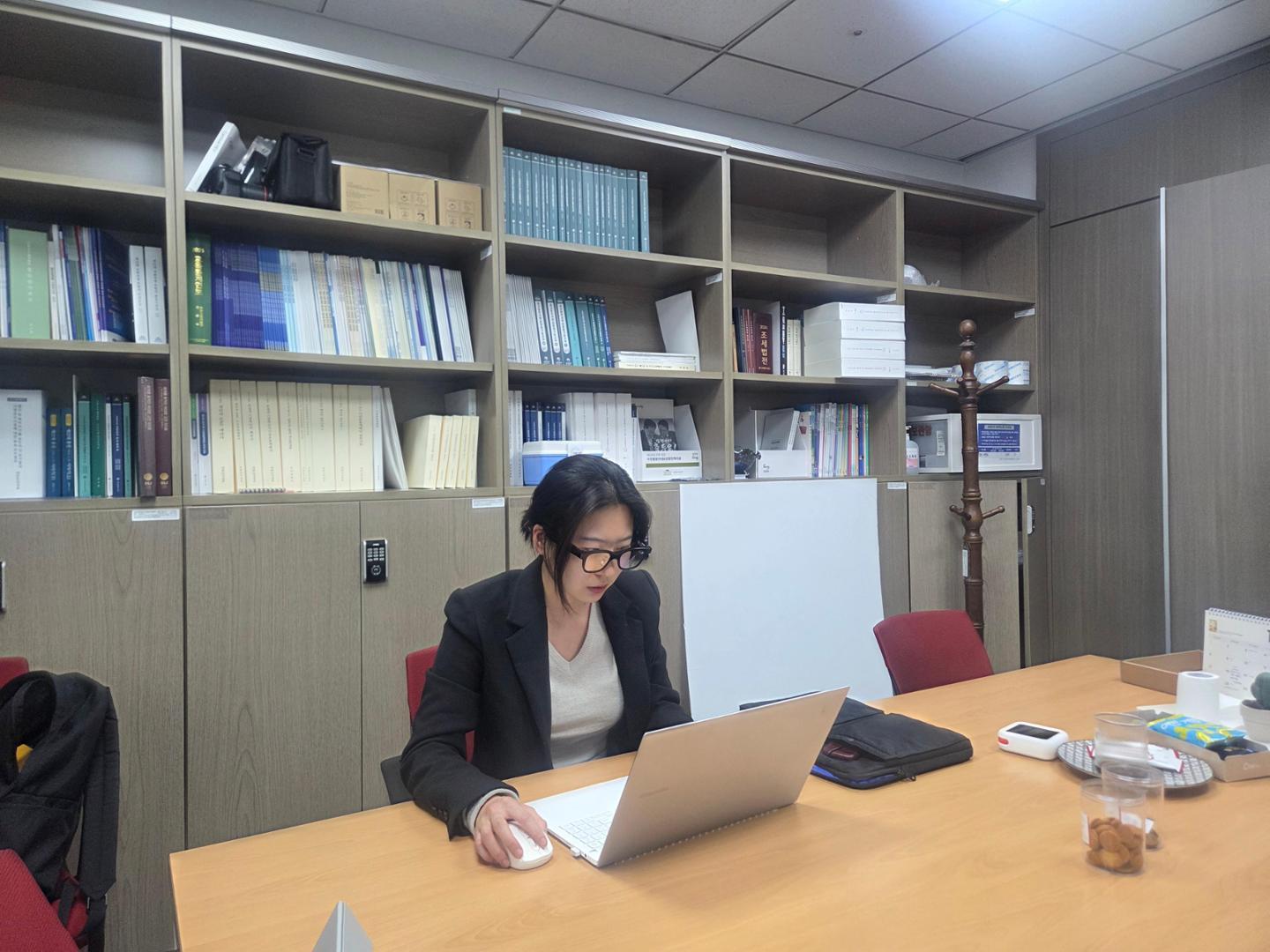
On November 18, 2026, koreatimes.co.kr detailed how consumer AI smart glasses are actively undermining high-stakes professional qualification tests in South Korea. The report comes in the wake of a national scandal involving a top-performing tax accountant candidate, identified by his surname Han, who was caught using AI assistance to pass the grueling test. In response, South Korean lawmakers and journalists have begun investigating just how simple it is to deploy head-worn displays inside proctored exam rooms.
To understand the mechanics firsthand, Hankook Ilbo reporter Byun Eun-saem took a mock test for certified appraisers, a qualification exam with a brutal 7.23 percent pass rate that typically requires three years of preparation. According to koreatimes.co.kr, the reporter attempted the 200-question test twice: once unassisted, and once equipped with a pair of Rokid smart glasses connected to a smartphone running ChatGPT. The hardware, which retails for 990,000 won (roughly $680), was provided by the office of lawmaker Kim Moon-soo, who is drafting legislation to outlaw optical AI cheating on national licensing tests.
The unassisted attempt illustrated the difficulty of the material, spanning civil law, appraisal regulations, and complex economics formulas. Relying solely on general knowledge and guesswork, the reporter spent an hour and 37 minutes to achieve an average score of just 28 points out of 100, which failed every subject. As koreatimes.co.kr pointed out, five-option multiple-choice tests yield an expected baseline of 20 points from completely blind guessing, underscoring how impenetrable the material is to untrained test-takers.
Switching to the Rokid hardware required remarkably little technical effort. The reporter mastered the device in roughly 15 minutes. Triggered by a simple voice prompt, the glasses projected bright green heads-up text onto the lenses like cinematic subtitles. According to koreatimes.co.kr, the display angle, brightness, and audio volume could all be dialed down to levels virtually invisible and inaudible to neighboring test-takers or proctors, allowing rapid query generation without drawing obvious suspicion.
The issue is amplified by South Korea's rapid transition from traditional paper tests to computer-based testing (CBT). Devices from brands like Rokid have already surfaced in cheating investigations involving national technical qualifications and the TOEIC English proficiency exam. When testing on digital monitors, optical frames can capture displayed prompts, feed them to cloud-hosted large language models, and mirror answers directly into the wearer's line of sight without any conspicuous arm movements or paper manipulation.
Our take: The academic and professional testing sector is completely unprepared for lightweight augmented reality. For years, test administrators relied on detecting smartphones, smartwatches, and wired earbuds. Optical waveguided glasses render those legacy visual inspections obsolete. Frames from manufacturers like Rokid, Meta, and Even Realities look increasingly indistinguishable from standard prescription frames. Unless testing centers mandate complete metal-detection sweeps, RF signal jamming, or provide standardized, proctored hardware at the door, smart glasses will continue to make high-stakes testing security look like a relic of the past.
Interactive guide: prices, displays, cameras, battery.
Share this story





