Analysis · Meta
Smart Glasses Ignite Privacy Crisis in India, Authorities Eye Surveillance Tech
Covert recording via smart eyewear is causing significant harm to individuals in India, yet regulatory action is unlikely as law enforcement explores similar AI-powered surveillance tools. The market is poised for rapid growth, amplifying privacy concerns.

Smart glasses are precipitating a serious privacy crisis in India, enabling insidious covert recording that inflicts profound personal harm. As [MIT Technology Review](https://www.technologyreview.com) reports, this issue is exacerbated by authorities who seem disinclined to regulate the technology, viewing it instead as an opportunity for their own surveillance initiatives.
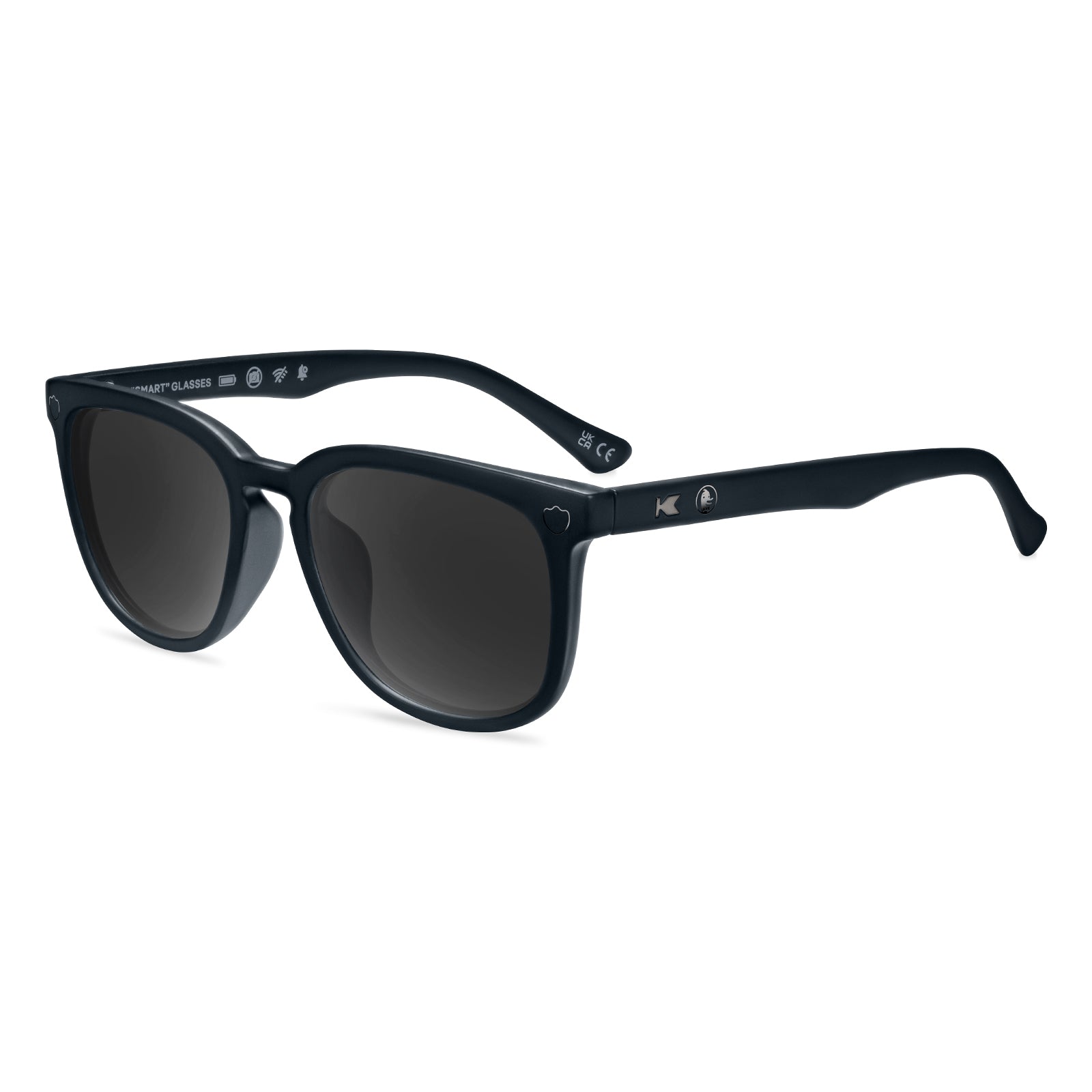
A striking example is the case of Shubnam, a 38-year-old transfeminine graphic designer and educator. MIT Technology Review details how Shubnam was unwittingly recorded at a Delhi protest by a content creator using Meta smart glasses disguised as ordinary Wayfarers. The subsequent edited video, mocking Shubnam's attire, garnered millions of views and triggered a torrent of transphobic abuse and AI-generated memes across Instagram, X, and YouTube.
The personal cost to Shubnam has been immense. "All it took was one unconsented video to rewind two decades of progress that I made all on my own," Shubnam told MIT Technology Review. "For a moment, it felt like this entire adult life I had lived was just a long lucid dream, and I was going to wake up as that clueless queer child again." This incident has left Shubnam unwilling to wear a sari outside their neighborhood.
Experts warn that Shubnam's ordeal is a precursor to a wave of similar incidents as smart glasses proliferate globally, with India proving an especially fertile ground for privacy violations. The country already struggles with rampant cyberstalking, sextortion, and deepfakes. A crackdown on smart glasses appears remote, as Indian law enforcement agencies are increasingly deploying their own AI-powered surveillance, including facial recognition and smart eyewear.
India's wearables market is experiencing rapid growth in smart glasses adoption, according to the International Data Corporation. This surge is set to accelerate with the impending launch of Reliance Jio's sub-$105 smart glasses, a direct competitor to Meta's $420 offering in India.
A core privacy flaw lies in the inconspicuous nature of these devices; they are cameras that do not appear as such. Meta places the onus of protection on bystanders, relying on them to spot a tiny LED recording indicator and on wearers to act responsibly. Janusz Świerczyński, an Oxford Saïd Business School researcher, notes to MIT Technology Review that the expectation is increasingly "being placed on bystanders to look out for themselves."
However, this safeguard is easily bypassed. Tutorials exist demonstrating how to obscure or disable the recording light on Meta's glasses. As Wired documented last March, a market even exists for "stealth mode" modifications that physically remove the light entirely.
Our take: The situation in India underscores a global dilemma. The design of smart glasses currently prioritizes aesthetics and user convenience over public privacy and safety. While manufacturers tout responsible use, the reality is that the most vulnerable populations-women and marginalized groups, as Świerczyński highlights-bear the greatest risk from devices that facilitate covert recording. Regulation must go beyond simple indicator lights to address the fundamental imbalance of power created by these stealthy cameras.
Interactive guide — prices, displays, cameras, battery.
Share this story