Analysis · Meta
Smart Glasses' Camera Problem: Regulation and Privacy Fears Block Mass Adoption
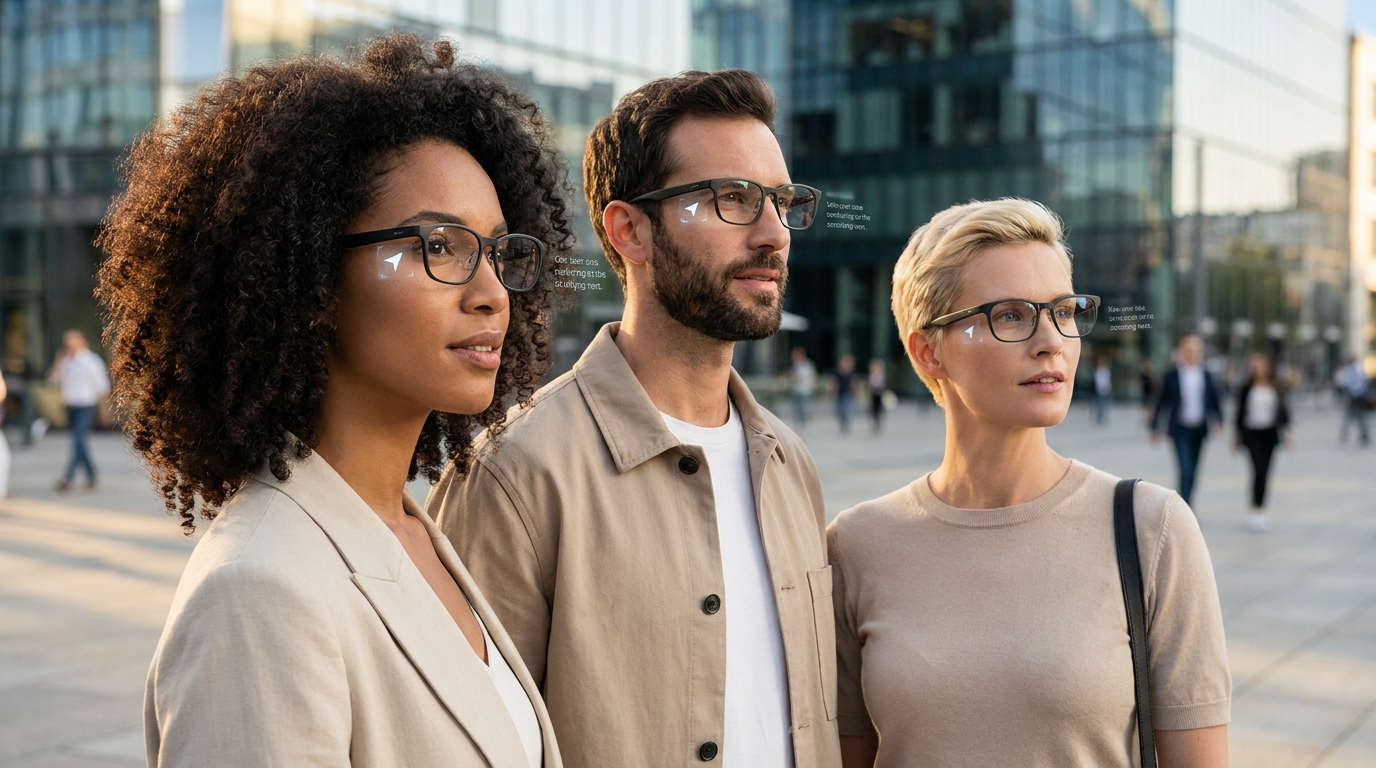
A sharp LinkedIn debate questions if the camera, once a core asset, has become the biggest obstacle for smart glasses to reach the mainstream market. Regulatory pushback and user discomfort now challenge its role.
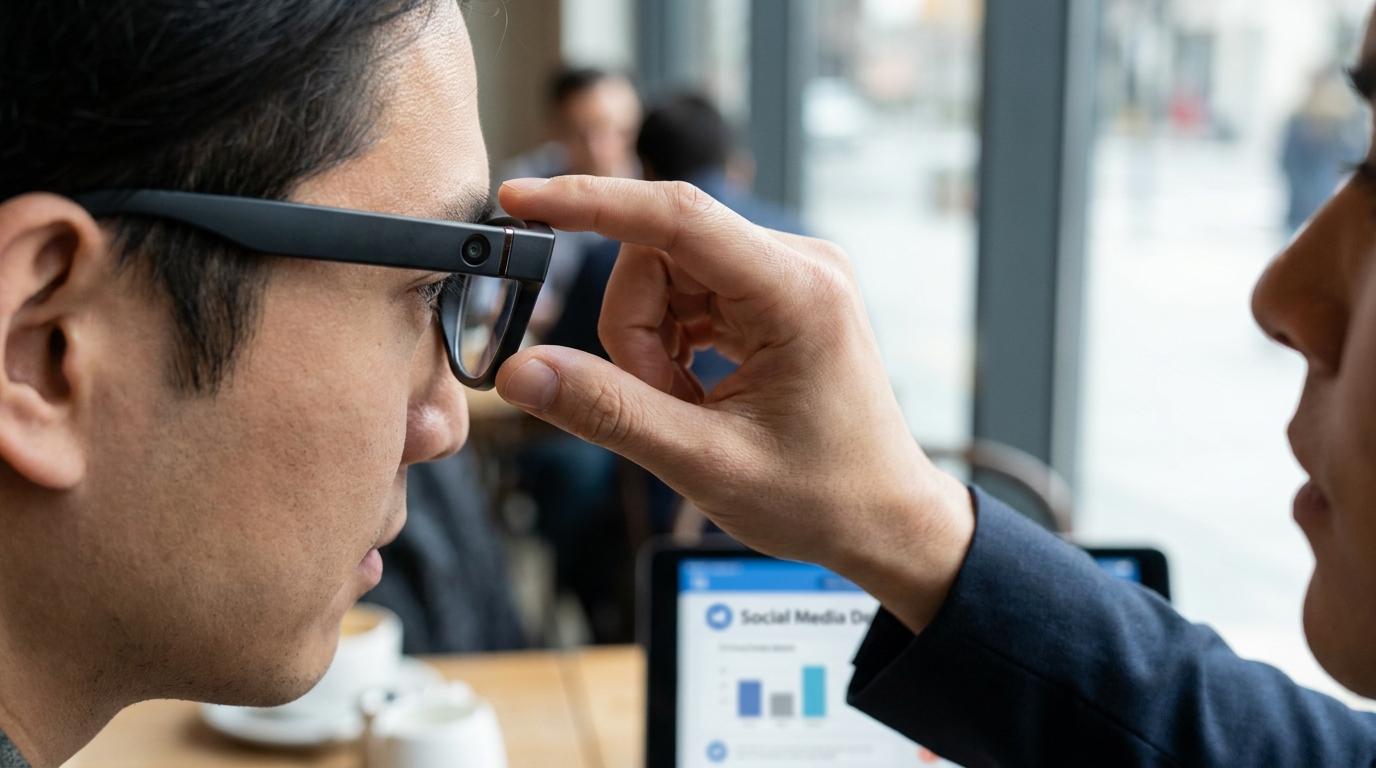
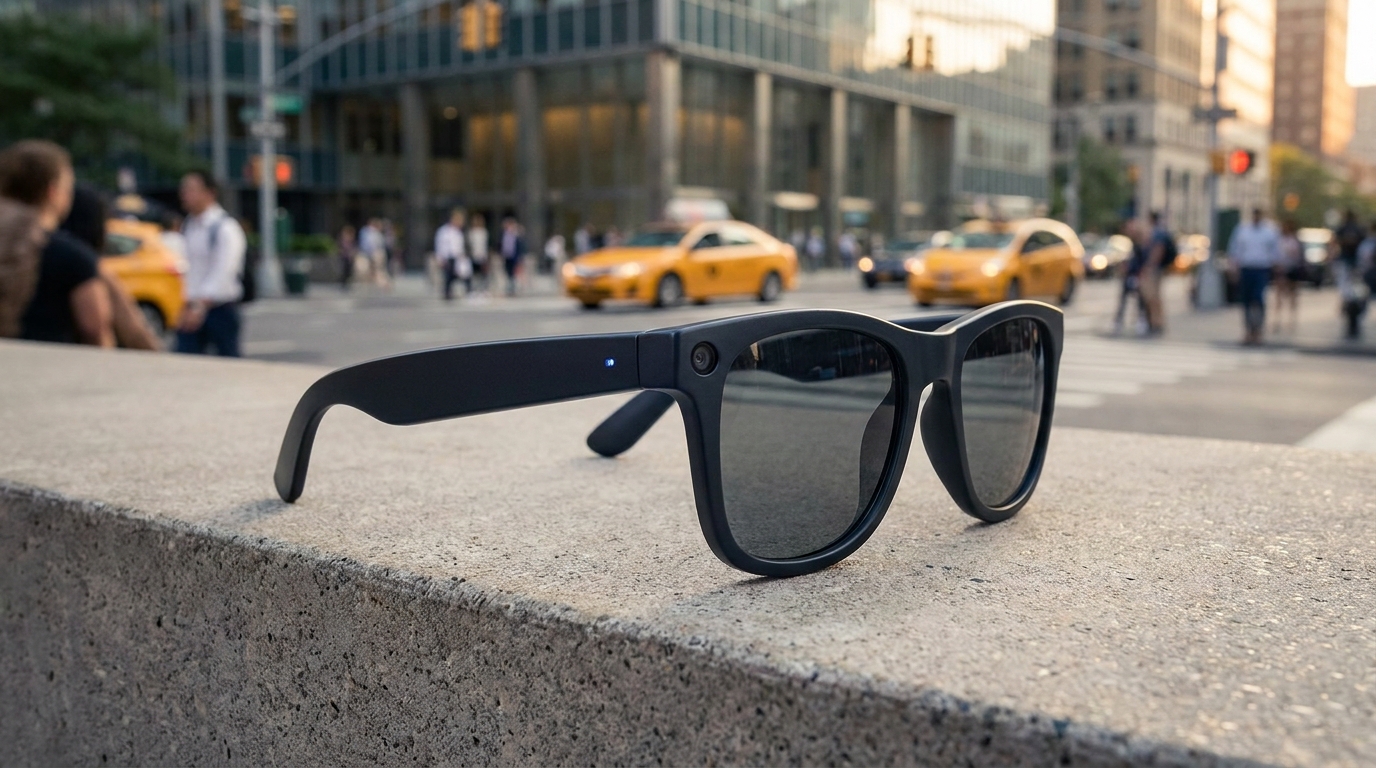
A recent LinkedIn thread, initiated by deep-tech advisor Yuval Ofir, has ignited a vital industry conversation: the camera is now the most challenging component in smart glasses, and the issue is no longer purely engineering.
Two key developments, according to Ofir, underpin this shift. First, Norway's Ministry of Digitalisation has moved to regulate camera-equipped wearables. Minister Karianne Tung cited a clear trend of combining AI with cameras and microphones in everyday devices. An expert group is forming to advise on new regulations, specifically targeting functions like facial recognition of strangers in public, not outright bans on wearing the glasses. Norway's data protection authority went further in July, suggesting a pause on sales, while the government argues existing technology-neutral rules already apply. The European Data Protection Board is also preparing its own report on the matter.
Second, Sam Altman, during an appearance on the Sources podcast, expressed his discomfort talking to individuals wearing a camera and a light. Altman confirmed he does not wear smart glasses himself, despite building a family of AI devices with Jony Ive. As Ofir characterized it, this effectively draws a public 'product boundary' for the technology.
From an optics perspective, Ofir bluntly stated that the industry spent five years optimizing the wrong metrics. Enormous effort went into waveguide efficiency, eyebox, world-side leakage, and form factor, only for a 12 MP sensor and an LED to now constrain market access. This constitutes a supply-chain thesis, not merely a policy one. If display-only glasses become the socially and legally acceptable configuration, value will concentrate in light engines, waveguides, and low-power SoCs, shifting away from camera ISP stacks. Display-only products currently shipping would then look like the compliant default, not a compromise.
Ofir acknowledged the counter-argument: context is essential for an effective assistant, and audio plus display alone might not provide enough. Camera glasses are genuinely transformative for blind and low-vision users, a point Australia's eSafety regulator explicitly recognized. He concedes that blanket rejection is too simplistic, but maintains that 'no camera' can now be a defensible product feature.
The LinkedIn replies quickly delved into technical distinctions. Avi Bar-Zeev, an XR, AI, and spatial computing pioneer, argued for differentiating between a camera and a visual sensor. Sensors can output metadata-only, such as a SLAM view matrix, tracking points, ambient lighting maps, or spatial occupancy maps, up to object and face identifiers, without ever producing a photo or surfacing raw metadata to applications. According to Bar-Zeev, the regulatory discussion about photos might be targeting the wrong layer of the technology.
Michael Kahlke pushed back from a market perspective. He noted the industry had hoped the display would differentiate AR glasses from smartphones, with missing functionality offset by new value. If the camera must go, Kahlke questioned what truly convinces consumers to buy AR glasses. Ofir responded by referencing the automotive industry, where autonomous vehicles gained acceptance through event data recorders, tamper-evident logs that satisfy insurers and regulators after the fact. Smart glasses, he suggested, will likely need a similar audit trail, beyond just an architectural promise that no frame ever leaves the chip. Replying to Moss Lipow, author of Eyewear: A Visual History, Ofir added that the 'noise' around camera versus sensor and on-device versus cloud is precisely the mechanism for crossing this bridge, not a distraction from it.
Lipow's contribution offered a product-centric view: the product is not the hardware itself, but an immersive AI experience. Spatial AI, he contended, is a required component, and one way or another, it will happen.
Our take: We've previously argued that Meta's public-facing LED indicator makes its smart glasses more privacy-respectful than silent cameras. However, Ofir's analysis provides a critical nuance to this position.
Ofir's reply on this point is crucial. The LED signals capture, not processing. Once frames are transmitted to a server for AI features or synchronization, GDPR's purpose-limitation rules apply, regardless of whether the light is on or off. This 'disclosure gap,' he argues, is what regulators genuinely care about.
Interactive guide — prices, displays, cameras, battery.
Share this story