Analysis · —
Smart Glasses are Dodging the Battery Problem, Not Solving It
The smart eyewear industry is making calculated compromises, not breakthroughs. From display-less designs to offloading processing, companies are sidestepping the fundamental power challenge.
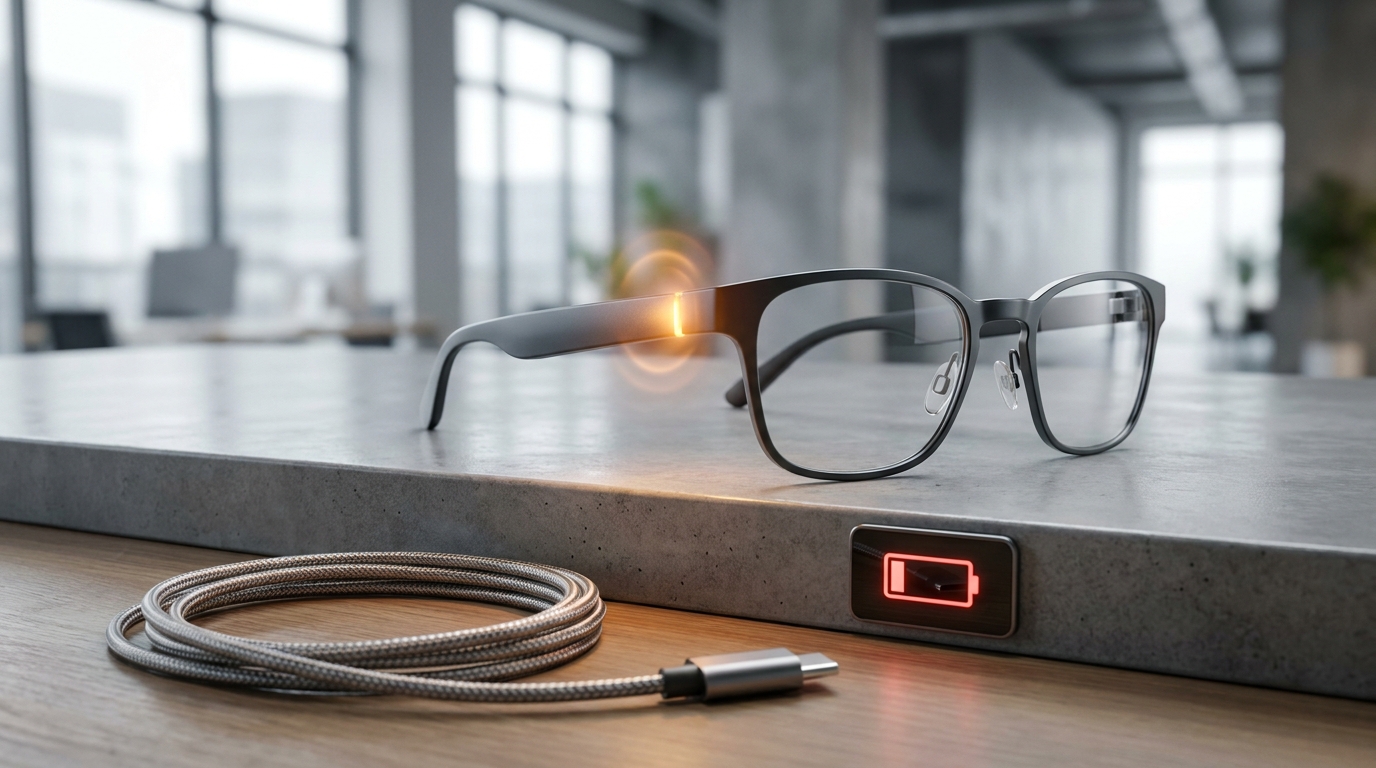
The smart glasses market is in full sprint, yet a critical, unspoken barrier looms large. While the industry fixates on form factor, AI capabilities, and privacy, the most fundamental problem, battery life, is being meticulously managed rather than innovated upon. This isn't a silent crisis; it's a strategically ignored constraint that limits true, untethered potential.
Consider the recent wave of display-less designs. Meta's Ray-Ban Meta Audio glasses, eschewing cameras entirely to focus on sound, and Samsung's upcoming Android XR glasses, which prioritize voice interaction, are hailed as privacy-first triumphs. These moves reduce the visible footprint and societal friction, but they also represent a substantial concession to battery limitations. Less hardware means less power draw, extending run time without truly advancing power technology.
Meta, in particular, has a history with this tightrope walk. Its earlier camera-first Ray-Ban AI glasses were plagued by "persistent privacy backlashes and thermal issues." These thermal problems are a direct consequence of power consumption, pushing devices to their limits. The pivot to camera-free models, while addressing privacy, is also a de facto battery and heat management strategy.
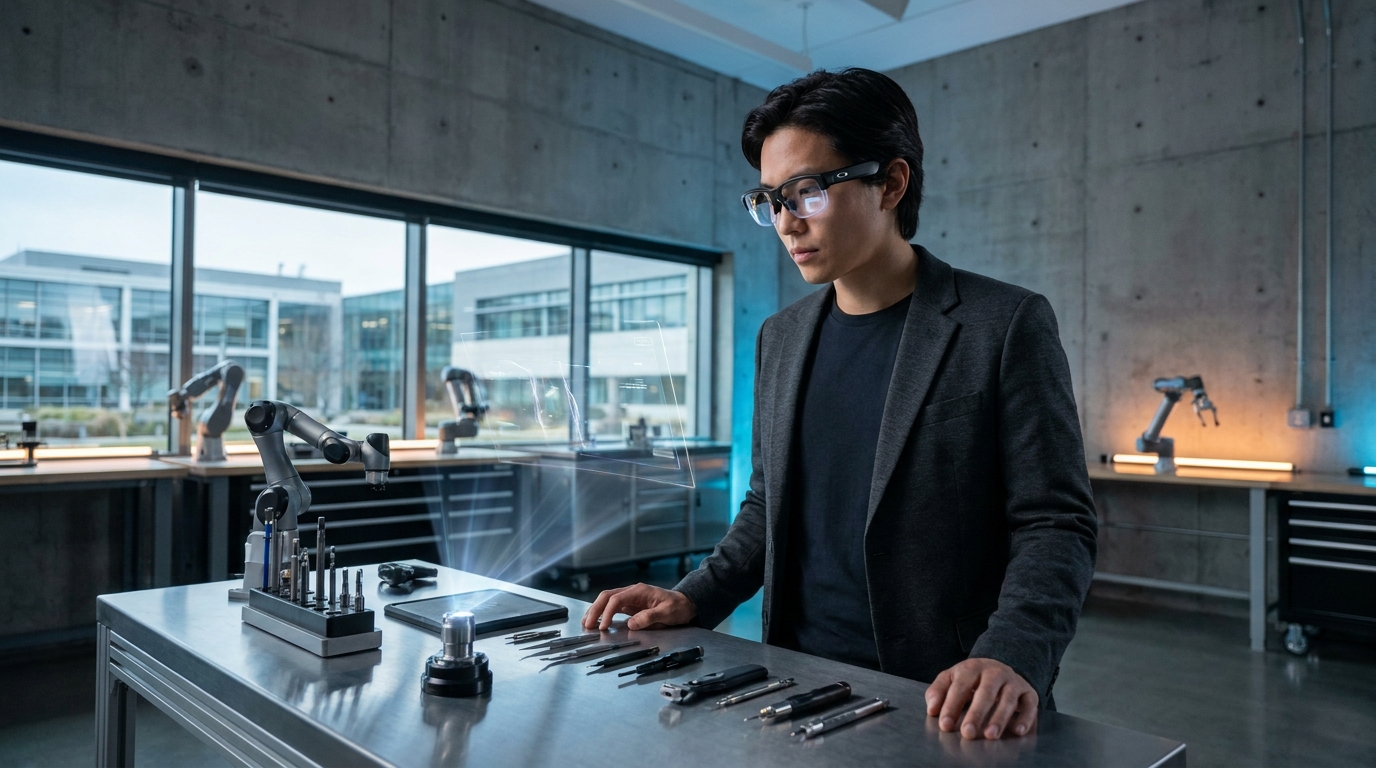
Samsung's approach with its Gemini-powered smart glasses highlights another common workaround. The company intends to "lean on a connected Galaxy phone for heavier AI processing tasks." This keeps the glasses lightweight and cool, but it merely shifts the power burden to another device. Users are still tethered, not by a physical cable, but by the necessity of a constantly paired, power-hungry smartphone.
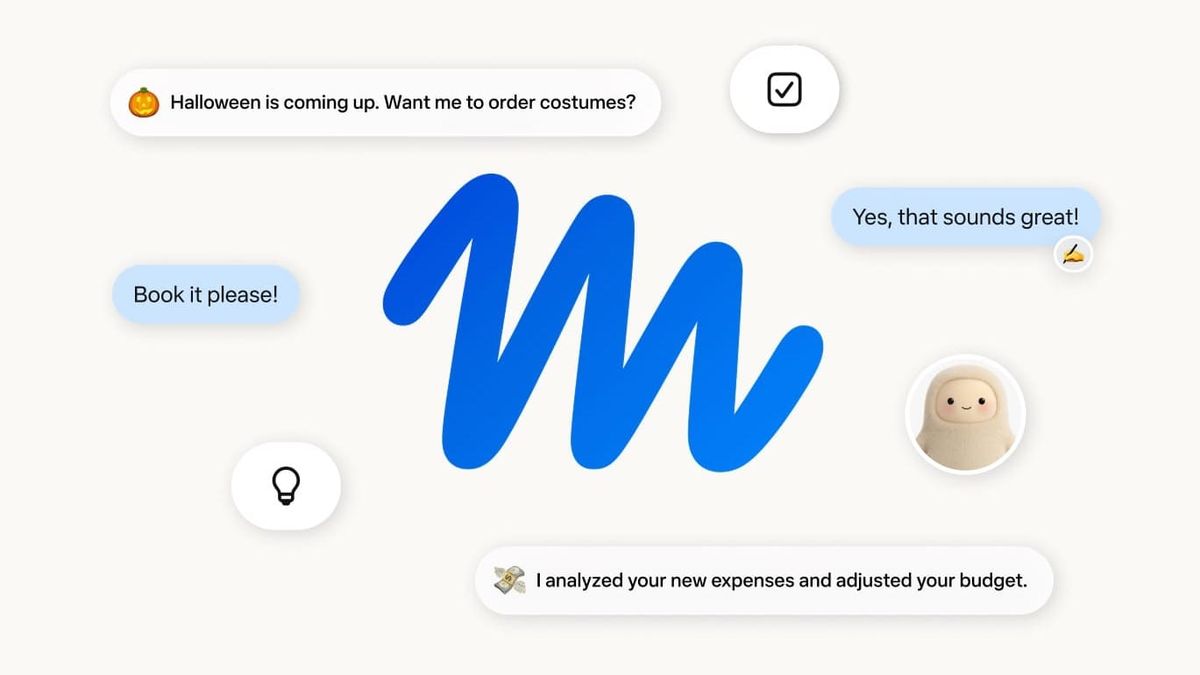
The ambition of AI agents like Meta's Muse further exacerbates this hidden problem. Muse, slated for smart glasses integration, is designed to "perform complex actions and keep their phones out of sight." Yet, its reliance on a "persistent Linux virtual machine in the cloud" implies continuous data transfer and processing. This constant connectivity, even if the heavy lifting is remote, still draws significant power from the glasses, or from the very phone it aims to make redundant.
Form factor is another casualty in the battery wars. Samsung's collaborations with fashion brands like Gentle Monster and Warby Parker, and Meta's ongoing partnership with Ray-Ban, prioritize sleek, unobtrusive designs. These fashionable frames inherently offer minimal space for larger batteries, creating an inverse relationship between aesthetic appeal and computational endurance.
The public's jaded response, encapsulated by DuckDuckGo's 'Normal F***ing Sunglasses,' speaks volumes. This unapologetically tech-free eyewear sold out quickly, its rebellious message highlighted by the boast, "no camera, no microphone, no AI, no battery, and no electronics whatsoever." It was a clear, commercially successful rejection of the compromises inherent in current smart eyewear.
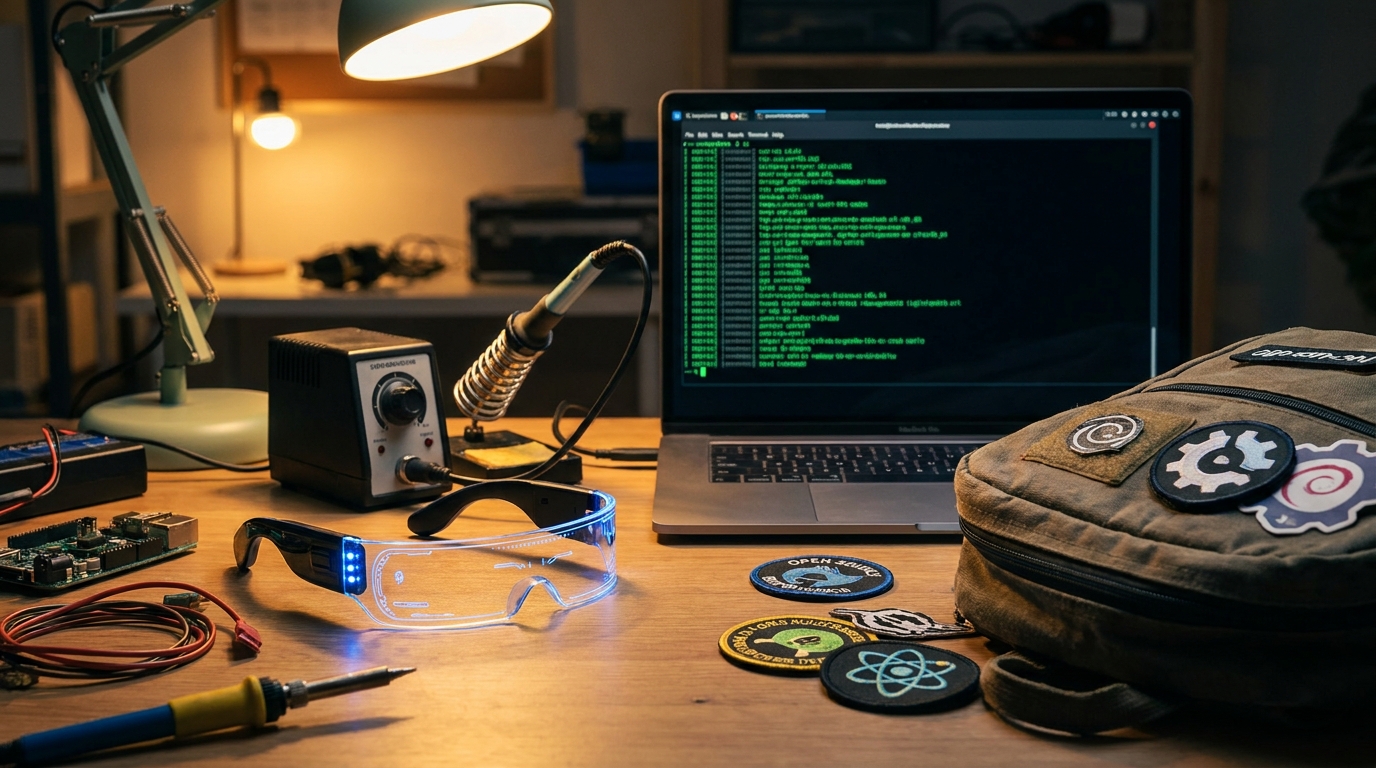
Even the promise of an "open frontier" for "hackers and builders" on platforms like Android XR, while exciting for innovation, does not escape this fundamental physics problem. Any truly advanced, on-device AI experience or complex AR overlay will inevitably run headfirst into the same power wall. More functionality means more processing, which means more energy demanded from a small battery.
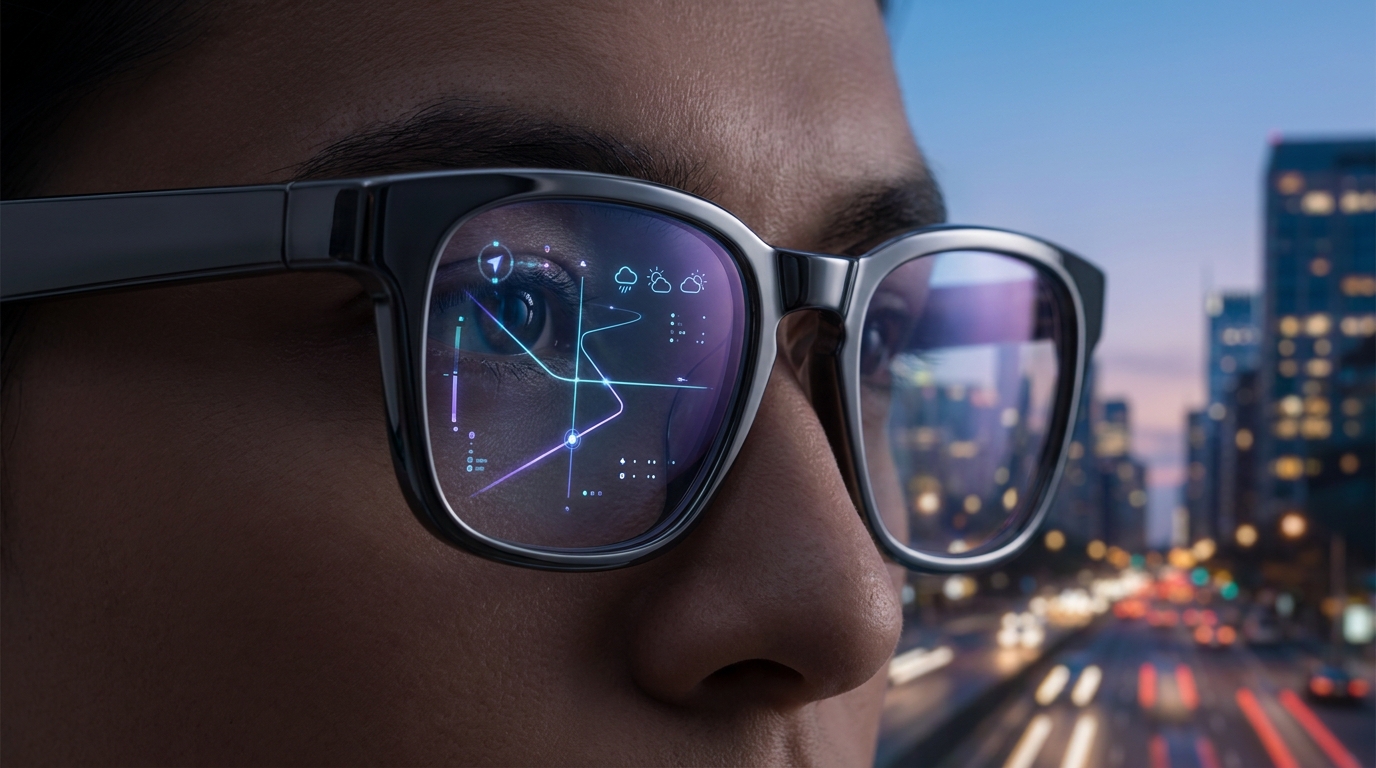
Rokid's recent dual launch in France, offering both display-equipped Rokid AI Glasses and voice-focused Rokid AI Glasses Style, perfectly illustrates the strategic dilemma. Manufacturers must choose between richer, more visually immersive experiences with shorter battery lives, or simpler, more enduring voice-first interactions. This is a choice driven by current battery limitations, not by ultimate user desire.
The current strategies employed by major players like Meta, Samsung, and Rokid are not solutions; they are carefully engineered evasions. They prioritize acceptable battery life over groundbreaking, untethered AI capability. The problem is not being solved, it is being contained, managed, and offloaded, perpetuating a cycle of compromise.
This isn't a minor technicality; it is a critical bottleneck for the entire smart eyewear category. As long as these devices require constant recharging or depend on a paired smartphone to handle heavy processing, they remain inconvenient accessories rather than seamless, intelligent extensions of ourselves. The vision of truly proactive, always-on AI is fundamentally at odds with the current state of battery technology.
Where is the transformative innovation? The industry is awash with AI breakthroughs and design elegance, but a similar leap in energy density or alternative, compact power sources remains elusive. Without a revolution in power, the "smart" in smart glasses will forever be dictated by the "battery" problem, dictating what features can exist and for how long.
Until a genuine solution emerges, rather than clever workarounds, smart eyewear will continue to offer only glimpses of its true potential. It will remain perpetually limited by the very power source that is supposed to enable its intelligence, a silent killer in the race for our faces.
Interactive guide — prices, displays, cameras, battery.
Share this story