Analysis · -
Silent Strikers: RayNeo, XREAL, and Rokid Quietly Win the AR Display War
While Meta and Snap chase their respective hardware dreams, a different class of pragmatic players is winning the battle for AR display utility. They understand that immediate, tangible value in a lightweight form factor trumps futuristic immersion.

The so-called AR display war is not being fought by the usual suspects. While Big Tech giants like Meta and Snap continue to struggle with high-concept, expensive AR or prioritize camera-first utility, a new guard is quietly dominating the crucial display segment. Companies such as RayNeo, XREAL, and Rokid are strategically capturing the real utility market through focused, effective display technology.
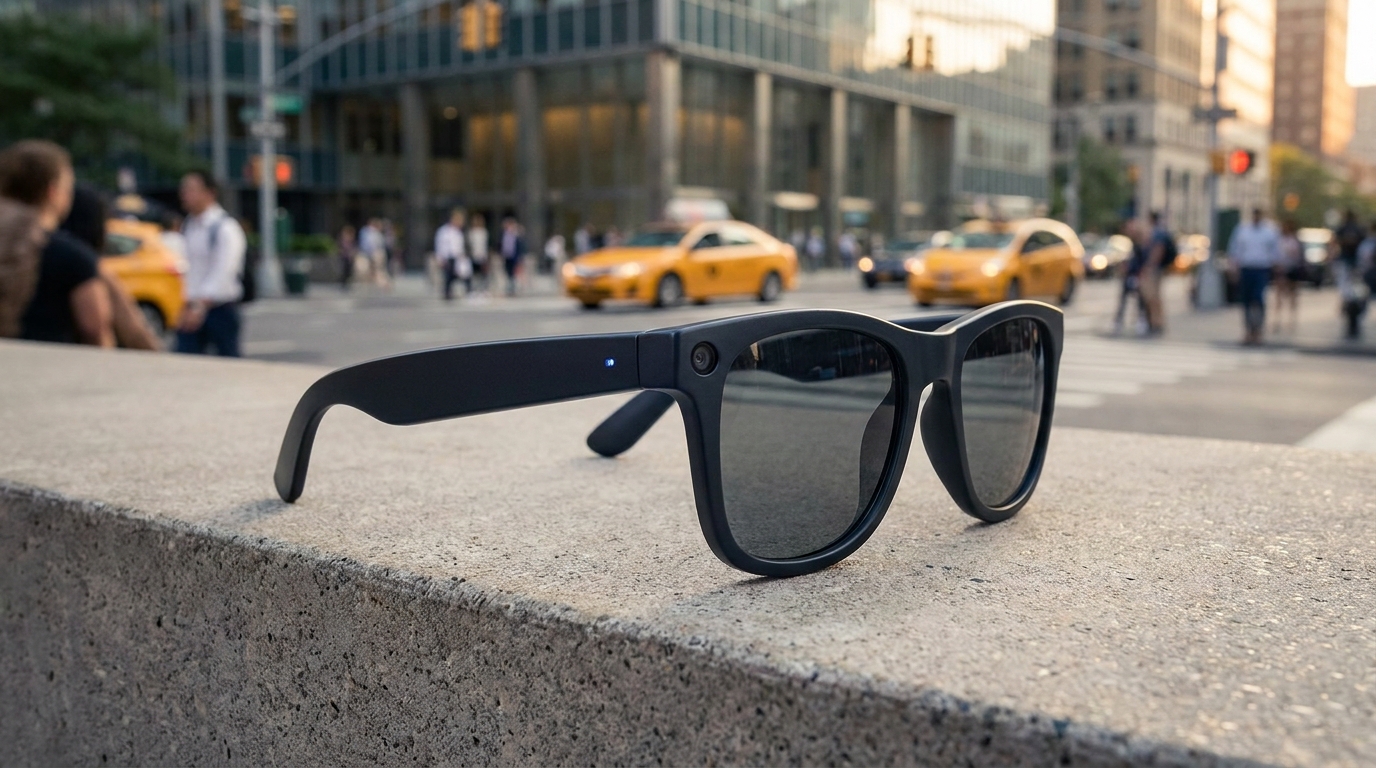
Meta's Ray-Ban smart glasses are undeniably winning the broader consumer smart eyewear race, as Smart Glasses Daily Originals has noted. However, their success stems from discreet form factor, immediate camera-driven utility, and seamless AI interaction, not advanced AR displays. Even the forthcoming Meta Luna glasses reportedly strip out the camera, doubling down on privacy-focused audio-AI interactions rather than visual augmentation, confirming this strategic divergence.
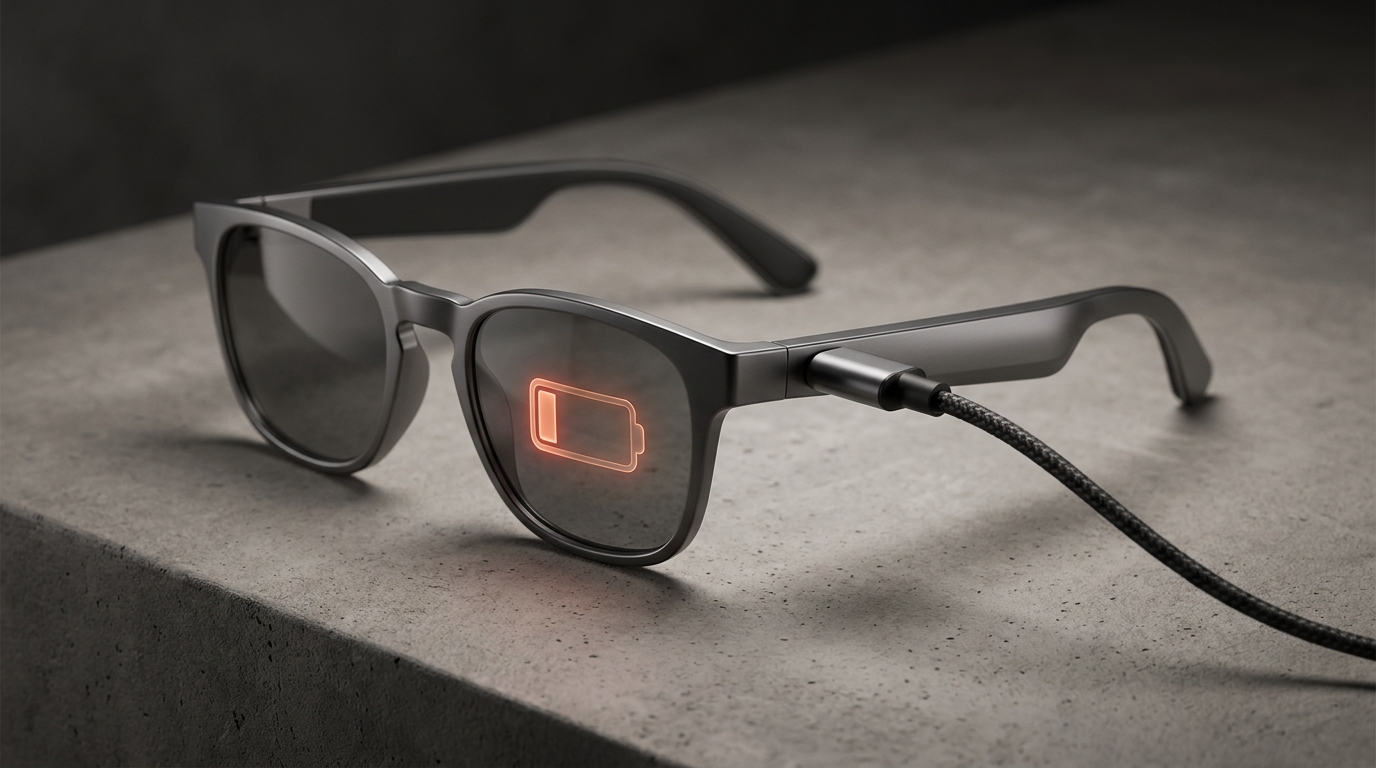
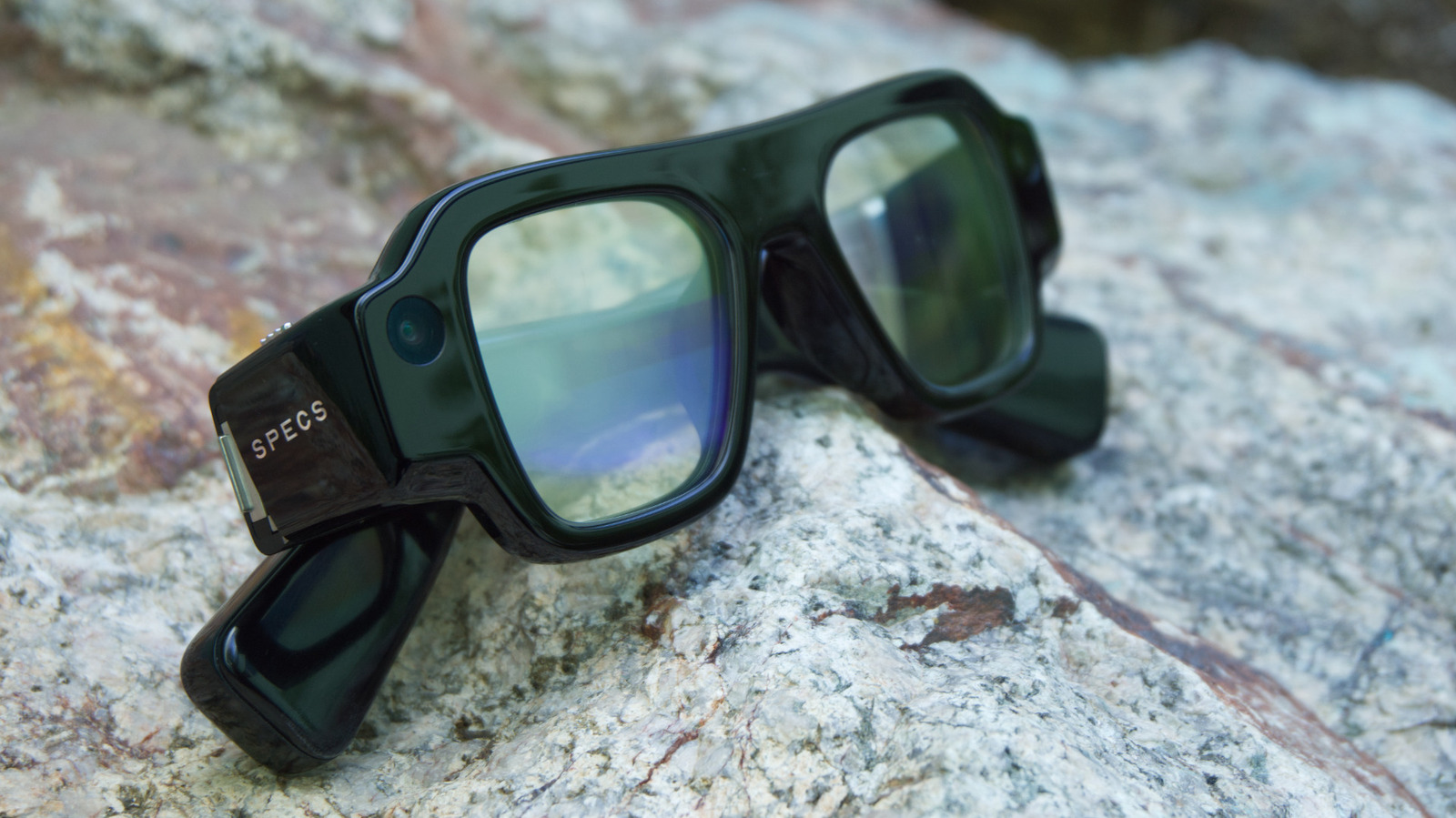
Snap's latest $2,195 Specs embody the high-concept AR dream, aiming for a "truly standalone mixed reality experience" with integrated AI. Engadget's review highlights impressive capabilities but also flags the "hefty price tag and distinct design" as significant barriers to mass appeal. Despite a polished operating system and the new "Specs Intelligence" AI service, the size and cost of full-featured AR continue to prove prohibitive, exacerbating the pervasive "battery problem" that plagues intensive smart glasses.
The genuine, impactful innovation in AR displays is coming from a different corner entirely. Companies focused on delivering specific, invaluable information directly into the wearer's line of sight are making significant, pragmatic strides. They prioritize clarity, comfort, and core function over raw graphical fidelity or immersive virtual worlds.
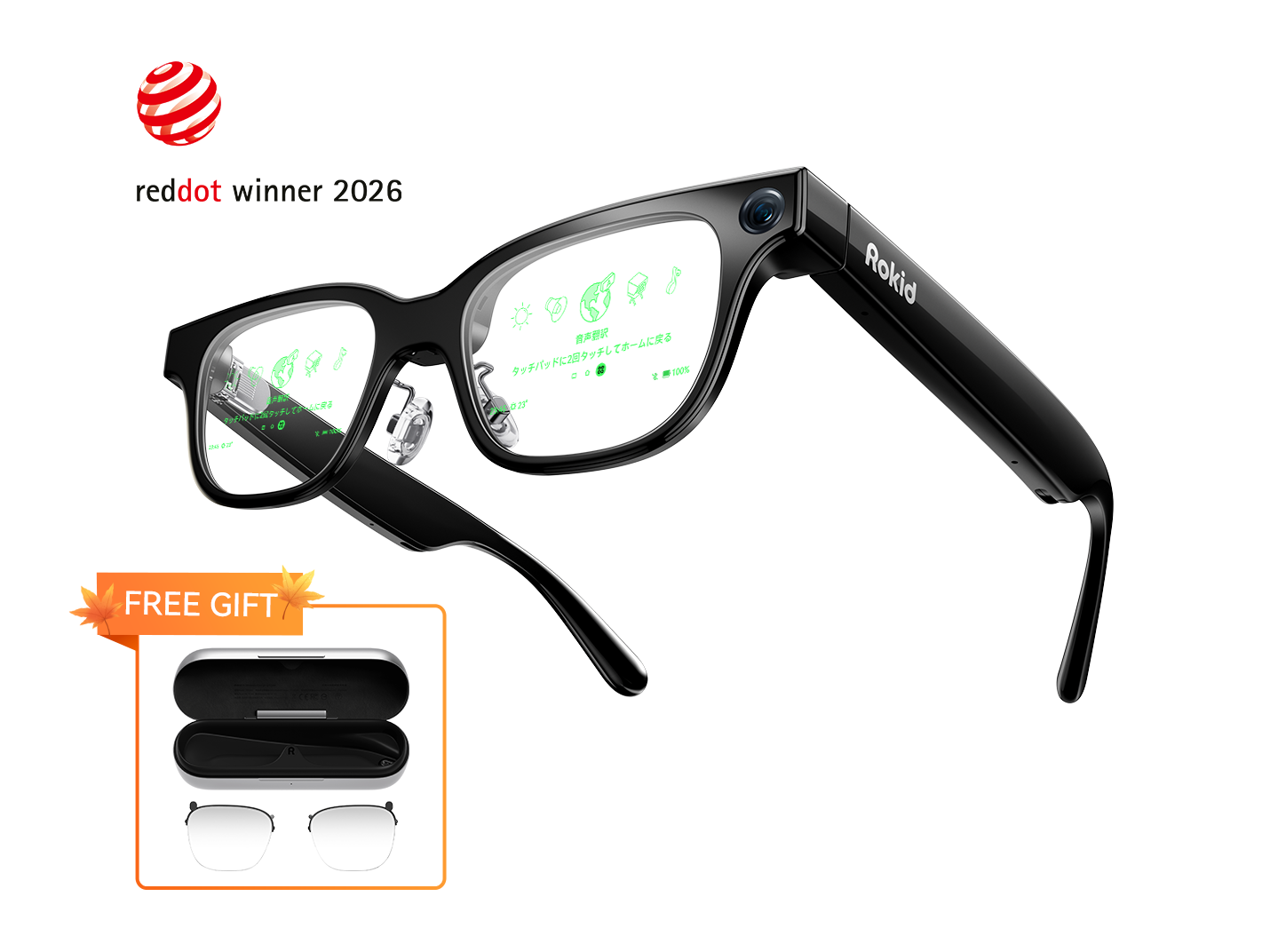
Rokid Glasses offer a prime example of this winning strategy, effectively delivering the promise that "real life now has subtitles." Weighing a mere 49 grams and priced at $699, these glasses leverage dual monochrome green Micro-LED displays. They provide compelling, immediate utility such as 89-language translation, visual recognition, and navigation directly in the wearer's view, proving that targeted augmentation is powerful.
INMO's GO3, an IFA Innovation Award winner, further reinforces this display-first trend. Its 58-gram design features binocular green Micro-LED panels, much like Rokid's approach. The GO3 boasts real-time translation for 98 languages, displayed clearly within a 30-degree field of view. These devices are purpose-built for practical, legible information delivery, not merely spectacle.
The core of this winning strategy is a steadfast focus on lightweight, power-efficient displays that directly solve concrete problems for users. These companies are effectively sidestepping the immense computational overhead and excessive power drain associated with full-color, wide field-of-view AR. By delivering essential data in a minimalist, effective way, they ensure immediate user value and greater social acceptance.
This pragmatic revolution in AR display utility is spearheaded by companies like RayNeo and XREAL. They have consistently focused on accessible, high-quality, and increasingly integrated AR display technologies that form the backbone for many of these utility-first glasses. Their advancements in waveguide technology and display modules make compact, capable AR a reality for a wider range of partners and consumer products, demonstrating a keen understanding that successful AR means targeted enhancement, not virtual escapism.
While the "battery problem" remains an industry-wide crisis for smart glasses, the focused, often monochrome, displays used by these winning players demand less power. Their lighter computational requirements and simpler display needs translate into more reasonable battery life for specific use cases. This incremental progress moves them closer to the elusive goal of "all-day" intelligent eyewear than their power-hungry competitors.
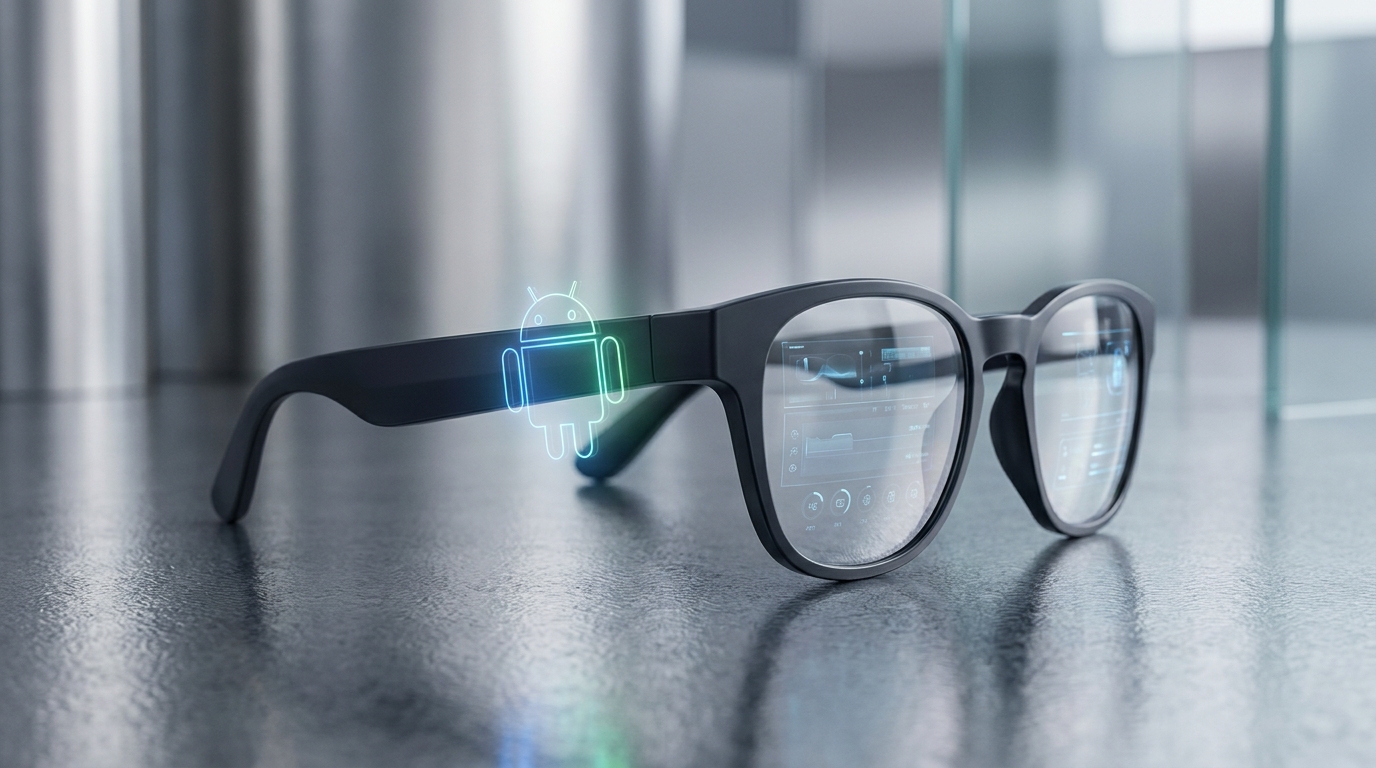
The impending arrival of Android XR is poised to further consolidate this utility-focused, display-first ecosystem. Providing an open, standardized foundation, Android XR will empower brands leveraging effective display technology, giving them a scalable platform to deliver their practical AR solutions. This will push the industry beyond its current fragmentation, benefiting players focused on pragmatic AR displays.
The smart glasses market will not be fundamentally swayed by expensive, bulky spatial computers or camera-first glasses masquerading as true AR. The path to widespread AR display adoption is being charted by RayNeo, XREAL, and Rokid. They are delivering lightweight, affordable, and incredibly useful visual information precisely when and where it is needed. This is how you win the display war.
Interactive guide — prices, displays, cameras, battery.
Share this story