Analysis · Ray-Ban Meta
Ray-Ban Meta's 'Pervert Glasses' Label Harms Those Who Need Them Most
The ongoing public debate over privacy with smart glasses, particularly Ray-Ban Meta, disproportionately impacts disabled users. Concerns about "pervert glasses" create a harmful stigma, obscuring vital accessibility benefits, according to a recent Guardian piece.
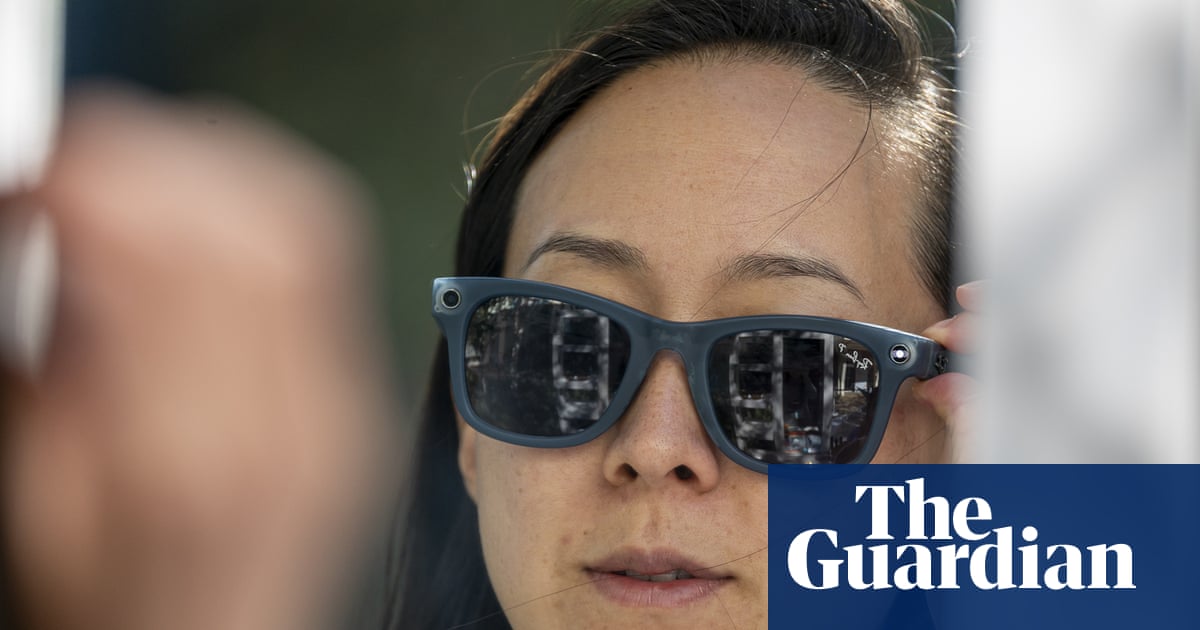
The public conversation around camera-equipped smart glasses, often exemplified by devices like Ray-Ban Meta, frequently centers on privacy concerns. While valid, this intense focus has generated a pejorative "pervert glasses" label, creating unintended consequences. A recent piece published by The Guardian on August 14, 2026, highlights how this widespread stigma is particularly detrimental to a user group that stands to benefit immensely: individuals with disabilities.
The Guardian article features an optometrist who initially harbored reservations about stocking Ray-Ban Meta, citing a lack of enthusiasm for Meta or Luxottica. However, colleagues convinced them of the potential advantages for people with visual impairments. In practice, the benefits reportedly exceeded expectations. The optometrist notes that the majority of their smart glasses customers are individuals with visual impairments or learning difficulties, citing one instance where a virtually illiterate man now relies on the glasses to have the world read to him.
For many of these patients, navigating public spaces already demands significant courage, grappling with unfamiliar environments, unreadable signage, and constant low-level anxiety. Smart glasses have quietly mitigated these challenges. However, the optometrist observes that the prevalent "pervert glasses" narrative now adds a new layer of anxiety for these users: the fear that strangers will judge them negatively for wearing a device that empowers their independence, as reported by The Guardian.
The Guardian also mentions a specific anecdote where an optometrist colleague faced online harassment for merely suggesting the utility of smart glasses. The broader media's adoption of the 'pervert glasses' moniker, according to the original piece, lends legitimacy to this hostility. While acknowledging that privacy harms are real and warrant regulation, the optometrist points out a societal double standard: hundreds of people routinely photograph in public spaces with phones without explicit permission, yet the stigma often falls uniquely on smart glasses, despite their visible recording light.
Our take: This Guardian report underscores a critical aspect of smart glasses adoption often overlooked in the rush to debate privacy. While legitimate concerns about consent and surveillance demand robust discussion and clear regulatory frameworks, the narrative must evolve beyond sensationalism. We've been tracking the incredible potential of these devices for accessibility, from aiding navigation for the visually impaired to providing real-time information for those with cognitive challenges. Dismissing smart glasses purely as 'pervert tech' does a disservice to these users and hinders progress on solutions that genuinely improve lives. Moving forward, the industry, media, and regulators must collectively work to create an environment where the benefits of assistive smart eyewear can flourish responsibly, free from undue stigma.
Interactive guide — prices, displays, cameras, battery.
Share this story