Analysis · -
Pro Sports Crack Down on Smart Glasses Amid Betting Scandal Fears
Cricket authorities are barring connected eyewear from player dugouts over real-time betting fears, setting a precedent that other sports leagues will likely follow.

On May 31, 2026, reports highlighted a growing friction point between wearable tech and professional athletics. As reported by Gizmodo, sports leagues are establishing new boundaries against smart eyewear, prompted by integrity and illegal betting concerns. Specifically, an advisory unit within the Indian Premier League (IPL) recently issued explicit warnings barring players and team personnel from wearing smart glasses in restricted match-day zones, including dugouts, locker rooms, and the playing pitch itself.
The root of the IPL crackdown stems from strict anti-corruption regulations. According to an account first reported by The Indian Express, an anti-graft advisory body clarified that smart eyewear falls squarely under existing restrictions against unauthorized communication hardware in designated match-day sectors. A source cited by the publication emphasized that the move is an effort to stay ahead of rapidly evolving integrity threats during one of the most commercially lucrative athletic tournaments in the world.
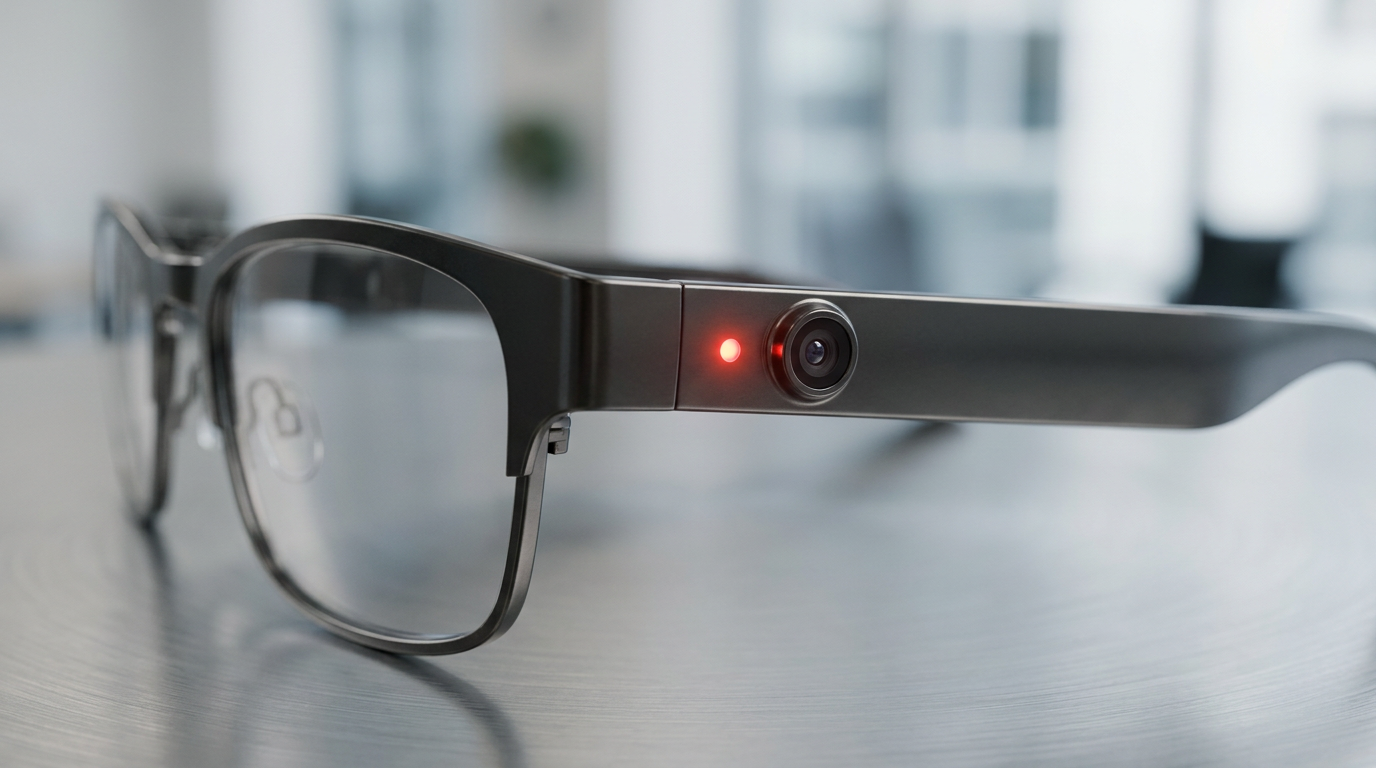
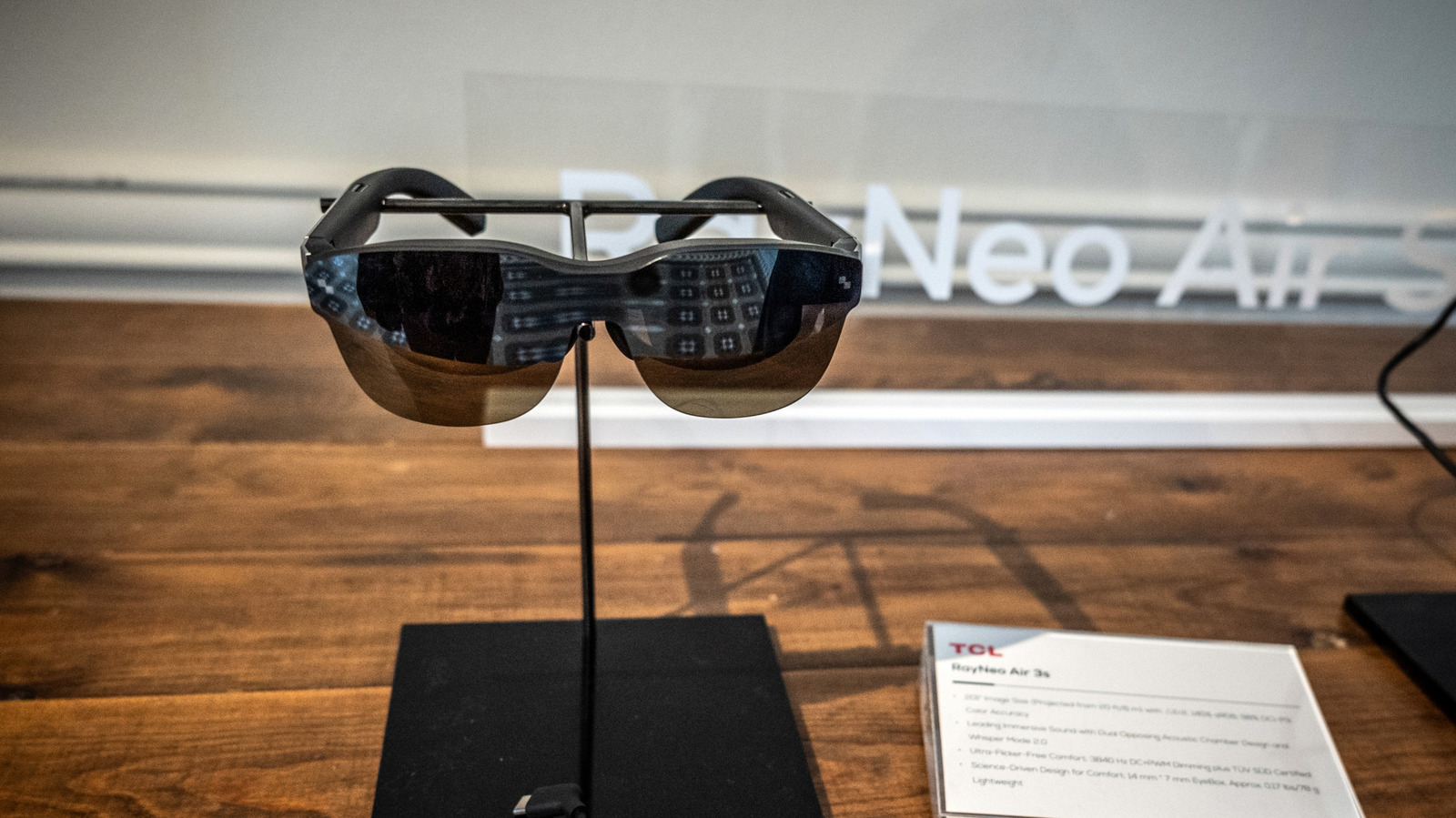
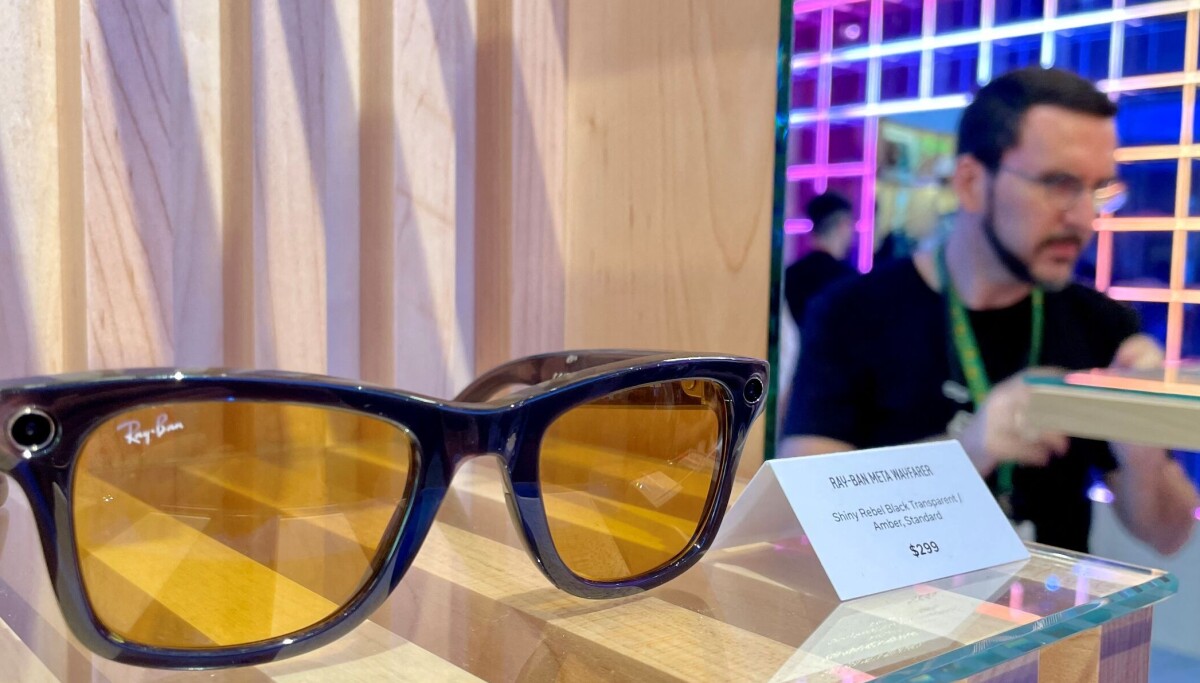
The primary anxiety has less to do with athletic performance enhancement and everything to do with real-time gambling and match-fixing. While devices like the Ray-Ban Meta or display-equipped frames offer audio assistance, live messaging, and recording, they also present an unprecedented channel for covert communication. Gizmodo writer James Pero noted that a compromised athlete looking to manipulate in-game action based on live betting lines could easily liaise with an off-field contact via discreet voice calls or notifications. When hardware blends seamlessly into everyday acetate frames, detecting improper communication becomes an enforcement nightmare.
Similar concerns have already crossed into other high-stakes environments, such as courtrooms where witnesses have attempted to receive surreptitious coaching through connected eyewear. In the sporting arena, leagues across North America and Europe, including Major League Baseball and the NBA, have spent years navigating player gambling controversies and federal investigations into match manipulation. As Gizmodo observed, while major leagues have prohibited smartphones and traditional electronics in dugouts and benches for years, the subtle form factor of modern connected glasses creates a new loophole that sports governance boards will inevitably have to close.
Our take: The crackdown in professional cricket represents the opening salvo of a broader regulatory push across live sports, casino floors, and academic testing environments. As audio and camera-enabled frames shed their early clunky aesthetics for everyday silhouettes that look indistinguishable from conventional prescription glasses, passive visual enforcement becomes obsolete. Leagues will likely have to mandate optical inspections or outright bans on any eyewear not pre-certified by team medical staff, setting up friction for athletes who legitimately need prescription lenses and consumers who expect to wear their AI companions anywhere.
For the smart glasses industry, this kind of pushback is an inevitable rite of passage. Much like smartphones were systematically ejected from locker rooms, trading floors, and poker tables over a decade ago, connected eyewear is learning that ubiquity comes with institutional pushback. As micro-displays and conversational AI advance, leagues and regulatory bodies will continue to draw strict borders around where spatial computing ends and competitive fair play begins.
Interactive guide: prices, displays, cameras, battery.
Share this story