News · Apple
Paul Meade Leaves Apple Vision Pro for OpenAI, Spearheads New Hardware Division
Apple's hardware VP, who led Vision Pro and smart glasses development, is reportedly moving to OpenAI to establish its in-house hardware division. This development marks a significant shift for both tech giants.
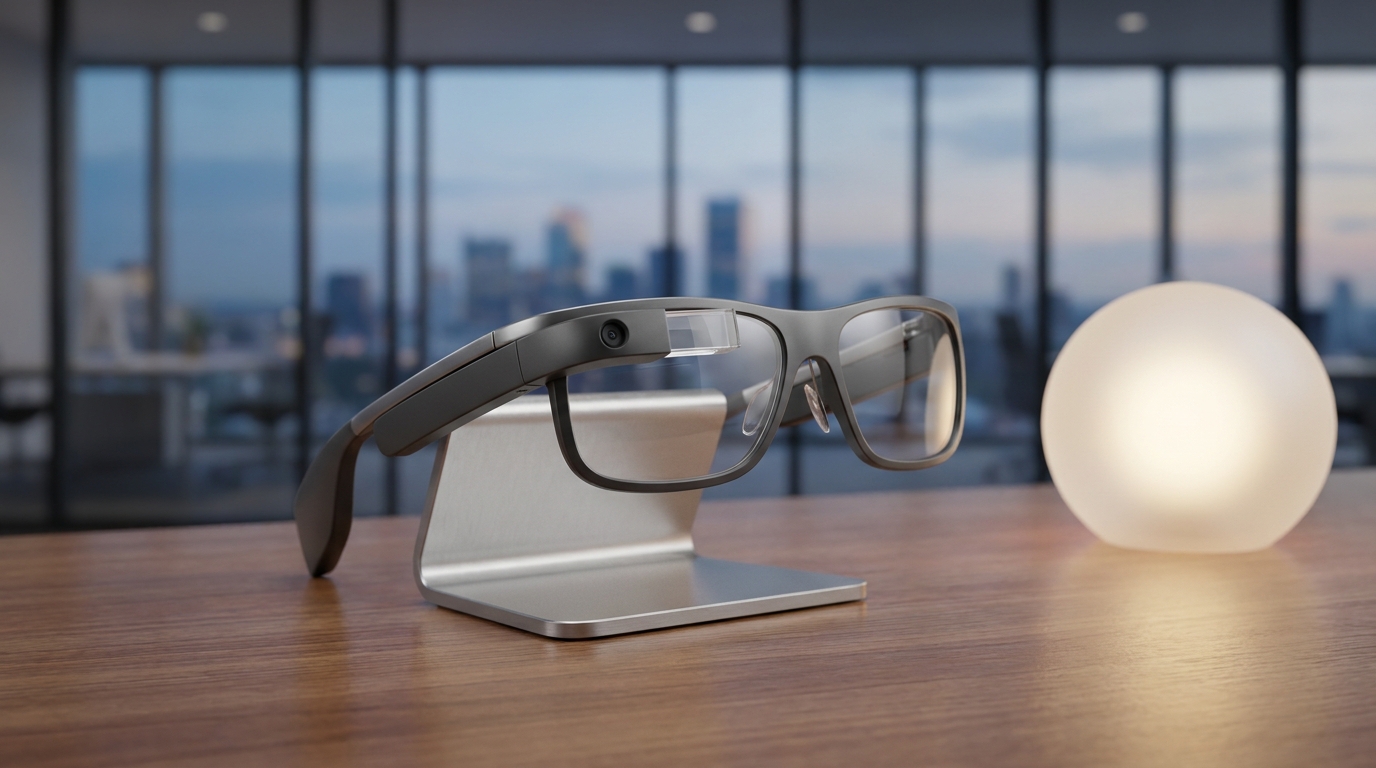
On June 27, 2026, industry reports indicate a major executive shift: Paul Meade, Apple's Vice President leading the Vision Products Group, is departing the company. According to Bloomberg, Meade is set to join OpenAI, where he will establish and lead the artificial intelligence firm's new hardware division.
Meade's tenure at Apple included seven years spearheading hardware engineering for the Vision Pro headset, alongside his crucial role in the company's broader smart glasses initiatives. This makes his move particularly impactful, given Apple's widely anticipated, yet unreleased, standalone smart glasses model, which previous reports suggest won't debut until late 2027. Before his work on AR/VR, Meade also contributed to the development of the iPad and iPhone.
OpenAI's foray into hardware is not entirely new; the company has been collaborating on AI-powered devices with Jony Ive's startup since 2025. While Ive's design firm, io, merged with OpenAI in a reported $6.5 billion deal, it maintains independent operations. Bloomberg notes that Meade's mandate will be to oversee a "family of AI-powered devices," although it remains unclear how this in-house department will integrate with or affect OpenAI's ongoing work with Ive's studio. The Information previously reported that Ive's team is also developing a series of AI devices, including a smart speaker projected for a 2027 release.
At Apple, Fletcher Rothkopf, a co-founder of the Vision Pro team, will assume many of Meade's former responsibilities. Bloomberg further links Meade's departure to the impending CEO transition at Apple, with John Ternus, currently SVP of hardware engineering, poised to take over from Tim Cook on September 1.
Our take: This executive transfer underscores a growing industry trend: the convergence of advanced AI with dedicated hardware. OpenAI's move to build an in-house hardware division, led by an architect of the Vision Pro, signals serious intent to control the full stack of its future AI experiences. For Apple, losing such a key figure from its nascent spatial computing team is a blow, particularly as the company navigates the early stages of Vision Pro adoption and the long-term roadmap for its broader smart glasses ambitions. The competitive landscape for AI glasses just intensified significantly.
Source: Engadget ↗
Interactive guide — prices, displays, cameras, battery.
Share this story