Analysis · Meta
Meta Smart Glasses: A Public Privacy Confrontation
Meta's latest smart eyewear makes discreet public recording simple, fueling a contentious debate over personal privacy versus the freedom to capture content in shared spaces. Businesses and advocacy groups are already taking action.

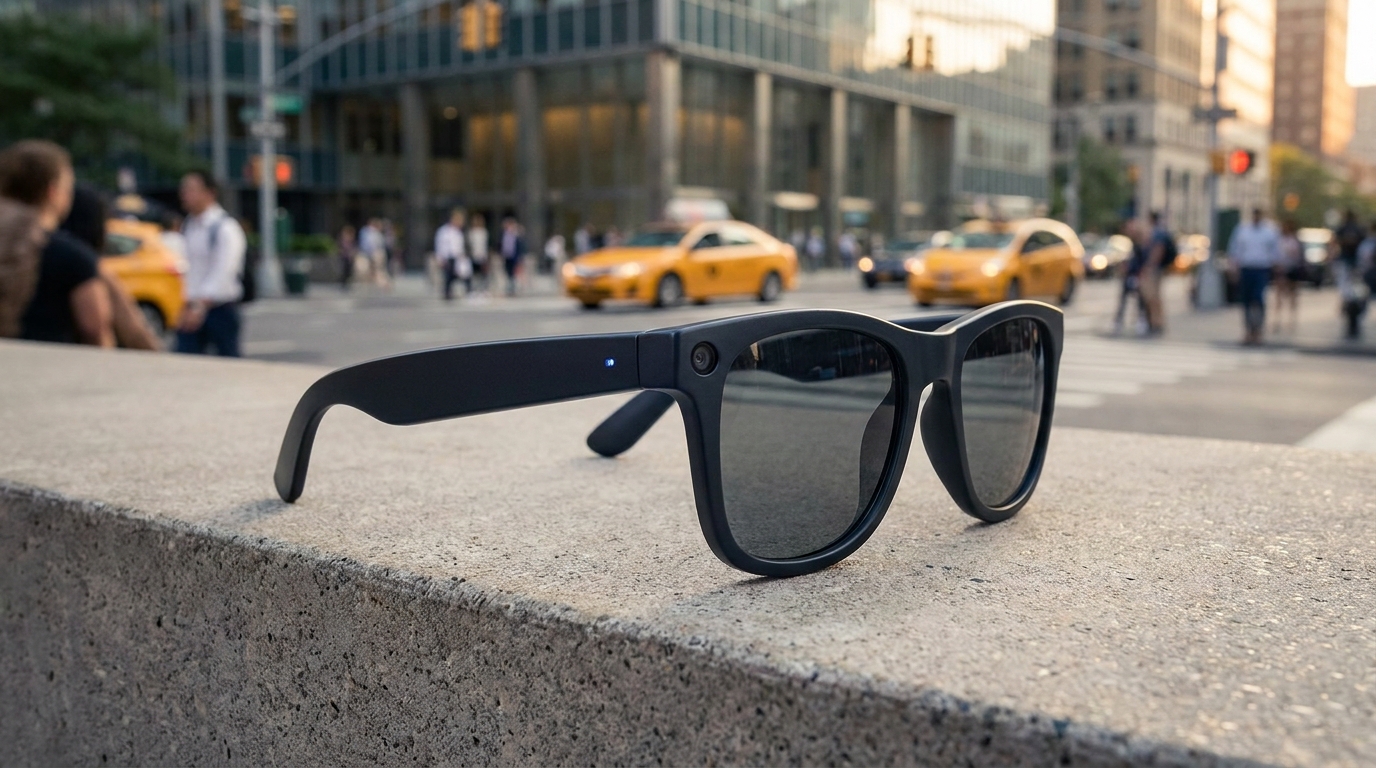
Meta's Ray-Ban smart glasses have undeniably streamlined public recording, offering hands-free video and photo capture. This convenience, however, has ignited a sharp societal debate over privacy in public spaces. The technology allows users to make calls, interact with AI, and capture media with a simple frame touch, prompting a fresh wave of scrutiny on wearable tech.
Concerns are mounting over the potential for discreet, unwelcome filming. bbc.com reports that Wetherspoons, a major UK pub chain operating nearly 800 venues, has already banned the glasses for filming on its premises. Furthermore, women's rights campaigners have flagged the glasses' potential misuse for harassment, according to bbc.com.
Despite these objections, the glasses are proving popular with content creators. bbc.com highlights Pearse Vallely, a 31-year-old from west Belfast who uses his Meta Ray-Ban glasses to record street interactions, framing his daily walks from a first-person perspective for social media. In response to privacy concerns, bbc.com notes that Meta recently updated the glasses to disable the camera if the indicator light is tampered with.
Our take: The tension between ubiquitous capture and personal boundaries will only escalate as smart glasses become more prevalent. While Meta's camera light update is a step, it's a technical solution to a social problem. True resolution requires a broader shift in public understanding and, potentially, clearer legal frameworks for what constitutes permissible recording in shared environments. The industry must proactively engage with these ethical challenges, not just react with software patches.
Interactive guide — prices, displays, cameras, battery.
Share this story