Analysis · Meta
Meta's Vision: Why Smart Glasses Are More Than a Product for Zuckerberg
Meta's substantial investment in Reality Labs is a strategic defensive play, aiming to secure its future beyond third-party hardware.
The staggering financial investment in Meta's Reality Labs, reportedly tallying around $88 billion in cumulative operating losses since late 2020, defies conventional hardware business logic. According to [Tony Leone](https://www.linkedin.com/pulse/face-next-ad-unit-inside-metas-glasses-strategy-why-google-tony-leone-czslf/), this colossal spending is best understood as a "defensive platform bet," a strategic move to insulate Meta's core attention-based businesses from reliance on external hardware ecosystems. With Q2 2026 alone seeing a $4.62 billion loss against $431 million in revenue, this perspective reframes the division's apparent struggles.
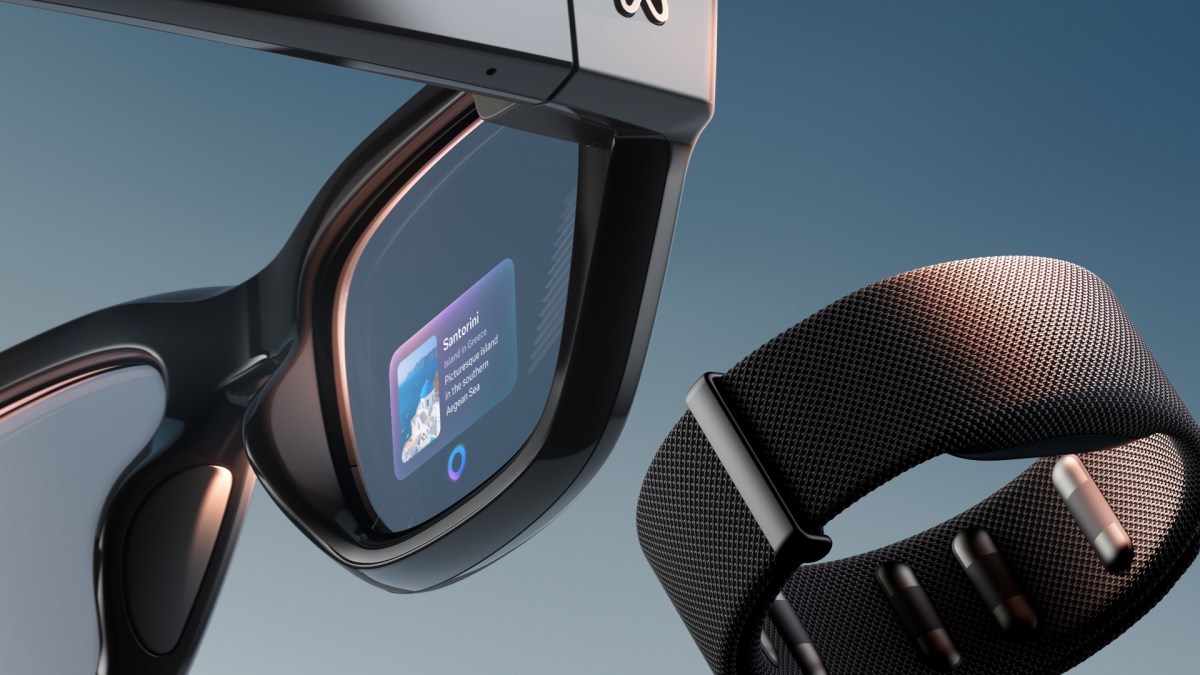
A crucial shift, Leone notes, is the emergence of smart glasses as Reality Labs' scalable product. Collaborating with EssilorLuxottica, Meta now reportedly commands 72 to 80 percent of the smart glasses market share. EssilorLuxottica reported sales of over 7 million AI glasses in 2025, a significant jump from 2 million the previous year. Meta is reportedly setting an ambitious target of 10 million wearable units for the second half of 2026 alone, indicating a clear pivot in the division's growth drivers away from Quest.
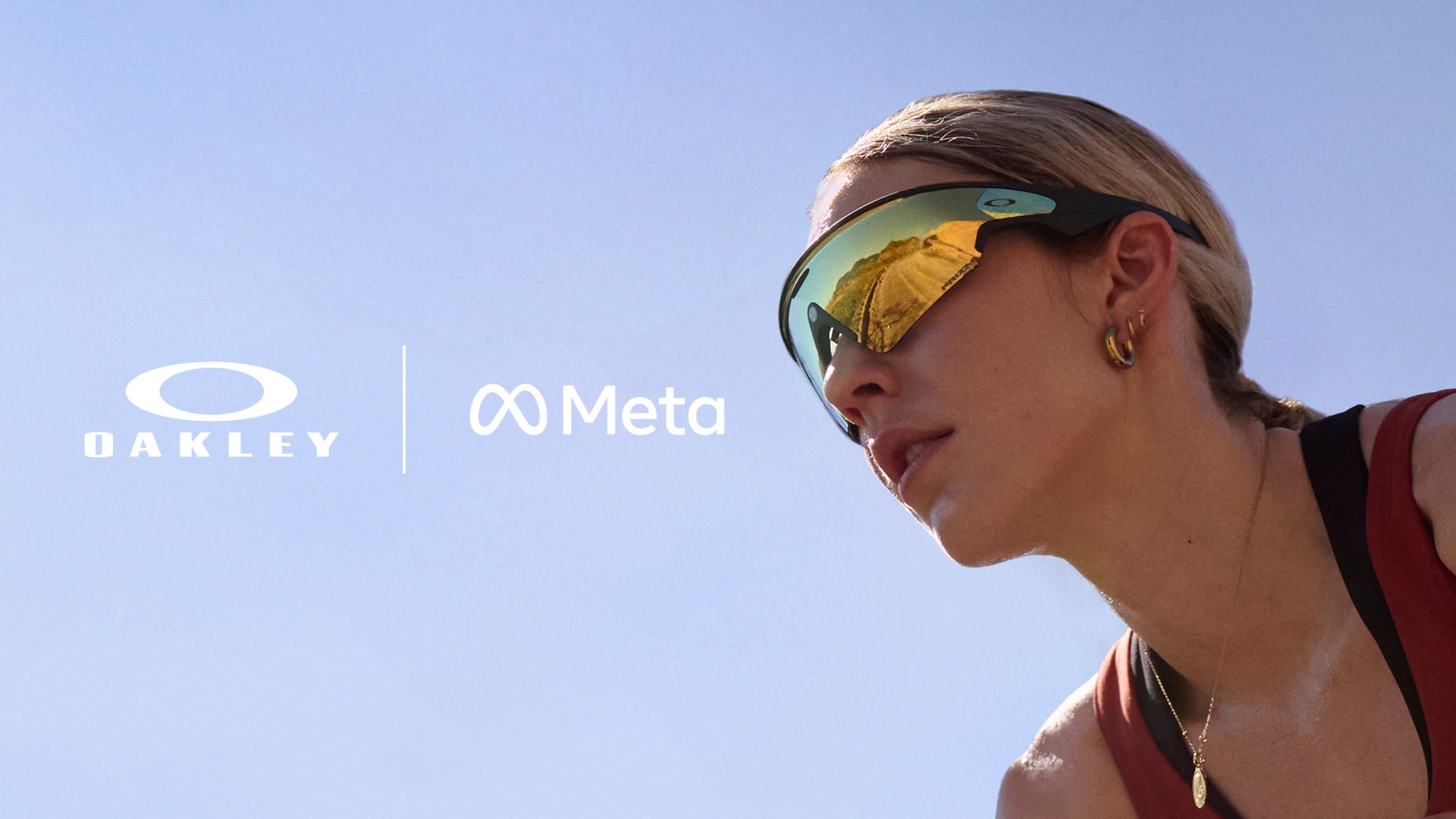
This aggressive push is mirrored by an equally aggressive advertising blitz. For nearly two years, Meta has saturated its own platforms-Instagram, Facebook, and WhatsApp-with creative for Ray-Ban Meta and Oakley Meta smart glasses. The company has also run Super Bowl campaigns for two consecutive years, notably featuring Spike Lee, Marshawn Lynch, and other personalities in 2026 spots for Oakley Meta, under the tagline "Athletic Intelligence is here." These broadcast slots reportedly cost around $8 million per 30 seconds.
Leone argues that the scope of this advertising spend is often misjudged. One key factor is Meta's unique distribution advantage: when Meta promotes its glasses across its own social feeds, it's not incurring traditional media costs. Instead, it's allocating existing, otherwise unsold, or opportunity-cost inventory to itself. This gives Meta an unparalleled reach that even major competitors like Apple, despite its retail network and first-party OS, must still pay to achieve. This asymmetry in distribution, Leone suggests, is a primary driver behind the potential for rapid market diffusion.
Furthermore, Leone highlights that these campaigns serve a dual audience. While consumers are an obvious target, a significant portion of the messaging is directed at Wall Street. With Reality Labs contributing approximately one percent of Meta's total revenue, a Super Bowl advertisement for what appears to be a minor revenue stream isn't merely a sales push. Leone characterizes it as a "positioning campaign," designed to assure investors that the projected $115 to $135 billion in 2026 capital expenditure has a tangible consumer outcome, providing a physical form for Mark Zuckerberg's "personal superintelligence."
The third, unspoken audience, Leone observes, is culture itself. The primary hurdle for the smart glasses category isn't technical innovation but social acceptance. Every advertisement depicting athletes or directors casually wearing camera-equipped glasses serves as an incremental step towards normalizing their presence. Leone concludes that Meta isn't merely advertising a product; it's actively working to normalize a behavior. This is why the creative consistently shows the glasses being worn in everyday scenarios, rather than being demonstrated as a new gadget.
Our take: Meta's strategy demonstrates a clear understanding of the long game in spatial computing. By leveraging its vast user base and advertising infrastructure, the company is attempting to circumvent the "chicken-and-egg" problem that has plagued many emerging hardware categories. Their focus on normalizing the form factor and usage before mainstream utility is fully realized is a high-stakes gamble, but one that could fundamentally reshape how personal computing is experienced and monetized.
Interactive guide — prices, displays, cameras, battery.
Share this story