Analysis · Meta
Meta's Trojan Horse: Why Ray-Ban's Subtle AI Dominates Apple's AR Ghetto
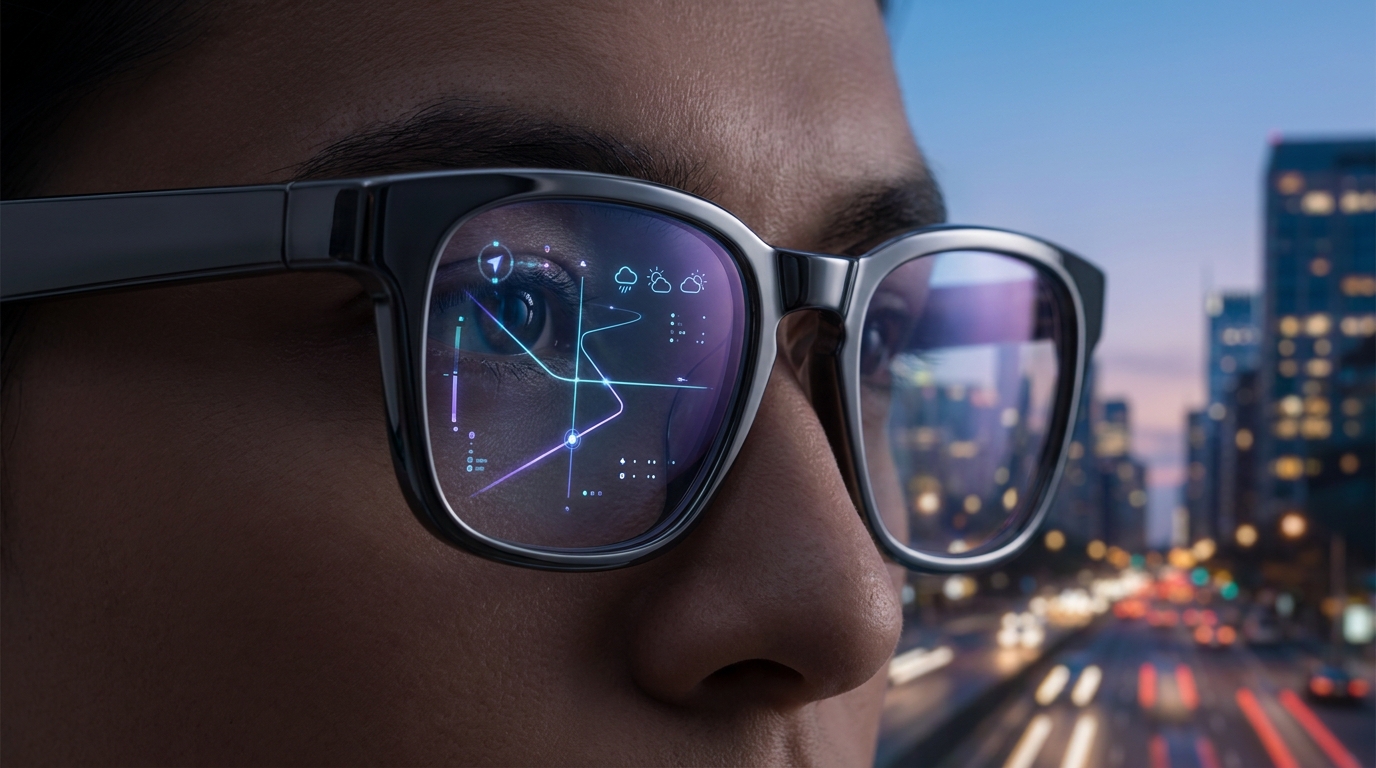
While Apple tinkers in its 'spatial computing' sandbox, Meta's quiet, fashionable AI glasses are already winning the war for your face. The future of smart eyewear isn't about screens, it's about seamless, social utility.

The smart glasses market is not merely evolving; it is bifurcating, revealing two distinct, competing visions for our digital future. On one side, Apple's Vision Pro, a magnificent technological achievement, remains firmly entrenched in the realm of an expensive, isolating, and inherently niche VR headset. On the other, Meta, with its Ray-Ban collaboration, is quietly, confidently, and most importantly, fashionably, conquering the mass market.
The core of Meta's victory lies in its strategic retreat from the very display-centric future Apple champions. While previous iterations of Ray-Ban Meta glasses flirted with camera-first surveillance, Meta has demonstrated a crucial pivot. The introduction of the Ray-Ban Meta Audio glasses, entirely devoid of cameras, directly addresses public privacy anxieties while honing in on discreet, audio-first utility. This move is a concrete response to widespread criticism and the resounding success of anti-surveillance products like DuckDuckGo's 'Normal F***ing Sunglasses.'
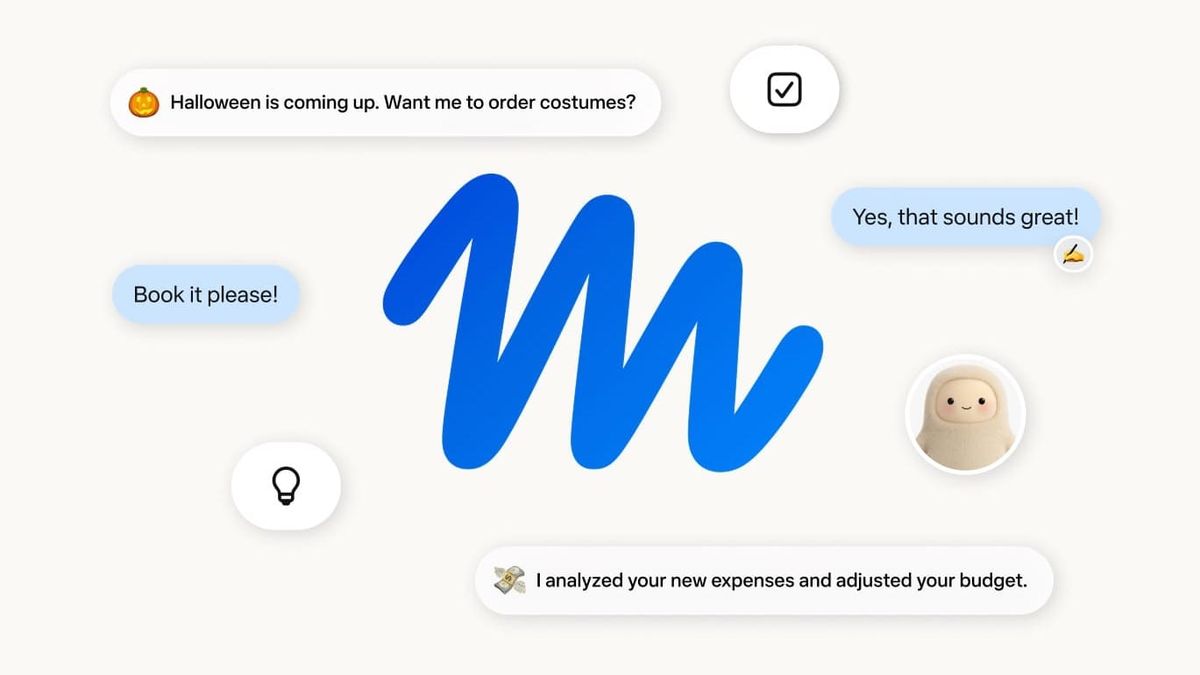
Meta understands that mainstream adoption for eyewear hinges on social acceptance and seamless integration into daily life, not on transforming wearers into cyber-punks tethered to virtual realities. People want utility, not a bulky computer strapped to their face. The true power play here is the integration of Meta's advanced Muse AI agent into these glasses, shifting the paradigm from mere chatbots to proactive, intelligent assistance that keeps phones out of sight. This is hands-free convenience, subtly delivered.
Apple's Vision Pro, for all its technological prowess, is a self-imposed prison of the visual. Its immersive screens, while dazzling, pull users *away* from the real world, rather than augment it. This fundamental design choice limits its appeal to specific, often isolated, use cases. No one is wearing a Vision Pro to a casual brunch or a park outing without drawing stares and eliciting social discomfort. Meta's Ray-Bans, in contrast, aim to disappear into the social fabric.
The market's trajectory confirms this. While Meta's camera-first strategy faced understandable privacy backlashes, the underlying form factor, the commitment to everyday eyewear, was always sound. The backlash was against the feature, not the fundamental design. This explains why companies like Samsung are now following a similar path, announcing display-less, Gemini-powered smart glasses slated for a November release, leveraging fashion partnerships with brands like Gentle Monster and Warby Parker. They are chasing Meta's lead, not Apple's.
Samsung's approach, mirroring Meta's refined strategy, leans on a connected smartphone for heavier AI processing, emphasizing a lightweight, assistive design. This display-less strategy, focusing on audio, voice AI, and discreet interaction, directly competes with Meta's refined Ray-Ban offering. It’s a validation that the true battleground is in invisible utility, not in rendering photorealistic digital overlays.
Even Rokid, with its dual AI glasses, offers a 'Style' model that prioritizes voice AI, directly competing with the camera-less Meta Ray-Bans. This widespread industry alignment around discreet, utility-focused eyewear underscores a clear market preference. The 'display-less' approach is not a compromise; it is a feature, a strategic choice that prioritizes social integration over visual immersion.
Meta's ongoing challenge remains fostering an open ecosystem, a weakness expertly exploited by Android XR and the burgeoning open-source community. While Meta's Muse AI agent showcases unprecedented smart glasses power, its 'walled garden' approach risks alienating independent developers. The true revolution in smart eyewear lies in platforms where builders can innovate freely, unburdened by corporate gatekeepers.
However, Meta's initial dominance and its pivot towards privacy-conscious hardware give it a significant head start. They are defining the consumer expectation for smart glasses: stylish, always-on, AI-powered assistants that enhance, rather than replace, reality. Apple, meanwhile, is still convincing consumers they need a high-resolution window into another dimension, a hard sell for daily wear.
The sheer unit volume and cultural penetration of Ray-Ban Meta glasses, even with their previous privacy flaws, demonstrate a powerful consumer appetite for this form factor. People are already comfortable wearing them. The addition of increasingly sophisticated, yet subtle, AI capabilities like Muse only makes them more indispensable. This is how technology becomes truly ubiquitous: it integrates, it doesn't disrupt.
Ultimately, Meta is building a Trojan horse. It's not leading with a screen that shouts 'futuristic gadget,' but with a familiar, fashionable object that whispers 'smart convenience.' This subtle infiltration into daily life, powered by increasingly intelligent AI, is a far more potent long-term strategy than Apple's bold, but socially isolating, declaration of 'spatial computing.'
The smart glasses market isn't waiting for revolutionary displays. It's embracing evolutionary utility. Meta's Ray-Bans are winning because they understand that the future of eyewear is not about seeing more virtual worlds; it's about seamlessly living better in the real one, with a discreet, intelligent assistant always at hand, or rather, on face.
Interactive guide — prices, displays, cameras, battery.
Share this story