Analysis · Meta
Meta's Trojan Horse: How Ray-Ban's Stealthy Utility Outmaneuvers Apple's AR Colossus
While the industry chases spatial computing, Meta's smart glasses are quietly capturing the everyday market. Their discreet form factor and focus on immediate utility are proving a more successful strategy than Apple's high-concept, expensive AR gambit.
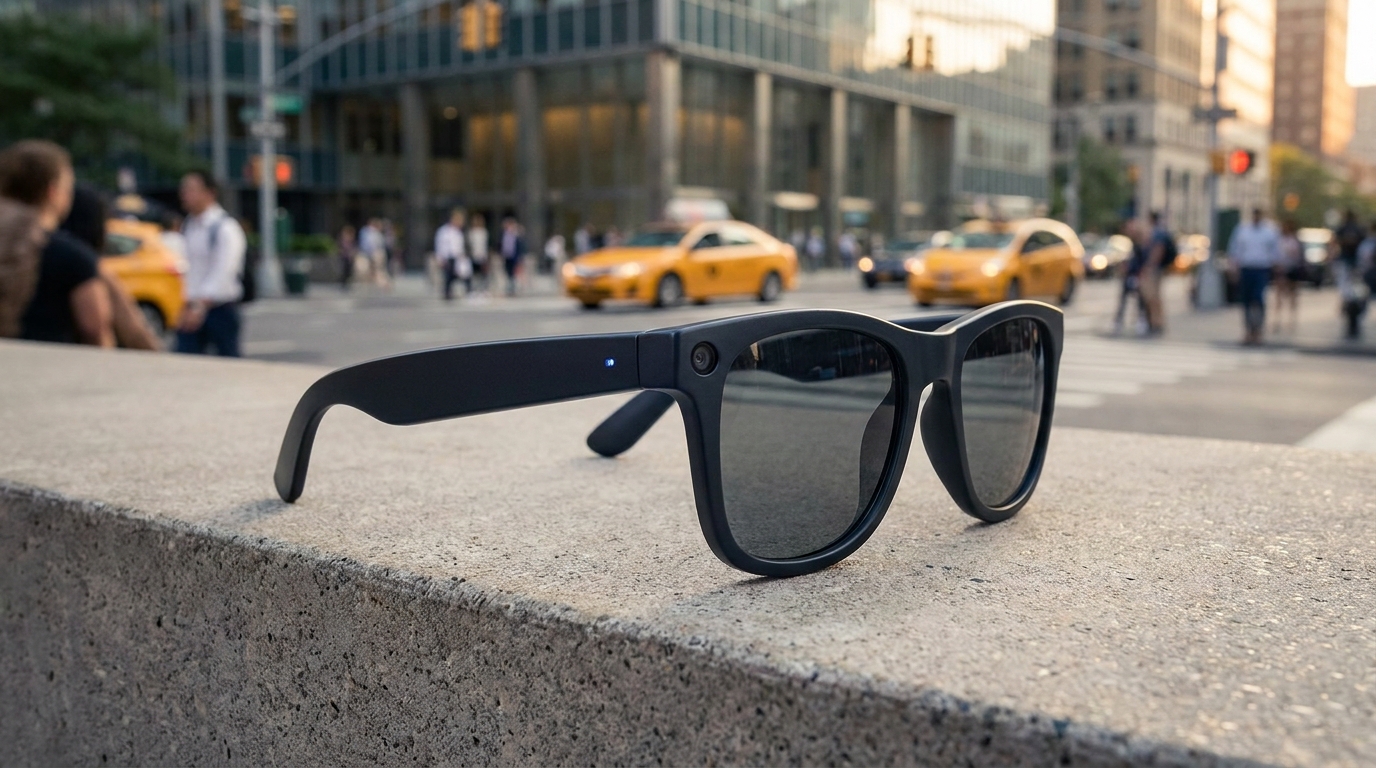
Let's be blunt: Meta's Ray-Ban smart glasses are currently winning the consumer smart eyewear race, and it is not even a fair fight against Apple Vision Pro. This isn't about ethical superiority or groundbreaking augmented reality; it is about market penetration and shaping the immediate future of the category. Meta's success lies in its accessible form factor and immediate, tangible utility, a path Apple's expensive, immersive headset simply cannot replicate for mass adoption.
Meta has, as we have noted before, 'cracked the code for accessible, immediate utility' in smart eyewear. Ray-Ban smart glasses offer discreet, hands-free recording and seamless AI interaction, all within a familiar, socially acceptable design. This convenience has undeniably streamlined content capture and daily communication, making them an effortless integration into daily life for a growing user base.
The commitment to an understated, utilitarian approach is further solidified by Meta's strategic pivot with its forthcoming Luna smart glasses. Reportedly camera-free, Luna directly addresses widespread privacy concerns that have plagued existing eyewear, focusing instead on seamless interaction with Meta's AI chatbot through six microphones and speakers. This move demonstrates a pragmatic response to real-world anxieties, shedding unnecessary features for greater public acceptance.
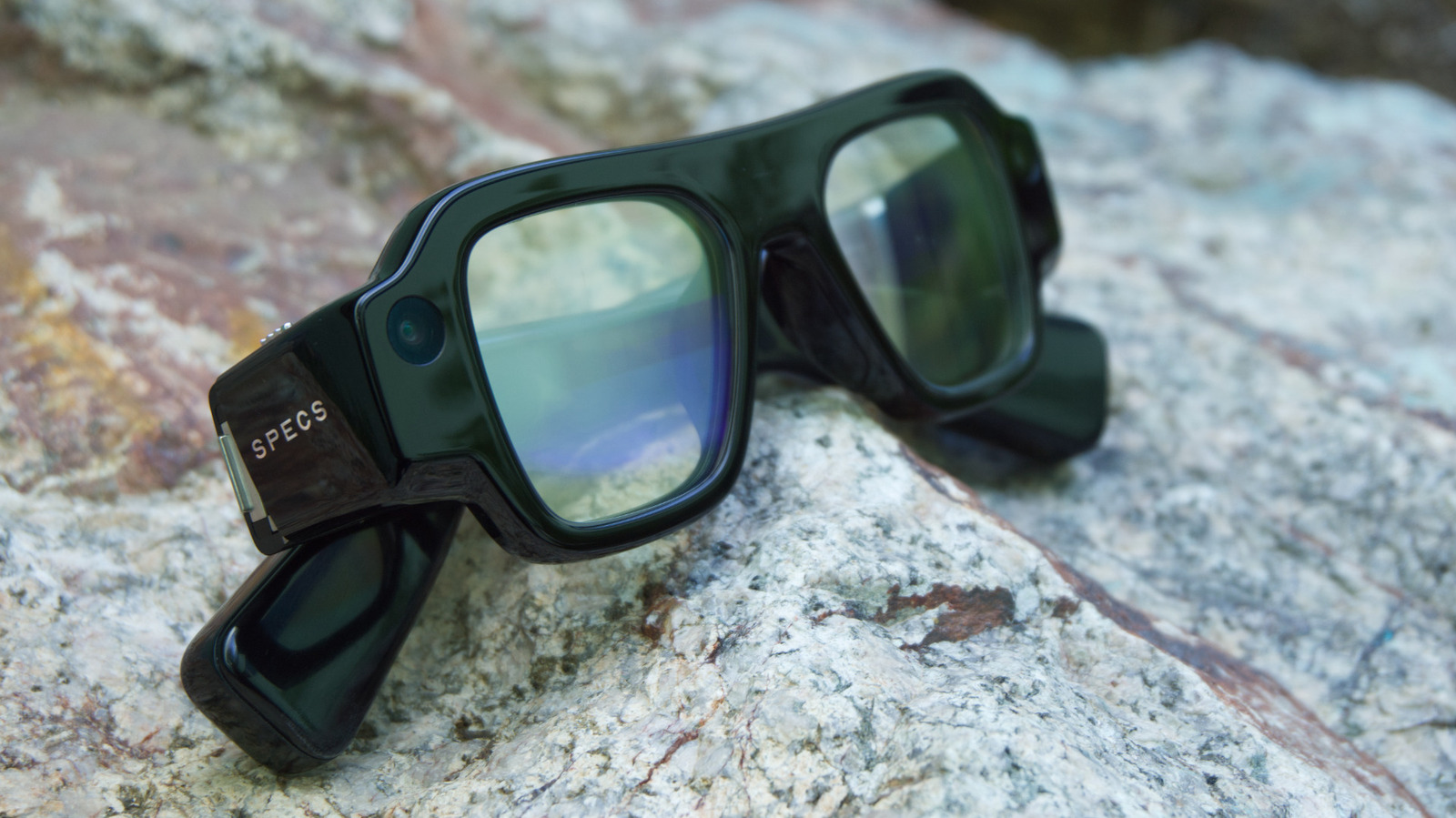
This stands in stark contrast to the industry's continued fixation on ambitious, yet often impractical, AR. Snap's latest AR Specs, priced at a hefty $2,195, aim for a full standalone mixed reality experience, shedding external tethers for impressive capabilities. However, Engadget's review highlights that their 'distinct design' and significant price tag raise lingering questions about mass appeal, echoing the challenges faced by devices in the Vision Pro's tier.
While Snap's 'anticipatory AI service,' Specs Intelligence, integrates with its redesigned AR glasses, its complexity and cost position it as a niche product. The market, as a whole, is not ready for mainstream AR glasses that demand such significant investment or a dramatic shift in social perception. Meta's strategy prioritizes simpler, more direct AI utility tied to familiar hardware, a much easier sell.
Indeed, the 'dumb' smart glasses philosophy, focusing on camera and audio without an AR display, holds a surprising market advantage. SmartXY's K900 platform, an ODM reference design that weighs a lightweight 39 grams, aligns perfectly with this. Its design philosophy, which 'lacks an AR display, focusing instead on camera and audio functionality,' positions it squarely with devices like Meta's Ray-Ban glasses, targeting brands seeking accessible utility.
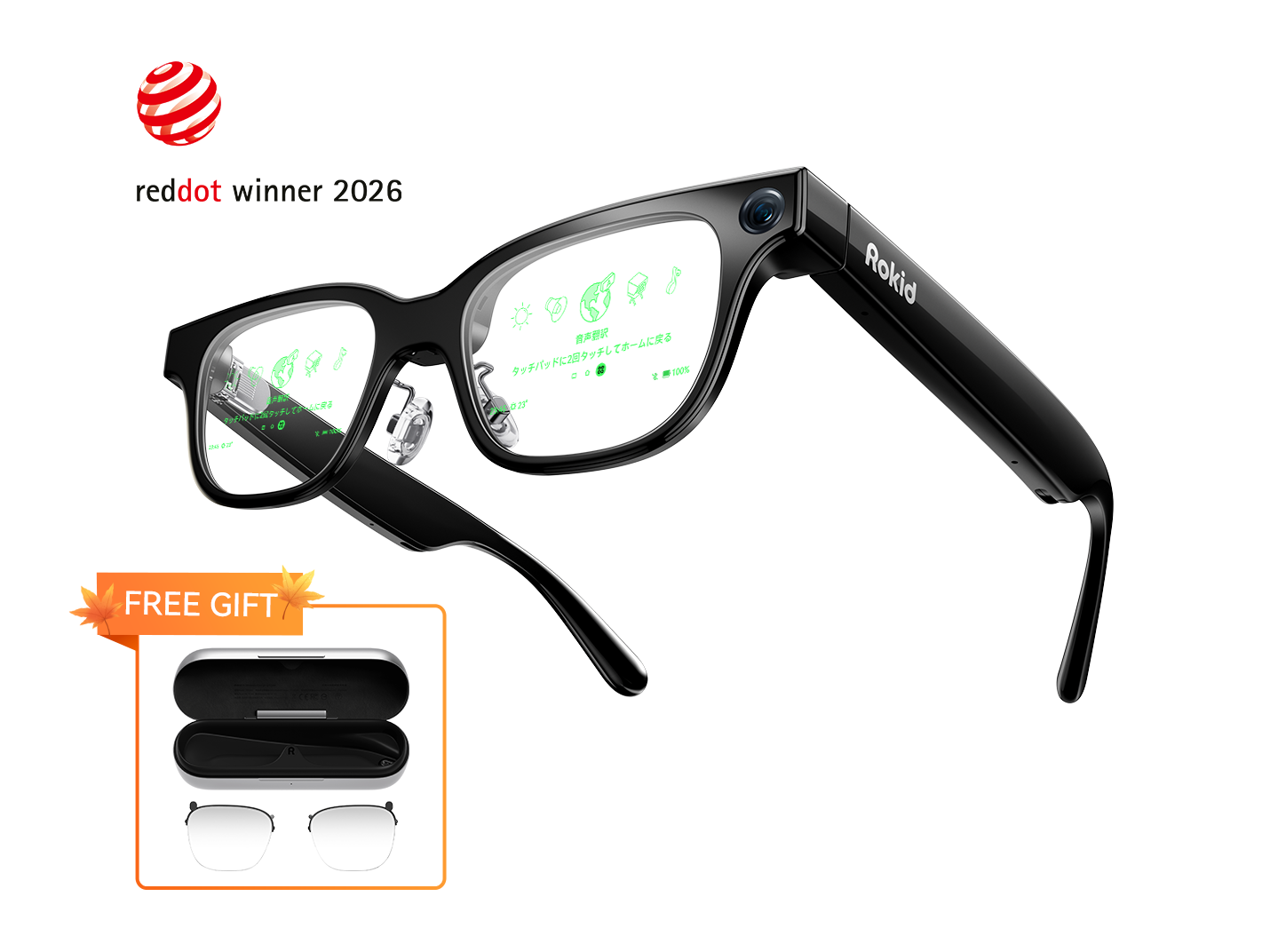
Even the more specialized display-first competitors are struggling to achieve Meta-level market penetration. Rokid Glasses, at $699, offer live subtitles and 89-language translation via dual monochrome green Micro-LED displays. Similarly, INMO GO3, an IFA Innovation Award winner, focuses on binocular translation at 58 grams. While useful, these devices, despite their innovations, are still carving out niche applications rather than dominating the everyday wearable market.
Price remains a formidable barrier for true mass adoption. The $2,195 price point of Snap Specs, not to mention Apple Vision Pro's even higher cost, immediately relegates them to early adopters and enterprise clients. This creates a significant competitive vacuum for more affordable, subtly integrated devices. While Citi's survey on Meta Glasses sales raised questions about methodology, its mere suggestion of exceptional market penetration implies a far more accessible price point than its AR-first competitors.
The industry's 'unspoken crisis,' the battery problem, also plays into Meta's favor. The sheer computational demands of full AR glasses exacerbate battery constraints, preventing truly 'always-on' intelligent eyewear. Simpler devices like Meta's Ray-Bans, or the camera-free Luna, likely face less severe power challenges, enabling more practical all-day use cases, even if not truly all day.
As Android XR prepares to consolidate and redefine the smart glasses ecosystem, it is clear that fragmentation, privacy concerns, and hardware missteps have plagued the market. However, 'for now, Meta's Ray-Ban smart glasses appear to be winning the consumer race,' leading the charge in raw market penetration and immediate utility. They are, undeniably, defining the everyday eyewear market through accessible, incremental innovation.
Meta's approach thrives on meeting consumers where they are, not forcing them into an uncomfortable, technologically overwhelming future. By offering hands-free capture, basic AI interaction, and now, with Luna, a clear focus on privacy, Meta is delivering practical solutions within a socially acceptable and familiar form factor. This isn't about being the most technologically advanced; it's about being the most adopted.
The stark reality is this: until full AR offers truly compelling, seamlessly integrated, and affordable utility without sacrificing discreet design or battery life, the consumer smart eyewear market will continue to favor simplicity. Meta's Ray-Ban approach, prioritizing discreet form factor and immediate, everyday value over ambitious, power-hungry AR, is the clear winner in the current landscape.
Interactive guide — prices, displays, cameras, battery.
Share this story