Analysis · Meta
Meta's Stealth Play: How Ray-Ban Glasses Are Quietly Eating Apple's Lunch
While Apple falters with an unreleased, over-engineered future, Meta builds a real present. Their AI-first, display-less approach is winning mass market adoption where Cupertino struggles.
The smart glasses market is polarizing, with two fundamentally different philosophies vying for dominance. On one side, Apple, with its notoriously delayed Vision Pro and the departure of key hardware VP Paul Meade to OpenAI, seems fixated on a high-cost, high-fidelity AR future that remains perpetually out of reach for the everyday user. On the other, Meta, through its Ray-Ban collaboration, is executing a masterclass in accessible, AI-first wearables that are actually reaching consumers today.
Apple's strategy, as evidenced by Meade's seven years spearheading the Vision Pro, emphasizes complex, power-hungry in-lens displays and a maximalist 'see-through computer' approach. This echo the failures of others like Snap's $2,195 SPECS, which, despite fashion alliances, fundamentally misunderstands user needs according to our own analysis. The industry's obsession with spectacle over substance, and the focus on beaming pixels, sidelines broader appeal and practical utility.
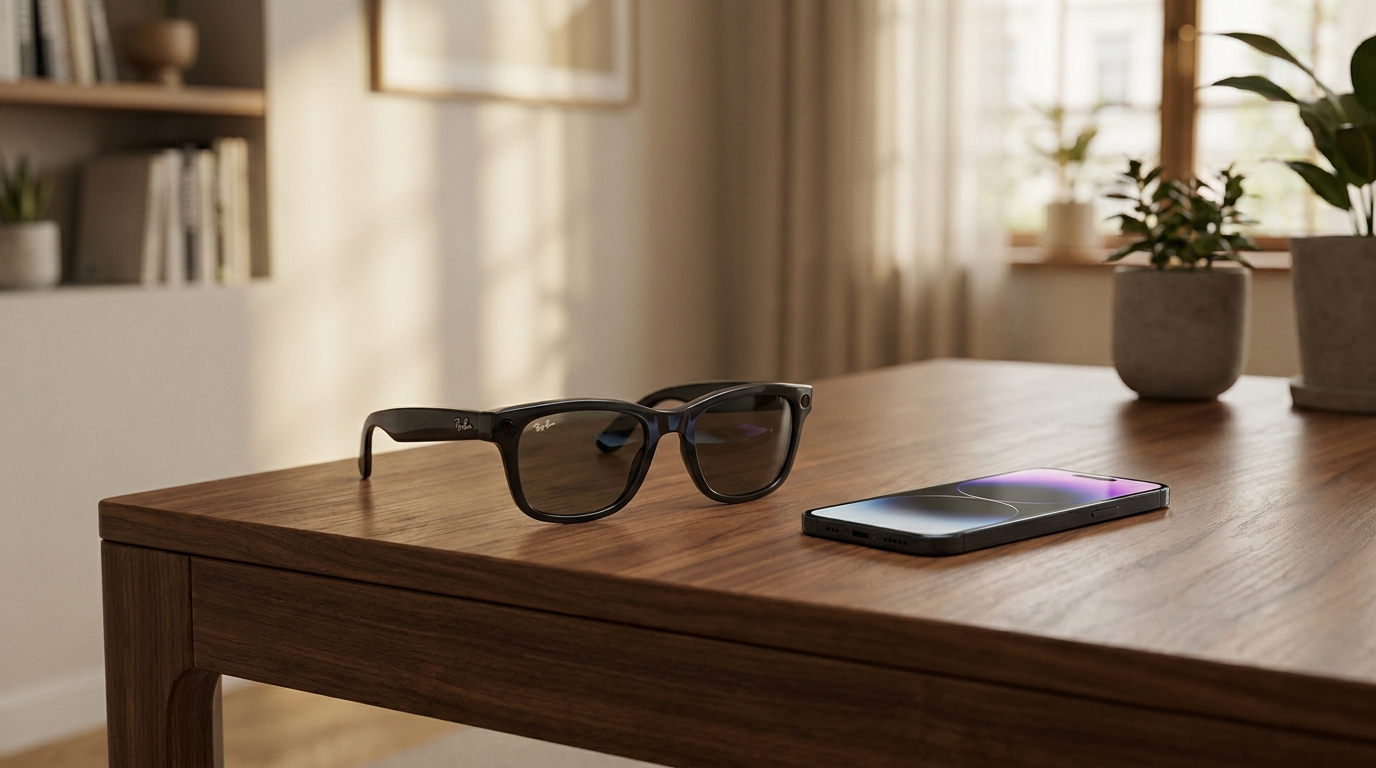
Meta, however, understands that the true path to mass adoption lies in utility, seamless integration, and discretion. Their Ray-Ban smart glasses, often highlighted in our Originals, are the epitome of 'display-less AI glasses' that prioritize function over flashy visuals. They integrate AI not as a gimmick, but as an indispensable personal assistant, a physical AI that enhances daily life without overwhelming it.
This pragmatic approach has tangible real-world impact. Consider Meta's recent initiative to provide free AI-powered smart glasses and training to over 130,000 legally blind US veterans. This program, championed by individuals like U.S. Army veteran Don Overton, showcases how practical, embedded AI can restore independence and deliver profound societal value, rather than merely offering an extravagant digital overlay.
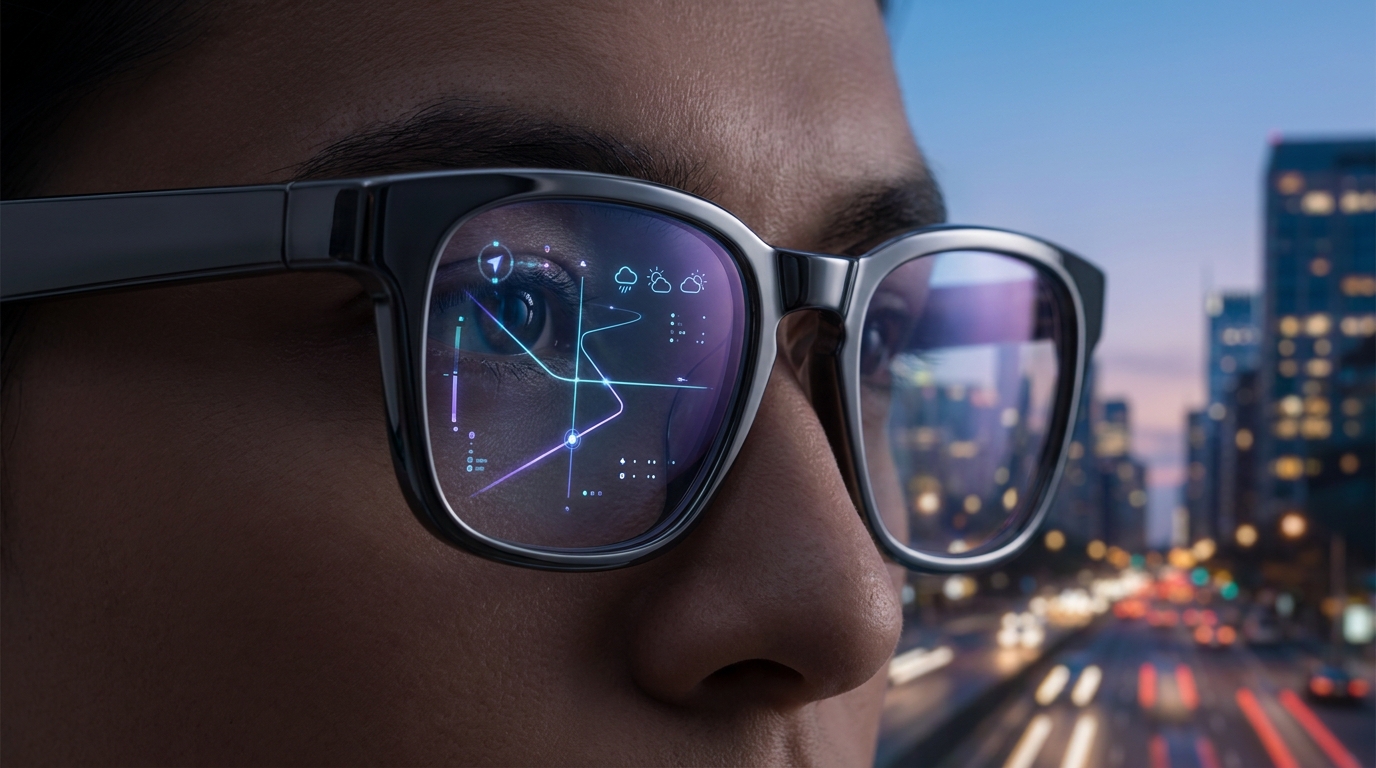
The absence of a complex display significantly reduces cost, power consumption, and bulk, making Meta's offering genuinely wearable and accessible. This contrasts sharply with expensive enterprise AR headsets or even budget display glasses like the RayNeo Air 4 Pro, which, while offering a compelling visual experience, still fundamentally chase the 'screen on your face' paradigm. RayNeo, backed by TCL Industries, carves out a niche in accessible displays, but it's a different market entirely.
Moreover, the discreet nature of Meta's Ray-Ban glasses minimizes the social friction often associated with early wearable tech. People are more likely to integrate an aesthetically pleasing, inconspicuous device into their daily lives than a bulky headset that screams 'tech enthusiast.' This is where EssilorLuxottica, the titan of traditional eyewear, brings immense value. Their definitive strides into smart glasses, like their rumored collaboration with Meta, signals a serious move towards integrating smart tech into desirable frames.
This focus on practical AI also presents a challenge; the rise of AI-powered smart glasses introduces new concerns, such as academic cheating, as reported by CNN in East Asia. This negative externality, however, underscores the profound utility and power these devices possess, even in their current form. If they are useful enough to enable novel forms of deception, they are certainly useful enough for legitimate assistance.
The competitive landscape is ripe for an operating system like Android XR, which promises to standardize and accelerate the industry by breaking down proprietary walled gardens. While this benefits many players, Meta's existing traction with a popular, user-friendly form factor positions them well to leverage such an ecosystem. They're already integrated into a ubiquitous fashion brand.
EssilorLuxottica's entry into the smart glasses arena, a move we've extensively covered, reinforces the importance of style, optical expertise, and mass distribution. Their embrace signals that the smart glasses market is maturing beyond niche tech gadgets. Brands like iFlytek, with their 40-gram, AI-first wearables, are also validating the move towards practical, embedded intelligence.
Overall, Meta's strategy is about meeting users where they are, with devices that augment reality subtly rather than seeking to replace it. By prioritizing discreet, AI-first functionality in a familiar eyewear form factor, Meta is building a foundation for mass adoption that Apple, with its current Vision Pro trajectory and leadership changes, seems to be overlooking for now. The future of smart glasses is not about the biggest, most immersive display, but the most seamlessly integrated and useful AI companion.
While the smart glasses narrative in 2026 still highlights a fundamental misunderstanding of everyday user needs by many, Meta's focused approach stands out. They avoid the trap of 'see-through computers' exemplified by higher-priced alternatives. Instead, they deliver practical AI assistance at a mass-market price point, a critical factor for true prevalence.
The departure of Paul Meade from Apple's Vision Pro team to OpenAI, especially to build a hardware division, further emphasizes a crucial distinction. Apple's focus has been on high-concept, advanced display technology. OpenAI, with Meade, is betting on the physical manifestation of AI itself. Meta's Ray-Bans already embody that embedded, practical AI, effectively bridging the gap between cutting-edge AI and everyday hardware.
Interactive guide — prices, displays, cameras, battery.
Share this story