Analysis · —
The Invisible Hand: Why Display-Less AI Glasses Will Win the Mass Market
The smart glasses industry is chasing the wrong vision, fixated on expensive, power-hungry displays. True mass adoption will come from discreet, AI-first eyewear that prioritizes utility over visual spectacle.

The smart glasses market is at a crossroads, teeming with ambition yet fundamentally misguided in its pursuit of mass adoption. While fashion alliances and corporate titans make headlines, the industry's unwavering obsession with complex, power-hungry in-lens displays remains its most glaring misstep.
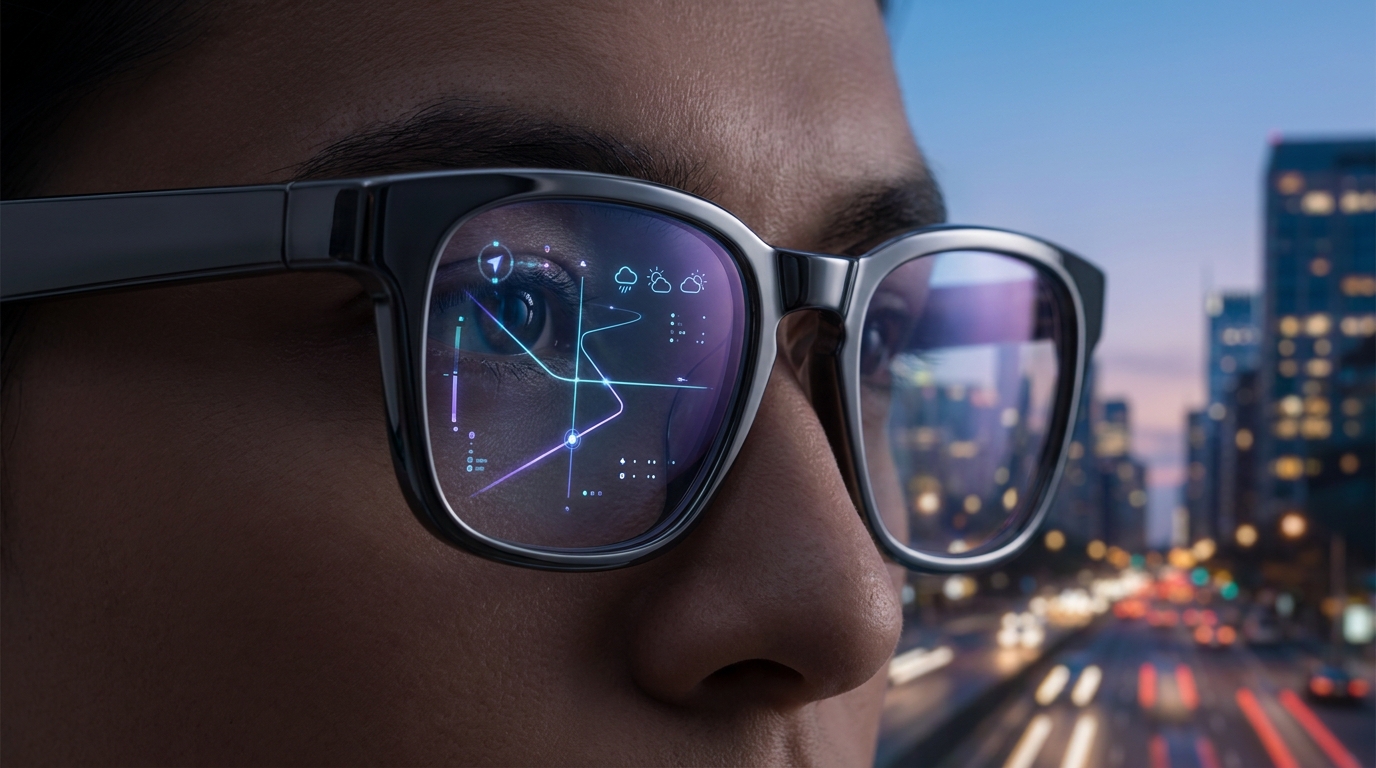
Many brands still push smart glasses as 'see-through computers,' a vision exemplified by Snap's ambitious and astronomically priced $2,195 SPECS. This relentless pursuit of beaming pixels into our eyes alienates the everyday user, who values seamless integration, not constant digital bombardment. The focus on spectacle over substance continues to sideline broader appeal.
Even as EssilorLuxottica, the undisputed titan of traditional eyewear, makes definitive strides into smart glasses, their optical gravitas alone cannot overcome the inherent limitations of display-centric devices. Style, as seen with Kylie Jenner's Meta campaigns or Snap Inc.'s fashion legends, simply isn't enough when the underlying tech misses the mark on practical, daily utility.
We concede that a segment of the market exists for accessible display options, exemplified by the RayNeo Air 4 Pro, hailed as Prime Day's best budget smart display glasses. But even these, despite their 'dirt-cheap' $299 price and impressive 1080p picture, are still fundamentally about projecting a screen. They address budget, not the deeper need for unobtrusive AI assistance.
The real mass-market play, the true path to mainstream acceptance, lies in display-less, AI-first smart glasses. These devices prioritize sophisticated, embedded intelligence, allowing the technology to disappear into the background, becoming an invisible assistant rather than a visible distraction. This is where genuine utility meets everyday wearability.
iFlytek, the Chinese AI giant, exemplifies this strategic shift. Their entry into smart glasses is not about another display wearable; it is a pivot leveraging their deep AI foundation to redefine the eyewear companion. Weighing a mere 40 grams, their offering focuses on 'real-time utility over immersive AR spectacle,' challenging traditional AR players with practical, embedded intelligence.
Meta, a significant player, also offers glimpses of this future. Their initiative to equip over 130,000 legally blind US veterans with 'AI-powered smart glasses' for 'enhanced visual assistance' highlights profound, practical AI utility. This program, which helps users regain 'independence back,' underscores the power of AI when deployed for tangible, life-changing benefits, independent of a display.
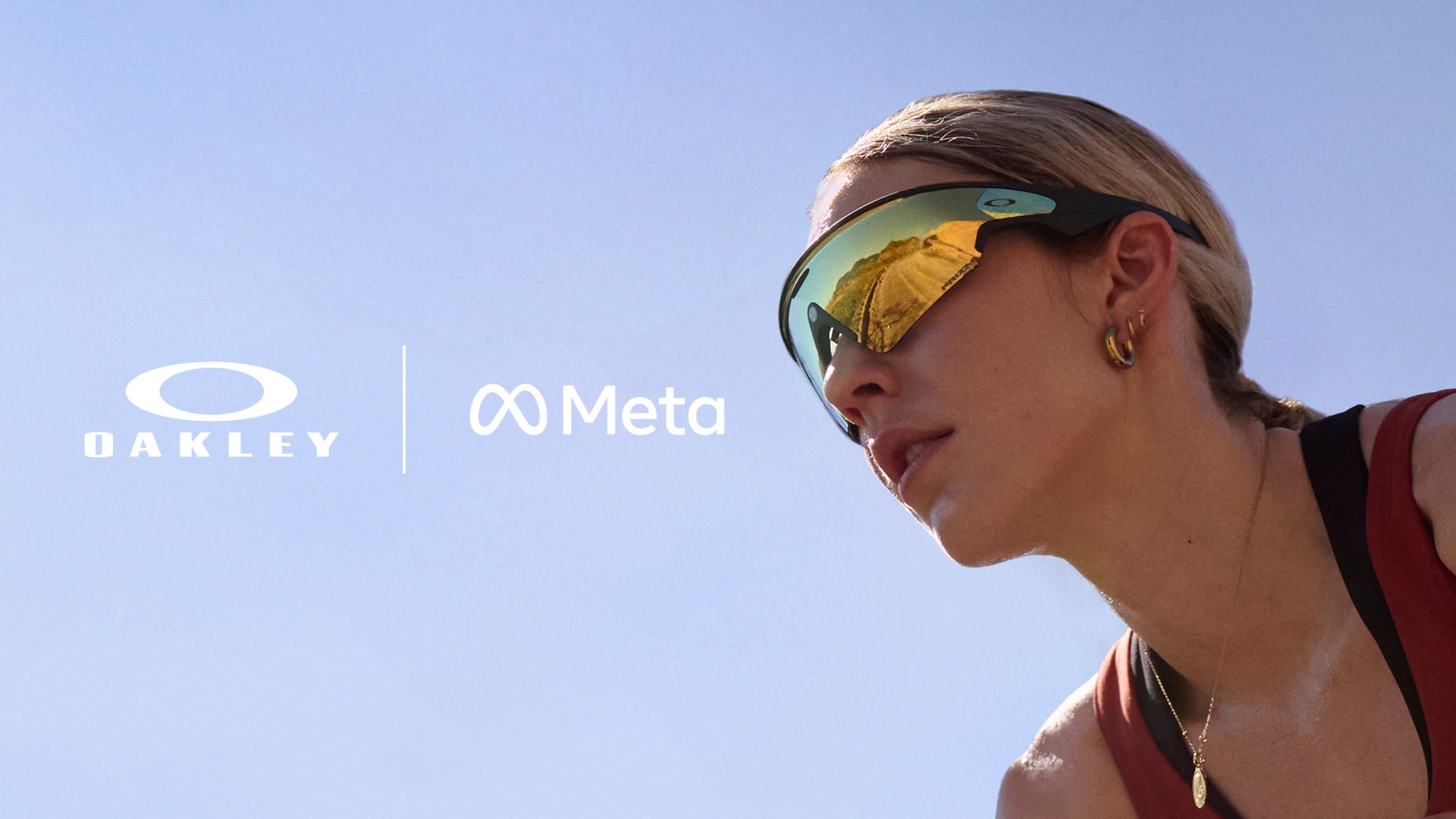
Further signaling this shift, Meta has launched a new line of self-branded 'Meta Glasses' distinct from their Ray-Ban collaboration. Developed with EssilorLuxottica, these new glasses prioritize a lower price point, aiming to 'break prices' in the market. This move towards affordability strongly implies a focus on core AI capabilities rather than costly, complex display technology, targeting broader consumer access.
Even the controversial issue of exam cheating with 'AI-powered smart glasses' in East Asia underscores the power of discreet, AI-first wearables. The concern isn't about augmented reality overlays, but about hidden intelligence providing real-time, undetectable information. This uncomfortable truth highlights just how effective AI can be when it operates seamlessly, without a visible screen.
The departure of Paul Meade, Apple's Vision Pro VP, to lead OpenAI's new hardware division is a potent symbolic event. An AI firm is now building hardware, suggesting a clear emphasis on AI delivery mechanisms rather than necessarily pursuing the complex, power-intensive display systems that characterized his work at Apple. It's a significant realignment toward AI-first hardware.
EssilorLuxottica's deep involvement in the smart glasses arena is also telling. As the 'colossus of traditional eyewear,' they understand that comfort, style, and seamless integration are paramount. For true mass adoption, smart glasses must first be excellent eyewear, then subtly smart, a philosophy perfectly aligned with display-less, AI-first designs.
While Android XR looms as the impending operating system set to consolidate the smart glasses market, its success will ultimately depend on the hardware it empowers. A simpler, more affordable, AI-first hardware model is far more likely to leverage a unified OS for widespread adoption than the current crop of expensive, display-centric AR systems.
The smart glasses market is rapidly bifurcating. One path leads to niche, high-end display devices, suited for specific enterprise or prosumer applications. The other, and far larger, path points to mass-market, AI-first, display-less wearables that truly integrate into daily life, becoming invisible, indispensable assistants. This latter vision, not the 'see-through computer,' is where the real future, and the real numbers, reside.
Interactive guide — prices, displays, cameras, battery.
Share this story