Analysis · Meta
Meta's $19.99/Month AI Paywall: Cementing Its Lead, Monetizing Intelligence
Meta is locking its most advanced Ray-Ban AI features behind a new Meta One Premium subscription, turning enhanced utility into a recurring revenue stream.
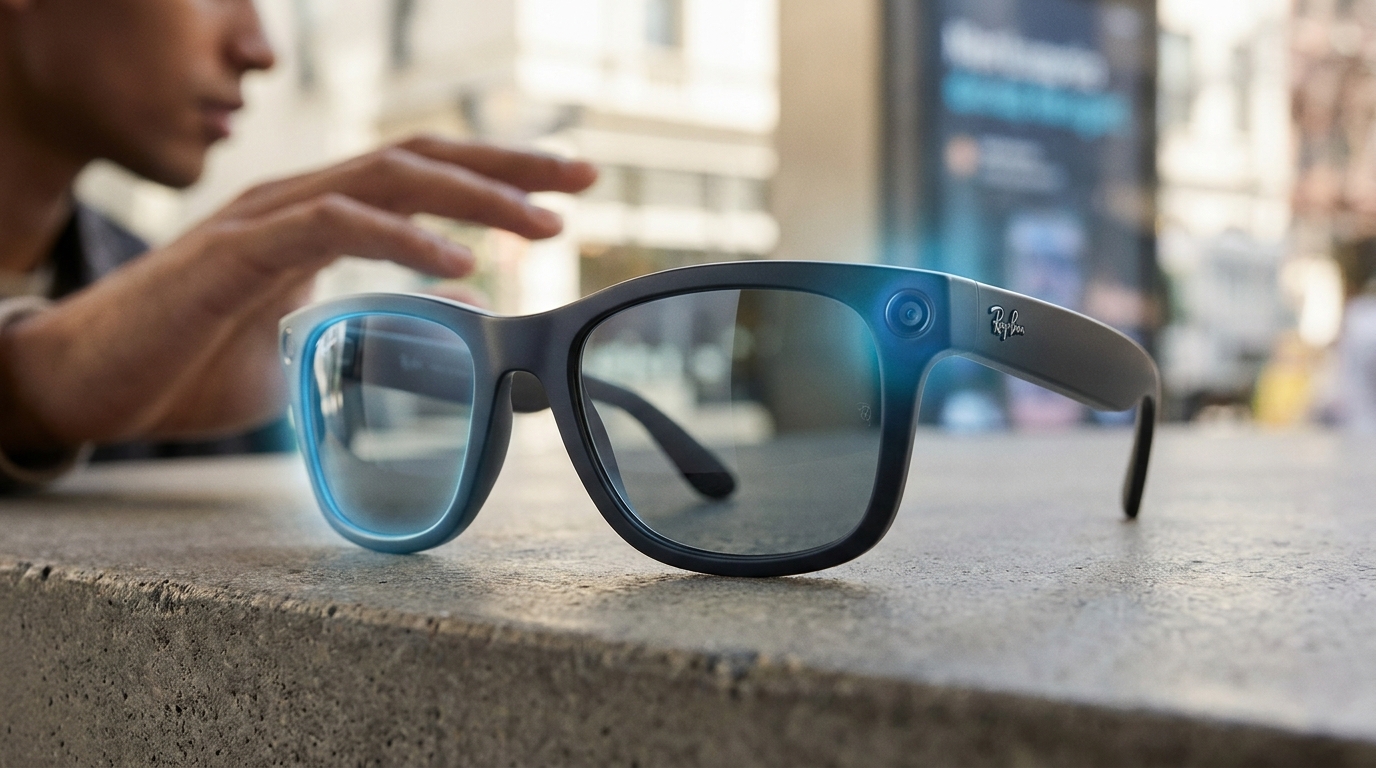
Meta, having already established a significant lead over rivals like Apple in the battle for everyday smart glasses, is now formalizing its monetization strategy. While Cupertino remains fixated on a perpetually delayed, over-engineered AR future with its Vision Pro, Meta continues to build a 'real present' for consumers through its Ray-Ban collaboration. The introduction of Meta One Premium at $19.99 per month marks a confident stride into monetizing the very AI capabilities that define its market leadership.
This isn't merely a hardware play anymore; it's a profound declaration that on-device, contextual AI is a premium service. For that $19.99, users gain significantly expanded access to 'Conversation Focus,' jumping from a meager three hours free per month to a far more practical fifteen hours. The subscription also unlocks the anticipated 'Thinking Mode' and generous credits for image and video generation, moving Meta's AI glasses from a helpful gadget to an indispensable daily companion.
The groundwork for this paywall was laid with the overnight firmware update v126, which unleashed Muse Spark AI. This update brought a suite of crucial enhancements: contextual answers, real-time object recognition, and improved navigation. These aren't minor tweaks; they represent a step-change in the glasses' intelligence, transforming them into a genuinely proactive assistant that can understand and react to the wearer's environment with unprecedented accuracy.
Sean Hollister at The Verge, along with TechBuzz and Geeky Gadgets, detailed these new subscription tiers and capabilities on July 1, 2026. What becomes clear is Meta's intent to differentiate core, free AI functionality from truly advanced, deep utility. The existence of a Meta One Plus tier at $7.99, bundling Facebook, Instagram, and WhatsApp perks, further illustrates Meta's broader strategy to integrate and monetize its ecosystem across various touchpoints, with AI as the central pillar.
Meta has consistently championed the display-less, AI-first approach, arguing that true mass adoption will come from discreet utility, not cumbersome visual spectacle. This strategy has allowed Ray-Ban Meta glasses to achieve genuine consumer traction where others, like Snap's astronomically priced SPECS, have struggled. The new subscription model directly capitalizes on this foundational success, asking users to pay for what they increasingly value: seamless, intelligent assistance.
The timing is astute. Meta's AI glasses are already demonstrating a potent real-world impact, evidenced by instances of students using them for exam cheating in East Asia, as reported by CNN. This controversial use case, while problematic, undeniably highlights the sophisticated capabilities that Meta is now packaging for a premium. If the AI is powerful enough to manipulate high-stakes academic environments, its value in everyday life is clear.
Furthermore, Meta's commitment to accessibility, as seen in its program to provide free smart glasses and AI training to legally blind US veterans, underscores the genuine utility of this technology. While some capabilities are offered for a social good, the new paywall clarifies Meta's commercial intent for the broader market. The company is confident that its advanced AI, especially with Muse Spark, delivers enough value to warrant an ongoing investment from its users.
This move signals a pivot for the entire smart glasses industry. As EssilorLuxottica, the titan of traditional eyewear, makes its definitive strides into smart glasses, and iFlytek challenges with its AI-first approach, Meta is setting a precedent for monetizing the intelligence, not just the hardware. The future of smart eyewear won't just be about who builds the best device, but who can cultivate the most valuable, and thus monetizable, AI experience.
The 'soft paywall' strategy is crucial here. Meta isn't stripping away all AI from non-paying users; it's enhancing the experience significantly for subscribers. This allows the core product to remain accessible while offering a compelling upgrade path for those who rely on its more advanced features. It's a calculated risk, but one that Meta is well-positioned to take, given its dominant position in the consumer AI glasses space.
Meta's actions solidify its vision: smart glasses are not just a new category of electronics, but a new platform for AI. The company is actively defining how that platform generates revenue beyond initial hardware sales. By leveraging firmware updates like v126 to enable premium AI functions, Meta creates a continuous value proposition, encouraging users to integrate its AI into their daily lives and, crucially, pay for its sustained performance.
This model stands in stark contrast to the 'see-through computer' mentality that still pervades parts of the industry, where hardware spectacle often overshadows practical utility. Meta is prioritizing the invisible hand of AI, making it more powerful, more pervasive, and now, more profitable. The $19.99 Meta One Premium subscription is not just a price tag; it is a statement about the increasing value of seamlessly integrated, on-demand intelligence.
The implications extend beyond Meta itself. Other manufacturers, from RayNeo in the budget segment to luxury players like Specs, will be watching closely. Meta is demonstrating that the true competitive battleground for smart glasses isn't just hardware design or display technology, but the ongoing evolution and monetization of an intelligent, assistive layer that enhances reality without overwhelming it. This is a blueprint for sustained growth in a maturing market.
Ultimately, Meta's strategy with Meta One Premium reinforces its commitment to an AI-first future for wearables. It validates the utility of display-less smart glasses and establishes a clear path for sustained investment in their development. By monetizing advanced AI, Meta is not just selling a product; it's selling an ongoing, intelligent partnership with its users, solidifying its pole position in the smart eyewear race.
This move is a bold articulation of Meta's long-term vision. They are not merely selling smart glasses; they are selling access to an evolving, powerful personal AI. With Muse Spark AI now at the core, and a clear subscription model in place, Meta is actively shaping the commercial landscape for intelligent eyewear, demanding that the industry recognize the intrinsic, and now monetized, value of contextual AI assistance.
Interactive guide — prices, displays, cameras, battery.
Share this story