Analysis · Meta
Meta's AI Paywall: The Smart Glasses Industry Just Hit a Monetization Inflection Point
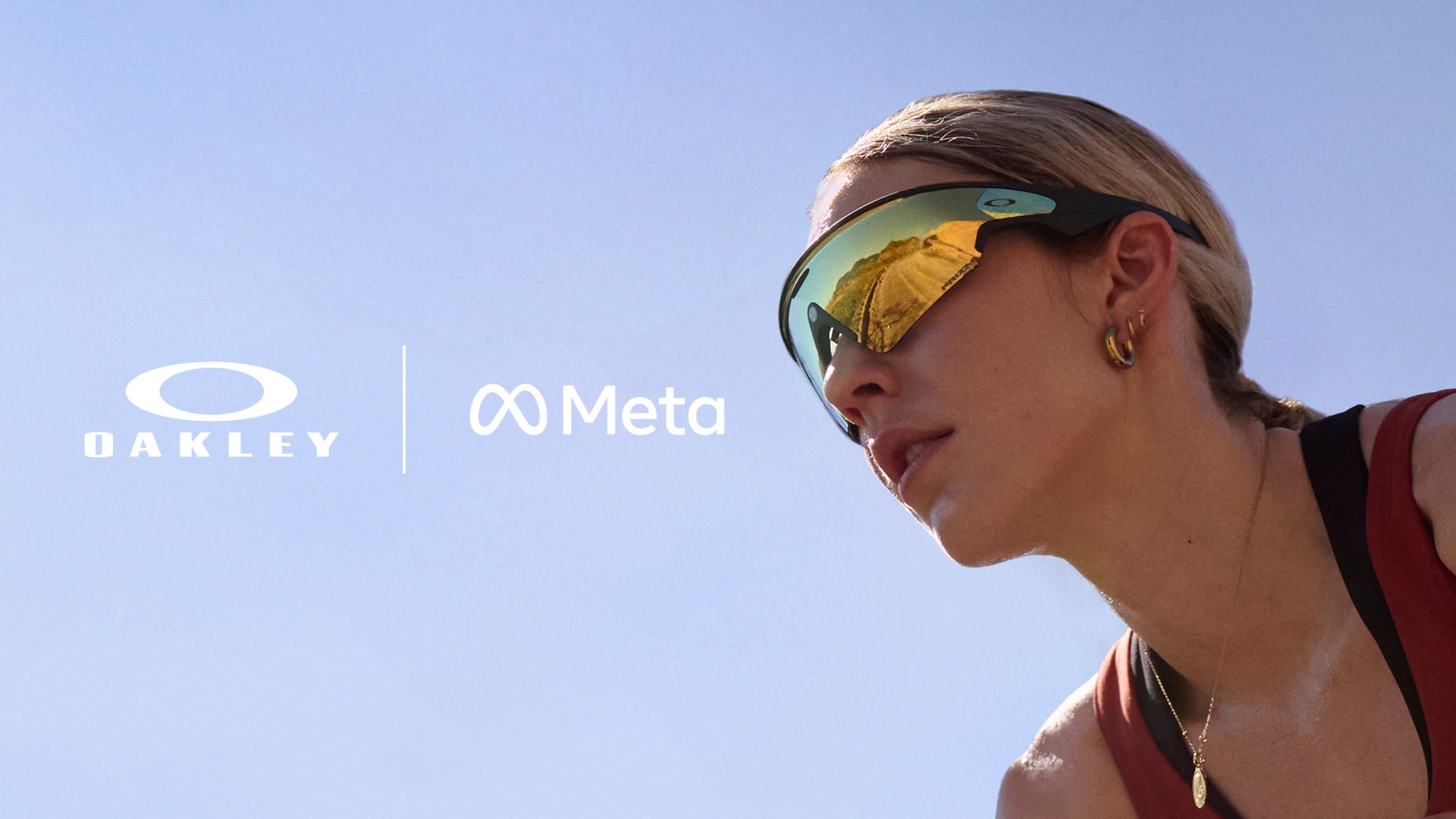
On July 1, 2026, Meta introduced a premium subscription for its Ray-Ban and Oakley Meta AI features, coinciding with a major firmware update. This bold move sets a critical precedent for the entire smart glasses market, signaling a new era of monetized on-device intelligence.

The smart glasses landscape irrevocably shifted on July 1, 2026, as Meta unveiled its Meta One Premium subscription, effectively paywalling the most advanced AI features of its popular Ray-Ban Meta and Oakley Meta smart glasses. This announcement, widely reported by The Verge's Sean Hollister, TechBuzz, and Geeky Gadgets, landed concurrently with an overnight firmware update, v126, for the glasses. This update introduced transformative capabilities, including Muse Spark AI, contextual answers, real-time object recognition, and significantly improved on-glass navigation.
The new Meta One Premium tier, priced at $19.99 per month, unlocks a suite of enhanced AI functions. Users now gain access to a far more practical 15 hours of 'Conversation Focus' for voice isolation in noisy environments, a substantial leap from the paltry three hours previously offered on the free tier. This feature alone drastically improves the utility of the glasses for professional and personal use, moving it from a novelty to a genuine productivity tool.
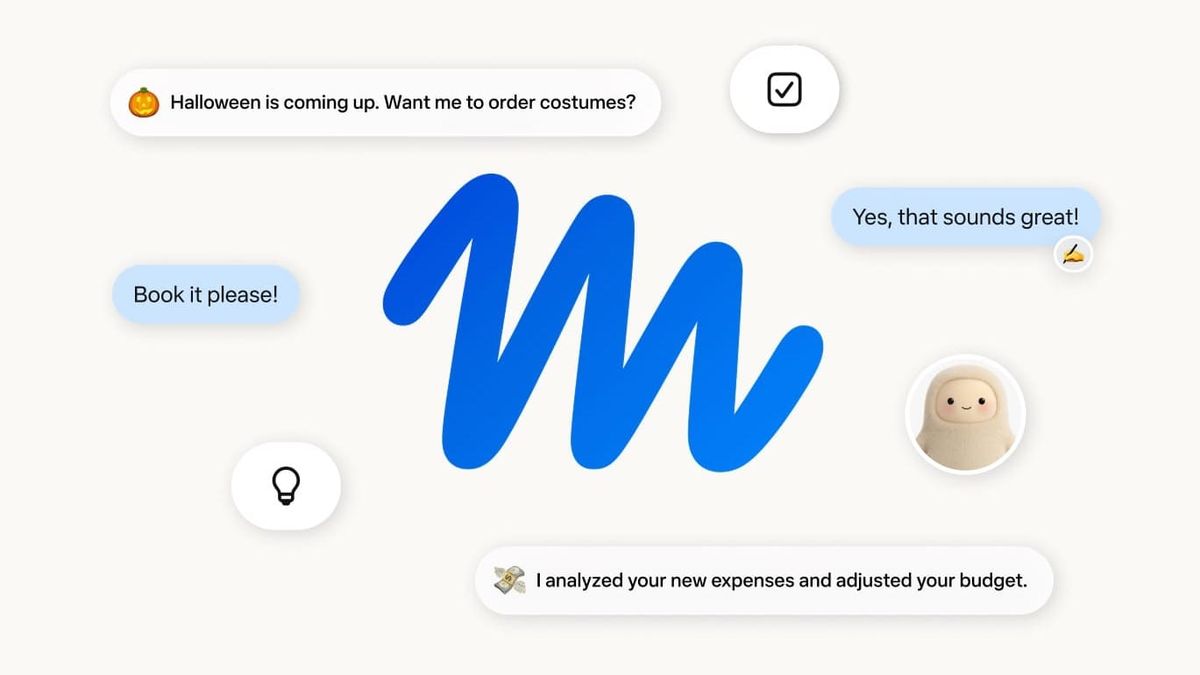
Beyond voice isolation, Premium subscribers benefit from unlimited 'Thinking Mode' for complex, multi-turn on-glass queries, enabling deeper, more natural interaction with the device's intelligence. Crucially, the subscription also provides generous credits for on-glasses image and video generation, pushing the boundaries of what is possible directly from eyewear. These are not minor tweaks; these are core AI experiences now behind a clear financial barrier.
In contrast, the Meta One Plus subscription, at $7.99 per month, primarily bundles social perks and extended cloud storage, notably omitting the heavy AI processing and enhanced features that define the Premium offering. This clear delineation emphasizes Meta's strategy: social and media functions are accessible, but true, cutting-edge AI assistance is a premium service.
The timing of this paywall is not incidental; it is a calculated strike. By locking the best AI capabilities behind a subscription simultaneously with the release of the most advanced firmware to date, Meta is demanding immediate value for new, powerful intelligence. This creates an undeniable 'fear of missing out' for users eager to experience Muse Spark AI's contextual answers and real-time object recognition in their daily lives.
This move represents a critical monetization inflection point for the entire smart glasses industry. For years, the market has grappled with how to sustain revenue beyond hardware sales. Meta's decision to directly monetize on-device AI capabilities establishes a powerful precedent that will undoubtedly reverberate across competitors like XREAL, Rokid, Snap Spectacles, Even Realities, and Solos.
Meta's strategy further underscores its foundational belief in accessible, AI-first eyewear that actually ships today, contrasting sharply with Apple's perpetually delayed Vision Pro. While Apple's 'over-engineered future' remains out of reach, losing key hardware VPs like Paul Meade to OpenAI, Meta continues to build a 'real present' for consumers through its Ray-Ban collaboration. The focus is on utility, not spectacle, a philosophy 'Smart Glasses Daily' has long advocated.
The current generation of Ray-Ban Meta and Oakley Meta smart glasses, with their display-less, discreet design, already represent a significant step towards mass adoption. This paywall stress-tests consumer willingness to pay for ongoing AI utility, providing Meta invaluable data ahead of the anticipated launch of the more advanced Meta Ray-Ban Display + Neural Band. It's a strategic calibration for future, potentially more complex, hardware.
This shift validates the idea that true smart glasses value lies in integrated AI assistance, not just visual augmentation. As companies like iFlytek also push 40-gram, AI-first wearables, and EssilorLuxottica makes definitive strides in the sector, the industry is moving towards intelligence as a service. Even brands like Specs, focused on luxury, or RayNeo, targeting accessible displays, will need to consider how to monetize their unique AI offerings if they want to compete long-term.
Meta is effectively cementing its lead by claiming ownership of the AI software layer, turning intelligence into a recurring revenue stream. This approach bypasses the pitfalls of expensive, power-hungry in-lens displays that have hindered mass adoption for many, including Snap's astronomically priced SPECS. The smart glasses market is still a fractured landscape, but Meta just laid down a foundational pillar for how on-device AI will be valued.
This bold monetization move is a test, not just for Meta, but for the smart glasses consumer. Are users ready to pay a monthly premium for enhanced perception, real-time contextual awareness, and advanced creative tools integrated directly into their eyewear? Meta believes the answer is yes, and the rest of the industry is now watching closely to see if this bet pays off, setting a new standard for the future of wearable AI.
Interactive guide — prices, displays, cameras, battery.
Share this story