
News · Meta
Meta's Smart Glasses: "Pervert Glasses" Label Signals Privacy Crisis
Public pushback against Meta's camera frames intensifies as reports reveal illicit hardware modifications and growing venue bans.
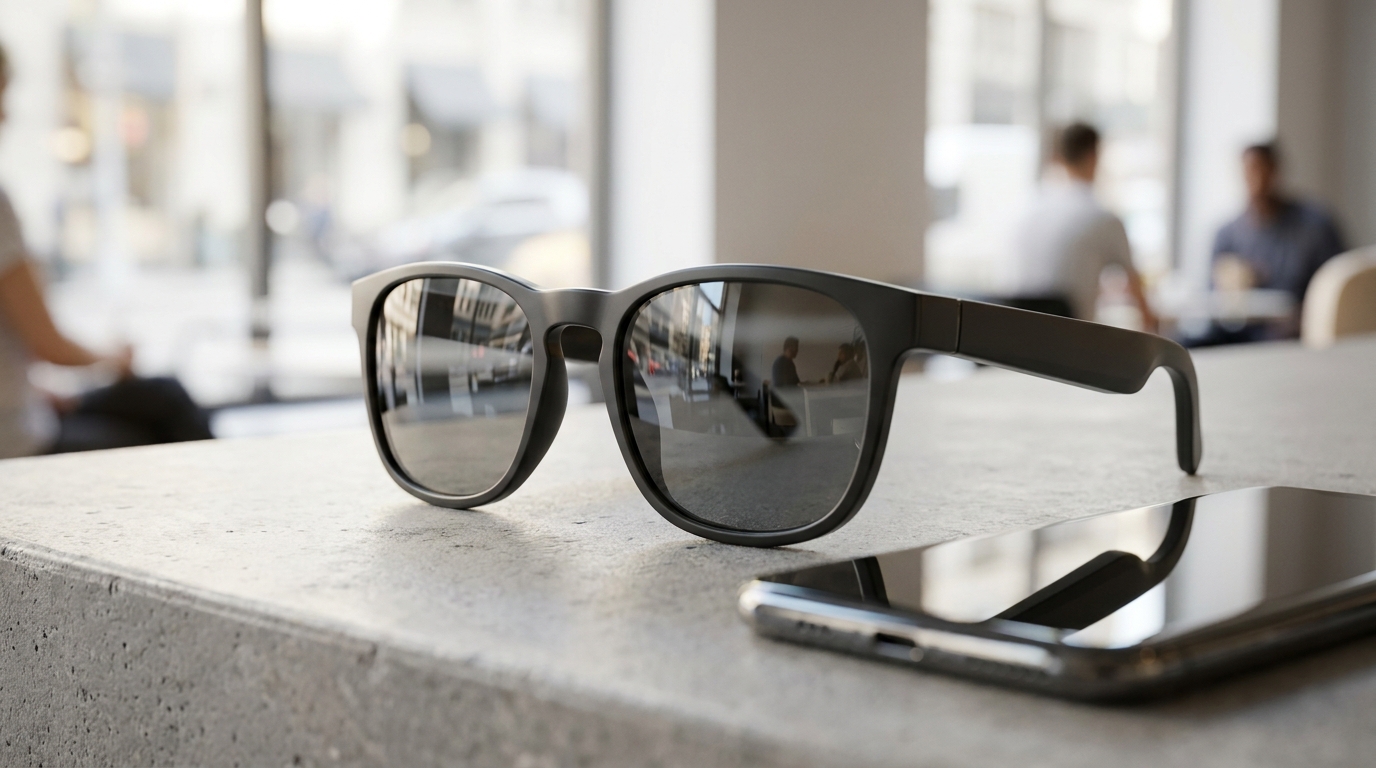
On August 10, 2026, fresh reporting highlighted how Meta's dominant position in the smart eyewear market is colliding with severe social blowback. As consumer adoption grows, the devices are encountering intense scrutiny over voyeurism and non-consensual surveillance, with critics tagging the hardware with derogatory labels such as "pervert glasses."
According to Queenie Wong of Los Angeles Times, the backlash stems from an influx of viral social media clips where wearers covertly film strangers without their knowledge or consent. Reported incidents include men secretly recording interactions while attempting to pick up women, alongside mounting anxiety among the public over being filmed in private spaces such as gym locker rooms, university campuses, and bedrooms.
Hardware makers have historically relied on capture indicators to ease public tension. Meta equips its smart glasses with an external white LED on the front frame designed to pulse whenever the camera is actively capturing video. However, Los Angeles Times reports that bad actors are actively subverting this safeguard, with some users paying technicians to physically drill into the eyewear frames to disable or obscure the recording light entirely, enabling full stealth recording.
Video on Instagram
The fallout is already moving beyond social media outrage into institutional action. According to the reporting, establishments ranging from Seattle cafes to college classrooms and legal courtrooms have begun instituting blanket bans on the wearable tech. Meanwhile, civil liberties advocacy groups are pressing Meta for tighter safeguards, demanding stricter guardrails against facial recognition integrations and predatory data harvesting.
This cultural friction is not unprecedented in wearable technology. Over a decade ago, Google Glass suffered a fatal commercial blow when early adopters were branded "Glassholes," largely due to anxiety over conspicuous, head-mounted optical sensors. Meta managed to skirt that aesthetic hurdle by partnering with EssilorLuxottica to package cameras into conventional Ray-Ban silhouettes starting at $299. However, the exact feature that made the glasses successful - looking completely indistinguishable from standard prescription eyewear - has now become the primary catalyst for public mistrust.
Our take: Hardware indicators are failing the social contract. An optical LED was always a fragile compromise, and the moment consumers learn that tamperers can defeat a camera light with a handheld drill, public trust evaporates entirely. For smart eyewear to transition from niche gadgetry to everyday infrastructure, manufacturers cannot simply shrug off bad actors as an edge case. If Meta cannot build tamper-proof recording safeguards that are clearly legible from across a room, local venue bans will continue to spread, and the broader smart glasses industry risks facing the same regulatory clampdowns that crippled early head-mounted cameras.
Source: Los Angeles Times ↗
Interactive guide: prices, displays, cameras, battery.
Share this story





