Analysis · Meta
Meta's Silent Victory: Ray-Ban's AI Glasses Are Winning the Face Race
While Apple pursues an immersive AR spectacle, Meta's subtle, always-on AI approach is quietly capturing the market. The battle for your face isn't about displays, it's about everyday utility and social acceptance, and Meta is pulling ahead.

The smart glasses market, a graveyard littered with grand ambitions, is finally showing signs of life, albeit along two distinctly divergent paths. On one side, Apple's Vision Pro promises an immersive, spatial computing future, a high-fidelity display-driven experience that redefines interaction. On the other, Meta's Ray-Ban glasses offer something far less visually stunning, yet fundamentally more pervasive: an always-on AI assistant nestled discreetly on your face.
This isn't a contest of raw technological prowess in every metric. Instead, it is a strategic battle for mainstream adoption, and Meta, by prioritizing invisible utility and social integration, is poised to win the initial war. The core distinction lies in the role of the eyewear itself: is it a transformative computing device or an enhanced, everyday accessory? Meta clearly favors the latter, and the market is responding.
Samsung's recent unveiling of its Galaxy Glasses at Unpacked serves as a powerful validation of Meta's strategic foresight. Co-designed with fashion powerhouses Gentle Monster and Warby Parker, these glasses are built around Qualcomm's Snapdragon AR1 Gen 1 platform and integrate Google's Gemini multimodal AI. Crucially, they focus on a voice, audio, and camera-first experience, explicitly avoiding an in-lens display for mainstream models.
Samsung's approach echoes Meta's collaboration with EssilorLuxottica, signaling a clear understanding of the fashion market's demands for conventional aesthetics. These Galaxy Glasses prioritize an ultra-lightweight design, similar to ordinary plastic-frame glasses, reportedly weighing around 50 grams, and feature a 12-megapixel high-resolution camera for instant video capture and real-time environmental analysis by AI. This is a direct challenge to Meta, but one that mirrors its winning formula, not Apple's.
The inherent difficulties of delivering true augmented reality for the masses are evident across the industry. Qualcomm's ambitious Snapdragon AR2 Gen 1 chip, touted for thin, all-day AR glasses, has yet to power the mainstream consumer devices it promised, three years post-debut. Major players like Meta, and even Snap, are now opting for in-house silicon, further highlighting the bespoke nature and complexity involved in this space, often simplifying for specific, accessible use cases.
The struggle for a compelling, unobtrusive display is a significant hurdle for display-first AR. Halliday, for instance, a startup that made waves with a distinct direct-view display, is now pivoting its Gen 2 glasses to adopt a standard binocular waveguide and monochrome microLED projection. This retreat from a proprietary display architecture underscores the engineering and user experience challenges that pure AR glasses continue to face.
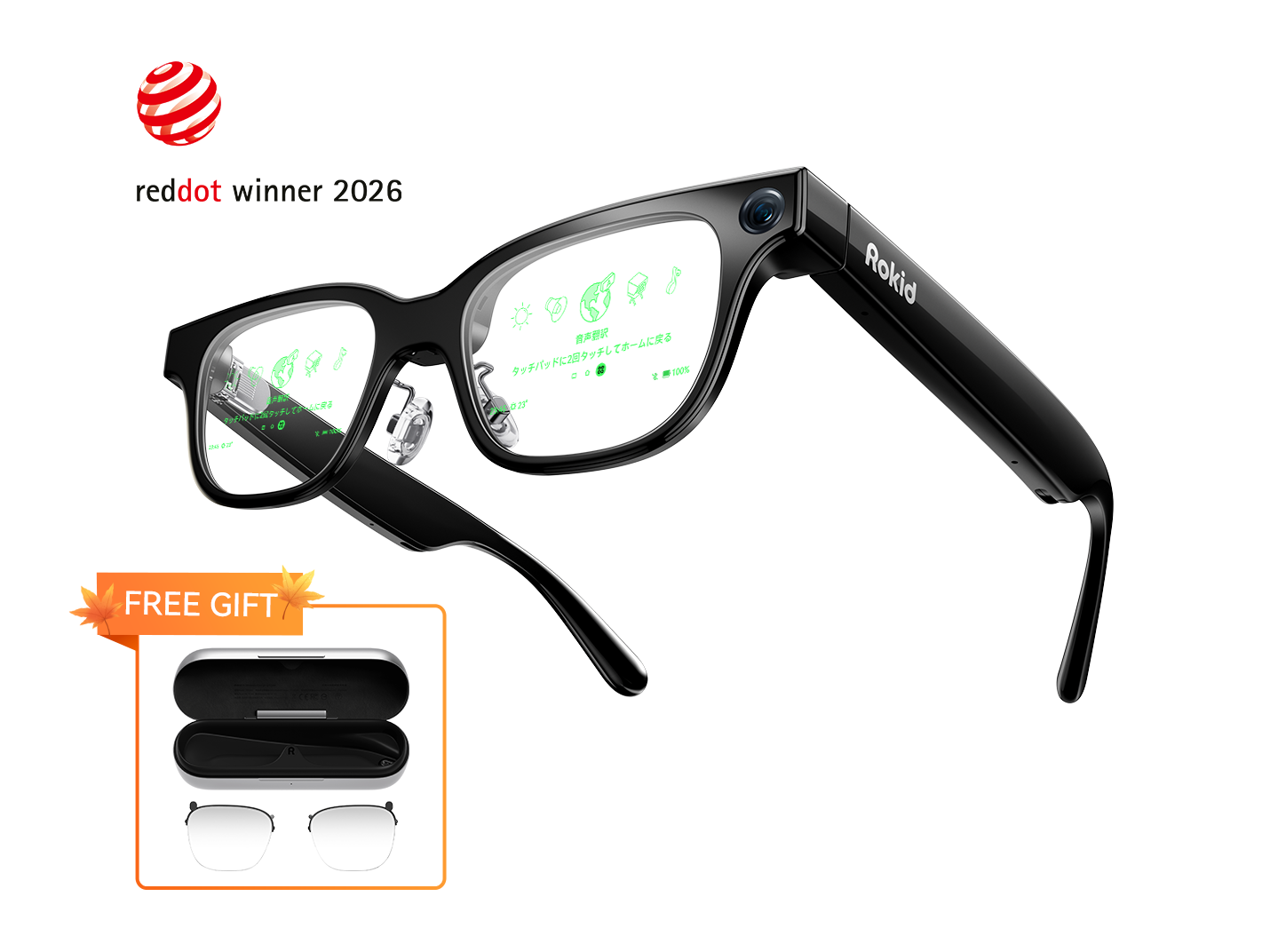
Even as companies like XREAL, RayNeo, and Rokid are quietly dominating the AR display war, their focus remains on a segment of the market that grapples with privacy concerns and the bulk of headset-style devices. The current generation of sophisticated AR displays, while technologically impressive, is not yet primed for the truly pervasive, socially invisible future of smart eyewear that Meta champions.
The market spectrum itself tells a compelling story. While premium augmented reality visors can climb past $2,000, the entry-level smart glasses segment, often defined by audio and basic AI capabilities, sits under $100. Meta's Ray-Ban glasses occupy a crucial mid-tier, offering significant AI utility and connectivity at a price point that is orders of magnitude below Apple Vision Pro.
Higher-end, display-focused AR currently finds its strongest use cases in professional or specialized niches. Monako Glass, for example, explicitly targets developers with an ultra-light AI coding workstation, positioning itself as a 'tool, not a toy.' Similarly, INAIR's Elite Suite aims to redefine the desktop experience for prosumers and enterprise users, rather than the general consumer.
These specialized AR devices, while impactful in their domains, highlight the fundamental difference in market strategy. Apple Vision Pro, for all its spatial computing promise, is currently a prosumer or enthusiast device. It is an impressive piece of engineering, but it is not built for the casual, everyday wear and social integration that defines the mass market.
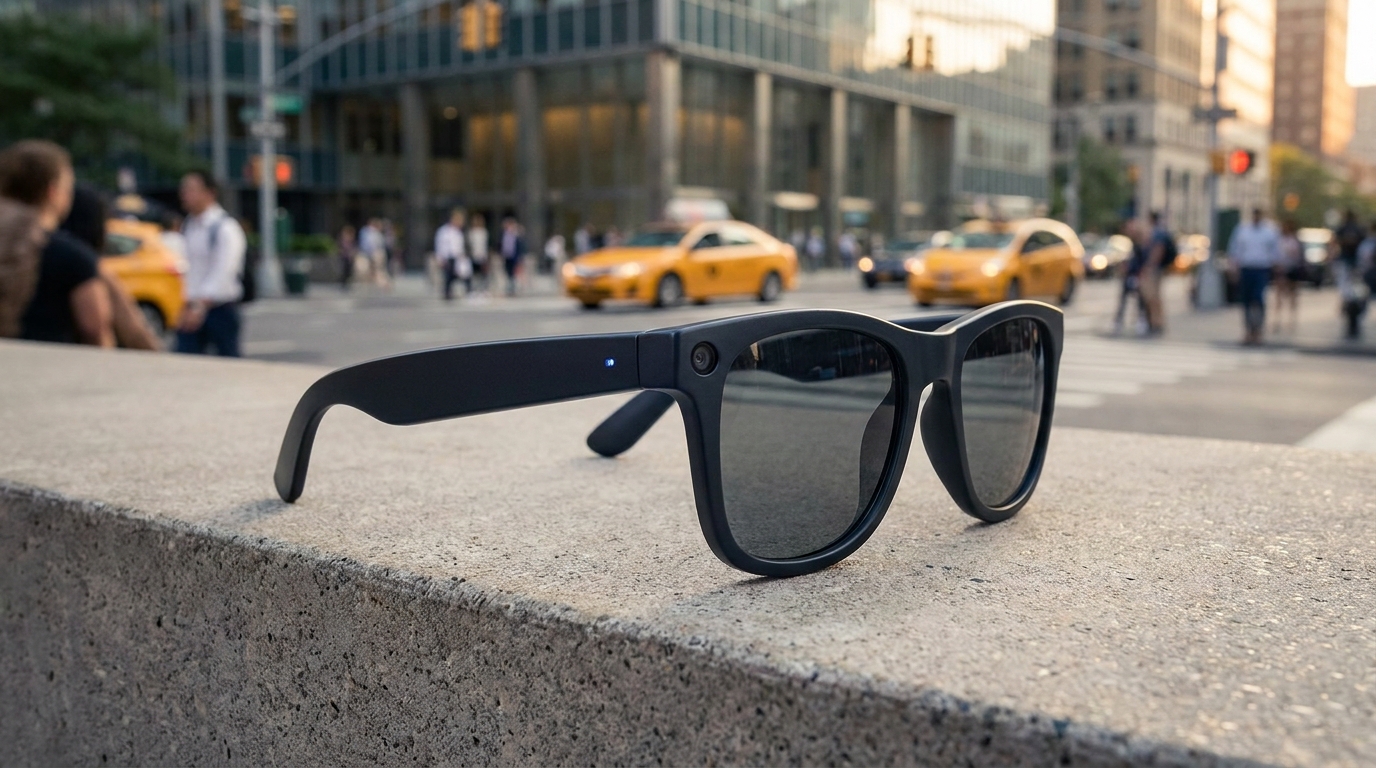
The true conquest underway is for the 'invisible hand' of always-on AI, seamlessly integrated into our eyewear, moving interaction from our hands to our faces. Meta, with its camera and audio-first Ray-Ban glasses, is leading this charge, delivering pervasive, context-aware intelligence without demanding a paradigm shift in visual interaction or social acceptance.
The immediate future of smart glasses isn't about seeing digital overlays on every surface. It is about an augmented self, enhanced by discreet, intelligent assistance. This strategic focus on unobtrusive utility, bolstered by fashion-forward design, is why Meta's Ray-Ban approach is not just a contender, but the current, decisive winner in the race for mainstream adoption.
While immersive AR will undoubtedly evolve and find its place, the pragmatic path to smart glasses adoption is the one Meta pioneered, now validated by Samsung's similar market entry. It is a path of sensible integration, prioritizing real-world social dynamics and immediate, tangible utility over speculative, high-friction technological leaps. The face of the future, for now, looks a lot like a classic pair of sunglasses, albeit a very smart one.
Interactive guide — prices, displays, cameras, battery.
Share this story