Analysis · —
Meta's Ray-Bans Are Winning: How Accessible Utility Outplays Apple's Vision Pro
Despite a self-inflicted privacy crisis, Meta's Ray-Ban smart glasses are quietly defining the everyday eyewear market. Their accessible form factor and immediate utility are charting a clearer path to adoption than Apple's high-concept Vision Pro.
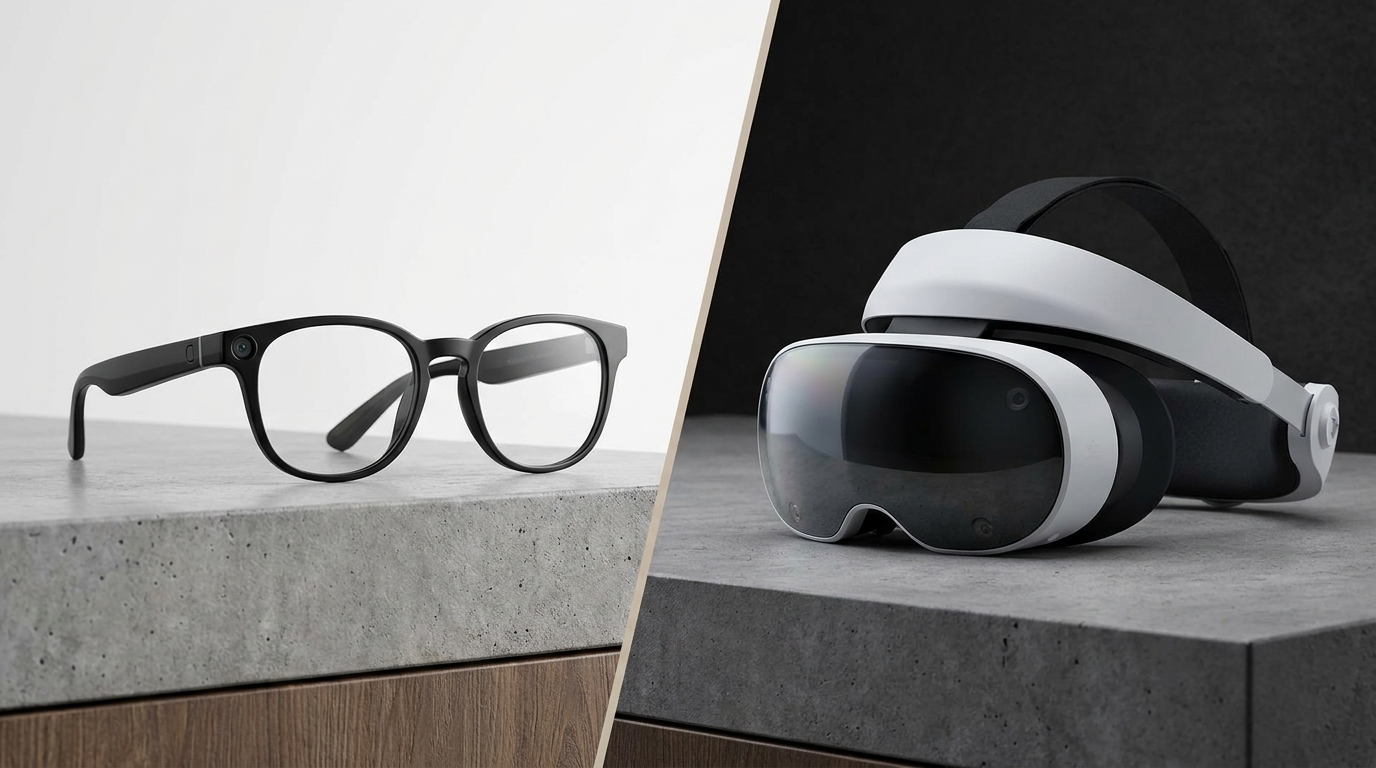
Let's be blunt: Meta's Ray-Ban smart glasses are currently winning the consumer smart eyewear race. Not because they are perfect, or even universally beloved, but because they have cracked the code for accessible, immediate utility in a way Apple's Vision Pro simply has not. This isn't about ethical superiority, but about market penetration and shaping the immediate future of the category.
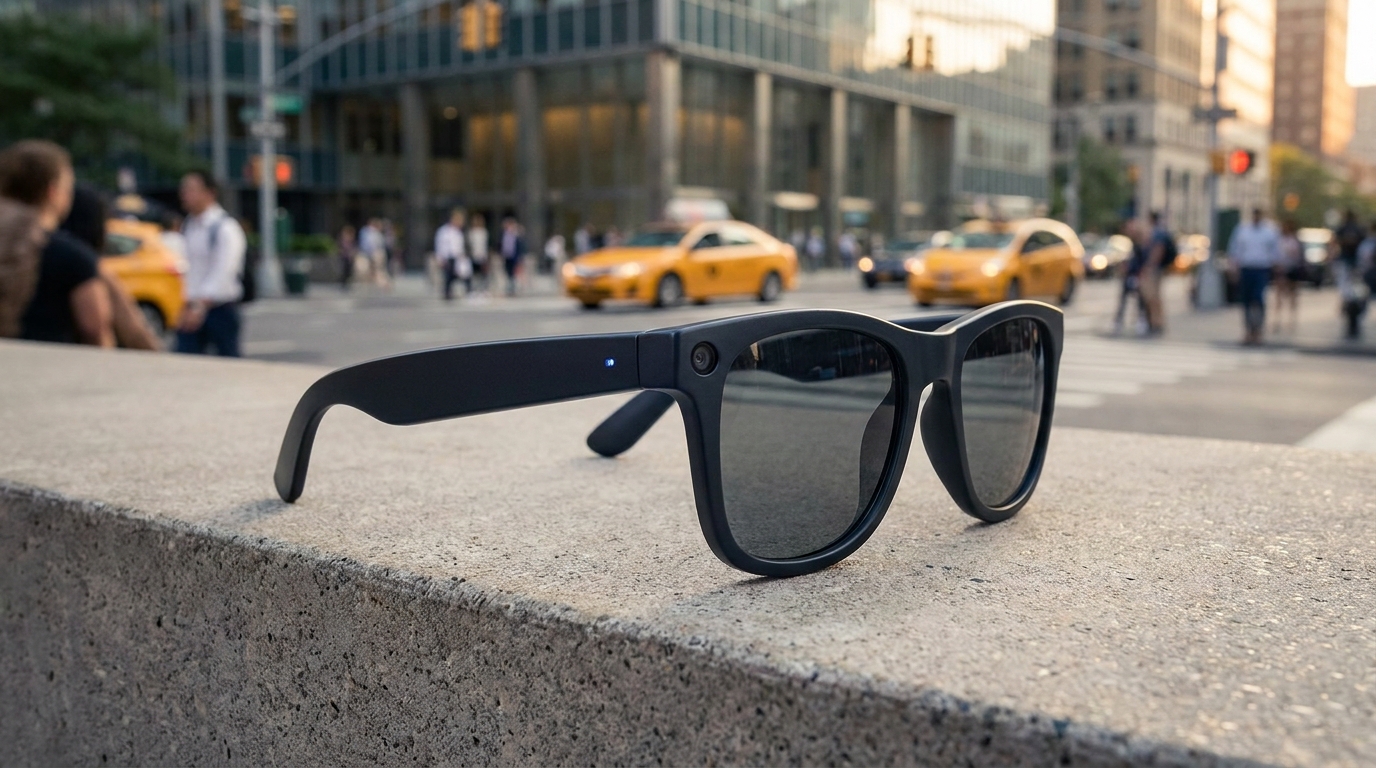
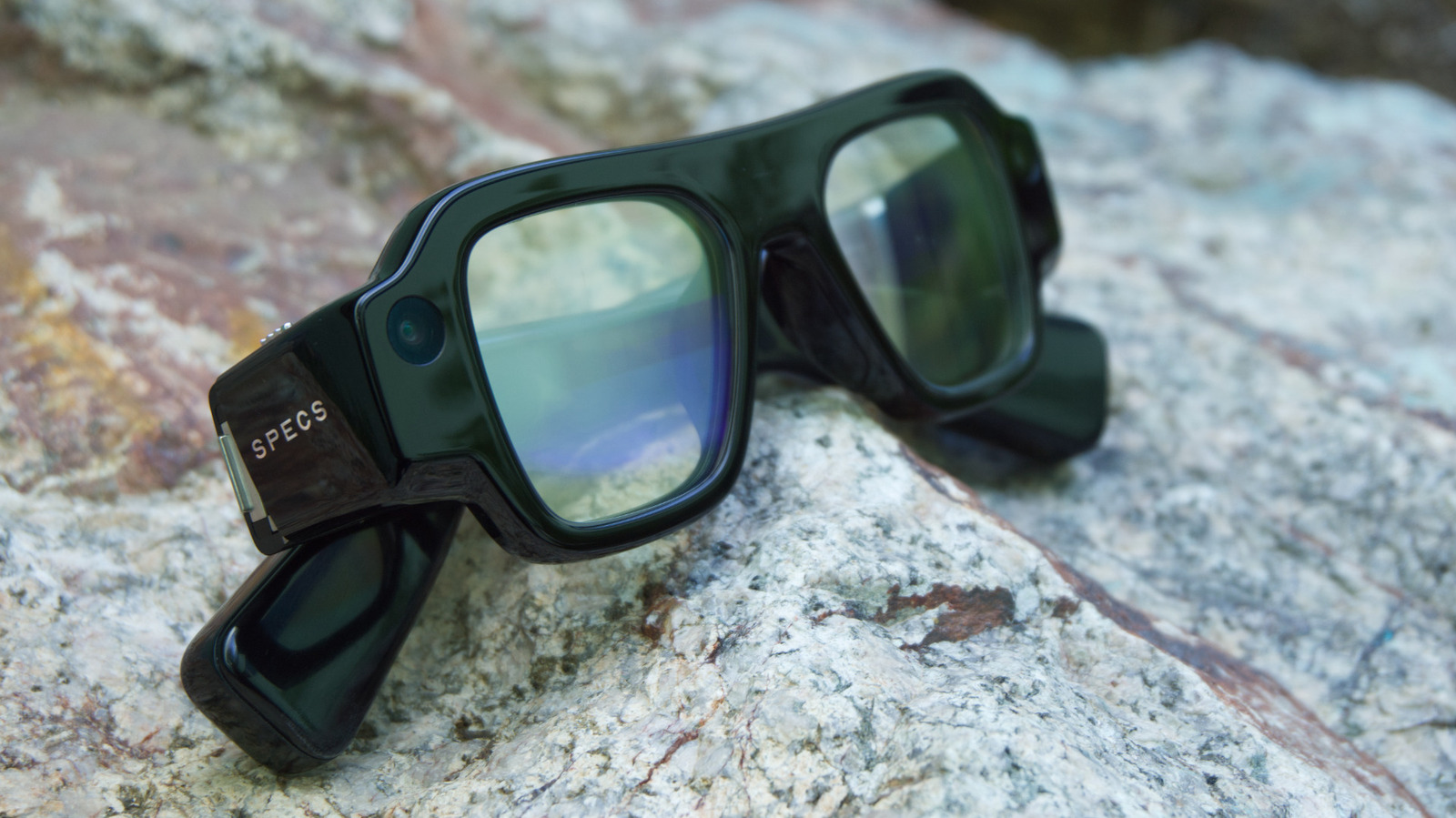
Meta's Ray-Ban smart glasses offer something immediately tangible: discreet, hands-free recording and seamless AI interaction, all within a familiar form factor. This convenience has undeniably streamlined content capture, proving popular with a wide range of content creators. Their appeal lies in their effortless integration into daily life, allowing users to make calls and capture moments with a simple frame touch.
This convenience, however, has ignited a fierce societal debate over privacy in public spaces, leading to outright bans in establishments like major UK pub chain Wetherspoons. Women's rights campaigners have flagged potential misuse, highlighting a significant and valid concern. Meta's approach, while practical for content creators, has undeniably stumbled into a privacy minefield.
The backlash is not merely anecdotal; it's systemic. The emergence of tools like the Zuckoff app, which detects nearby Meta smart glasses, underscores a deepening public anxiety regarding AI eyewear privacy. Even U.S. law enforcement agencies, like the NYPD's counter-terrorism unit, express concern over the devices' potential for covert recording or aiding criminal acts. This reflects a pervasive public distrust of covert recording.
Contrast this with Apple's Vision Pro, a marvel of spatial computing that, for all its technological prowess, remains a niche, high-friction device. Its colossal price tag and immersive VR focus position it as a powerful, isolated experience rather than an everyday enhancement. The Vision Pro is a headset, a spatial computer, not a pair of glasses for mass daily wear.
The smart eyewear industry, for all its revolutionary bluster, consistently trips over the mundane reality of everyday users. Apple's Vision Pro exemplifies this persistent blind spot, failing to grasp what "everyday" truly means for the average person. Its fixation on a full spatial computing experience has obstructed true mass adoption, leaving it largely confined to early adopters and developers.
While Meta battles public perception, its glasses-first form factor has opened doors for specialized, practical applications. FunFitLand, for example, is leveraging smart glasses for immersive, data-driven fitness experiences, integrating real-time biometrics into VR workouts. This points to a future where fitness metrics are actively integrated into workouts, creating a feedback loop for peak performance.
Similarly, BleeqUp enters the arena with precision capture and dedicated AI, their Rover and Ranger models emphasizing robust camera hardware for active lifestyles. These devices, designed for sports and content creation, highlight the demand for dedicated, durable smart *glasses*. They deliver practical tools today, cutting through the noise of conceptual augmented reality.
These focused applications, whether for fitness or sports capture, demonstrate a clear demand for smart eyewear that solves specific problems, often within a glasses form factor. FunFitLand's integration with platforms like Meta Quest further illustrates Meta's broader ecosystem play. The market is gravitating towards devices that offer immediate, tangible utility, not abstract spatial computing.
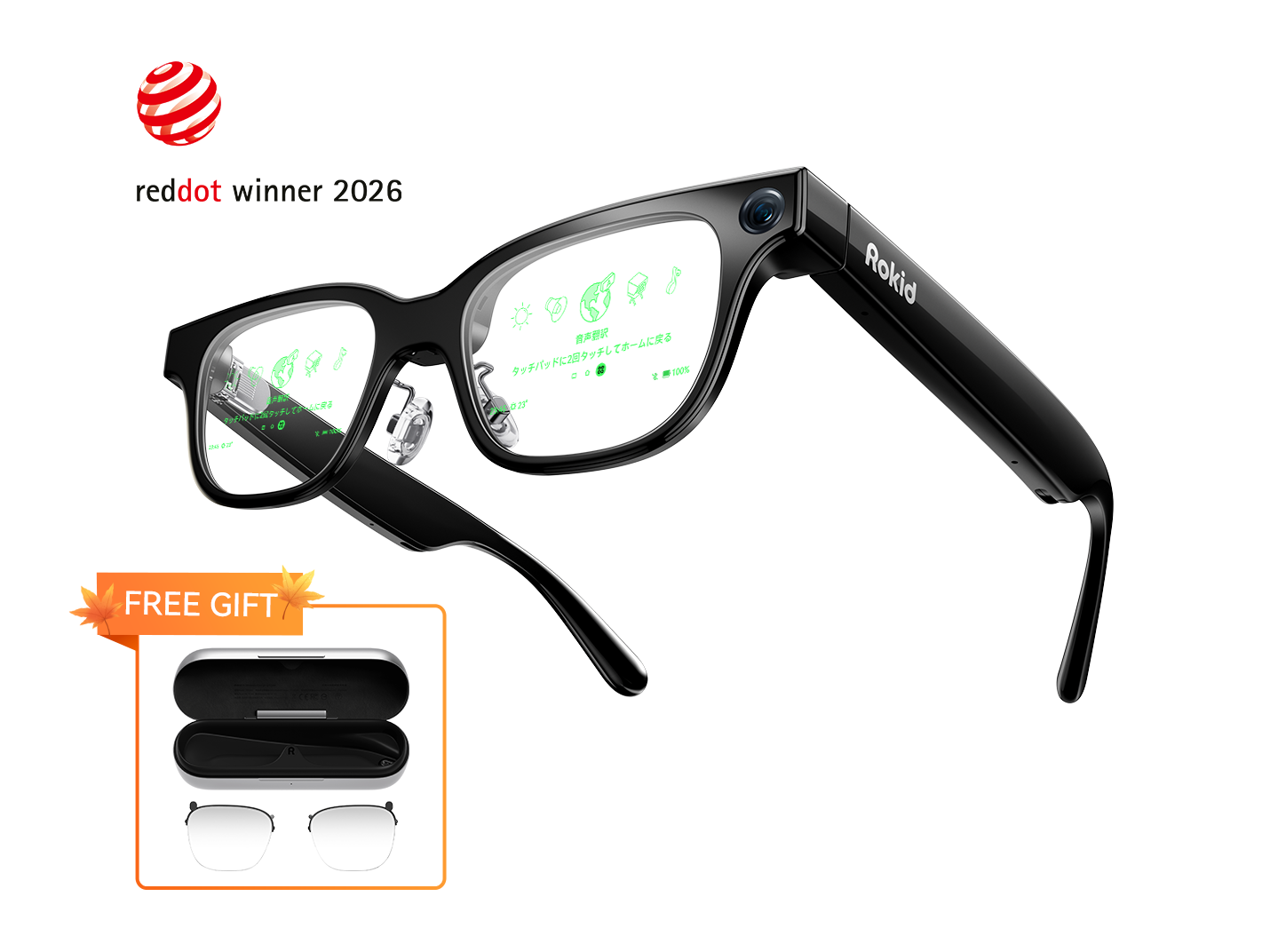
Even as Big Tech grapples with its camera obsession, a silent reckoning is underway: the emergence of HUD-only glasses from brands like RayNeo, XREAL, and Rokid. These brands are succeeding by delivering an excellent, unobtrusive display, sidestepping the camera conundrum almost entirely. Critically, these successful devices are still *glasses*, underscoring the winning form factor.
The rumored pivot by Apple towards "Meta-like AI smart glasses" further confirms a crucial industry shift. This indicates a recognition that true mass adoption lies in subtle, integrated eyewear, not bulky spatial computers. Apple's high-cost Vision Pro, while technically impressive, has inadvertently ceded significant ground in the race for everyday smart glasses.
Meta's Ray-Ban glasses, despite their flaws and the privacy firestorm they ignite, have fundamentally reset expectations for what smart glasses can be: an accessible, everyday tool for capturing life and interacting with AI. Their controversial camera-first design, paradoxically, is also their most defining and immediately useful feature for many users.
They might be problematic, but they are *here*, they are selling, and they are undeniably shaping the immediate future of smart eyewear more effectively than any high-minded, high-cost spatial computer. Meta's pragmatic, if flawed, approach has positioned it as the de facto leader in defining what smart glasses look like and do for the average person right now.
Interactive guide — prices, displays, cameras, battery.
Share this story