Analysis · Meta
Meta's Privacy Problem: The Looming Threat to Smart Glasses Adoption
Despite promising hardware, Ray-Ban Meta glasses face mounting public and institutional backlash over privacy concerns, risking the product's future success. This ongoing struggle highlights a critical hurdle for the entire smart eyewear industry.
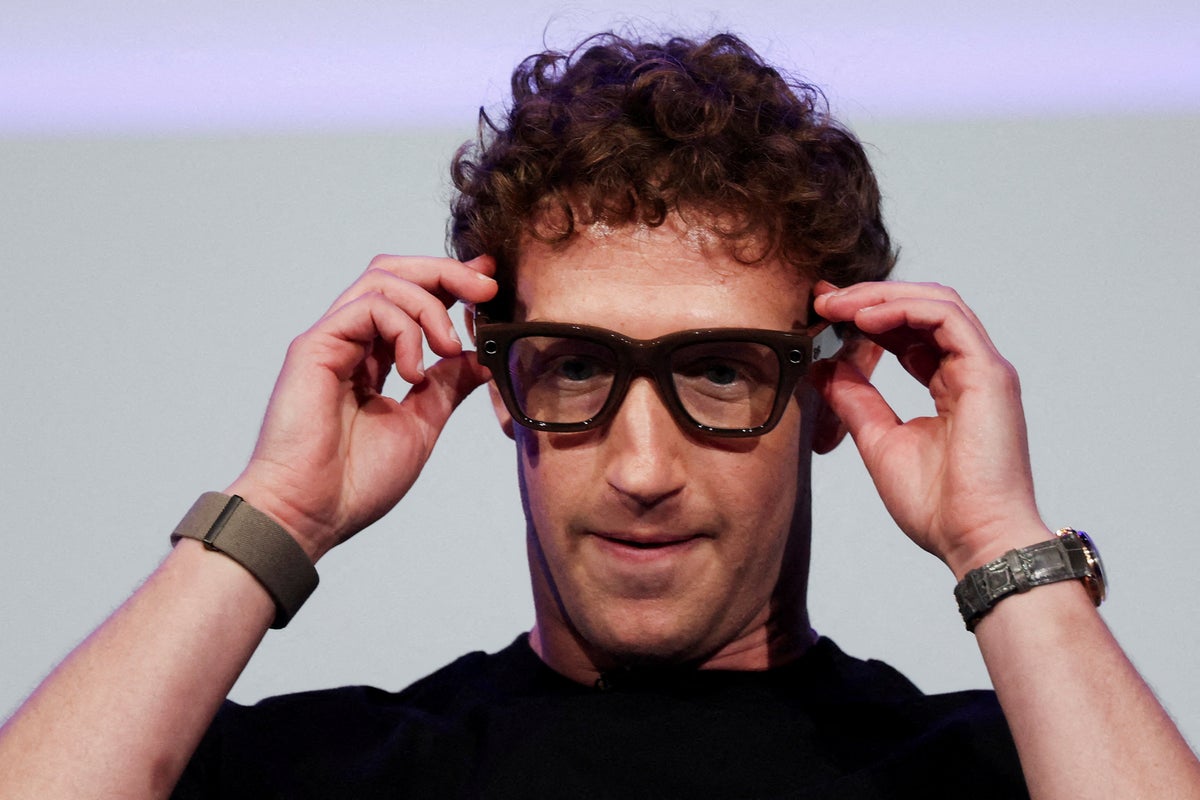
Ray-Ban Meta glasses, hailed by some as potentially transformative consumer hardware, are increasingly fighting a perception battle. Coined 'pervert glasses' by critics, these camera-equipped devices are becoming associated with non-consensual filming, overshadowing their technological advancements. As of August 16, 2026, this growing public sentiment poses a significant threat to Meta's ambitious smart glasses strategy.
A recent viral TikTok video, reported by The Independent, underscored these fears. The video showed a woman confronting a doctor wearing smart glasses during a consultation where she was required to remove clothing. Although the doctor denied recording, the patient questioned the necessity of wearing such a device in a private medical setting. The woman's call for a ban on these glasses in professional environments, particularly medical ones, echoes widespread sentiment across social media platforms, including Meta's own Threads.
Beyond social media outcry, the controversy has led to concrete restrictions. The Independent reports that courts in England and Wales have prohibited the glasses from judicial buildings. Similar bans have been enacted in various public spaces, including restaurants, theaters, pubs, and notably, over 800 Wetherspoons establishments across the UK.
This backlash arrives just as smart glasses were experiencing a notable resurgence, largely driven by Meta's product. Following the commercial failure of Google Glass a dozen years ago, Meta sold seven million pairs of its smart glasses last year. Unlike the bulky, experimental look of early models, current smart glasses offer a more discreet design. This design evolution, however, has not mitigated privacy concerns, even as other tech giants like Apple and Google are anticipated to launch their own smart eyewear in the coming months.
Our take: The dilemma facing Meta, and indeed the entire smart glasses industry, is profound. While innovation in hardware and AI integration is vital, it means little if consumer trust is eroded. The challenge isn't just about building better tech; it's about establishing clear ethical guidelines and fostering a culture of transparency that addresses legitimate privacy fears. Until manufacturers can convince the public that these devices are tools for empowerment, not surveillance, adoption will remain stunted.
Interactive guide — prices, displays, cameras, battery.
Share this story