Analysis · —
Meta's Display-Less Retreat: How Others Are Silently Winning the AR War
While Meta grapples with privacy and thermal meltdowns, a new guard is quietly perfecting the practical AR display. RayNeo, XREAL, and Rokid are proving that the future of smart glasses isn't about cameras, but compelling visual experiences.
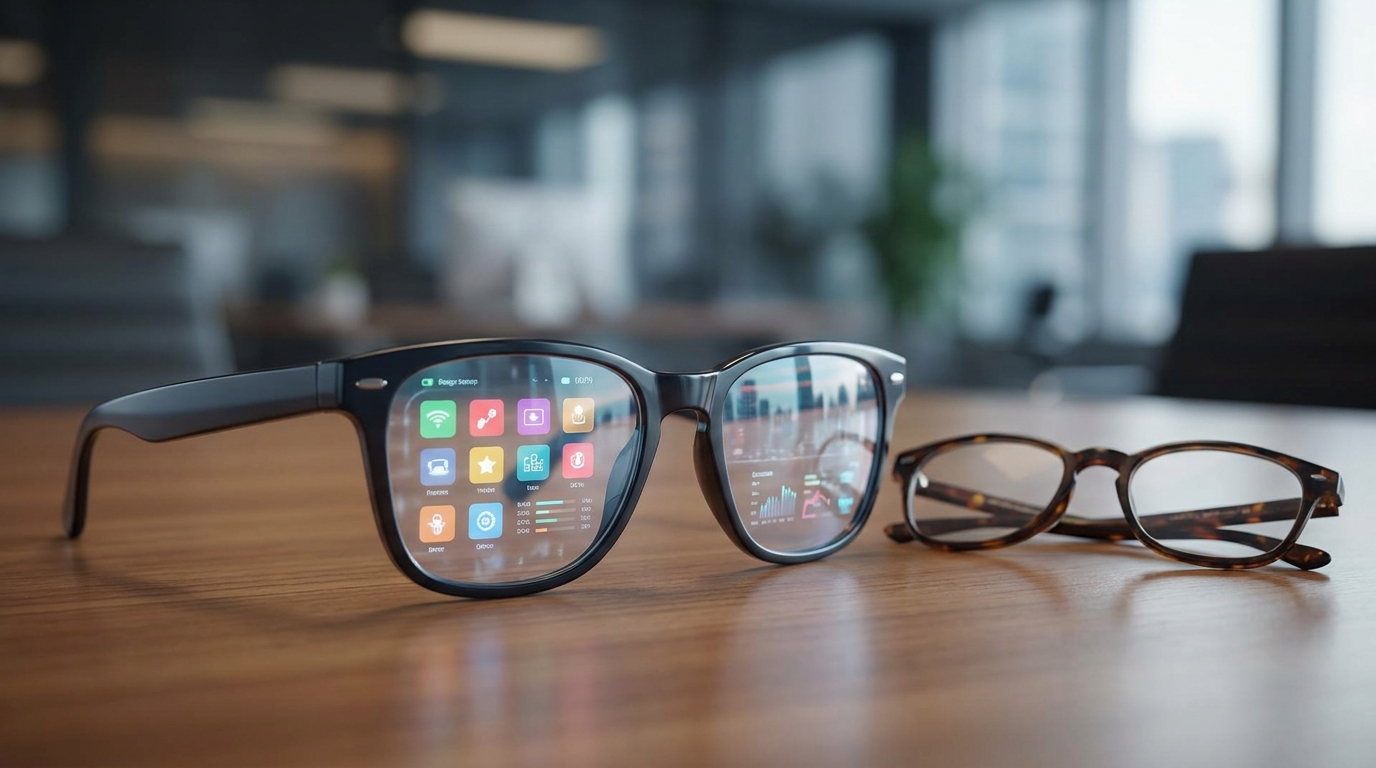
The smart glasses market is a battleground, rife with grand ambitions and spectacular failures. While the industry fixates on Meta's dominant market share and its privacy tightrope walk, the true AR display war is being won by a different class of contenders. They are delivering tangible visual utility without the social baggage or the burn hazards.
Meta's strategy, centered on its camera-equipped Ray-Ban AI glasses, has indeed captured headlines and market share. Bolstered by key partnerships, like SoftBank's distribution in Japan, and an expanding retail footprint exemplified by its new Texas AI Glasses Lab, Meta pushed hard for a camera-first wearable future.
However, this aggressive push for always-on recording capabilities came at a steep price. The privacy backlash has been intense and global, particularly highlighted by issues in India where devices like Meta smart glasses were used for covert recording, causing significant personal harm. Lawsuits and venue restrictions worldwide quickly followed.
This mounting pressure forced Meta into an almost predictable retreat. At its Connect conference, the company unveiled new Ray-Ban AI glasses, including a notable camera-free model. This move, hailed as a privacy push, is an implicit concession: the public is simply not ready for omnipresent, surreptitious recording devices, regardless of Meta's technological prowess.
We have long argued at Smart Glasses Daily that this shift was inevitable. Our Originals have emphasized that "display-less smart glasses are quietly winning" precisely because user privacy fears and a thirst for subtle, AI-driven utility trump the grander, more intrusive visions. Meta's pivot perfectly validates this.
But privacy is just one piece of the puzzle. The fundamental hardware challenges remain formidable. The urgent recall of INMO Smart Glass AIR3 devices, due to overheating temples and burn hazards, serves as a stark reminder of the engineering tightrope manufacturers walk. Integrating powerful computing into a discreet, skin-contact device is fraught with risk.
Then there is the persistent, "silent drain": battery life. Our own analysis has consistently pointed to this as the smart glasses' toughest problem. Meta's vision of high-fidelity experiences, like "Tetris Effect: Mixed Realities" on its VR Glasses and Quest platforms, demands immense power, a demand incompatible with all-day, autonomous wear in a true glasses form factor.
Even ambitious players like Snap are navigating these complexities with caution. Their new Specs, now available for pre-order, aim for "autonomous AR glasses" with all computing integrated into the temples, promising a full AR experience without external tethers. It is a bold move, but one that still faces the immense battery and thermal hurdles inherent to autonomous design.
While Meta rethinks its core proposition and Snap pushes experimental boundaries, a different segment of the market is quietly flourishing. Companies like RayNeo- which Meta itself acknowledges as a competitor- along with XREAL and Rokid, are not chasing a surveillance-centric, all-in-one AI assistant model.
Instead, these brands are winning the AR display war by focusing on what works now: practical, display-first wearable tech. They leverage micro-OLED or birdbath optics to deliver crisp, immersive visual experiences for media consumption, gaming, and productivity. Their genius lies in offloading heavy processing to a tethered smartphone.
This strategic choice sidesteps Meta's privacy dilemmas and mitigates the severe battery life and thermal management issues that plagued the INMO Air3. By prioritizing a high-quality display and sensible power distribution, these companies offer immediate, tangible value without the social friction or hardware instability.
They are building a robust user base and refining their display technologies, piece by piece, for when truly autonomous, socially acceptable AR becomes a reality. The real victory in the AR display war isn't about dominating a flawed, privacy-invasive market, but about sustainable, user-centric innovation that prioritizes a compelling visual experience.
Interactive guide — prices, displays, cameras, battery.
Share this story