Manufacturer News · Meta
Meta Hard-Disables Smart Glasses with Tampered Privacy LEDs
Following reports of physical modifications, Meta is rolling out a mandatory firmware update to disable the camera on smart glasses if their privacy LED is tampered with or destroyed. This move aims to curb non-consensual recordings and enhance user trust.
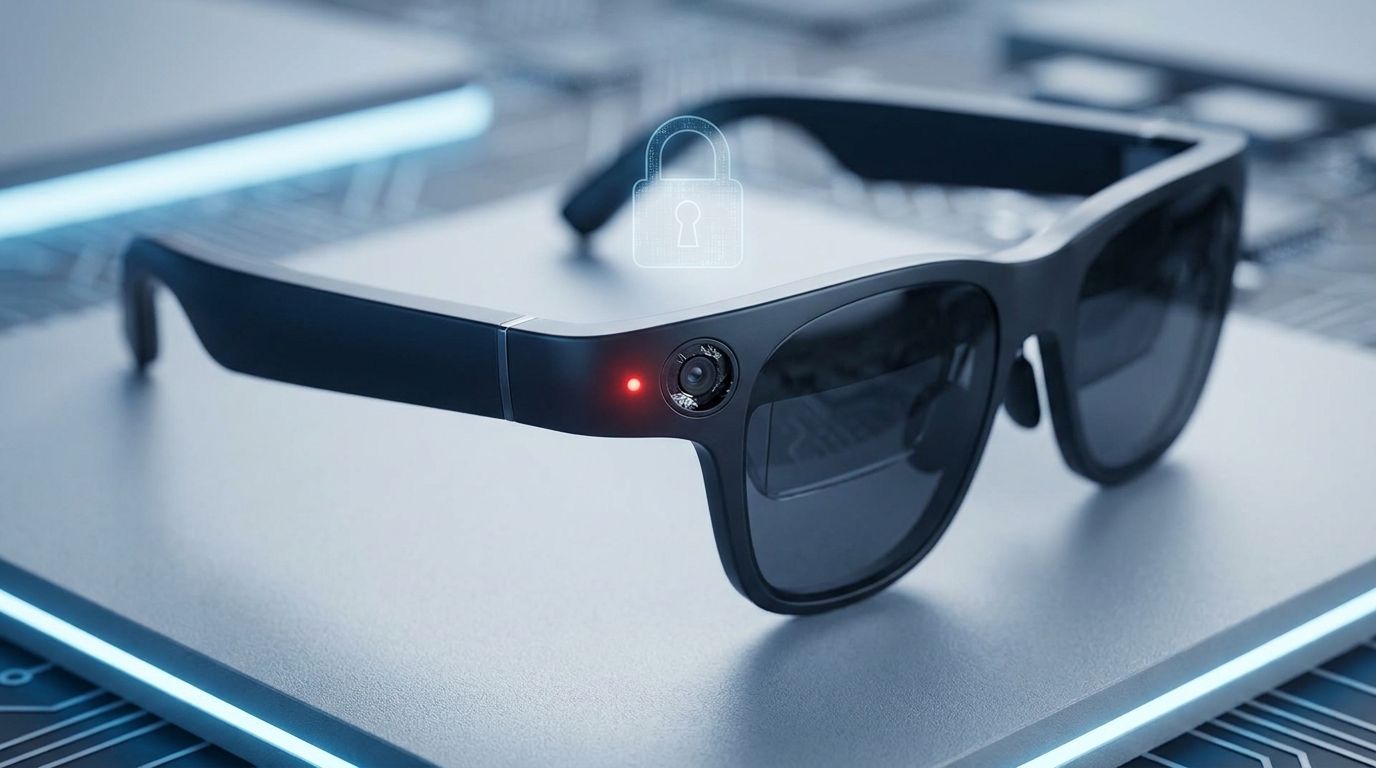
On July 8, 2026, Meta announced a significant update for its smart glasses, designed to combat privacy abuses. The mandatory firmware rollout targets devices where the crucial privacy indicator LED has been physically tampered with, promising to disable camera functionality.
All Meta smart glasses feature a front-facing white LED, engineered to flash when capturing images and pulse during video recording or live streaming, signaling active use. While newer models, starting with the first-generation Ray-Ban Meta, include an ambient light sensor to detect simple obscuring like tape, more sophisticated modifications have emerged. UploadVR reports that tech journalist Joanna Stern's investigation highlighted a market for physically altering the glasses to remove the LED and its sensor entirely. Less subtle accessories also exist to obstruct the LED's visibility from specific angles.
These modifications have enabled some users to record individuals without their consent, contributing to a negative public image for smart glasses. As UploadVR notes, this has led to unflattering labels like "pervert glasses" or "creep glasses," and even calls for legal bans, despite Meta and EssilorLuxottica's devices being a fast-selling consumer tech product.
Meta's new firmware update directly addresses these vulnerabilities. The company stated it is "updating the glasses to disable the camera if they detect the LED was physically tampered with or destroyed." Critically, this update is mandatory and will retroactively apply to devices that have already been modified. Meta asserted its leadership, noting, "No other kind of camera has done this and we're proud to lead the industry forward."
Our take: This aggressive, retroactive measure is a necessary step. While it won't entirely eliminate misuse, it significantly raises the bar for bad actors, requiring more technical savvy and making such devices less reliable for covert recording. Meta is clearly responding to intense public scrutiny and a growing perception problem, aiming to protect the long-term viability and reputation of its smart eyewear platform. Industry-wide, such proactive security measures are crucial for mainstream adoption.
Interactive guide — prices, displays, cameras, battery.
Share this story