Analysis · Meta
Meta Glasses: A New Front in On-Street Government Surveillance
Immigration agents are already deploying Meta's AI glasses in the field, raising urgent concerns about privacy and targeted enforcement. This development signals a troubling expansion of surveillance capabilities for vulnerable communities.

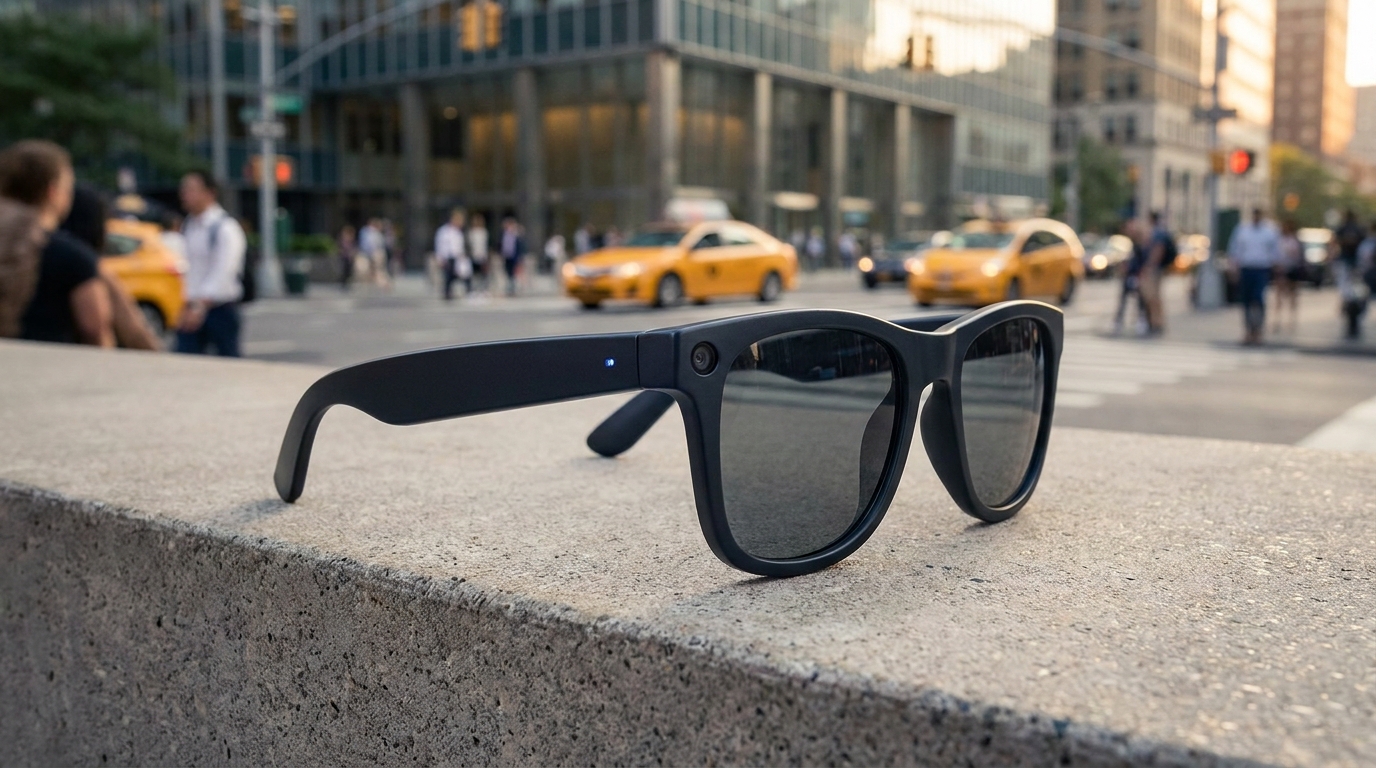
Concerns around Meta's fashionable new AI glasses, prominently advertised by figures like Kylie Jenner, have escalated as of July 2026. These sleek frames, designed to blend seamlessly into everyday wear, make it increasingly difficult for individuals to discern when they are being recorded or monitored. According to Them, this technology is already contributing to an expanding surveillance apparatus.
The potential for misuse is clear. Them reports that earlier this year, the Trump administration proposed allocating fiscal year 2027 funding for the Department of Homeland Security (DHS) to develop wearable surveillance technology, specifically "AI smart glasses" similar to Meta's. This proposal, though not created by Meta, outlined glasses that would assist agents in "encountering, transporting, detaining and removing migrants who are in the United States illegally" in real time. Them characterizes this proposal as signaling an "alarming vision" for the agency's future.
Federal operatives, however, may not be waiting for official rollout. According to an investigation by The Independent, ICE agents in at least six states have already been observed wearing Meta glasses while on duty. It remains unclear whether these agents were specifically directed by DHS to pilot the technology or if they adopted it independently. Regardless, Them asserts this practice is cause for significant concern, suggesting that federal agents are becoming the face of a product Meta publicly positions as a cutting-edge fashion item.
This move fits within a broader, decades-long trend of escalating government surveillance. DHS already partners with private corporations like Palantir and Clearview AI to amass extensive data on immigrants, including tax information and social media posts, Them notes. Both presidential administrations have historically expanded federal law enforcement capabilities through collaborations with tech giants. The passage of a 2025 reconciliation bill further bolstered DHS, adding approximately $170 billion and making ICE the highest-funded federal law enforcement agency in history, as Aaron Reichlin-Melnick, a senior fellow at the American Immigration Council, stated on Bluesky.
While Meta's current smart glasses may seem rudimentary compared to these vast data collection systems, Them highlights that facial recognition remains the "next frontier." Wired reports that Meta is actively working to integrate facial recognition technology, collaborating with Rank One Computing. This company derives the majority of its revenue from government clients, including U.S. law enforcement agencies and the military. The eventual addition of this capability would allow thousands of AI glasses on the street to not only livestream and record but also recognize locations and, crucially, individuals.
The implications extend beyond immigration enforcement. Them points out that similar surveillance tactics are being deployed against transgender individuals. Elected officials and the Trump administration have used surveillance to support attacks on transgender rights, ranging from attempts to create registries of patients receiving gender-affirming care to mandating reports on individuals changing their gender markers on driver's licenses. These efforts demonstrate lawmakers' existing willingness to compile makeshift registries of marginalized communities.
Our take: The proliferation of AI-powered smart eyewear, particularly with integrated advanced capabilities like facial recognition, presents an unprecedented risk to civil liberties. What begins as a consumer fashion accessory rapidly morphs into a tool for state power, potentially enabling immediate identification-or misidentification-of individuals, creating pervasive public scrutiny. The scenarios Them describes, where government buildings might mandate security personnel wear AI glasses, echo dystopian fiction but are alarmingly close to existing government deployments. The unchecked adoption of this technology demands immediate public debate and robust regulatory safeguards to prevent a future where personal privacy is irrevocably eroded.
Interactive guide — prices, displays, cameras, battery.
Share this story