Analysis · —
Mentra and Open-Source: The Smart Glasses Hackers Will Actually Build
Big Tech stumbled, fixated on cameras and costly XR. Their missteps cleared the path for an open-source revolution, powered by Android XR and the ingenuity of hackers.

The smart glasses industry is finally confronting its own glaring blind spots. After years of chasing immersive VR and spatial computing, only to pivot, Apple is reportedly ditching high-cost Vision Pro ambition for 'Meta-like AI smart glasses.' This industry-wide recalibration isn't just about strategy; it is a profound concession that the mass market was never truly understood.
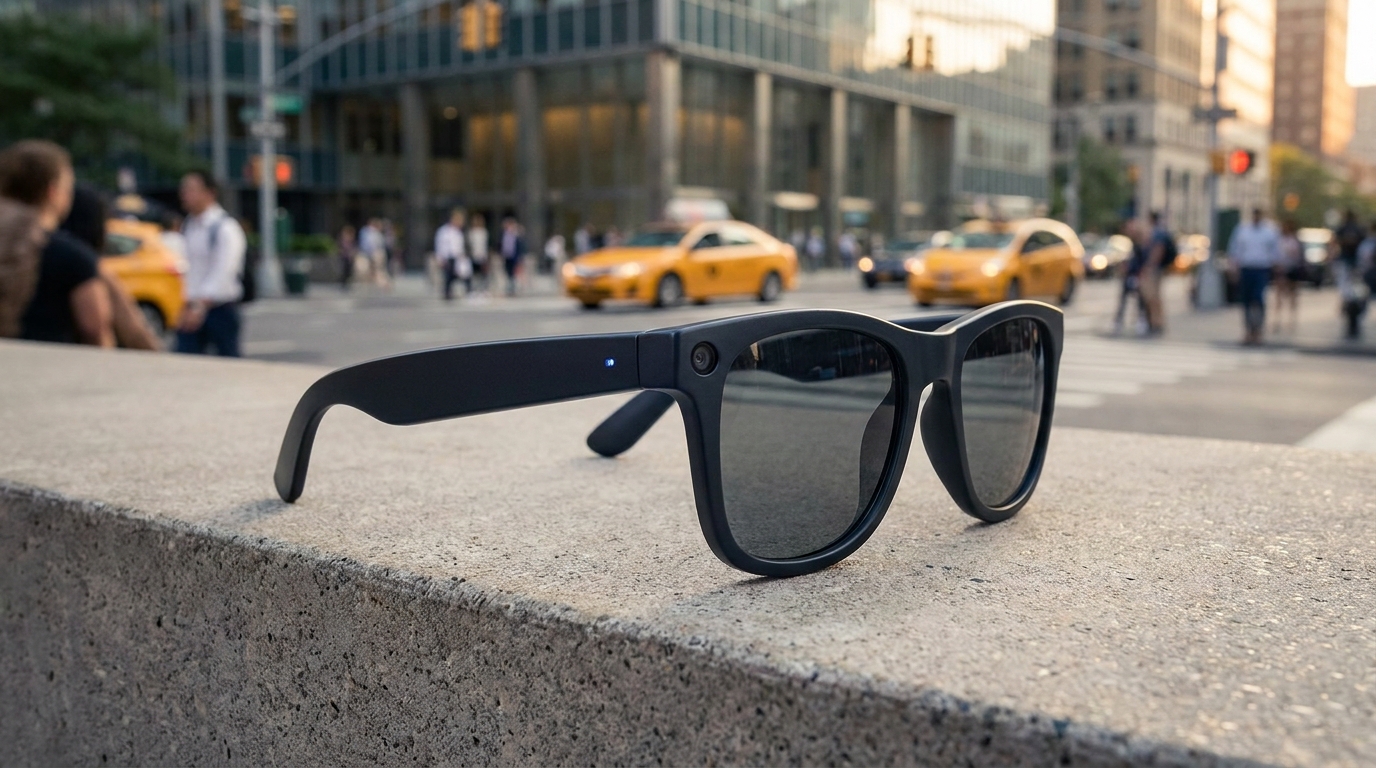
For too long, the default answer was 'camera.' Cameras created privacy minefields, leading to terms like 'pervert glasses' and eroding public trust. Even Meta's relentless efforts to secure its Ray-Ban Meta and Oakley Meta smart glasses, with mandatory capture LEDs and continuous recording checks, are reactive bandages on a festering wound.
Meta's VP of AR, Alex Himel, confirmed the latest stringent updates, which halt recording if the LED is obscured, signifying the depth of this privacy crisis. These fixes, while necessary for the company's survival in the wearable camera space, underscore how fundamental the initial miscalculation was. The public doesn't want a slightly more transparent surveillance device; it wants discreet utility.
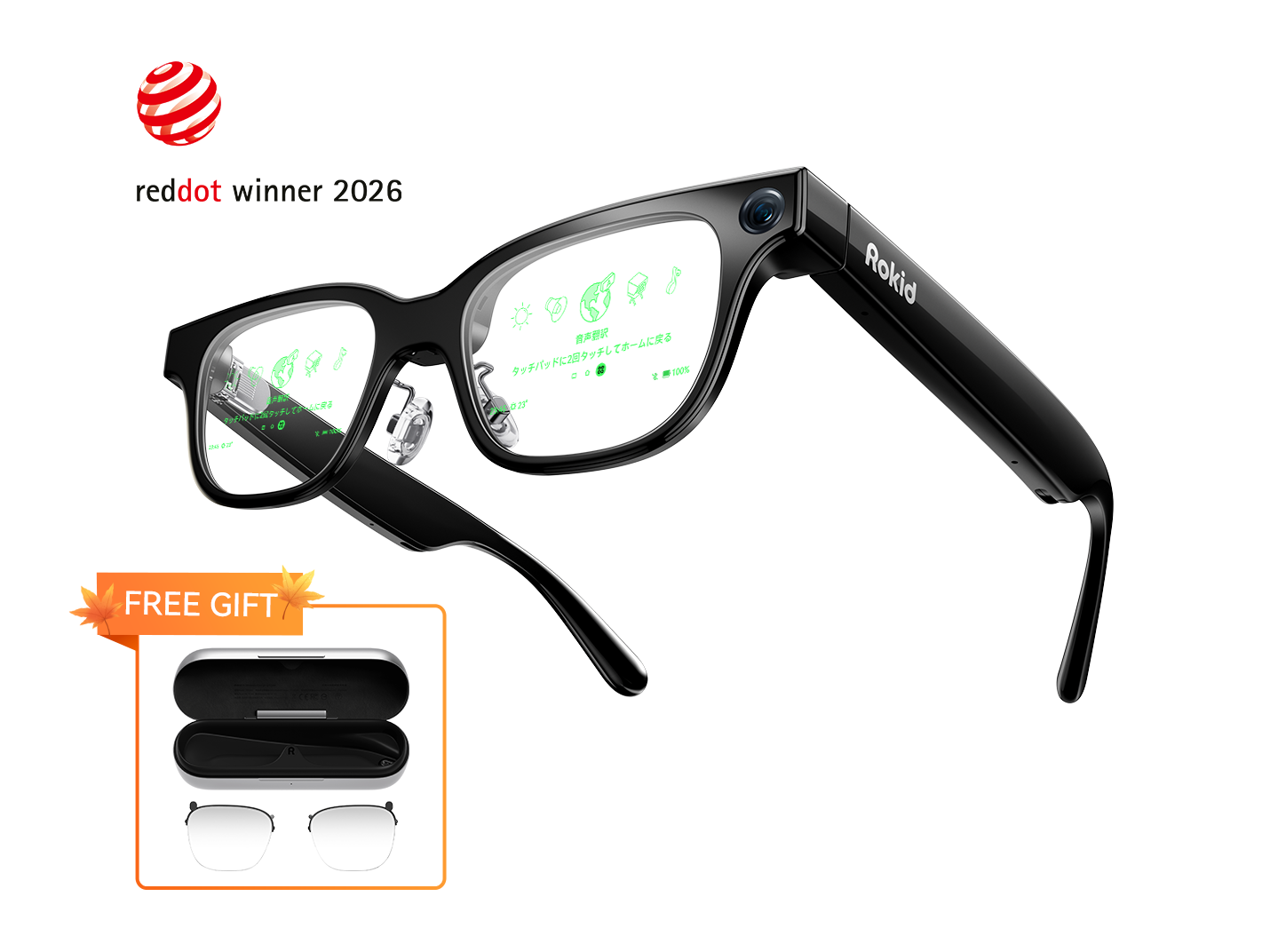
This deep-seated distrust has fueled a quiet but powerful counter-movement. We are now witnessing the 'silent comeback' of HUD-only, display-first glasses, devices that ditch the camera entirely in favor of discreet, on-demand information. Brands like Even Realities and Brilliant Labs are proving that the future of everyday smart glasses is about trust and utility, not covert recording.
Crucially, this shift aligns with the impending dominance of Android XR. Within the next 12 months, Android XR is poised to become the foundational, open operating system for smart eyewear. Unlike the walled gardens of proprietary ecosystems, Android XR provides the flexibility and accessibility that the industry desperately needs.
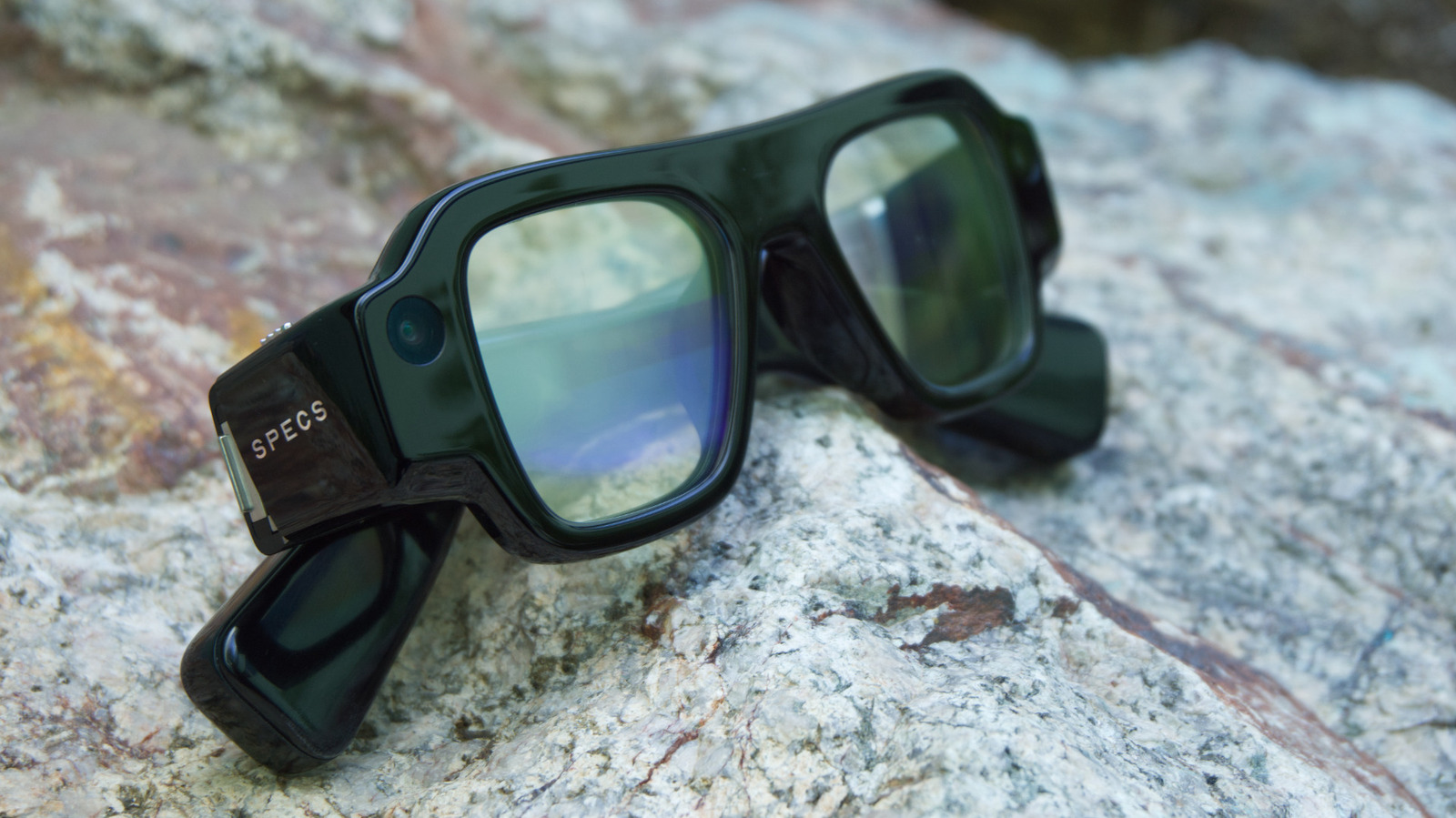
This is where the concept of 'Mentra' and the open-source movement become not just relevant, but revolutionary. Mentra, as the spirit of hacker-driven innovation in smart eyewear, represents the freedom to build devices that prioritize actual user needs over corporate roadmaps. Android XR is the canvas, and hackers are the artists.
For hackers and builders, Android XR unlocks unprecedented opportunities. They are no longer beholden to the feature sets dictated by large corporations, nor are they limited by the privacy concerns inherent in camera-first designs. Imagine custom-built smart glasses that perfectly integrate with bespoke smart home systems, offering contextual data without the threat of surveillance.
While Meta's Horizon OS 2.7 updates for Quest 3, like Xbox gamepad emulation, enhance niche gaming, and ASUS bundles XREAL AR glasses with its ROG XBOX Ally X20, these are still specific use cases. The hacker community, leveraging Android XR, can address the vast expanse of everyday utility that Meta and Apple have repeatedly overlooked.
This means glasses tailored for specific professions, for accessibility, or for deeply personalized AI assistants that truly understand a user's unique context, without a bulky camera. It is about creating devices that are genuinely helpful, discreet, and privacy-respecting by design, not by after-the-fact software patches.
The industry's big players, by fixating on what they *could* build with advanced optics and spatial compute, rather than what users *needed* for everyday life, inadvertently cleared the ground. They left a gaping void for innovation, one that open-source communities and independent builders are perfectly positioned to fill.
The shift to Android XR, combined with the proven market demand for camera-free discretion, creates a perfect storm for this grassroots revolution. It signifies a future where smart glasses are not dictated by Silicon Valley giants, but are shaped by the diverse, imaginative, and pragmatic needs of users and their builders.
The promise of Mentra and open-source smart glasses is the promise of truly personal, truly trusted technology. It is about empowering individuals to craft their own intelligent eyewear experiences, finally delivering on the discreet utility that has eluded the mainstream market for far too long.
Interactive guide — prices, displays, cameras, battery.
Share this story