Analysis · —
Mainstream's Gaze: How Big Tech's Glasses Empower the Open-Source Frontier
While industry giants battle for market share, their hardware innovations, from discreet AI to modular platforms, are quietly empowering a new generation of hackers and builders.

The smart glasses arena is a battlefield of titans, with Meta, Snap, and a host of pragmatic display manufacturers vying for dominance. Yet, beneath the high-stakes product launches and market speculation, a subtle but profound development is unfolding: the mainstream's choices are inadvertently crafting the foundational elements for open-source smart glasses and the hacker community. This era defines what it truly means for builders, and for a 'Mentra' like ethos, to re-engineer wearable intelligence.
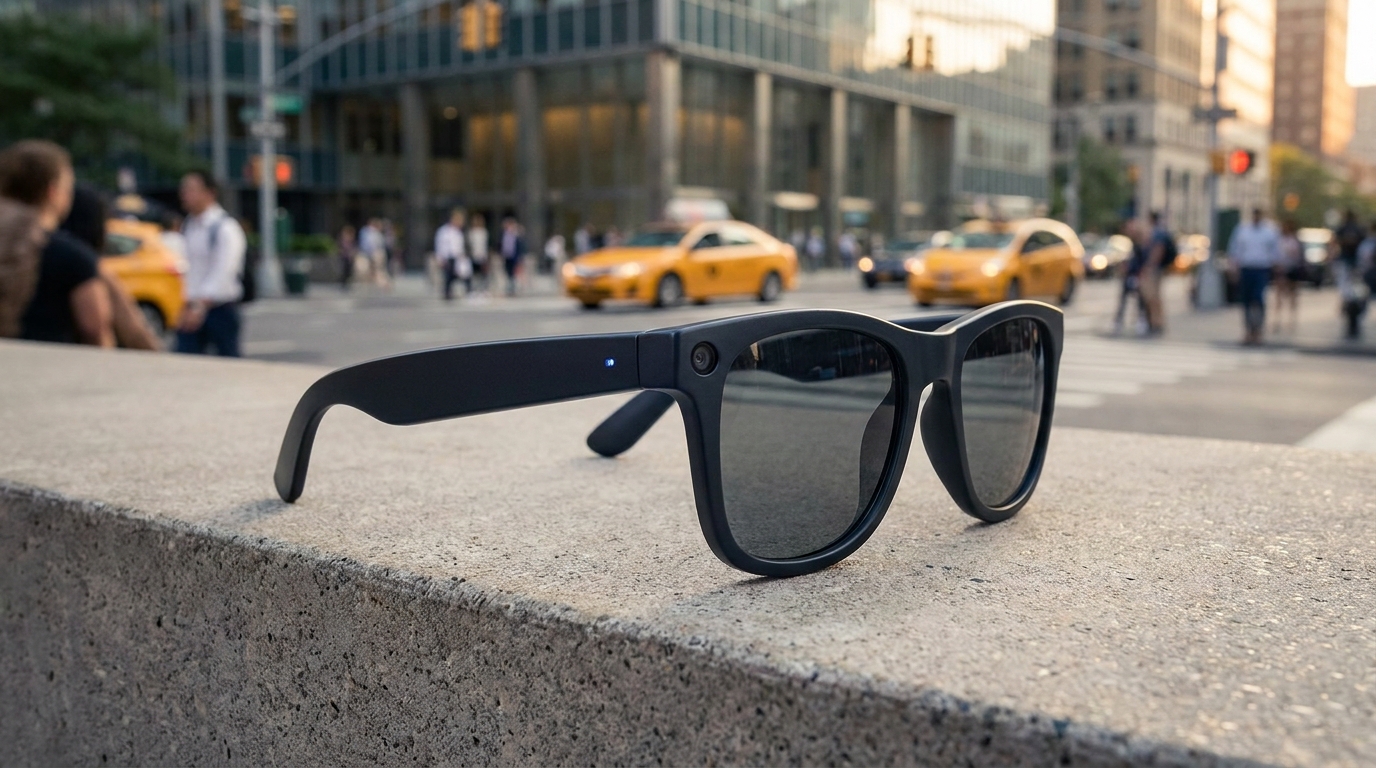
Meta's strategy, particularly with its Ray-Ban smart glasses, has effectively 'cracked the code for accessible, immediate utility' [3]. Their success, as Smart Glasses Daily Originals noted, stems from a discreet form factor and camera-driven interaction, not advanced AR displays [2]. Now, with rumored camera-free Luna glasses on the horizon, Meta pivots towards privacy and audio-first AI, moving away from explicit visual recording [1, 12]. This evolution signals a mature market ready for less obtrusive technology, an ideal proving ground for open-source developers prioritizing novel interactions over mere surveillance.
The anticipated camera-free Meta Luna models, reportedly featuring enhanced microphones for seamless AI interaction, validate the audio-centric smart glasses paradigm [12]. This development creates a fertile new frontier for hackers and builders, inviting them to construct sophisticated, privacy-respecting AI interfaces that extend beyond simple voice commands. The focus shifts from capturing the world to understanding and augmenting the wearer's experience through sound and intelligent conversational agents, sidestepping the ethical quagmire of pervasive public recording.
Hardware platforms like SmartXY's K900 further illustrate this enabling trend, even if they are proprietary ODM solutions [10]. Described as an 'AI camera and open-ear audio platform' for brands, the K900's focus on essential components within a lightweight build, without an AR display, offers a modular blueprint. For the hacker, this hints at the potential for readily available, core building blocks, accelerating the development of custom smart glasses that prioritize specific functionalities over a bundled, locked-down experience.
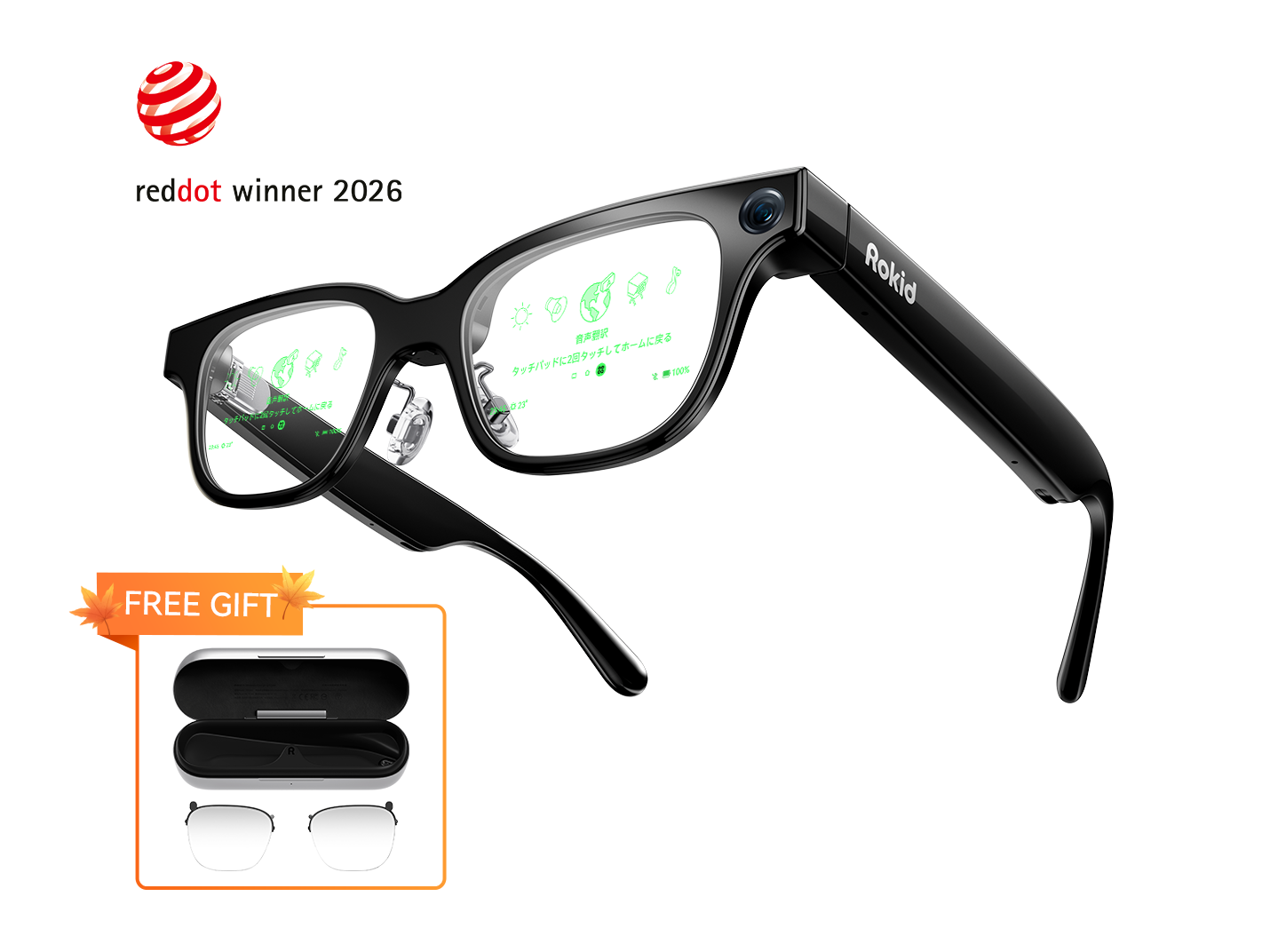
Concurrently, a different segment of the industry is perfecting the art of the pragmatic display. Companies such as RayNeo, XREAL, Rokid, and INMO are quietly winning the 'AR display war' by focusing on immediate, tangible value in lightweight forms [2]. Rokid Glasses, for instance, offer live subtitles and 89-language translation via dual monochrome green Micro-LED displays [4]. INMO's GO3, an IFA Innovation Award winner, boasts binocular Micro-LED panels for real-time translation across 98 target languages [11].
These advancements provide the open-source community with access to increasingly sophisticated, off-the-shelf visual output technologies. Instead of reinventing the wheel on micro-displays or waveguides, hackers can now integrate high-performance components from these specialized manufacturers directly into their bespoke projects. This frees up developer time and resources to focus on software innovation, alternative sensor integration, and user experience customization, accelerating the pace of open-source development.
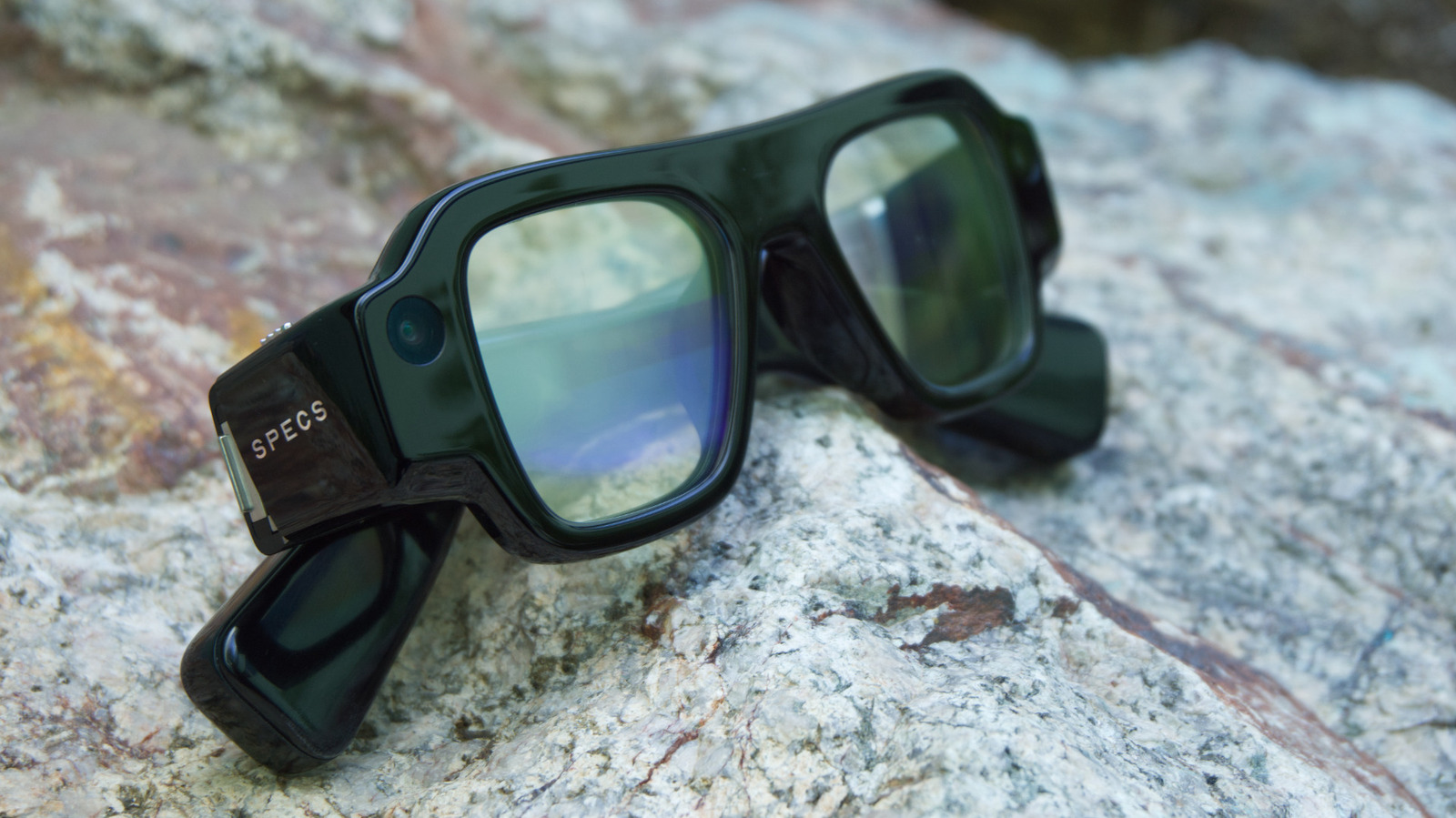
Snap's ambitious entry with its $2,195 Specs and 'Specs Intelligence' platform, while expensive, demonstrates the bleeding edge of integrated, standalone AR computing [5, 6, 8]. Described as an 'AI-native AR platform' with anticipatory intelligence, Specs showcases the potential for full-stack, untethered experiences that genuinely enhance utility [8]. While the hardware remains proprietary, its bold vision sets a high bar for what integrated AI and AR can achieve on-device, inspiring the open-source community to find more accessible paths to similar capabilities.
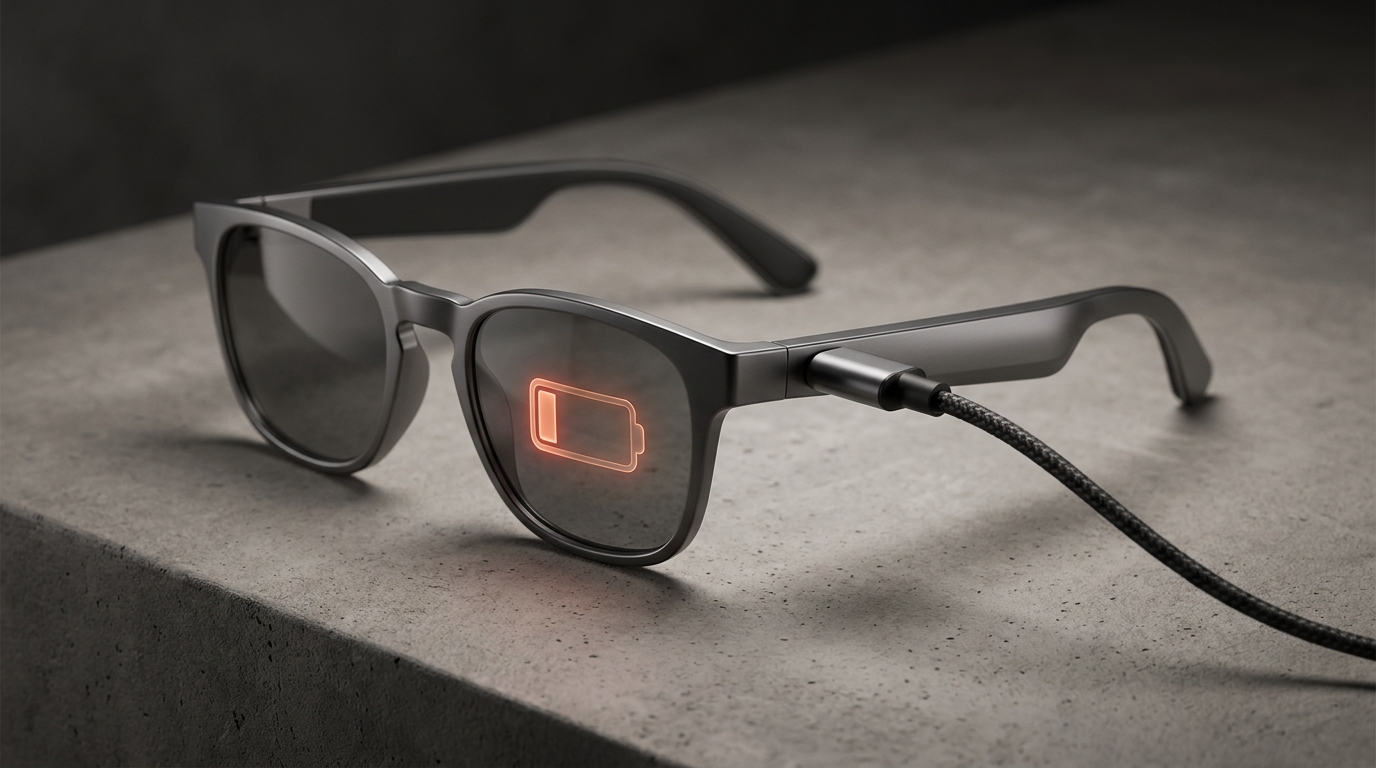
Despite all the breakthroughs in form factor, displays, and AI, the smart glasses industry faces an 'unspoken crisis': the battery problem [9]. This fundamental power constraint remains the Achilles' heel, preventing truly ubiquitous, 'always-on' intelligent eyewear. This is not just a challenge for commercial giants, but a clear opportunity for hackers and builders to innovate on power efficiency, explore novel energy harvesting, or design external power solutions. The open-source community, unburdened by commercial timelines and profit margins, might be uniquely positioned to tackle this core limitation.
The allure for hackers and builders extends beyond mere technical challenge; it is about control. While mainstream products offer impressive utility, they often come with walled gardens, data monopolies, and limited customization. The 'Mentra' ethos thrives on true ownership, the ability to modify, audit, and personalize every aspect of the technology, ensuring privacy and functionality align precisely with individual needs. This drive for autonomy is precisely why open-source smart glasses will continue to evolve.
The current market, therefore, acts as an accelerator for the open-source movement. Big Tech validates key concepts like discreet AI assistance and pragmatic AR displays, providing a proof of concept for various use cases. Simultaneously, the proliferation of sophisticated components, from SmartXY's ODM platforms to advanced Micro-LEDs from Rokid and INMO, creates a rich ecosystem for integration. This allows the open-source community to focus on creating truly novel software, unique interaction paradigms, and entirely new applications without starting from scratch on hardware.
As Meta, Snap, and others continue their race for market share, they are, perhaps unwittingly, paving a broader highway for innovation. The successes, the failures, and the design choices of these giants offer invaluable lessons and components for the hacker. The future of truly personalized, hackable smart glasses will not just adapt to these trends but actively remix, re-purpose, and redefine them with an open, collaborative spirit.
The emphasis on discreet form factors, enhanced audio, and practical displays from established players means that the core battle for the hacker community shifts. It's no longer about proving the concept of smart glasses, but about pushing the boundaries of what intelligence, privacy, and utility can mean when put directly into the hands of those who truly want to build the future, one custom frame at a time.
Interactive guide — prices, displays, cameras, battery.
Share this story