
News · Samsung
Exam Cheating Scandals in Korea Threaten Consumer Trust in AI Glasses
High-stakes testing fraud has triggered regulatory crackdowns in South Korea, leaving manufacturers like Samsung facing severe reputational blowback.
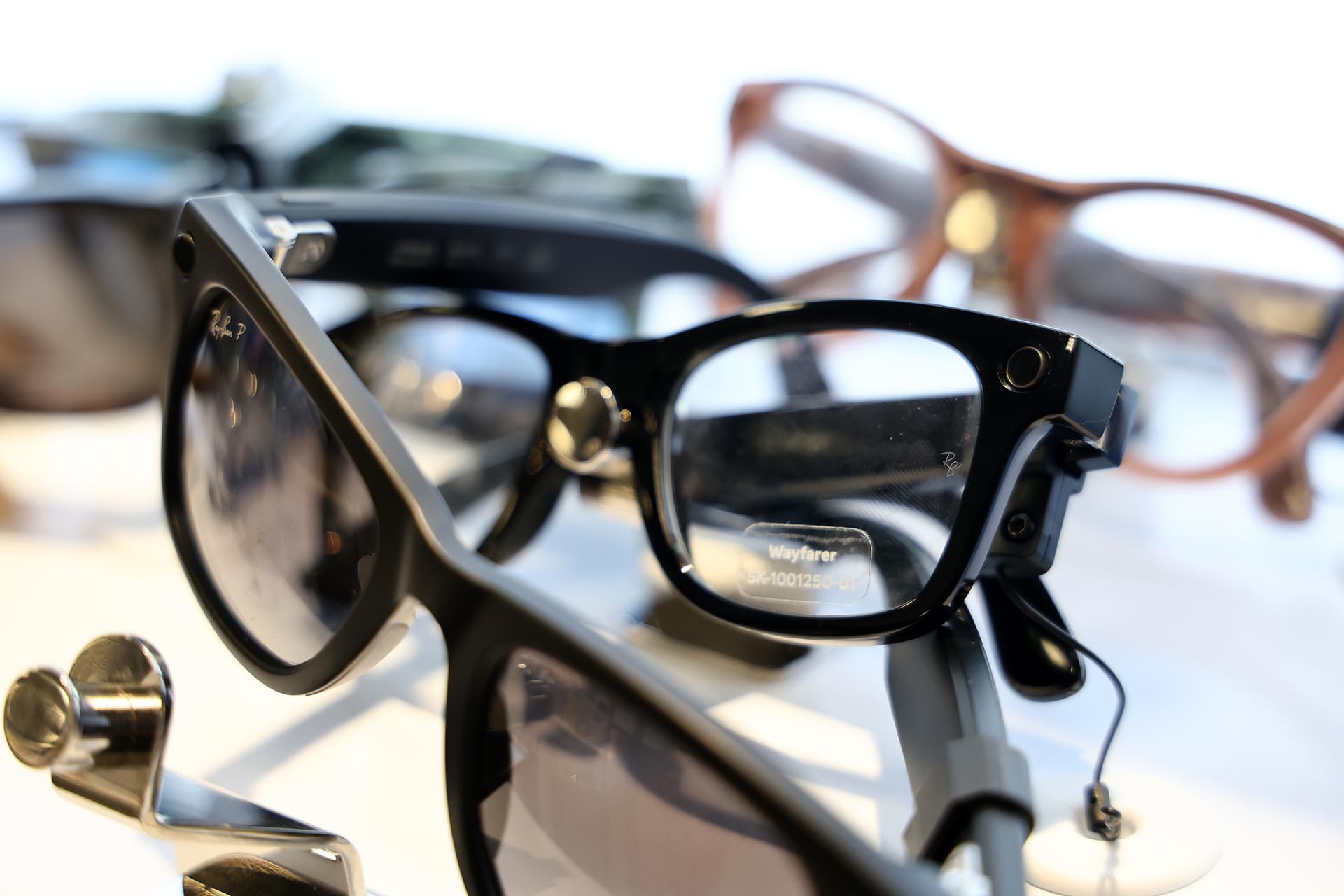
On November 17, 2026, reports out of South Korea revealed that smart eyewear manufacturers, including Samsung Electronics, are confronting a steep wave of public distrust following multiple exam-cheating scandals involving artificial intelligence hardware. With national attention fixed on high-stakes qualification tests and the annual College Scholastic Ability Test, fear over covert exam tampering has rapidly shifted from fringe paranoia into mainstream scrutiny.
According to koreatimes.co.kr, the public outcry escalated sharply after the top scorer on South Korea's national tax accountant licensing exam admitted to using generative AI tools to cheat. While the perpetrator ultimately confessed to using a concealed miniature camera and earpieces, the fallout has directly targeted smart frames. Authorities confirmed that at least six official cheating incidents involving smart glasses have been logged during national qualification exams this year alone.
In response, testing administrators and government bodies are moving aggressively toward preventative security. The Human Resources Development Service of Korea confirmed it is evaluating physical inspections for every pair of prescription eyeglasses worn into exam halls, alongside deploying specialized radio-frequency scanners. Meanwhile, koreatimes.co.kr reports that the Korea Radio Promotion Association, an agency operating under the Ministry of Science and ICT, is actively building dedicated monitoring hardware engineered to pinpoint active AI frames via local Bluetooth signals.
The regulatory pressure arrives just as hardware shipments explode globally. As market tracker Counterpoint Research documented, global shipments of AI glasses grew by 263 percent year-over-year in the first half of 2026. Crucially, display-free audio and camera frames accounted for 96 percent of that volume. Because these models look virtually indistinguishable from traditional acetate or titanium spectacles, they blend seamlessly into everyday environments, raising privacy and security alarms.
However, Counterpoint Research also warned that mounting public skepticism around embedded cameras and ambient sensors poses a significant headwind. Industry insiders cited by koreatimes.co.kr expressed deep concern that isolated controversies could permanently taint consumer sentiment just as major brands prepare wider commercial rollouts, creating an enduring stigma before mainstream adoption even takes hold.
What this means: We have seen this pattern before, but the stakes are much higher today. A decade ago, Google Glass failed largely due to social friction over privacy and visible cameras. Today, smart frames like Ray-Ban Meta and upcoming Android XR hardware from Samsung are designed deliberately to look like ordinary designer frames. That very stealth, which makes them commercially appealing to buyers, makes them an immediate nightmare for secure venues, academic proctors, and sensitive workplaces.
If regulators and testing boards normalize broad security crackdowns, ordinary consumers will pay the price. A blanket mandate requiring physical inspections of ordinary prescription glasses at testing sites, courthouses, or border checkpoints will inevitably slow down public acceptance. For device makers, hardware indicators such as brighter capture LEDs and privacy kill switches are no longer just compliance checkboxes; they are the bare minimum needed to keep smart eyewear from getting banned entirely from public life.
Interactive guide: prices, displays, cameras, battery.
Share this story





