Analysis · —
Display-Less AI Glasses: The Silent Revolution for the Mass Market
The smart glasses industry chases spectacle, but mass adoption hinges on discreet utility. Real innovation is invisible, AI-first, and already happening.

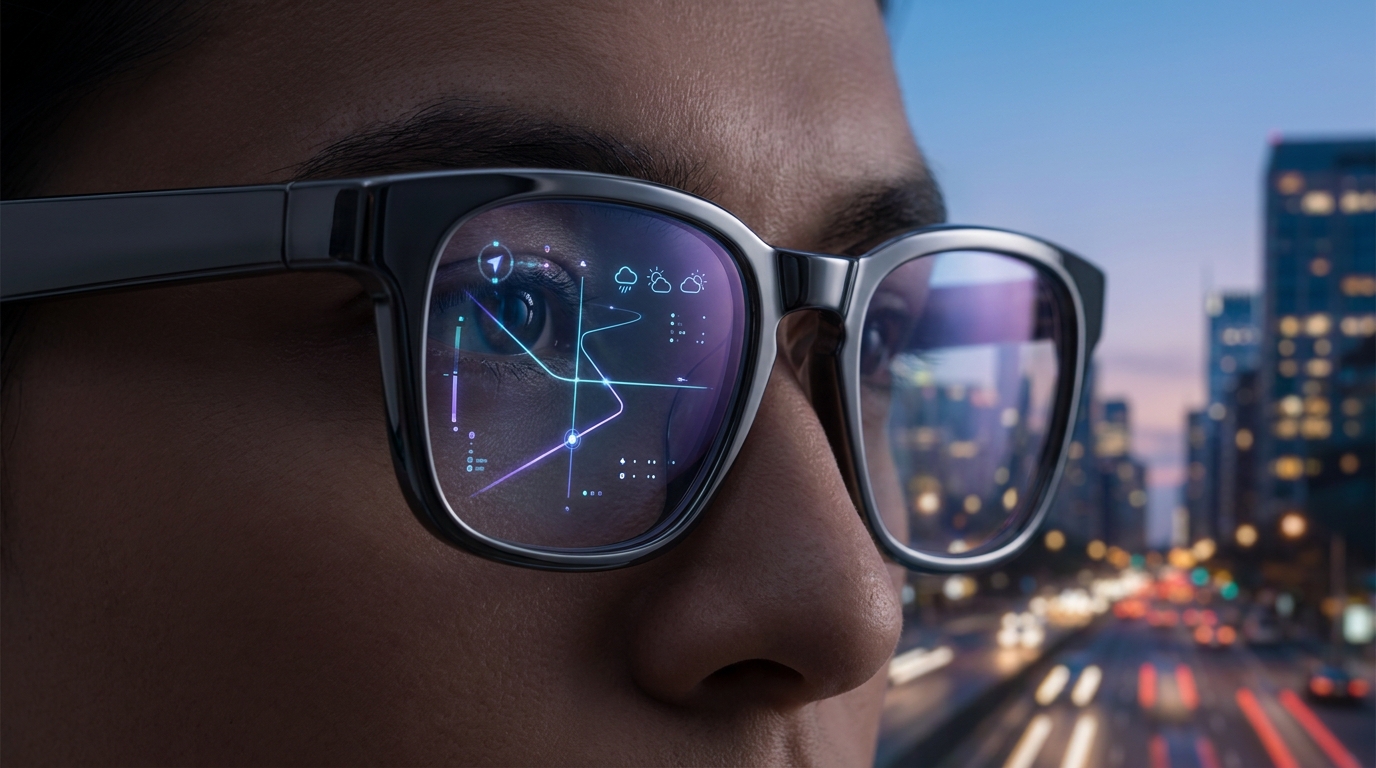
The smart glasses market is at a critical juncture, relentlessly pursuing a vision of on-lens displays that fundamentally misunderstands consumer demand. While tech giants pour billions into beaming pixels directly into our eyes, the true path to mass adoption lies in an entirely different direction: discreet, display-less AI glasses. This isn't just a niche, it's the inevitable future, offering utility without the digital bombardment. The industry's fixation on complex, power-hungry displays has actively alienated everyday users.
Consider the persistent failures of the 'see-through computer' approach, epitomized by products like Snap's astronomically priced $2,195 SPECS. This maximalist strategy, focusing on visual spectacle over practical integration, consistently misses the mark. It creates unnecessary friction, pushing high costs and an overwhelming user experience that ordinary people simply do not want or need, as "Smart Glasses Daily Originals" has consistently argued. The obsession with a perpetually delayed AR future, rather than building a functional present, has crippled market growth.
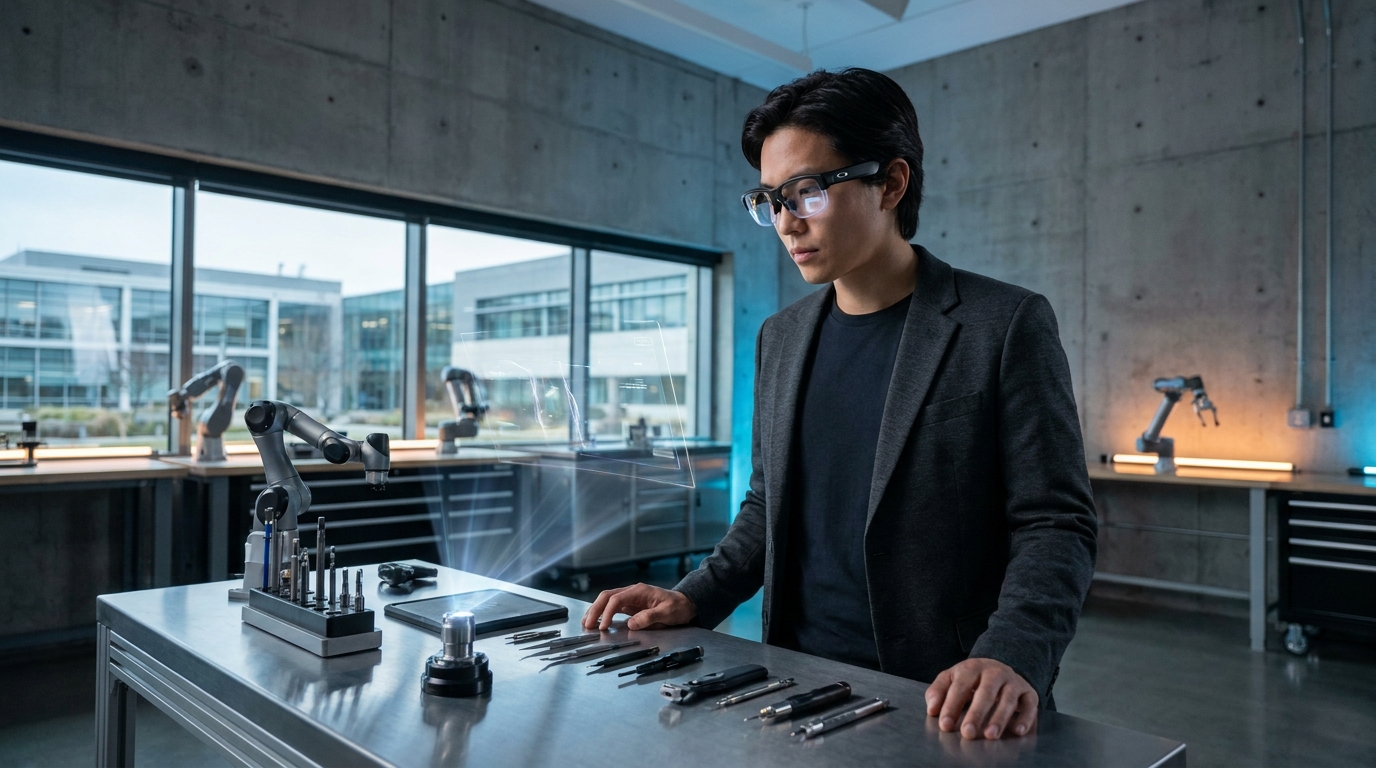
In stark contrast, Meta's strategy with its Ray-Ban Meta and Oakley Meta smart glasses offers a clear blueprint for success. By prioritizing an AI-first, display-less design, Meta has demonstrated how to achieve significant market penetration. These devices seamlessly integrate into daily life, providing essential smart capabilities without the intrusive visual overlay that plagues display-heavy rivals. Meta has built a "real present" for consumers, outmaneuvering companies fixated on over-engineered, unreleased futures.
This success is driven by powerful, on-device artificial intelligence, not dazzling graphics. Firmware updates like v26, introducing features such as Muse Spark AI and enhanced Conversation Focus, transform these glasses into intelligent, always-on companions. Meta's bold move to paywall advanced AI features with Meta One Premium, priced at $19.99 per month, signals a confident monetization strategy for these crucial capabilities. This move solidifies AI's value as a premium, recurring service, distinguishing utility from mere novelty.
The core appeal of display-less AI glasses lies in their ambient computing capabilities. New entrants like Thunderbird with its V3 AI Glasses are explicitly branding their hardware for this 'AI-first' space. They understand that user experience and computational prowess, rather than in-lens projection, are paramount for everyday use. These devices offer discreet assistance, delivering context-aware information and interactions without demanding constant visual attention.
Underpinning this new wave of intelligent eyewear is sophisticated silicon. Qualcomm, with its Reality Elite chip, is strategically positioning itself as the indispensable brain inside the next generation of AI-powered devices. The chip giant isn't building glasses, it's building their foundational intelligence, dictating the underlying architecture for countless devices. This ensures the computational muscle required for seamless, responsive ambient AI experiences, regardless of whether a display is present.
The battleground is shifting from hardware specifications to proprietary AI ecosystems. Tech titans like ByteDance, Alibaba, and Samsung are staking their claims, not on open collaboration, but on tightly integrated, AI-first platforms. ByteDance's stealthy entry, leveraging its expertise in multimodal AI and vast user base, signals an immense ambition for a persistent, immersive digital layer. Similarly, Alibaba's Quark AI Glasses S1, while enigmatic, clearly points to a strategic maneuver into wearable AI.
Samsung's approach with its upcoming Galaxy Glasses further illustrates this focus on ecosystem over raw display power. Reports suggest robust integration with existing wearables like the Galaxy Ring and smartwatches, potentially enabling sophisticated gesture controls. This strategy provides a distinct competitive edge, allowing for hands-free, intuitive interactions that enhance the AI experience without relying on visual prompts. It's about a connected, intelligent environment, not just a screen on your face.
The market is bifurcating decisively. On one side are the high-cost, high-spectacle AR devices that struggle with mass adoption and user acceptance. On the other are the subtle, AI-first ambient computing devices, like Meta's offerings, that prioritize discreet utility and seamless integration. This latter camp is where the average consumer finds true value, as it aligns with their need for unobtrusive assistance, not constant digital bombardment.
The ongoing fixation on complex, power-hungry in-lens displays is the industry's most glaring misstep. Everyday users are alienated by constant digital noise, gravitating instead towards devices that enhance their reality without overwhelming it. The future of smart glasses, therefore, is not about what you see on the lens, but what you hear, what you ask, and how intelligently the device responds without demanding your direct gaze.
Brands that understand this fundamental shift, embracing an invisible hand that guides and assists, will dominate the mass market. The competition will be fought on the strength of AI, the depth of ecosystem integration, and the seamlessness of the user experience. The era of the "see-through computer" is fading, replaced by the ascent of the invisible, intelligent companion.
The next generation of smart glasses will be defined by their discretion, their computational prowess, and their ability to blend effortlessly into daily life. It's not about making our world more digital, but about making the digital world more human. The industry must pivot now, or face the consequences of chasing a vision that the everyday user has already rejected.
Interactive guide — prices, displays, cameras, battery.
Share this story