Analysis · -
2026: Why Smart Glasses Still Miss the Mark for Everyday Users
Despite fashion's embrace and AI advancements, the smart glasses market continues to misunderstand core user needs. A fixation on spectacle, high costs, and new subscription models creates unnecessary friction for mass adoption.

The smart glasses narrative in 2026 is one of undeniable, glittering momentum, yet it remains fundamentally out of touch with the average consumer. While Kylie Jenner graces Meta campaigns and EssilorLuxottica, the titan of traditional eyewear, makes definitive strides, the industry largely focuses on spectacle over substance. This persistent misalignment between product offering and user demand is the market's most glaring failure.
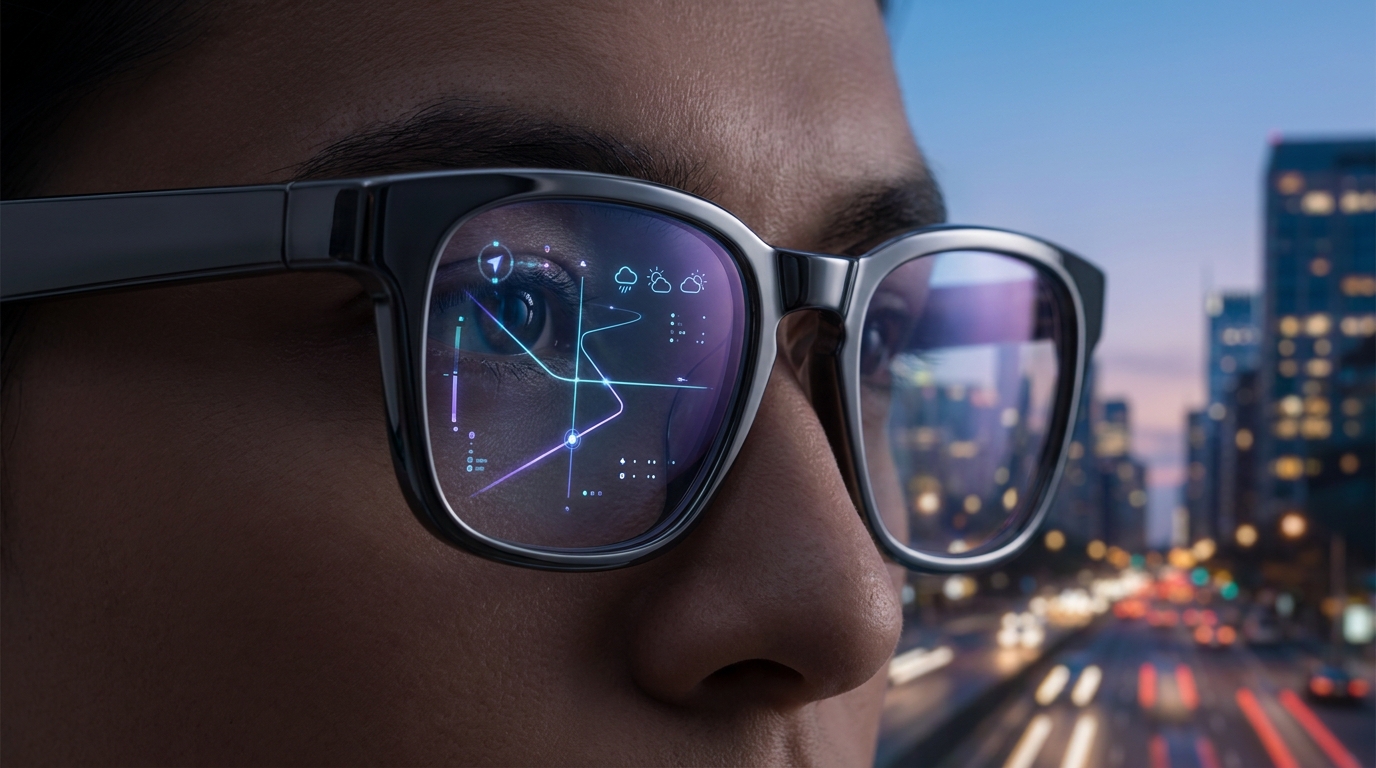
Many brands still champion the 'see-through computer' vision, fixated on complex, power-hungry in-lens displays. This approach, epitomized by Apple's perpetually delayed Vision Pro and Snap's astronomically priced $2,195 SPECS, fundamentally misinterprets what everyday users actually need. Constant digital bombardment alienates more users than it attracts, proving that more pixels do not equate to more utility.
Meta, however, has executed a masterclass in accessible, AI-first wearables with its Ray-Ban Meta and Oakley Meta smart glasses. They are building a 'real present' for consumers, actively 'eating Apple's lunch' by prioritizing discreet, AI-powered assistance over immersive AR. This strategy focuses on on-device intelligence, providing contextual answers and real-time object recognition.
Yet, even Meta's aggressive lead comes with new friction for the everyday user, as evidenced by its Meta One Premium paywall. The introduction of Muse Spark AI and expanded Conversation Focus, now behind a $19.99 per month subscription, marks a critical monetization inflection point. While it solidifies Meta's revenue strategy, it also asks users to pay a recurring fee for enhanced utility, a significant hurdle for mass market adoption.
Is continuous subscription what the everyday user truly wants for their eyewear, even for advanced AI? The jump from a meager three hours of free 'Conversation Focus' to a more practical fifteen hours under a paywall might feel more like extraction than innovation. This move, while cementing Meta's lead, places advanced contextual AI as a premium service, not a universal enhancement.
Beyond Meta, the market continues to diversify into niche segments that ignore the broader consumer. Newcomer Specs targets the 'luxury wearables market,' demanding a premium segment, while RayNeo makes a case for 'accessible display' smart glasses. These offerings, while innovative in their own right, remain detached from the average consumer's needs and budget, pushing the boundary of fashion or niche tech rather than utility.
The true potential for mass adoption lies in discreet, AI-first eyewear that prioritizes seamless integration and utility, not just visual spectacle. iFlytek's 40-gram, AI-first wearable, focusing on practical, embedded intelligence, is a step in this direction. It challenges traditional AR players by offering real-time utility over immersive, power-hungry displays.
Ironically, the very discreetness and utility of AI glasses are already being exploited, highlighting an unintended, yet potent, real-world application. Reports from CNN detail exam cheating in East Asia using smart glasses, where students leverage the subtle capabilities for illicit gain. This controversial use case underscores the innate value of an 'invisible hand' assistant, even if for ethically dubious purposes.
This illustrates a crucial disconnect: users seek practical, integrated AI assistance that is unobtrusive and immediately useful, whether for convenience or circumvention. The industry, however, continues to chase high-cost hardware and complex visual overlays. The market is still fixated on 'tech spectacle,' not the subtle, invaluable assistance that truly resonates with daily life.
Despite all the glittering momentum and corporate alliances, the majority of 2026's smart eyewear fundamentally misunderstands its target. It's more about runway than reality for the average person. Brands continue to deliver solutions looking for a problem, rather than solving the subtle, everyday needs that truly make a device indispensable.
Until the smart glasses industry truly pivots to prioritize accessible, utility-first, and transparently priced offerings, the grand promise of ubiquitous intelligent eyewear will remain largely unfulfilled. The most advanced AI means little if it's locked behind a prohibitively high barrier, whether that's an initial price tag or a never-ending monthly subscription.
Interactive guide — prices, displays, cameras, battery.
Share this story